What is a print edition?
Short answer
A print edition is a physical version of a publication, such as a book, newspaper, or magazine, produced using ink on paper. Unlike digital formats viewed on screens, print editions offer a tactile reading experience. They are finalized at a specific moment in time and cannot be updated after distribution.
On this page
How is a print edition produced?
The creation of a print edition involves a rigorous transition from digital manuscript to physical object. Once an author or editor finalizes the text, the content undergoes professional typesetting to ensure readability, proper margins, and consistent font usage. This file is then sent to a printing facility, where it is converted into plates for offset printing or sent directly to high-speed digital presses.
The mechanical process relies on several critical steps to ensure quality and durability. Modern printing typically follows these procedures:
- Pre-press preparation: Converting digital files into CMYK color profiles and checking for bleed and trim marks.
- Printing: Applying ink to paper sheets or rolls, often using large-scale machines like the Heidelberg offset press.
- Binding: Folding the printed sheets into signatures, which are then glued or sewn together to form the book block.
- Finishing: Adding covers, lamination, or embossing to provide the final aesthetic and protective layer.
Why choose a print edition over digital?
Many readers prefer print editions because they provide a sensory experience that digital screens cannot replicate. The physical weight of a book, the texture of the paper, and the distinct scent of ink contribute to a deeper engagement with the material. Furthermore, print editions are often considered permanent artifacts that do not require electricity, software updates, or compatible hardware to access.
Research suggests that reading from paper can improve information retention and reduce eye strain caused by backlighting. Because print editions are static, they do not suffer from the distractions of hyperlinks, notifications, or pop-up advertisements. For collectors, a print edition serves as a tangible asset that can be passed down through generations. These physical copies also provide a sense of place, as readers can visually track their progress through a book by observing the thickness of pages on the left versus the right side.
How to identify a first print edition?
Identifying a first edition is a pursuit common among book collectors and historians. A first edition signifies the very first time a work was printed from a specific set of plates. Publishers use various systems to indicate this status, often found on the copyright page located immediately after the title page.
To determine if you possess a first edition, follow these professional guidelines:
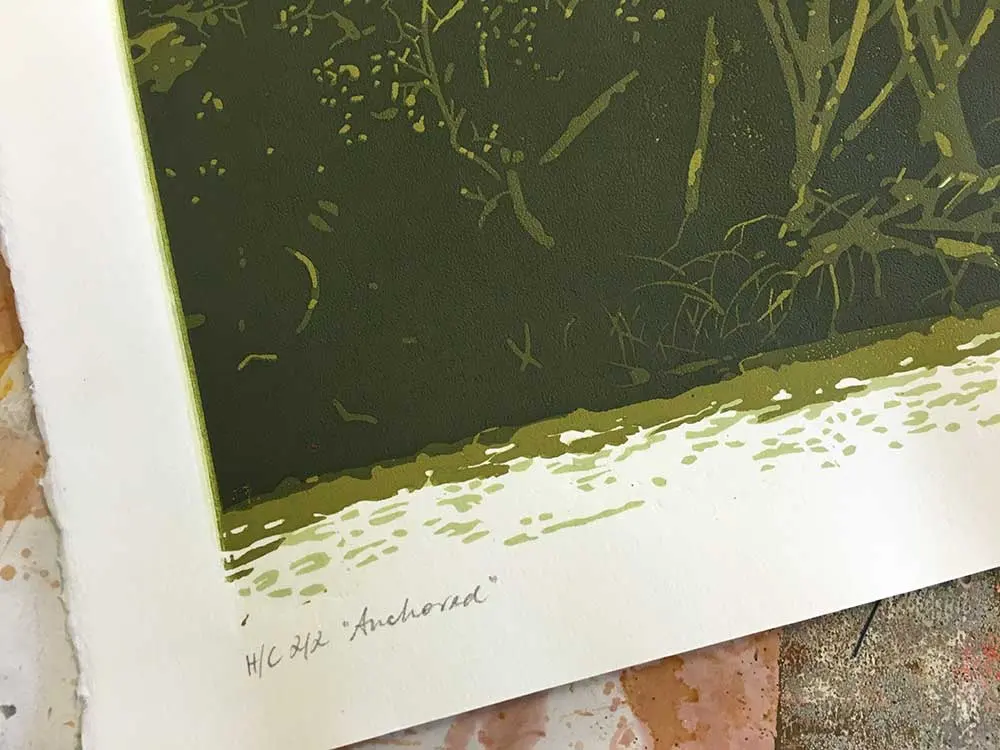
- Check the copyright page for a "number line," which is a sequence of digits like "10 9 8 7 6 5 4 3 2 1." If the number 1 is present, it is often a first printing.
- Look for the phrase "First Edition" or "First Printing" explicitly stated by the publisher.
- Research the specific publisher’s history, as some companies use letters (e.g., "A B C D") instead of numbers to denote printing runs.
- Verify the physical specifications, such as the exact dimensions, paper quality, and binding style, against known bibliographical records for the title.
Common mistakes when handling print editions?
Improper care is the leading cause of degradation for physical books and periodicals. Many owners inadvertently damage their collections by storing them in environments that are too humid or too dry. High humidity encourages mold growth and paper warping, while extreme dryness makes the paper brittle and prone to cracking.
Avoiding common pitfalls will significantly extend the lifespan of your print collection:
- Never store books in direct sunlight, as ultraviolet rays cause ink to fade and paper to yellow rapidly.
- Avoid using adhesive tapes or paper clips, which contain acidic chemicals that permanently stain and damage pages.
- Refrain from "dog-earing" pages to mark your place; instead, use a thin, acid-free bookmark to prevent creasing the paper.
- Keep books upright on shelves rather than stacking them, as stacking puts excessive pressure on the bindings and can lead to structural failure.
- Ensure adequate airflow around bookshelves to prevent the buildup of dust and moisture, which can attract silverfish and other pests.
What is the future of print editions?
Despite the rise of e-readers and audiobooks, the print edition remains a resilient format in the publishing industry. While digital media dominates news consumption, print editions of books—particularly hardcover editions—continue to see steady demand. Publishers have adapted by focusing on high-quality production values, such as decorative covers, sprayed edges, and premium paper stocks, to make print editions more desirable as luxury items.
The industry has shifted toward "print-on-demand" technology, which allows publishers to produce physical copies only when an order is placed. This model reduces waste and overhead costs, ensuring that niche or backlist titles remain available without the need for massive warehouse storage. As technology continues to evolve, the print edition is increasingly positioned as a deliberate, intentional choice for readers seeking a focused and offline experience. This evolution ensures that print will remain a vital component of the literary landscape for the foreseeable future.
Key facts
- A print edition refers to the physical version of a publication, such as a newspaper, book, or magazine, produced using ink on paper.
- The term distinguishes physical copies from digital versions, which are accessed via screens like e-readers, tablets, or web browsers.
- Print editions are typically produced in fixed batches, meaning the content cannot be updated once the pages have been pressed.
- Historically, print editions relied on movable type, but modern production uses offset lithography or high-speed digital inkjet printing.
- Collectors often value print editions for their tactile quality, durability, and the absence of battery or internet requirements.
- When purchasing books, check the copyright page to identify the specific print run, as early editions often hold higher monetary value.
The bottom line
A print edition is the physical manifestation of written content, valued for its permanence and sensory experience. While digital media offers convenience and instant updates, print remains a vital format for archival purposes and personal collections. Understanding the distinction between editions helps readers appreciate the evolution of a work, while collectors can use printing history to determine the rarity and potential value of their physical books.
People also ask
How does a print edition differ from a digital edition?
A print edition is a tangible object that occupies physical space and does not require electronic devices or power to read. Digital editions are intangible files that offer features like adjustable font sizes, search functions, and instant global distribution.
Why do some books have multiple print editions?
Publishers issue new editions to correct errors, update information, or include new introductions and bonus content. A "first edition" refers to the very first time a book was printed, which is often sought after by collectors.
Is a print edition always more expensive than a digital one?
Generally, yes, because print editions involve costs for paper, ink, binding, shipping, and physical storage. Digital editions have lower overhead costs, allowing publishers to sell them at a lower price point.
Can I update a print edition after it is published?
No, the content of a print edition is permanent once the ink is dry and the book is bound. To make changes, a publisher must release a revised edition, which requires a new printing process.
What is the difference between a hardcover and a paperback edition?
A hardcover edition features a stiff, protective cover and is designed for long-term durability and library use. Paperbacks are lighter, more affordable, and use flexible paper covers, making them ideal for casual reading and travel.
How can I tell which print edition I own?
Look at the copyright page, usually located on the back of the title page. It often lists a series of numbers; the lowest number in the sequence typically indicates the current printing of that edition.
This answer was created with the help of AI research tools and reference sources. Spotted an error? Let us know — we correct mistakes quickly. See our editorial policy.