How do you make mashed potatoes?
Short answer
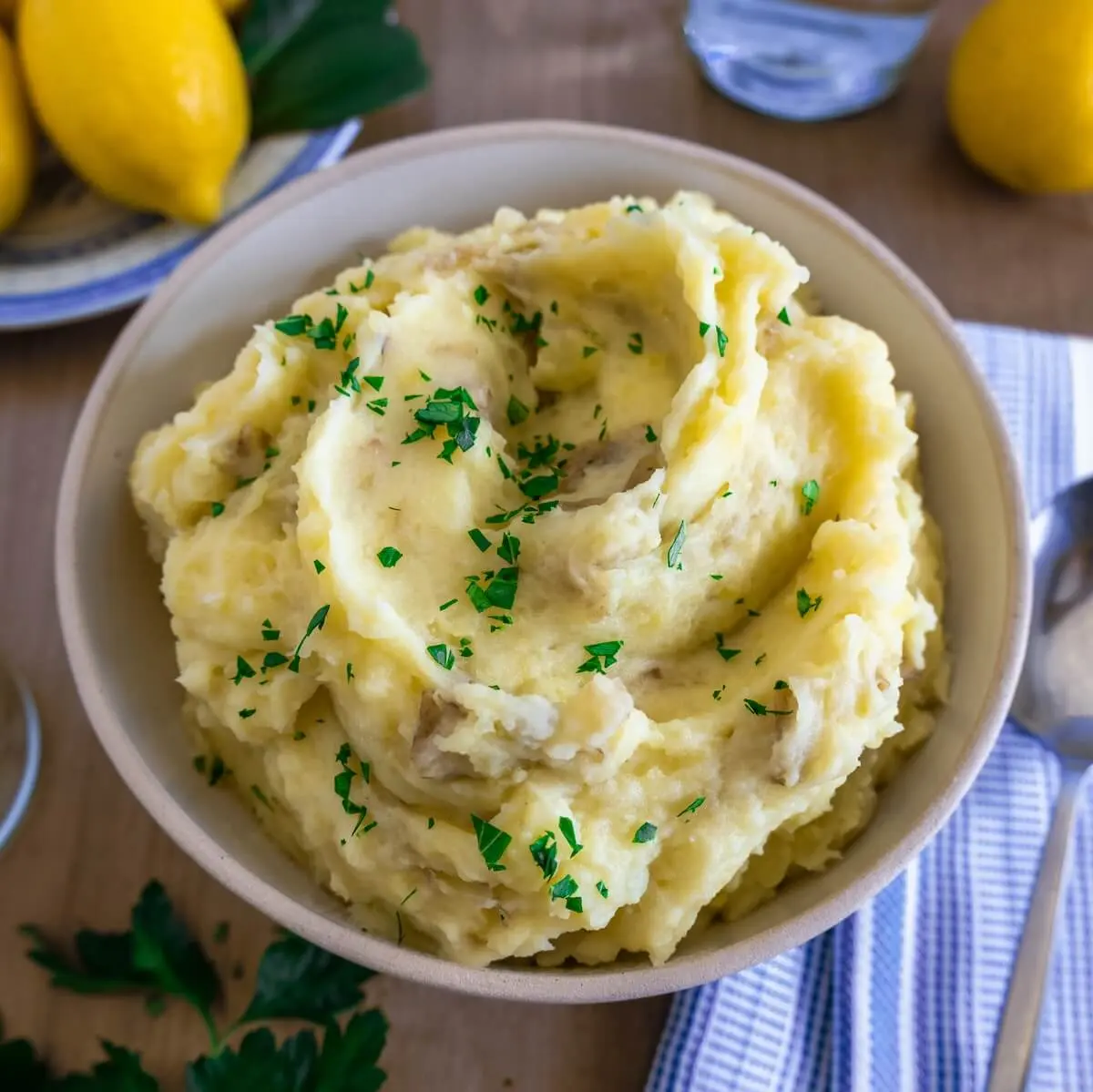
Making perfect mashed potatoes involves boiling peeled, starchy potatoes until tender, draining them thoroughly, and mashing them with warm butter, milk, or cream. The key is to avoid overworking the starch, which creates a gummy texture. Season generously with salt and pepper to achieve a smooth, fluffy, and flavorful side dish.
On this page
Which potatoes are best for mashing?
The secret to superior mashed potatoes lies in selecting the right variety. Starchy potatoes, such as Russets or Idahos, contain high levels of starch and low moisture, which allows them to break down easily into a light, fluffy consistency. Because they absorb fat—like butter and cream—very efficiently, they produce the classic, airy texture most people associate with restaurant-quality mash.
Conversely, waxy potatoes like Red Bliss or fingerlings have a higher moisture content and hold their shape well even after cooking. These varieties are better suited for potato salads or roasting rather than mashing, as they tend to become dense or gluey when crushed. For a balanced approach, some chefs prefer a blend of starchy and waxy potatoes, such as Yukon Golds. These "all-purpose" potatoes offer a buttery flavor and a creamy texture that is naturally rich, making them a popular choice for home cooks who prefer a slightly denser, more decadent result.
How to prepare potatoes for boiling
Proper preparation ensures that the potatoes cook evenly and absorb seasoning correctly. Begin by peeling the potatoes completely, as potato skins can introduce a tough, papery texture to an otherwise smooth mash. Once peeled, cut the potatoes into uniform chunks, roughly one to two inches in size. Uniformity is critical; if the pieces vary significantly in size, the smaller ones will disintegrate before the larger ones are cooked through.
After cutting, place the potatoes into a large pot and cover them with cold water by about an inch. Adding salt to the water at this stage is essential, as it allows the potatoes to absorb flavor from the inside out while they boil.
- Peel and rinse the potatoes thoroughly.
- Cut into consistent 1.5-inch cubes.
- Place in a pot and cover with cold, salted water.
- Bring to a boil, then reduce to a simmer until tender.
Starting with cold water ensures the exterior does not cook faster than the interior.
How long does it take to cook mashed potatoes?
Cooking time depends largely on the size of your potato chunks and the heat level of your stove. Generally, once the water reaches a rolling boil, you should reduce the heat to a simmer and cook the potatoes for 15 to 20 minutes. You can test for doneness by inserting a paring knife into a chunk; if the knife slides through with zero resistance and the potato begins to crumble slightly, they are ready.
Avoid boiling the potatoes at a violent, rapid boil, as this can cause the outsides to break apart and become waterlogged before the centers are fully cooked. Once finished, drain the potatoes immediately in a colander. For the best results, return the drained potatoes to the warm, empty pot and place it back over low heat for one or two minutes. This process, known as "drying out," evaporates excess surface moisture, which prevents your final mash from becoming watery or thin.
How to achieve the perfect texture
The method of mashing significantly impacts the final mouthfeel of the dish. A potato ricer or a food mill is the professional standard, as these tools force the potato through small holes without over-agitating the starch. If you do not own these tools, a traditional hand masher works well, provided you use a gentle, rhythmic motion. Avoid using a food processor or blender, as the high-speed blades will shred the potato cells, releasing too much starch and resulting in a gummy, glue-like paste.
Once the potatoes are broken down, incorporate your fats and liquids while they are still hot. Adding cold milk or butter will lower the temperature of the dish and make it harder to achieve a smooth emulsion. Warm your milk or cream in a small saucepan or microwave before folding it into the potatoes.
- Use a ricer for the smoothest, fluffiest results.
- Always use warm dairy to maintain temperature and texture.
- Fold in butter first to coat the starch granules.
- Add liquid slowly until the desired consistency is reached.
Common mistakes when making mashed potatoes
Even experienced cooks can fall victim to common errors that ruin the texture of mashed potatoes. One of the most frequent mistakes is adding cold ingredients, which results in a lumpy, tepid dish. Another common issue is over-mixing; once the butter and cream are incorporated, stop mixing immediately. The more you stir or whip the potatoes, the more starch is released, which inevitably transforms a light, fluffy mash into a heavy, elastic substance.
Finally, do not neglect seasoning. Potatoes are naturally bland, and they require a significant amount of salt to bring out their earthy sweetness. Taste your mash as you go, adjusting the salt and pepper in small increments. If you find the potatoes are too thin, you have likely added too much liquid; you can fix this by adding a small amount of instant potato flakes or by cooking the mixture over very low heat to evaporate the excess moisture. By following these careful steps, you ensure a consistent, delicious result every time.
Key facts
- Starchy potatoes, such as Russets or Yukon Golds, are ideal because they break down easily and absorb butter and cream.
- Always start potatoes in cold, salted water to ensure they cook evenly from the center to the outside.
- Draining the cooked potatoes thoroughly and letting them steam dry in the hot pot for one minute prevents watery mash.
- Use a potato ricer or food mill instead of a hand masher to achieve a light, fluffy, and lump-free texture.
- Warm your butter and milk or cream before adding them to the potatoes to ensure better absorption and temperature retention.
- Avoid overworking the potatoes with a mixer, as this releases excess starch and results in a gluey, gummy consistency.
The bottom line
Creating the perfect mashed potatoes requires selecting high-starch varieties, starting them in cold salted water, and handling them gently. By using a ricer for aeration and incorporating warmed dairy, you ensure a light, velvety texture. Avoiding the common pitfall of over-mixing is the most critical step to prevent a gummy consistency. Master these simple techniques to produce a professional-quality side dish that elevates any meal.
People also ask
Why do my mashed potatoes turn out gluey?
The gluey texture is caused by over-mixing, which breaks down the potato cells and releases too much starch. Use a gentle folding motion or a ricer rather than a high-speed electric mixer to maintain a fluffy structure.
Should I peel the potatoes before boiling them?
Peeling is a matter of preference, but removing the skins creates a smoother, more uniform mash. If you prefer rustic potatoes, leave the skins on, but ensure they are scrubbed clean and cut into uniform sizes.
Can I make mashed potatoes ahead of time?
Yes, you can keep them warm in a slow cooker on the lowest setting or reheat them gently on the stove. Add a splash of warm milk or cream during reheating to restore their creamy consistency.
How much salt should I add to the boiling water?
Use about one tablespoon of salt per quart of water to season the potatoes from the inside out. This step is essential because potatoes are naturally bland and require seasoning throughout the cooking process.
What is the best fat to use for mashed potatoes?
High-quality unsalted butter is the gold standard for flavor and richness. Some chefs also incorporate cream cheese, sour cream, or olive oil to add tang or a different flavor profile.
How do I fix lumpy mashed potatoes?
If lumps persist, pass the mixture through a fine-mesh sieve or a ricer one more time. Avoid adding more liquid to "fix" lumps, as this will only result in a soupy, over-processed mess.
This answer was created with the help of AI research tools and reference sources. Spotted an error? Let us know — we correct mistakes quickly. See our editorial policy.