How do you make poutine?
Short answer
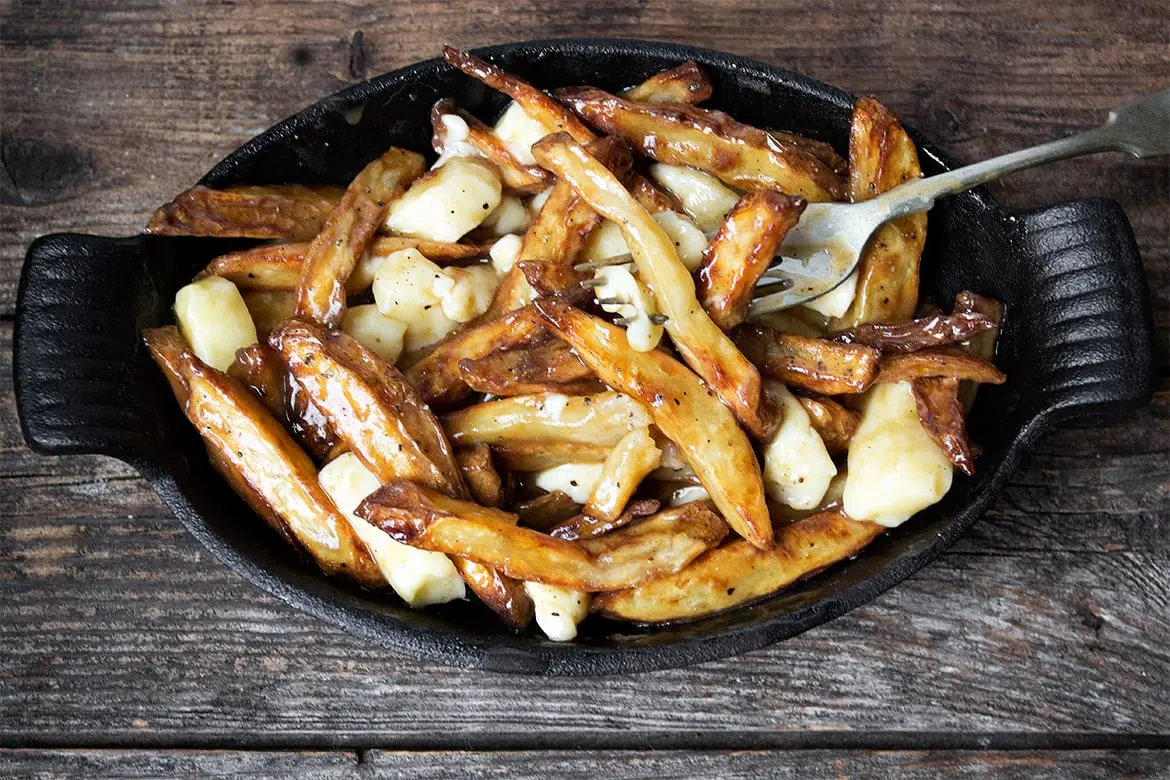
Poutine is a classic Canadian dish consisting of crispy French fries topped with fresh cheese curds and smothered in hot brown gravy. To make it, fry potatoes until golden, place cold curds over them, and pour the hot gravy immediately over the top to achieve the signature melt and squeaky texture.

On this page
How to prepare the perfect poutine fries
The foundation of a great poutine is a high-quality, crispy fry that can withstand the weight of the gravy without turning into mush. Use starchy potatoes like Russets, which provide the ideal fluffy interior and crisp exterior. After cutting the potatoes into uniform sticks, soak them in cold water for at least an hour to remove excess starch. This step is essential for achieving a clean, golden crunch.
Once soaked, dry the potatoes thoroughly with a clean towel to prevent splattering during frying. For the best results, use a double-fry method:
- Fry the potatoes at 300°F (150°C) until they are soft but pale.
- Remove them from the oil and let them rest for at least 15 minutes.
- Increase the oil temperature to 375°F (190°C) and fry again until they reach a deep golden brown.
This technique ensures the fries stay crisp even after the gravy is added.
What makes authentic cheese curds necessary
Authentic poutine strictly requires fresh cheese curds, which are the solid parts of soured milk. These curds are prized for their "squeak," a high-pitched sound produced when biting into the fresh, elastic protein structure. If you cannot find fresh curds, do not substitute them with shredded mozzarella or cheddar, as these will melt into a stringy mess rather than maintaining the desired bite.
If you are sourcing curds, look for those that have been made within the last 24 hours. Because they are not aged, they hold their shape under the heat of the gravy while softening just enough to become creamy. If you must store them, keep them at room temperature for a few hours before serving to ensure they are not cold, which helps them interact better with the hot gravy.
How to make the classic poutine gravy
The gravy for poutine is traditionally a beef-based, thin, and savory sauce. While some variations use a mix of chicken and beef stock, a rich brown gravy provides the depth required to balance the salty fries and the mild, milky flavor of the curds. You can make a quick version using a roux of flour and butter whisked with beef broth and a touch of Worcestershire sauce or tomato paste.
To achieve the right consistency, follow these steps:
- Melt 3 tablespoons of butter in a saucepan over medium heat.
- Whisk in 3 tablespoons of flour and cook for 2 minutes to remove the raw flour taste.
- Gradually add 2 cups of high-quality beef stock while whisking constantly to avoid lumps.
- Simmer the mixture until it thickens enough to coat the back of a spoon.
Season with black pepper, but be cautious with salt, as the cheese curds and fries are already salted.
Common mistakes when making poutine
One of the most frequent errors is adding the gravy too early or using a gravy that is not hot enough. The heat of the gravy is the catalyst that softens the curds and fuses the dish together. If the gravy is lukewarm, the curds will remain hard and the fries will quickly become soggy. Always pour the gravy over the assembly immediately before serving to ensure the best texture.
Another common mistake is overcrowding the fryer. If you add too many potatoes at once, the oil temperature drops significantly, leading to greasy, limp fries that lack a crispy exterior. Additionally, avoid using thin, pre-frozen shoestring fries, as they lack the structural integrity to hold up against the gravy. Always ensure your oil is fully heated before dropping the second batch of fries to maintain the necessary crunch.
Where the history of poutine comes from
Poutine originated in rural Quebec during the late 1950s, though its exact birthplace remains a subject of friendly debate between towns like Warwick and Drummondville. The dish emerged as a convenient snack in small-town diners, often referred to as "cantines." Originally, it was simply fries and curds, with the gravy added later to keep the dish warm for longer periods. It has since evolved from a humble roadside snack into a globally recognized symbol of Canadian culinary culture.
Today, poutine is celebrated for its versatility, with chefs adding ingredients like pulled pork, caramelized onions, or truffle oil. However, purists maintain that the original trio of crispy potatoes, fresh curds, and savory gravy remains the gold standard. Whether served in a formal restaurant or a casual food truck, the dish relies on the harmony of these three simple components to create a satisfying and iconic comfort food experience.
Key facts
- Poutine originated in rural Quebec during the late 1950s, with various towns claiming its invention.
- The three essential pillars of an authentic poutine are crispy fries, fresh cheese curds, and hot brown gravy.
- Cheese curds must be fresh enough to produce a distinct "squeak" against the teeth when bitten.
- Use a light-colored, thin-cut potato like Russet to ensure the center remains fluffy while the exterior crisps.
- The gravy should be a thin, savory chicken or beef-based sauce, not a thick, flour-heavy diner gravy.
- Assemble the dish by placing curds on the fries first, then pouring the hot gravy over them to melt the cheese slightly.
The bottom line
To craft the perfect poutine, prioritize the quality of your ingredients. Start with double-fried, crispy potatoes and top them with room-temperature, fresh cheese curds. Pour a thin, piping-hot savory gravy over the top just before serving to achieve the ideal balance of textures. By focusing on these three simple components, you can recreate this iconic Canadian comfort food at home with authentic, satisfying results every time.
People also ask
Can I use shredded mozzarella instead of cheese curds?
While you can use mozzarella, it will not provide the iconic texture or the signature squeak of authentic poutine. Shredded cheese melts too quickly and lacks the firm, rubbery resistance of fresh curds.
What is the best way to keep the fries from getting soggy?
Double-frying the potatoes is the secret to maintaining crunch. Fry them once at a lower temperature to cook the inside, then fry them again at a higher temperature to crisp the outside before adding the gravy.
Should the gravy be vegetarian?
Traditional poutine gravy is meat-based, usually a blend of chicken and beef stock. However, many modern variations use vegetable-based gravies that mimic the savory profile of the original.
How hot should the gravy be when serving?
The gravy must be piping hot to ensure it softens the curds without turning the entire dish into a soup. If the gravy is too cool, the cheese will remain cold and the fries will not absorb the flavor.
What are common mistakes to avoid when making poutine?
The most frequent error is using refrigerated cheese, which loses its squeak and texture. Another mistake is using thick, pasty gravy that masks the flavor of the fries and cheese.
Is poutine considered a main course or a side dish?
In Quebec, poutine is often served as a substantial main meal, especially in late-night snack bars. In other regions, it is frequently treated as a decadent side dish to accompany burgers or sandwiches.
This answer was created with the help of AI research tools and reference sources. Spotted an error? Let us know — we correct mistakes quickly. See our editorial policy.