What is Burnaby famous for?
Short answer
Burnaby is the third-largest city in British Columbia, renowned for its diverse urban landscape, expansive park systems, and role as a major educational and commercial hub. It serves as a vital connector between Vancouver and the Fraser Valley, hosting the prestigious Simon Fraser University and significant high-tech industrial sectors.
On this page
What makes Burnaby a unique destination
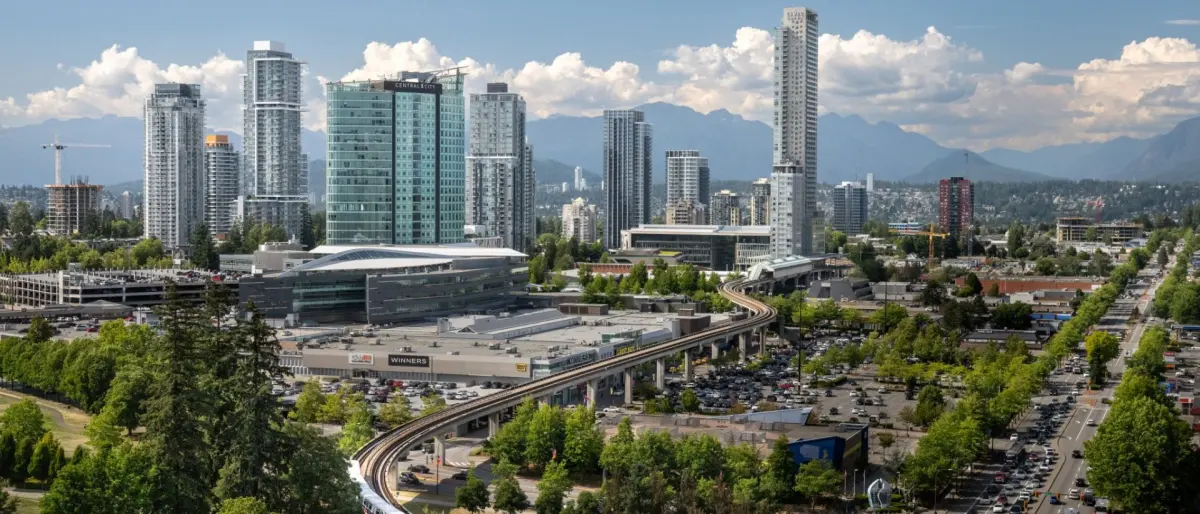
Burnaby is defined by its strategic geography, situated directly between the bustling metropolis of Vancouver and the suburban expanse of the Fraser Valley. It is famous for its "town centre" urban planning model, which has successfully concentrated high-density residential and commercial development around SkyTrain stations. This approach allows the city to maintain a balance between modern skyscrapers and extensive green spaces. Unlike many North American suburbs that rely solely on car culture, Burnaby has cultivated a walkable, transit-oriented identity that appeals to both young professionals and families.
The city also boasts a rich cultural history, notably through its commitment to preserving the past while embracing rapid modernization. The Burnaby Village Museum serves as a primary example of this, offering an immersive look at the region’s history during the 1920s. Visitors often find that the city’s character is shaped by its diverse population, which contributes to a vibrant culinary scene and a variety of community-focused festivals held throughout the calendar year.
How to explore Burnaby’s best parks
Burnaby is widely recognized for its commitment to nature, dedicating a significant portion of its land to public parks and conservation areas. The city manages over 200 parks, providing residents and visitors with ample opportunities for hiking, cycling, and water-based recreation. Maintaining this balance is a point of civic pride, ensuring that urban development does not come at the expense of local biodiversity or public health.
If you are planning a visit to the city's premier outdoor spaces, consider these top locations:
- Burnaby Lake Regional Park: A vast nature reserve perfect for birdwatching and rowing.
- Deer Lake Park: Famous for its scenic walking trails, art gallery, and summer concert series.
- Central Park: A massive urban forest that offers sports facilities and quiet pathways.
- Burnaby Mountain: Offers panoramic views of the Burrard Inlet and the downtown Vancouver skyline.
When visiting these areas, always remain on marked trails to protect sensitive ecosystems. During the rainy season, ensure you wear waterproof footwear, as the forest floors can become quite muddy and slippery.
Why students choose Simon Fraser University
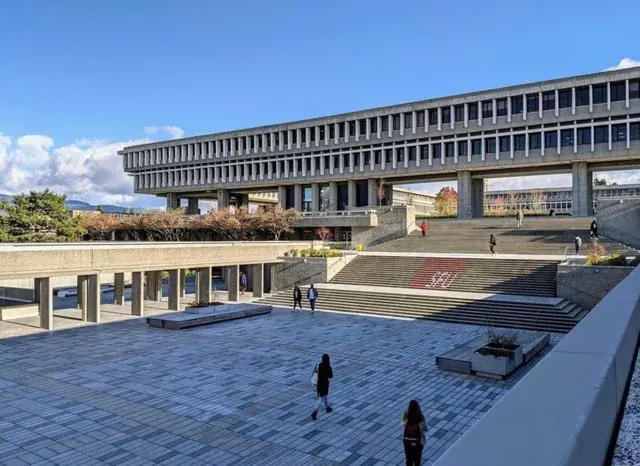
Burnaby is home to Simon Fraser University (SFU), which is consistently ranked among Canada’s top comprehensive universities. Located atop Burnaby Mountain, the campus is famous for its unique modernist architecture, designed by Arthur Erickson and Geoffrey Massey. The university has become a cornerstone of the city’s identity, attracting thousands of international students and researchers who contribute to the local economy and intellectual climate.
The university’s influence extends beyond academics, as it serves as a major employer and a hub for innovation in the region. Many technology companies have established offices in Burnaby to take advantage of the talent pipeline flowing from the university. For students and prospective residents, the campus area offers:
- Access to high-speed transit via the Production Way-University SkyTrain station.
- Extensive recreational facilities, including an Olympic-sized swimming pool and gymnasium.
- Proximity to the Burnaby Mountain Conservation Area for outdoor breaks between studies.
Common mistakes when visiting Burnaby
Many visitors make the mistake of treating Burnaby merely as a transit corridor rather than a destination in its own right. Because it is adjacent to Vancouver, travelers often overlook the local attractions, missing out on the unique shopping experiences at Metropolis at Metrotown, which is one of the largest shopping malls in the country. Another common error is underestimating the size of the city; relying on walking to get between the north and south ends of the city is impractical due to the steep terrain of Burnaby Mountain.
To avoid these pitfalls, utilize the efficient SkyTrain system to navigate between major hubs like Metrotown, Brentwood, and Lougheed. If you plan to visit the mountain, check the local weather forecast, as temperatures at the summit are often lower than in the valley. Finally, do not assume that all attractions are open year-round; the Burnaby Village Museum, for instance, operates on a seasonal schedule that changes based on the time of year and specific holiday events.
Where to find the best local culture
The cultural fabric of Burnaby is woven through its diverse neighborhoods and community institutions. The city hosts a variety of events that celebrate its multicultural demographic, including the annual Burnaby Blues + Roots Festival and various Lunar New Year celebrations. These events are essential for understanding the local spirit, which prioritizes inclusivity and community engagement. The city also invests heavily in public art, with sculptures and installations found throughout the town centres and parklands.
For those looking to experience the authentic local culture, focus on these activities:
- Visit the Nikkei National Museum and Cultural Centre to learn about Japanese-Canadian history.
- Explore the diverse international food options along Kingsway, a historic thoroughfare.
- Attend a performance or exhibition at the Shadbolt Centre for the Arts.
- Participate in the seasonal farmers' markets that highlight local agricultural produce from the surrounding region.
By engaging with these institutions, you gain a deeper appreciation for how Burnaby has evolved from a collection of small settlements into a thriving, modern city that maintains a strong sense of community identity.
Key facts
- Burnaby is the third-largest city in British Columbia by population, serving as a major economic hub for the Metro Vancouver region.
- The city is home to Simon Fraser University, which is consistently ranked among Canada’s top comprehensive universities.
- Burnaby’s park system covers over 25 percent of the city’s land area, including the expansive Burnaby Lake Regional Nature Park.
- Metrotown, located in Burnaby, features one of the largest shopping malls in Canada, serving as a primary transit and retail center.
- The city maintains a unique outdoor museum called the Burnaby Village Museum, which recreates life in the 1920s with original heritage buildings.
- Visitors should avoid relying solely on cars, as Burnaby is highly accessible via the SkyTrain rapid transit system, which connects it to downtown Vancouver.
The bottom line
Burnaby is a vibrant, multifaceted city that serves as a vital bridge between Vancouver and the eastern suburbs. With its blend of high-density urban centers like Metrotown, world-class academic institutions, and vast protected parklands, it offers a unique lifestyle. Whether you are visiting for its historical attractions or navigating its efficient transit network, Burnaby stands out as a central, accessible, and essential part of British Columbia.
People also ask
Is Burnaby considered a good place to live?
Burnaby is frequently cited for its high quality of life due to its central location, extensive parkland, and diverse residential neighborhoods. It offers a balance between urban density and natural green spaces, making it popular for families and professionals.
How long does it take to travel from Burnaby to downtown Vancouver?
By using the SkyTrain’s Expo or Millennium lines, you can reach downtown Vancouver from central Burnaby in approximately 15 to 25 minutes. Driving times vary significantly depending on traffic congestion during peak commuting hours.
What are the best outdoor activities in Burnaby?
Popular activities include hiking or cycling around the trails at Burnaby Lake and Deer Lake Park. During the summer, Deer Lake Park hosts free outdoor concerts and festivals that attract thousands of residents.
Does Burnaby have a distinct downtown area?
Burnaby does not have a single traditional downtown but instead features two major urban centers: Metrotown and Brentwood. These areas serve as high-density hubs for business, residential towers, and regional shopping.
What is the weather like in Burnaby?
Like the rest of the Lower Mainland, Burnaby experiences a mild, oceanic climate with cool, dry summers and wet, temperate winters. Snowfall is infrequent and usually melts quickly within the lower elevations of the city.
What is the significance of the Burnaby Village Museum?
This museum provides an immersive look at the region’s history through restored 1920s-era buildings and costumed staff. It is a practical destination for families and history enthusiasts looking to understand the area's early development.
This answer was created with the help of AI research tools and reference sources. Spotted an error? Let us know — we correct mistakes quickly. See our editorial policy.