What do cows eat?
Short answer
Cows are ruminant herbivores that primarily consume grasses, legumes, and forage. Their complex four-compartment stomach allows them to ferment fibrous plant material that humans cannot digest. While grazing on pastures is their natural diet, modern dairy and beef production often supplement this with grains, silage, and minerals to meet nutritional requirements.
On this page
What do cows eat in nature?
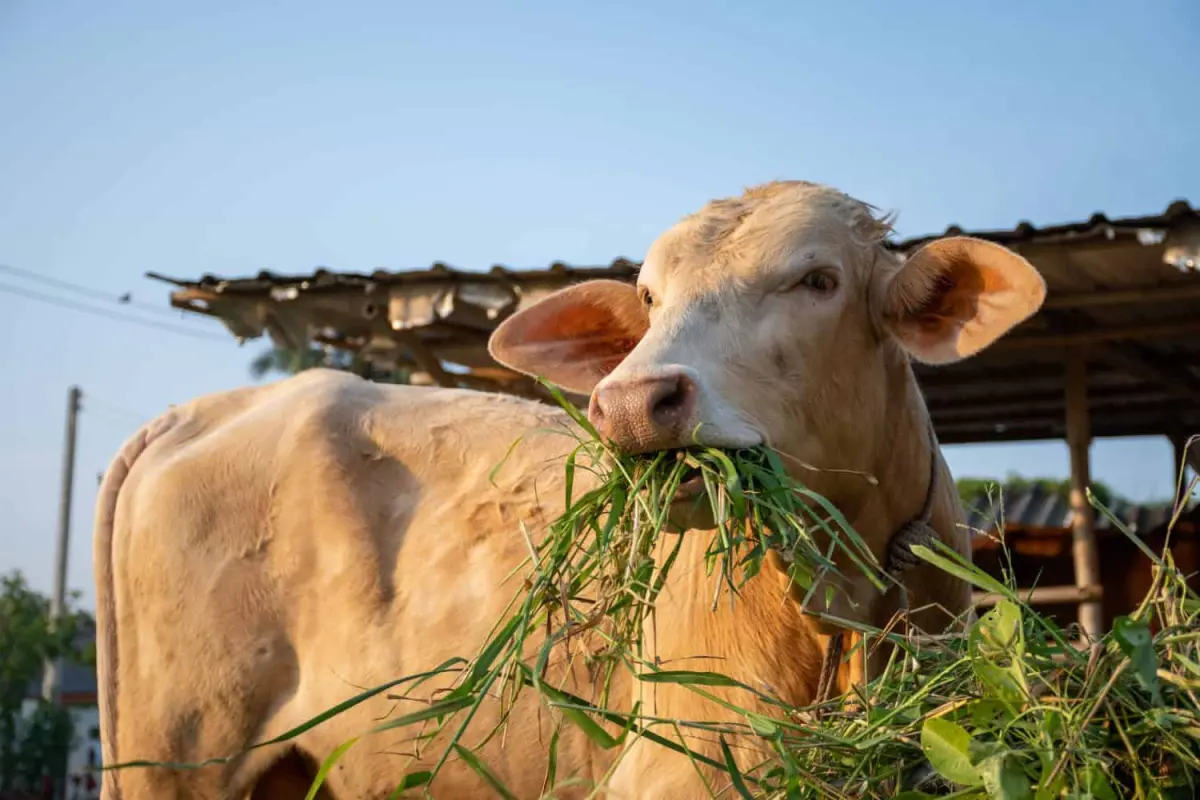
In their natural state, cows are grazers that spend most of their day consuming grasses and various forage plants. Their digestive system is specifically evolved to process cellulose, the tough structural component of plant cell walls. By roaming across pastures, they select a variety of grasses like ryegrass, orchard grass, and fescue, which provide the essential fiber needed for healthy rumen function.
Beyond simple grasses, cows also consume legumes such as clover and alfalfa. These plants are vital because they offer higher protein levels than standard grasses, which is particularly important for growing calves or lactating cows. This natural diet is high in volume, requiring a cow to eat between 25 and 50 pounds of dry matter daily to maintain its body weight and energy levels.
- Perennial ryegrass: High energy and palatable.
- White clover: Excellent source of nitrogen and protein.
- Orchard grass: Hardy and tolerant of varying climates.
- Timothy hay: A staple for winter feeding and digestive health.
How do cows digest their food?
The secret to a cow's diet lies in its unique four-compartment stomach: the rumen, reticulum, omasum, and abomasum. When a cow first swallows grass, it enters the rumen, a massive fermentation vat holding up to 50 gallons of material. Here, billions of bacteria, protozoa, and fungi break down tough plant fibers into volatile fatty acids, which the cow absorbs as its primary energy source.
After initial fermentation, the cow regurgitates a bolus of food, known as "cud," to chew it again. This process, called rumination, physically breaks down the plant particles further, increasing the surface area for microbes to work on. This cycle of eating, regurgitating, and re-chewing is essential for extracting maximum nutrients from low-quality forage. Without this specialized biological system, cows would be unable to survive on a diet consisting almost exclusively of plant fiber.
What is the best diet for dairy cows?
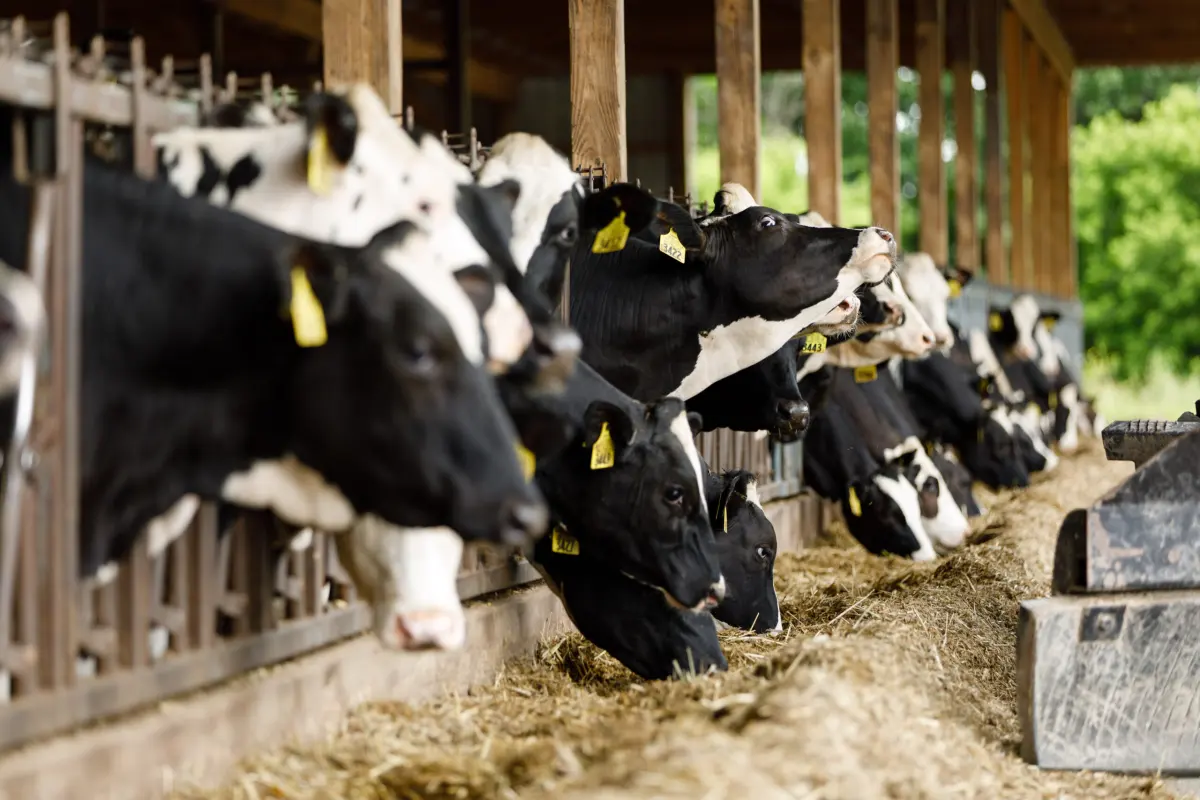
Modern dairy cows have significantly higher energy demands than beef cattle due to the massive output of milk. To meet these needs, farmers provide a Total Mixed Ration (TMR), a carefully balanced blend of forage, grains, and supplements. This ensures the cow receives a consistent balance of carbohydrates, proteins, fats, and minerals in every bite, preventing the digestive upsets that can occur with sudden diet changes.
- Analyze the nutrient content of available forage.
- Calculate the energy requirements based on milk production levels.
- Mix high-quality silage with corn, soybean meal, and mineral additives.
- Distribute the TMR evenly to ensure the cow cannot "sort" for only the tastiest bits.
- Monitor body condition scores to adjust the ration as needed.
By using TMR, farmers can precisely control the cow's intake of starch and protein. This prevents the animal from over-consuming grains, which could lead to metabolic disorders like acidosis, while ensuring they have enough fuel to produce high-quality milk.
Why do cows need mineral supplements?
While grass and grain provide the bulk of a cow's diet, they are often deficient in specific trace minerals. Soil quality varies wildly by region, meaning the forage grown in one field may lack selenium, copper, or zinc. Farmers typically provide salt blocks or loose mineral mixes to ensure cows do not suffer from deficiencies that can lead to poor growth, reproductive failure, or weakened immune systems.
Calcium and phosphorus are particularly critical for dairy cows, as milk production leaches these minerals from the body. If a cow does not receive enough calcium, it may develop milk fever, a dangerous condition where the cow becomes weak and unable to stand after calving. Providing the correct balance of electrolytes and minerals is a proactive step that maintains long-term health and prevents costly veterinary interventions during the production cycle.
Common mistakes when feeding cows
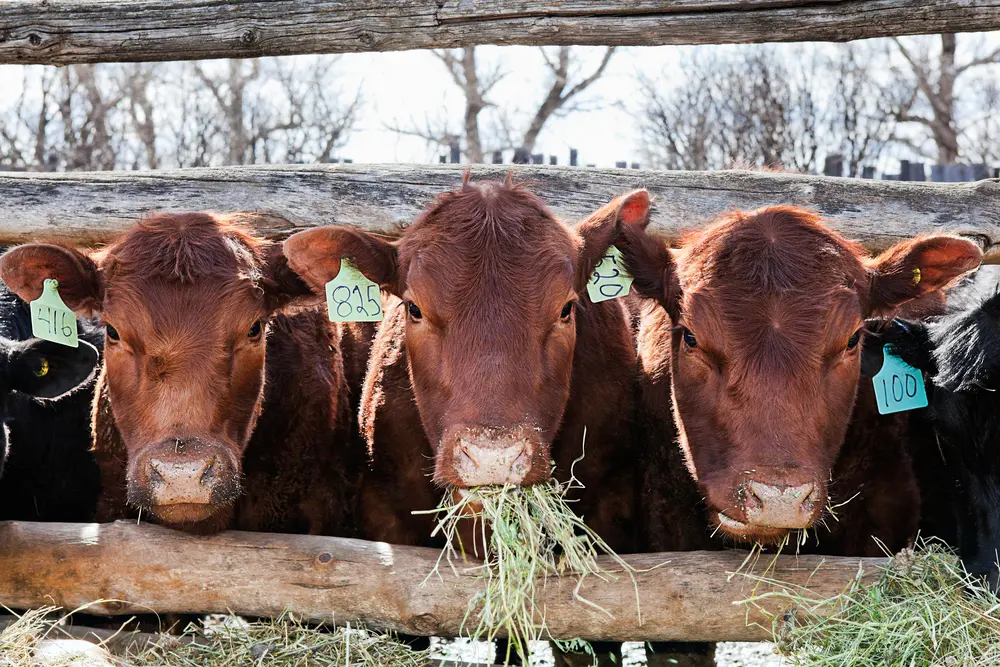
One of the most frequent errors is the sudden transition from a forage-based diet to a high-grain diet. The microbes in the rumen require time to adapt to new food sources; a rapid change can kill beneficial bacteria and lead to severe health issues. Always introduce new feeds gradually over a period of two weeks to allow the rumen flora to stabilize and prevent digestive distress.
- Failing to provide constant access to clean, fresh water.
- Overfeeding grain, which leads to rumen acidosis and laminitis.
- Providing moldy hay or silage, which can cause respiratory issues and toxicity.
- Ignoring the body condition of the herd, leading to either obesity or malnutrition.
- Neglecting to test forage quality, resulting in an unbalanced nutrient profile.
By avoiding these pitfalls and focusing on a consistent, high-quality fiber base supplemented by necessary minerals and controlled amounts of grain, producers can ensure their herd remains healthy, productive, and comfortable throughout their entire life cycle.
Key facts
- Cows are ruminants, meaning they have a complex four-compartment stomach designed to ferment fibrous plant material.
- An adult dairy cow typically consumes between 100 and 150 pounds of wet feed, such as silage or fresh grass, every single day.
- A cow requires 20 to 30 gallons of fresh water daily to support digestion and milk production.
- Farmers often provide a "total mixed ration" (TMR), a scientific blend of forage, grains, minerals, and vitamins to ensure balanced nutrition.
- Avoid feeding cows grass clippings from lawn mowers, as these can ferment rapidly and cause dangerous digestive issues like bloat.
- Providing access to a salt lick is essential, as it helps cows maintain proper electrolyte balance and encourages adequate water intake.
The bottom line
Cows are highly specialized herbivores that thrive on a diet of fibrous forage, supplemented by energy-dense grains and essential minerals. Their unique digestive system requires a consistent, high-quality intake of fiber and water to function effectively. By providing a balanced, clean diet and avoiding harmful additives like lawn clippings, farmers ensure their cattle remain healthy, productive, and capable of converting simple plants into valuable nutrition.
People also ask
Can cows eat corn?
Yes, corn is a common energy-dense feed for cattle, usually served as cracked grain or fermented whole-plant silage. However, it must be introduced gradually to prevent acidosis, a painful condition caused by rapid fermentation in the rumen.
Why do cows spend so much time chewing their cud?
Cows regurgitate partially digested food, called cud, to chew it a second time. This mechanical breakdown increases the surface area of the plant fibers, allowing bacteria in the stomach to extract more nutrients.
Is it safe to feed cows kitchen scraps?
Most household food waste is unsuitable and potentially illegal to feed to livestock due to disease risks like foot-and-mouth disease. Stick to forage, hay, and approved commercial feeds to keep your animals healthy and compliant with agricultural regulations.
How much hay does a cow need in winter?
A typical 1,200-pound cow generally consumes about 25 to 30 pounds of dry hay per day during the winter months. You should always keep extra hay on hand to account for waste, which can often reach 15 to 20 percent of the total amount provided.
Do cows need supplements?
While pasture and hay provide bulk energy, they often lack specific minerals like selenium, copper, or zinc depending on the soil quality. Providing a mineral block or loose mineral mix ensures the cow avoids deficiencies that affect growth and reproduction.
What is the difference between silage and hay?
Hay is grass or legumes that have been dried to a low moisture content for long-term storage. Silage is plant material that is chopped and fermented in an airtight environment, preserving its nutritional value through a natural pickling process.
This answer was created with the help of AI research tools and reference sources. Spotted an error? Let us know — we correct mistakes quickly. See our editorial policy.