How long do armadillos live?
Short answer
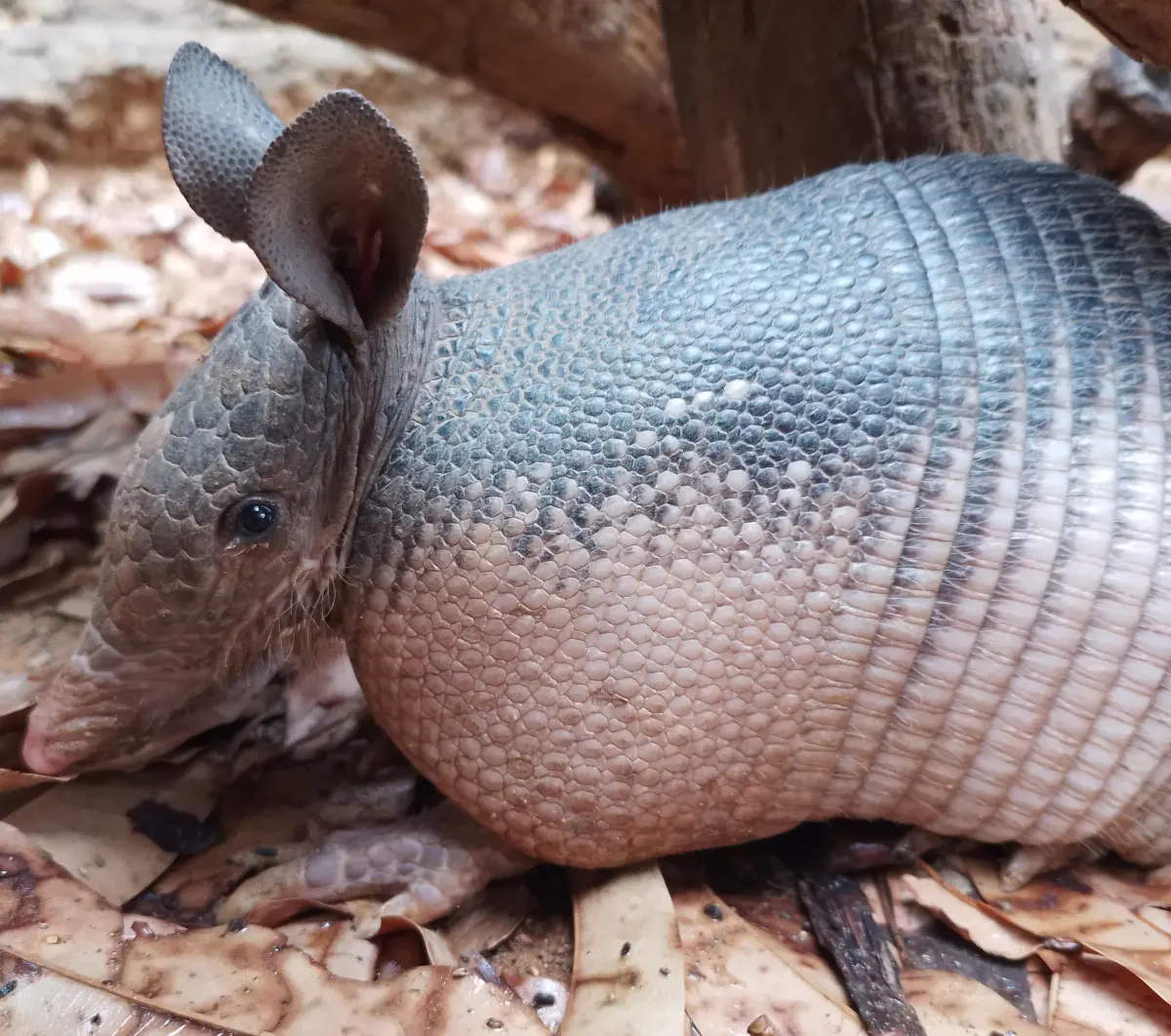
Most wild armadillos live between 4 and 7 years, though lifespans vary significantly by species. The common nine-banded armadillo typically lives for 7 to 10 years in captivity, while larger species like the giant armadillo can reach 15 years. Environmental stressors and predation significantly shorten the lifespans of armadillos living in the wild.
On this page
How long do armadillos live in the wild?
In their natural habitats, armadillos face numerous challenges that limit their longevity. The nine-banded armadillo, the most widespread species in North America, often survives only a few years due to high rates of predation by coyotes, bobcats, and birds of prey. Environmental factors such as extreme temperature fluctuations and habitat loss also play a major role in mortality rates. Because they are primarily nocturnal foragers, they are frequently struck by vehicles while crossing roads at night, which remains a leading cause of death for the species.
While some individuals may reach a decade of age under ideal conditions, the average life expectancy is much lower. Factors that influence survival rates in the wild include:
- Availability of high-quality food sources like insects and larvae.
- Density of local predator populations.
- Integrity of burrow systems for protection against weather.
- Proximity to high-traffic human roadways.
- Prevalence of regional diseases or parasites.
How long do armadillos live in captivity?
Armadillos kept in zoos or research facilities generally enjoy longer, more predictable lifespans than their wild counterparts. Protected from natural predators and provided with consistent veterinary care, these animals can reach the upper limits of their biological potential. For instance, the nine-banded armadillo can live up to 15 years in a controlled environment, though 7 to 10 years is more common. Other species, such as the screaming hairy armadillo, have been known to thrive for over a decade when provided with specialized diets and climate-controlled enclosures.
The primary benefit of captivity is the mitigation of external threats. Staff monitor the animals for signs of illness, ensuring that minor infections do not become fatal. Furthermore, captivity allows for a balanced nutritional intake, preventing the metabolic bone diseases that sometimes affect wild populations struggling to find diverse food sources. By eliminating the constant search for survival, these animals can allocate more energy to physiological maintenance and cellular repair, which directly contributes to their extended longevity compared to wild populations living in high-stress environments.
Why do armadillos have short lifespans?
The biological and ecological constraints placed on armadillos contribute to their relatively short lifespans. One significant factor is their limited ability to thermoregulate, as they possess a low metabolic rate and lack thick body fat or fur. This makes them highly susceptible to cold stress, which can lead to rapid population declines during harsh winters. Additionally, armadillos are known carriers of Mycobacterium leprae, the bacterium that causes leprosy. While the disease does not affect all armadillos equally, it can weaken their immune systems and increase their susceptibility to secondary infections or predation.
Their reproductive strategy also influences population dynamics. Nine-banded armadillos produce identical quadruplets from a single egg, which is a unique biological trait. While this allows for rapid population growth, it also means that a single environmental disaster can wipe out an entire cohort of young. The combination of high juvenile mortality and the constant threat of predation keeps the average age of a wild armadillo population quite low. They are essentially "r-strategists," focusing on producing many offspring rather than investing heavily in the long-term survival of each individual.
Common mistakes when observing armadillos
Many people attempt to interact with armadillos without understanding their behavior, which can lead to dangerous outcomes for both the human and the animal. A common mistake is attempting to capture or handle an armadillo, which causes extreme stress and can result in the animal jumping suddenly or scratching with its powerful claws. Because these animals can carry zoonotic diseases, direct contact should be strictly avoided. Furthermore, feeding armadillos to attract them to a property is counterproductive, as it disrupts their natural foraging habits and encourages them to frequent areas where they are more likely to be hit by cars.
To observe armadillos safely and responsibly, follow these steps:
- Use binoculars or a camera with a zoom lens to maintain a distance of at least 20 feet.
- Visit areas during their active hours, typically at dusk or dawn, to minimize disturbance.
- Remain quiet and still to avoid triggering their flight response.
- Use a red-filtered flashlight if observing at night, as it is less likely to startle them than white light.
- Respect their space and do not attempt to block their path to a burrow.
How to support local armadillo populations
Supporting armadillos involves preserving the natural ecosystems they require to thrive. Since these animals rely on soft, moist soil for digging and finding food, maintaining natural landscapes with leaf litter and native vegetation is essential. Avoid the use of chemical pesticides in your garden, as these toxins can accumulate in the insects that armadillos consume, leading to secondary poisoning. By creating a chemical-free environment, you provide a safe foraging ground that helps the animals maintain their health and improve their chances of reaching their full natural lifespan.
Another way to assist is by being mindful of local wildlife corridors. If you live in an area with a high armadillo population, consider installing low-voltage fencing or clearing brush away from busy roads to discourage them from crossing. Promoting the preservation of forested areas and wetlands ensures that these animals have access to the deep, insulated burrows they need to survive cold weather. By focusing on habitat conservation rather than direct intervention, you contribute to a sustainable environment where armadillos can live out their natural lives without unnecessary human-induced hazards or external stressors.
Key facts
- Most wild armadillos live between 7 and 15 years, depending on the species and environmental pressures.
- The nine-banded armadillo, the most common species in the United States, typically lives 7 to 10 years in the wild.
- Captive armadillos often live longer than their wild counterparts because they are protected from predators and disease.
- Avoid handling armadillos without gloves, as they are one of the few animals known to carry Mycobacterium leprae, the bacteria that causes leprosy.
- If you find an armadillo in your garden, do not attempt to relocate it manually; use a professional wildlife removal service to avoid bites or scratches.
- Provide a clear habitat by removing brush piles and tall grass if you wish to discourage armadillos from nesting near your home.
The bottom line
Armadillos are fascinating, burrowing mammals that typically live for about a decade in the wild. While their armored shells provide a unique defense mechanism, they remain vulnerable to habitat loss and vehicle collisions. If you encounter one, it is best to observe from a distance and avoid physical contact to prevent the transmission of disease. Maintaining a tidy yard remains the most effective way to manage their presence.
People also ask
Do armadillos make good pets?
No, armadillos do not make good pets because they are nocturnal, require specialized diets, and can carry diseases. They are wild animals that become stressed in captivity and may bite if handled.
How can I tell if an armadillo is living under my porch?
You may notice large, shallow holes in your lawn or hear scratching sounds beneath your foundation at night. Armadillos are prolific diggers and leave behind distinct signs of their foraging activity.
Are armadillos dangerous to humans?
While they are generally shy and avoid conflict, they can carry leprosy and should never be touched. They also have sharp claws that can cause significant injury if the animal feels threatened.
What do armadillos eat?
Their diet consists primarily of insects, grubs, beetles, and sometimes small amphibians or fruit. They use their strong sense of smell to locate food buried several inches underground.
Read the full answer →Do all armadillos roll into a ball when threatened?
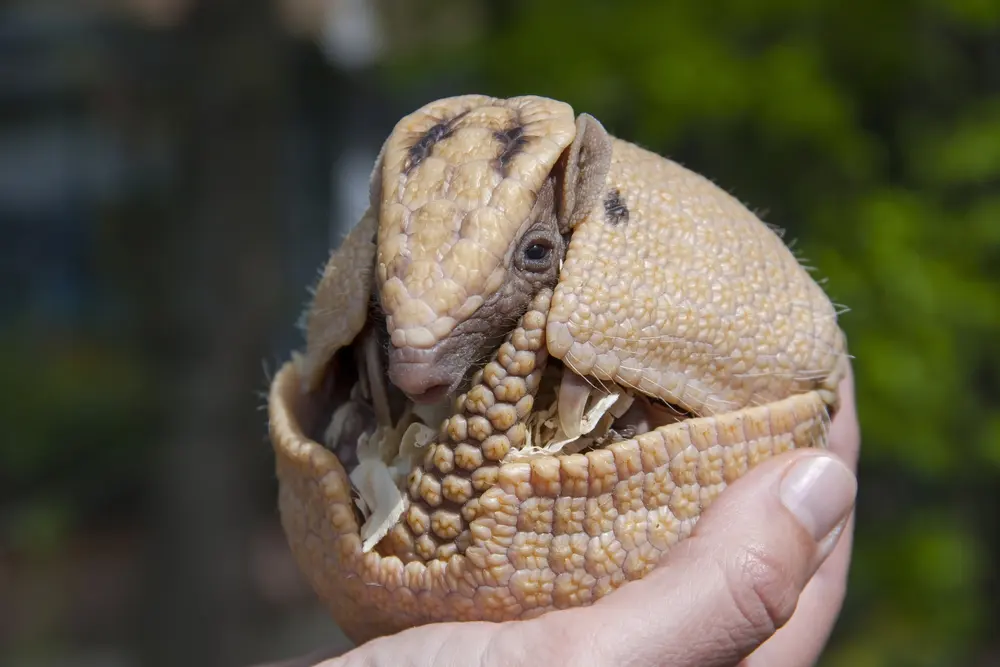
Only the three-banded armadillo species can roll into a perfect, armored ball for protection. Most other species, including the nine-banded armadillo, prefer to run into a burrow or jump straight up when startled.
Why do armadillos cross the road?
They often cross roads while foraging for food or searching for new territory. Because they have poor eyesight and a tendency to jump when startled, they are frequently struck by vehicles.
This answer was created with the help of AI research tools and reference sources. Spotted an error? Let us know — we correct mistakes quickly. See our editorial policy.