How long do hedgehogs live?
Short answer
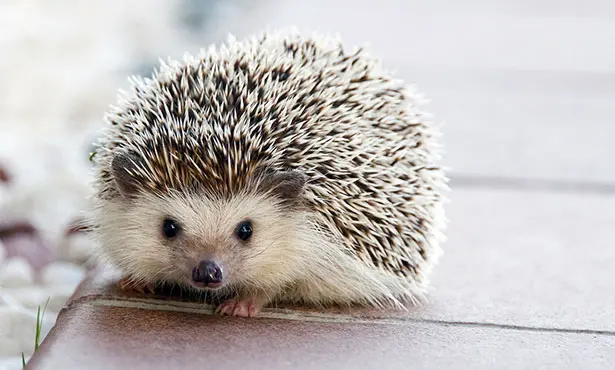
In the wild, hedgehogs typically live two to five years, though many succumb to predators or accidents before reaching maturity. In captivity, with proper veterinary care and a controlled environment, they often live four to seven years. Some well-cared-for pet hedgehogs have been known to reach eight or nine years of age.
On this page
How long do wild hedgehogs live?
Wild hedgehogs, such as the common European hedgehog, face significant environmental pressures that drastically shorten their natural lifespan. While they are biologically capable of living for several years, the vast majority do not survive past their second year. Factors such as food scarcity during winter hibernation, habitat loss, and road traffic contribute to high mortality rates. Those that manage to navigate these hazards successfully may live up to five years in favorable conditions.
Survival rates are heavily influenced by seasonal changes and the availability of nesting sites. Young hedgehogs, known as hoglets, are particularly vulnerable during their first winter if they fail to reach a sufficient body weight before hibernation. Adult hedgehogs that maintain a healthy weight and avoid human-related dangers have a better chance of reaching their full biological potential. The following factors commonly impact their longevity:
- Predation by badgers, foxes, and owls.
- Exposure to pesticides used in gardens and agriculture.
- Accidental ingestion of slug pellets or other toxic substances.
- Collisions with motor vehicles on busy roads.
How long do pet hedgehogs live?
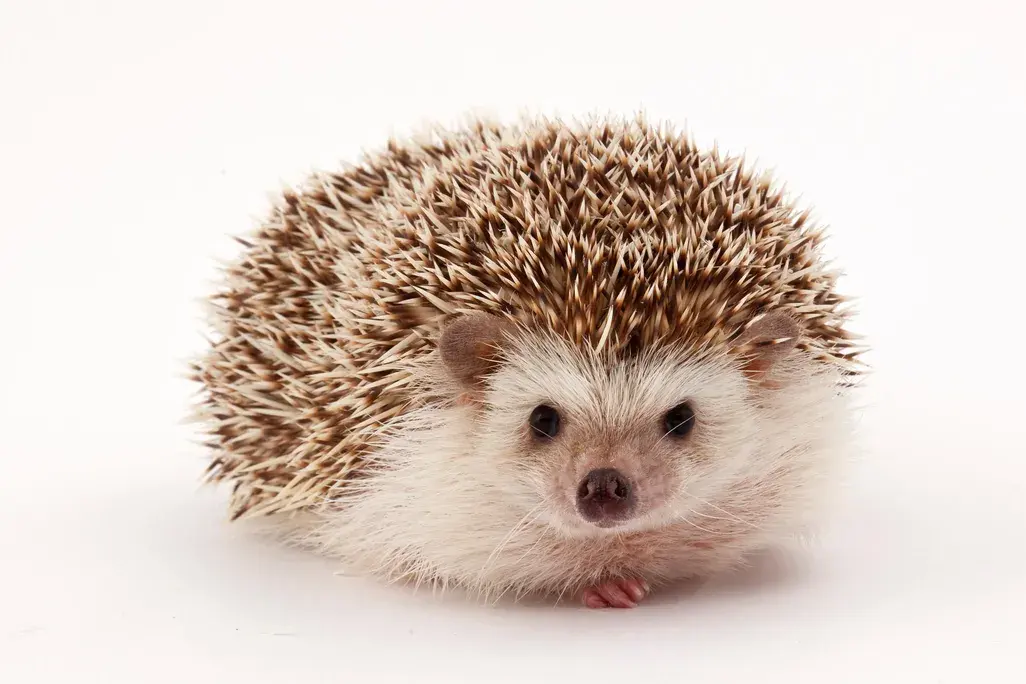
Pet hedgehogs, most commonly the African pygmy hedgehog, generally enjoy longer lives than their wild counterparts due to the absence of natural predators and consistent access to nutrition. When provided with an appropriate enclosure and regular medical checkups, these animals typically live between four and seven years. Genetics play a significant role in their longevity, as some lines are more prone to hereditary conditions than others.
Owners can influence the lifespan of their pets by maintaining a stable, stress-free environment. Because hedgehogs are solitary and nocturnal, they require a quiet space that mimics their natural activity cycles. Providing a varied diet that replicates their insectivorous nature is essential for preventing obesity and related health issues. To ensure your pet lives a long life, focus on these areas:
- Maintaining a consistent ambient temperature between 72 and 80 degrees Fahrenheit.
- Providing a high-protein, low-fat diet supplemented with live insects.
- Ensuring the cage is cleaned weekly to prevent respiratory infections.
- Scheduling annual wellness exams with an exotic animal veterinarian.
Why do hedgehogs have short lifespans?
The relatively short lifespan of a hedgehog is primarily a result of its physiological design and high metabolic rate. In the wild, their reliance on hibernation is a high-stakes survival strategy; if a hedgehog does not store enough fat reserves, it will not survive the winter months. This cycle puts immense stress on their internal organs, which can lead to long-term health degradation over several years.
Furthermore, hedgehogs are prone to specific health conditions that often manifest as they age. Tumors, particularly those involving the reproductive system or the jaw, are common in captive populations and can significantly reduce life expectancy if not detected early. Because hedgehogs are prey animals, they are experts at masking illness, meaning that by the time an owner notices a problem, the condition may be advanced. Understanding these biological limitations helps owners provide the necessary care to extend their pet's quality of life.
Common mistakes when caring for hedgehogs
One of the most frequent errors owners make is failing to monitor their hedgehog’s weight. Obesity is a silent killer in captivity, leading to fatty liver disease and heart complications. Many owners mistakenly offer high-calorie treats or cat food that is too rich in fat, which accelerates these health issues. It is vital to weigh your hedgehog on a kitchen scale every two weeks to track any sudden changes.
Another major mistake is ignoring the need for specialized veterinary care. General practitioners who treat dogs and cats may not have the expertise required to diagnose or treat exotic species like hedgehogs. If a hedgehog stops eating or shows signs of lethargy, it is often a medical emergency that requires immediate intervention. Avoid these common pitfalls to keep your pet healthy:
- Using cedar or pine wood shavings, which can cause respiratory irritation.
- Keeping the cage in a drafty area or direct sunlight.
- Failing to provide a large, solid-surface exercise wheel.
- Ignoring signs of dental disease or difficulty chewing.
Best practices for increasing hedgehog longevity
To maximize the years you have with your pet, prioritize preventative health measures. This begins with sourcing your hedgehog from a reputable breeder who screens for genetic diseases, rather than purchasing from a pet store where health history is often unknown. A healthy start in life is the strongest predictor of a long, active adulthood.
Daily interaction and observation are also critical components of long-term care. By handling your hedgehog regularly, you become familiar with its normal behavior, making it easier to spot subtle changes that indicate illness. Keeping a detailed log of your pet's eating habits, activity levels, and weight will provide your veterinarian with invaluable data during checkups. By combining proactive health monitoring with a high-quality diet and a stress-free environment, you provide the best possible conditions for your hedgehog to reach the upper end of its natural lifespan. Consistency remains the most important factor in ensuring your companion remains healthy and comfortable throughout its senior years.
Key facts
- Wild hedgehogs typically live between 2 and 5 years, though many do not survive their first winter.
- Pet hedgehogs, such as the African pygmy hedgehog, often live longer, averaging 4 to 7 years in captivity.
- Predation, habitat loss, and road traffic are the primary factors that shorten the lifespan of wild hedgehogs.
- Proper diet and temperature control are the most critical factors in extending the life of a pet hedgehog.
- Avoid feeding hedgehogs bread and milk, as they are lactose intolerant and these foods can cause severe digestive distress.
- To help wild hedgehogs, provide shallow bowls of water and clear paths through garden fences to allow safe movement.
The bottom line
The lifespan of a hedgehog is heavily influenced by its environment, with captive hedgehogs living significantly longer than their wild counterparts. While wild hedgehogs face constant threats from predators and urban hazards, pet hedgehogs thrive with consistent care, appropriate nutrition, and a stable, warm habitat. By avoiding common dietary mistakes and providing sufficient space, owners can ensure their hedgehogs enjoy a healthy, full life span.
People also ask
Do hedgehogs hibernate in captivity?
Pet hedgehogs do not naturally hibernate and attempting to force them to do so can be fatal. If your pet becomes lethargic or cold, it is likely suffering from hypothermia rather than hibernation.
What is the best diet for a pet hedgehog?
A high-quality, high-protein, and low-fat insectivore kibble is ideal. Supplement this with live insects like mealworms or crickets to provide necessary chitin and mental stimulation.
How can I tell if a wild hedgehog is healthy?
A healthy hedgehog is active at night and moves with a steady gait. If you see one out during the day, it is often sick, injured, or orphaned and requires professional help.
Do hedgehogs carry diseases that affect humans?
While they can carry salmonella, the risk is low if you practice good hygiene. Always wash your hands thoroughly after handling a hedgehog or cleaning its enclosure.
How much space does a pet hedgehog need?
A hedgehog needs a minimum of 4 square feet of floor space. Provide a solid-surface running wheel to ensure they get enough daily exercise to prevent obesity.
Can hedgehogs live together in the same cage?
No, hedgehogs are solitary animals by nature. Keeping them together often leads to fighting, stress, and potential injuries, so they should always be housed individually.
This answer was created with the help of AI research tools and reference sources. Spotted an error? Let us know — we correct mistakes quickly. See our editorial policy.