What is the tallest waterfall in Canada?
Short answer
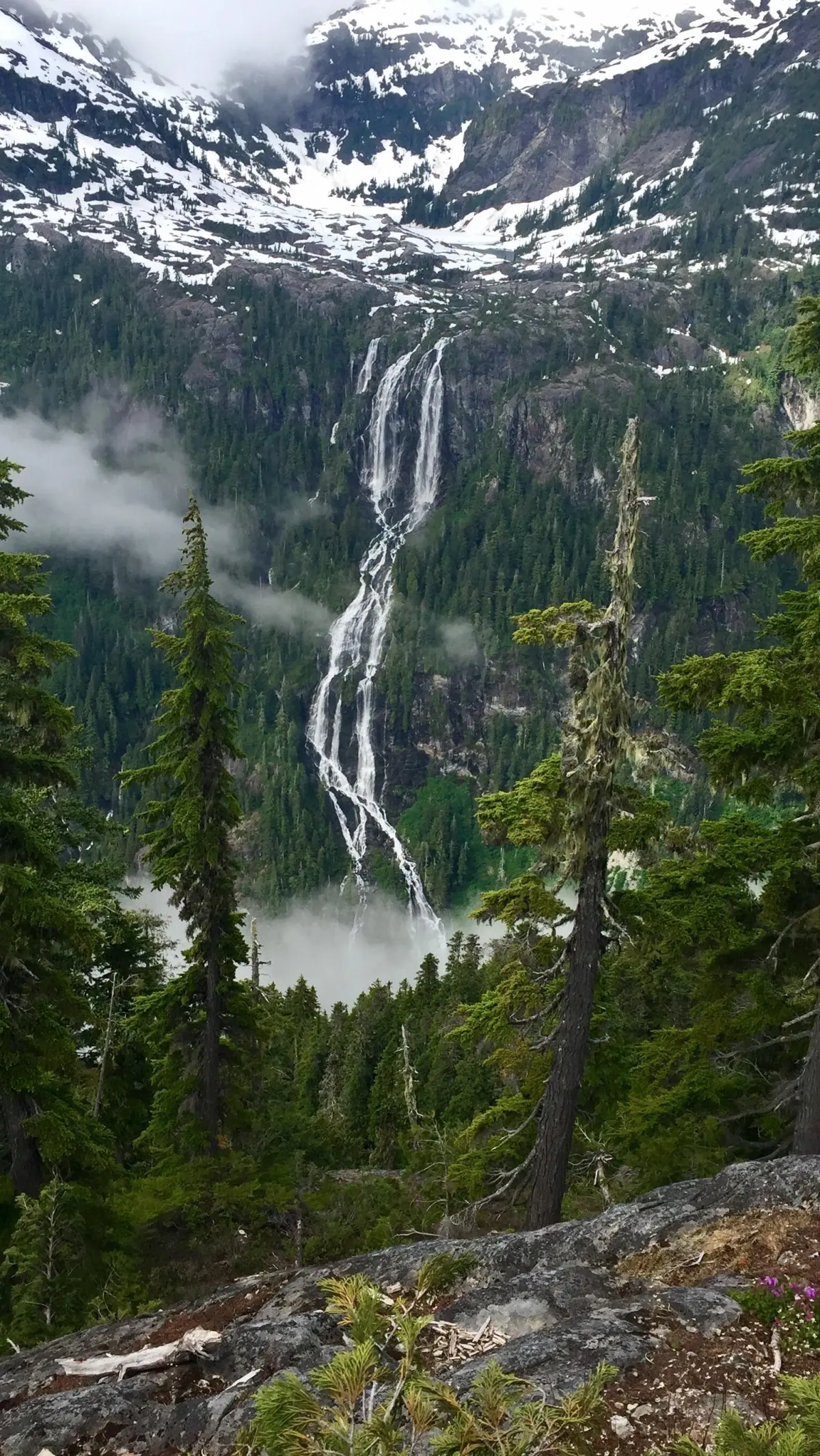
Della Falls, located in Strathcona Provincial Park on Vancouver Island, British Columbia, is officially recognized as Canada's tallest waterfall. It features a total vertical drop of approximately 440 meters (1,444 feet). While some remote, unverified falls in northern regions are occasionally cited, Della Falls remains the undisputed record holder in Canadian geography.
On this page
Where is the tallest waterfall in Canada located?
Della Falls is situated deep within the rugged interior of Strathcona Provincial Park on Vancouver Island, British Columbia. The waterfall originates from a small glacier high above the Love Lake basin, cascading down a steep mountain face before eventually feeding into Drinkwater Creek. Its remote location makes it significantly less accessible than more famous tourist destinations like Niagara Falls.
To reach the falls, adventurers must first travel to the western end of Great Central Lake near Port Alberni. Because there is no road access to the trailhead, visitors must rely on a private boat, a water taxi, or a lengthy kayak journey to reach the base of the mountain. Once at the trailhead, the hike is a demanding trek through dense, old-growth temperate rainforest that requires significant physical preparation and navigation skills.
How do you hike to Della Falls?
The hike to the base of Della Falls is considered a challenging backcountry excursion that typically requires two to three days to complete. The trail spans approximately 16 kilometers one way, featuring significant elevation gain and rugged terrain that tests even experienced hikers. Proper planning is essential for safety, as the wilderness area is home to black bears and cougars.
- Arrange boat transportation across Great Central Lake to the trailhead at the mouth of Drinkwater Creek.
- Follow the well-marked but rocky trail that runs parallel to the creek for roughly 15 kilometers.
- Set up a base camp at the established campsite located near the base of the falls.
- Hike the final, steep section to the viewing area to witness the full scale of the waterfall.
What is the best time of year to visit?
The optimal window for visiting Della Falls is between late June and early September. During the spring months, the snowpack at higher elevations remains substantial, making the trail muddy and potentially hazardous due to high water levels in the creek. By mid-summer, the snow has mostly melted, providing safer conditions for hikers and more stable water crossings.
It is important to monitor local weather reports, as the West Coast of Vancouver Island is prone to sudden, heavy rainfall even in the summer months. High precipitation can cause Drinkwater Creek to rise rapidly, which may trap hikers on the wrong side of the trail. Always check with the BC Parks website for current trail conditions and any active advisories before beginning your journey.
What are common mistakes when visiting?
Many visitors underestimate the physical toll of the hike and the necessity of carrying proper gear for a multi-day backcountry trip. A common error is failing to bring a reliable water filtration system, as relying on untreated creek water can lead to illness. Additionally, many travelers forget that cell service is non-existent in the park, making emergency communication impossible without a satellite device.
- Packing too much weight, which slows progress on the steep, uneven trail.
- Neglecting to store food properly, which attracts local wildlife to campsites.
- Attempting the hike in improper footwear, such as sneakers, which lack the ankle support needed for rocky terrain.
- Starting the hike too late in the day, leading to navigation errors in fading light.
Why is Della Falls considered the tallest?
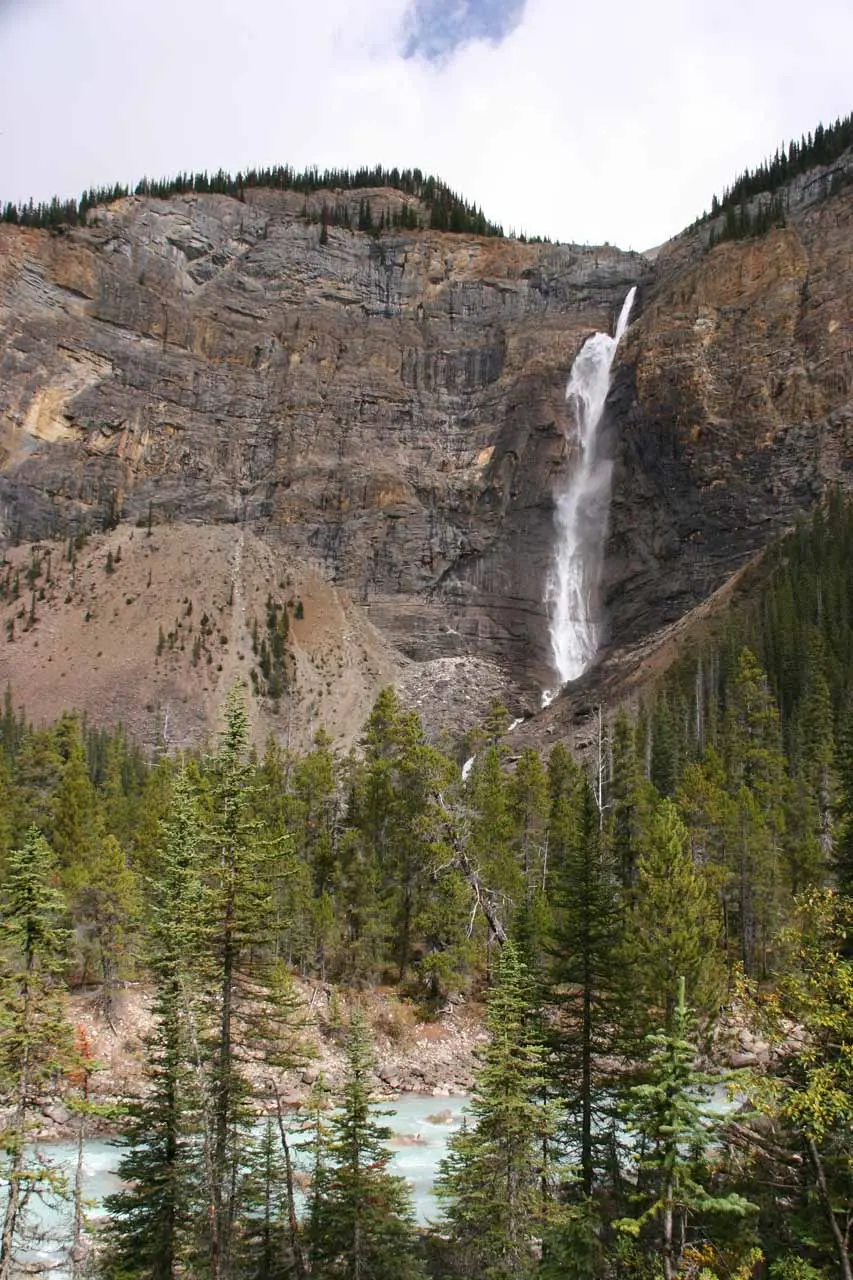
The height of a waterfall is measured by the vertical distance the water falls from its highest point to the base. Della Falls is measured at 440 meters, which places it well ahead of other significant Canadian waterfalls like Takakkaw Falls in Yoho National Park. While Takakkaw Falls is arguably more spectacular due to its massive volume of water, its total drop is shorter than that of the record-holding Della Falls.
Geologists note that the formation of such a high waterfall is the result of glacial erosion during the last ice age, which carved deep, steep-walled valleys known as hanging valleys. As the glaciers retreated, they left behind elevated basins that now feed the streams cascading over the cliffs. This unique geological history is what allows British Columbia to host some of the most dramatic and towering waterfalls in the entire country.
Key facts
- Della Falls, located in Strathcona Provincial Park on Vancouver Island, is officially recognized as Canada's tallest waterfall.
- The waterfall drops a total of 440 meters (1,444 feet) from a glacial tarn into the Drinkwater Creek valley.
- Access to the base of the falls requires a 15-kilometer hike from the shore of Great Central Lake.
- Most visitors reach the trailhead by boat across Great Central Lake, as there is no road access to the area.
- The best time to visit is during the summer months, as snowmelt in late spring can make river crossings dangerous.
- Hikers should carry a bear canister and follow strict backcountry safety protocols, as the region is active grizzly and black bear habitat.
The bottom line
Della Falls stands as Canada’s premier waterfall, offering a challenging wilderness experience for adventurous hikers. Located deep within Vancouver Island's Strathcona Provincial Park, this 440-meter cascade requires careful planning, including boat transport and backcountry preparation. By respecting the rugged terrain and unpredictable weather, visitors can witness one of the country's most spectacular natural landmarks. Always prioritize safety and environmental stewardship when exploring this remote destination.
People also ask
Is Della Falls the tallest waterfall in North America?
No, Della Falls is not the tallest in North America. That title belongs to Yosemite Falls in California, which has a total drop of 739 meters.
How long does it take to hike to Della Falls?
The hike typically takes between two and three days to complete. It is considered a strenuous backcountry trek, so proper physical conditioning and gear are essential.
Are there any facilities at the base of the waterfall?
There are no amenities at the falls, such as toilets, potable water, or shelters. Hikers must be entirely self-sufficient and practice "Leave No Trace" principles.
Can I see the falls without hiking?
It is possible to view the falls from the air via a floatplane or helicopter tour. This is a popular option for those who want to see the scale of the falls without the multi-day trek.
Is a permit required to visit the area?
While no specific permit is required for the hike itself, you must ensure you have a valid boat transport arrangement. Check the BC Parks website for current trail conditions and closures before departing.
What is the most common mistake hikers make?
The most common mistake is underestimating the difficulty of the river crossings near the end of the trail. High water levels during spring runoff can make these crossings impassable and extremely hazardous.
This answer was created with the help of AI research tools and reference sources. Spotted an error? Let us know — we correct mistakes quickly. See our editorial policy.