What is the tallest tree in the world?
Short answer
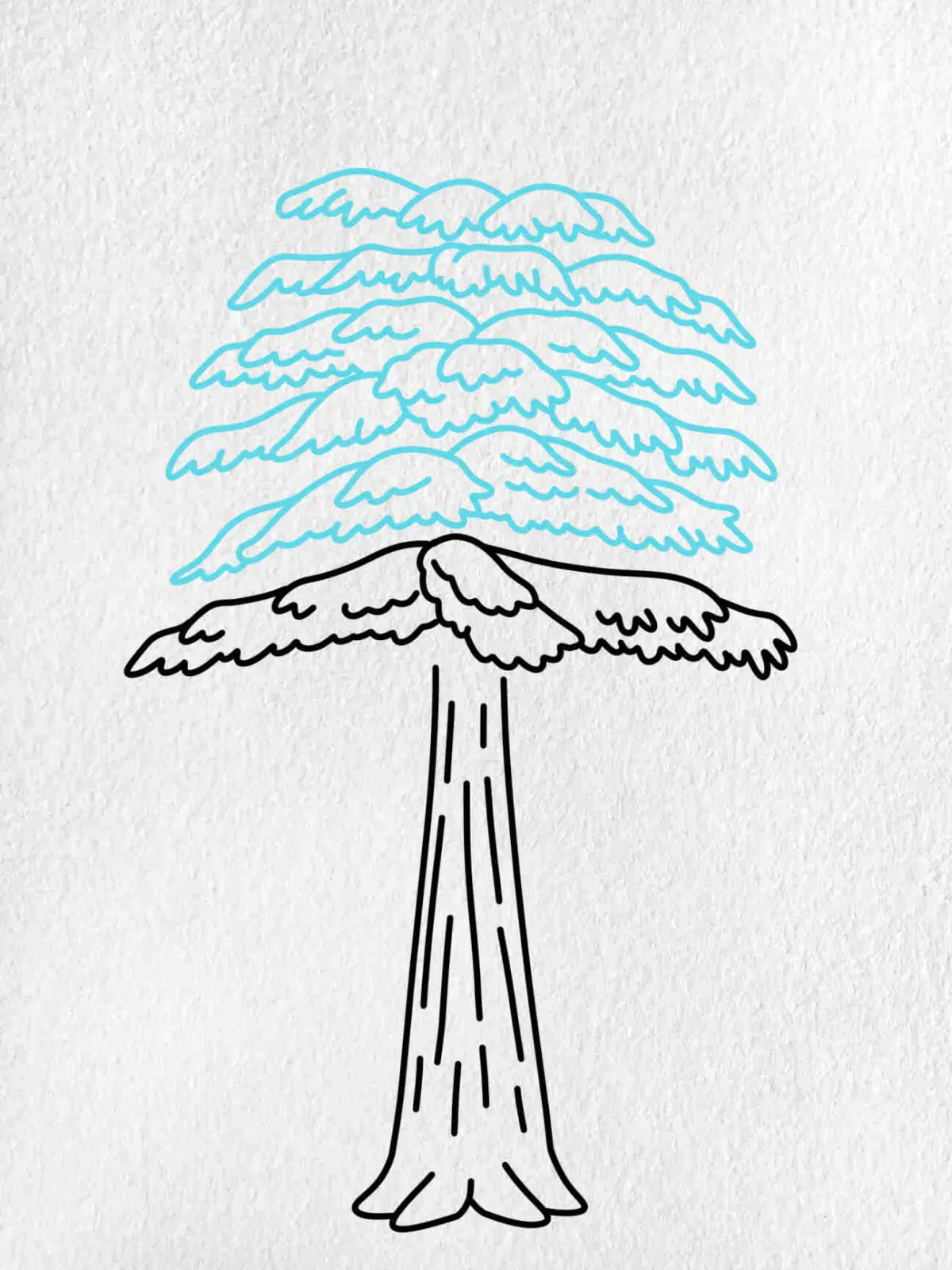
The tallest tree in the world is a coast redwood named Hyperion. Located in a remote area of Redwood National Park in California, it stands at approximately 380 feet (116 meters) tall. Its exact location remains undisclosed to the public to protect the tree and its fragile surrounding ecosystem from human damage.
On this page
Where is the tallest tree located?
Hyperion is situated within the dense, foggy forests of Redwood National Park in Northern California. This region provides the ideal microclimate for Sequoia sempervirens, the coast redwood, which thrives on the moisture provided by coastal fog and mild temperatures. The tree was discovered in August 2006 by naturalists Chris Atkins and Michael Taylor, who used laser rangefinders to confirm its record-breaking height.
Because the tree resides in a deep, rugged canyon, it is shielded from the wind and benefits from the nutrient-rich soil washed down from the slopes. However, the exact coordinates are kept secret by the National Park Service. This measure is intended to prevent foot traffic, which compacts the soil around the roots and damages the delicate ferns and undergrowth that keep the tree's environment stable. Visitors are strictly prohibited from venturing off-trail to search for it.
How tall is the tallest tree?
Hyperion currently stands at about 380 feet, though its precise height can fluctuate slightly due to wind, measurement methods, and the natural growth of the crown. Measuring a tree of this magnitude is a complex scientific process. Researchers typically use laser equipment or climb the tree to drop a weighted tape measure from the highest branch to the ground.
The height of these giants is limited by the physical constraints of water transport. Trees must pull water from their roots to their highest leaves through a process called transpiration. As trees grow taller, the gravitational pull on the water column increases, making it harder for the tree to move moisture to the top. Scientists believe that 400 feet may be the theoretical maximum height for any tree on Earth due to these hydraulic limitations.
Why are coast redwoods so tall?
Coast redwoods are the tallest organisms on the planet because of their unique biological adaptations and their environment. Their bark is thick and fibrous, which protects them from forest fires and insect infestations. Furthermore, their root systems are shallow but exceptionally wide, allowing them to interlock with neighboring trees to provide structural stability against storms.
Several factors contribute to their record-breaking growth:
- Consistent coastal fog provides essential moisture during dry summer months.
- High levels of annual rainfall in Northern California support rapid growth.
- Genetic resilience allows them to recover from physical damage.
- Lack of competition for sunlight in the deep, sheltered canyons.
These factors allow the trees to grow continuously throughout their long lifespans, which can exceed 2,000 years. Unlike many other species, redwoods do not have a set maximum height, provided their environmental conditions remain stable and undisturbed.
How to visit redwood forests responsibly?
If you wish to see the majesty of the world's tallest trees, you can visit several public groves within Redwood National Park and State Parks. While you cannot visit Hyperion, there are many other massive, accessible trees that offer a similar experience. To ensure your visit does not harm the forest, follow these established guidelines:
- Stay on marked trails to avoid compacting the soil around root systems.
- Refrain from touching or carving into the bark of any tree.
- Keep all pets on a leash and strictly within designated areas.
- Pack out all trash to prevent the introduction of non-native substances.
- Use established parking lots rather than pulling over onto fragile vegetation.
Following these steps helps preserve these ancient ecosystems for future generations. The parks are highly sensitive to human impact, and even minor deviations from the path can lead to long-term degradation of the forest floor.
Common mistakes when visiting the redwoods
One of the most frequent mistakes visitors make is underestimating the size of the forest and the time required to navigate it. Many people attempt to see too many sites in a single day, which leads to rushing and accidental off-trail travel. It is better to focus on one or two specific groves, such as Lady Bird Johnson Grove or Stout Grove, to fully appreciate the scale of the trees without feeling pressured.
Another common error is ignoring weather conditions. The coastal environment is unpredictable, and temperatures can drop rapidly when the fog rolls in. Visitors often arrive without layers, leading to discomfort and an early departure. Additionally, many travelers arrive expecting cell phone service, which is almost non-existent in the deep canyons of the park. Always download maps and guides before you enter the park boundaries. By preparing properly, you ensure a safe and respectful experience while observing some of the most impressive natural wonders on the planet.
Key facts
- The tallest tree in the world is a coast redwood (Sequoia sempervirens) named Hyperion.
- Hyperion stands at approximately 380.1 feet (115.92 meters) tall.
- It is located in a remote, undisclosed area of Redwood National Park in California.
- The tree was officially discovered and measured by naturalists Chris Atkins and Michael Taylor on August 25, 2006.
- To protect the tree's fragile root system and surrounding habitat, the National Park Service has officially closed the area to the public.
- Visiting the site is illegal, and violators face significant fines or potential jail time for trespassing in the restricted zone.
The bottom line
The coast redwood known as Hyperion stands as the world’s tallest living tree, reaching an impressive height of over 380 feet. Located within California's Redwood National Park, its exact position remains protected from public access to preserve the delicate forest floor. While it is a marvel of nature, visitors should respect conservation efforts by exploring the park's many designated trails rather than seeking out restricted specimens.
People also ask
How do researchers measure the height of such tall trees?
Scientists typically use professional-grade laser rangefinders and clinometers to calculate height from the ground. For extreme precision, they may climb the tree to drop a weighted tape measure directly from the highest point to the base.
Is Hyperion still growing?
Hyperion is still alive, but its vertical growth has slowed significantly due to woodpecker damage at the very top. Younger redwoods nearby are currently growing faster and may eventually surpass its height.
Are there taller trees than Hyperion?
While historical reports occasionally claim taller specimens, Hyperion remains the tallest officially recognized living tree. Some researchers suspect taller trees may exist in unexplored, inaccessible canyons, but none have been verified.
Why are coast redwoods the tallest trees on Earth?
These trees thrive in the foggy coastal climate of Northern California, which provides consistent moisture. Their unique ability to absorb water through their needles from fog allows them to overcome the physical limits of pumping water to extreme heights.
Can I see Hyperion if I go to Redwood National Park?
No, the exact location of Hyperion is kept secret to prevent environmental degradation and human impact. The park offers many other majestic, accessible old-growth redwoods that provide a similar experience without damaging the ecosystem.
What is the difference between the tallest tree and the largest tree?
The tallest tree is measured by vertical height, while the largest tree is measured by total wood volume. The General Sherman tree, a giant sequoia, holds the record for the largest tree by volume, even though it is shorter than Hyperion.
This answer was created with the help of AI research tools and reference sources. Spotted an error? Let us know — we correct mistakes quickly. See our editorial policy.