What is the largest lake in Canada?
Short answer
Great Bear Lake is the largest lake located entirely within Canada’s borders, covering approximately 31,153 square kilometers in the Northwest Territories. While Lake Superior and Lake Huron are larger, they are shared with the United States. Great Bear Lake remains a pristine, massive body of water known for its extreme northern climate.
On this page
Where is the largest lake in Canada located?
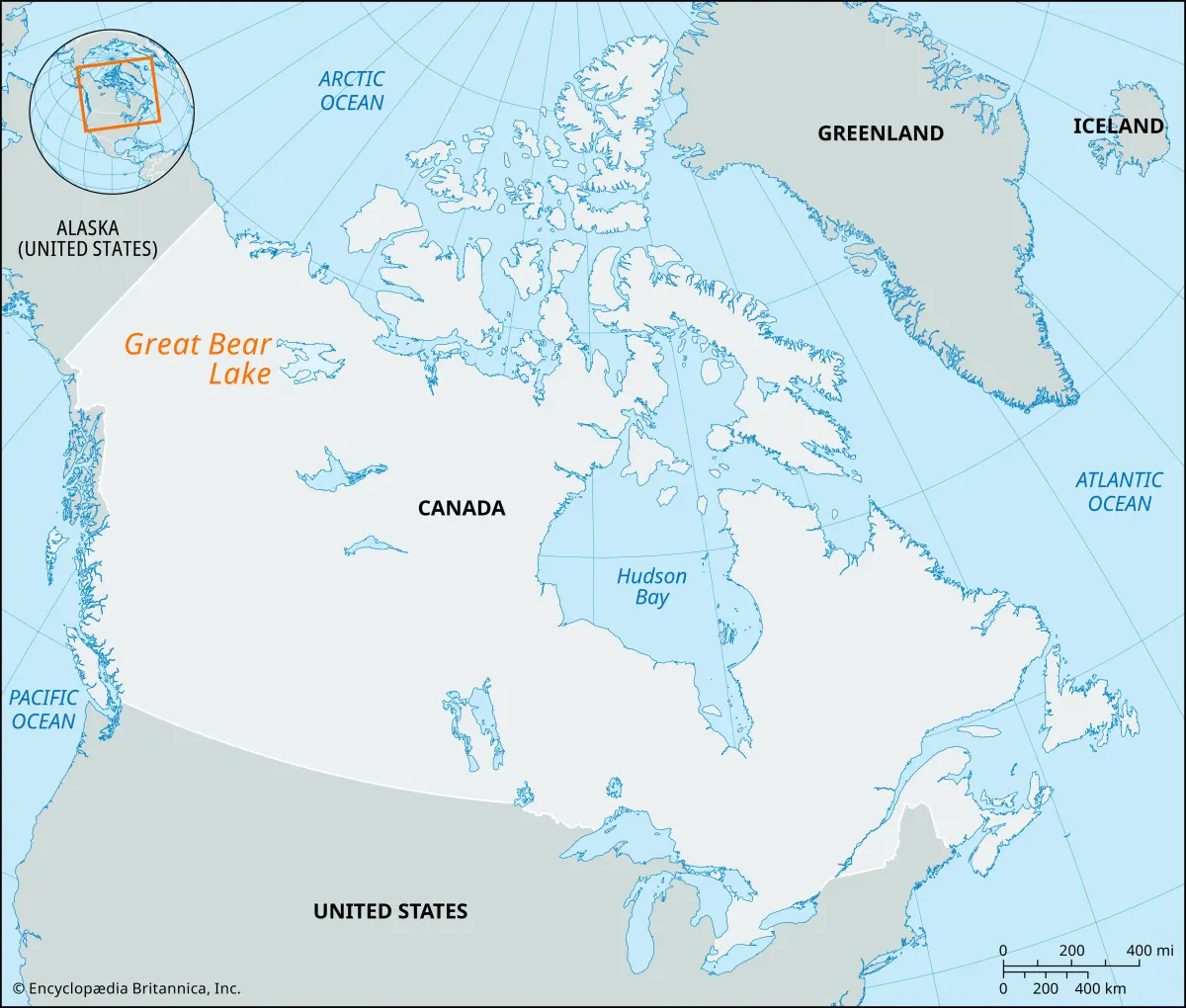
Great Bear Lake is situated in the Northwest Territories, spanning the Arctic Circle. It sits within the Taiga Shield ecozone, characterized by rugged terrain, boreal forests, and vast stretches of tundra. Because of its remote location, the lake is sparsely populated, with the community of Délı̨nę being the primary settlement on its western shore.
The lake acts as a vital geographical feature of the Canadian North, feeding into the Great Bear River, which eventually flows into the Mackenzie River. Its basin was carved by glacial action during the last ice age, leaving behind a complex shoreline with numerous bays and islands. Visitors often find the sheer scale of the landscape overwhelming, as the lake stretches over 300 kilometers in length.
How to visit Great Bear Lake safely
Planning a trip to this region requires significant preparation due to the harsh climate and lack of infrastructure. Most travelers arrive by small aircraft from Yellowknife, as there are no road connections to the southern provinces. It is essential to coordinate with local guides who understand the seasonal shifts in weather and ice conditions.
- Book flights well in advance, as northern air travel is weather-dependent and limited.
- Pack high-quality, layered thermal clothing to handle rapid temperature drops, even in summer.
- Register your travel plans with local authorities or community leaders in Délı̨nę.
- Hire a certified local guide for all excursions to ensure navigation safety and respect for indigenous lands.
Travelers should prioritize safety by carrying satellite communication devices. Cell phone coverage is virtually non-existent outside of the main community, making self-reliance a critical component of any expedition.
Why is Great Bear Lake ecologically significant?
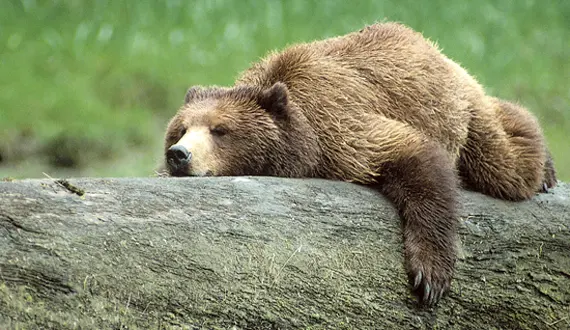
The lake is a centerpiece of the Sahtu Dene culture and remains one of the most pristine freshwater ecosystems in the world. Its cold, deep waters support a variety of fish species, including lake trout, arctic grayling, and northern pike. The surrounding wilderness provides essential habitat for caribou, moose, and grizzly bears, which migrate through the area seasonally.
Conservation efforts are managed through a unique partnership between the Sahtu Dene and the Canadian government. The area is recognized as a biosphere reserve, emphasizing the importance of protecting the watershed from industrial contamination. The water quality is exceptionally high, reflecting the lack of urban development and the slow pace of biological processes in this subarctic environment.
Common mistakes when planning a trip
Many visitors underestimate the time required for travel in the North. A common error is assuming that transportation will be as reliable as it is in major cities. Flight delays due to fog, wind, or ice storms are frequent, and travelers should always build at least two extra days into their itinerary to account for these inevitable logistical challenges.
- Overpacking heavy, non-essential gear that is difficult to transport on small bush planes.
- Underestimating the intensity of the summer sun and the prevalence of insects like black flies.
- Failing to secure necessary permits for fishing or entering specific protected land areas.
- Ignoring the cultural protocols of the local Sahtu Dene people, who have stewarded the land for generations.
Respecting local customs is not just a matter of etiquette; it is a fundamental part of successful travel in the Northwest Territories. Always ask for permission before photographing individuals or sacred sites.
What is the difference between Great Bear and the Great Lakes?
While Great Bear Lake holds the title for the largest lake entirely within Canada, the Great Lakes—Superior, Huron, Erie, Ontario, and Michigan—are collectively larger. However, these are international waters shared between Canada and the United States. Lake Superior is the largest of the Great Lakes, but only a portion of it lies within Canadian territory.
Great Bear Lake is also distinct in its physical characteristics. It remains ice-covered for much of the year, typically from November until July. This creates a much shorter window for boating and research compared to the temperate Great Lakes. Understanding these differences helps clarify why Great Bear Lake is categorized differently in geographical records, serving as a unique example of Canada's vast, northern freshwater resources that remain largely untouched by modern industrialization.
Key facts
- Great Bear Lake is the largest lake located entirely within Canada's borders.
- It covers a surface area of approximately 31,153 square kilometers (12,028 square miles).
- The lake is situated in the Northwest Territories, within the Arctic Circle.
- It reaches a maximum depth of 446 meters, making it one of the deepest lakes in North America.
- The lake remains ice-covered for much of the year, typically from November until July.
- When visiting, always check local weather forecasts as Arctic conditions can change rapidly and unpredictably.
The bottom line
Great Bear Lake stands as Canada’s largest internal lake, offering a pristine and rugged wilderness experience in the Northwest Territories. Spanning over 31,000 square kilometers, it is a vital ecological landmark known for its extreme depth and cold temperatures. For travelers and researchers alike, understanding its remote nature and seasonal accessibility is essential for planning any safe and respectful visit to this vast Arctic treasure.
People also ask
Is Lake Superior the largest lake in Canada?
Lake Superior is larger by surface area, but it is shared between Canada and the United States. Therefore, it is classified as a transboundary lake rather than one located entirely within Canada.
What is the primary outflow of Great Bear Lake?
The Great Bear River serves as the main outflow for the lake. It flows westward to join the Mackenzie River, which eventually empties into the Arctic Ocean.
Can you swim in Great Bear Lake?
While technically possible, the water temperature remains near freezing even in mid-summer. Most visitors wear specialized dry suits or remain on boats to avoid the dangers of hypothermia.
What kind of fish are found in Great Bear Lake?
The lake is famous for its trophy-sized lake trout and Arctic grayling. Many anglers travel to remote lodges here specifically for the world-class sport fishing opportunities.
How do people reach Great Bear Lake?
Access is primarily by air, with scheduled flights serving the community of Délı̨nę on the lake's western shore. There are no permanent road connections to the rest of the Canadian highway system.
Is Great Bear Lake a protected area?
Yes, the lake and its surrounding watershed are protected under the Sahtu Dene and Métis Comprehensive Land Claim Agreement. This ensures the preservation of the ecosystem and traditional indigenous land use.
This answer was created with the help of AI research tools and reference sources. Spotted an error? Let us know — we correct mistakes quickly. See our editorial policy.