Are grizzly bears endangered?
Short answer
Grizzly bears are not classified as a single endangered species globally, though their status varies significantly by region. In the contiguous United States, they are listed as a threatened species under the Endangered Species Act. Conversely, populations in Alaska and Canada remain stable and are not considered endangered or threatened.
On this page
Are grizzly bears endangered in the United States?
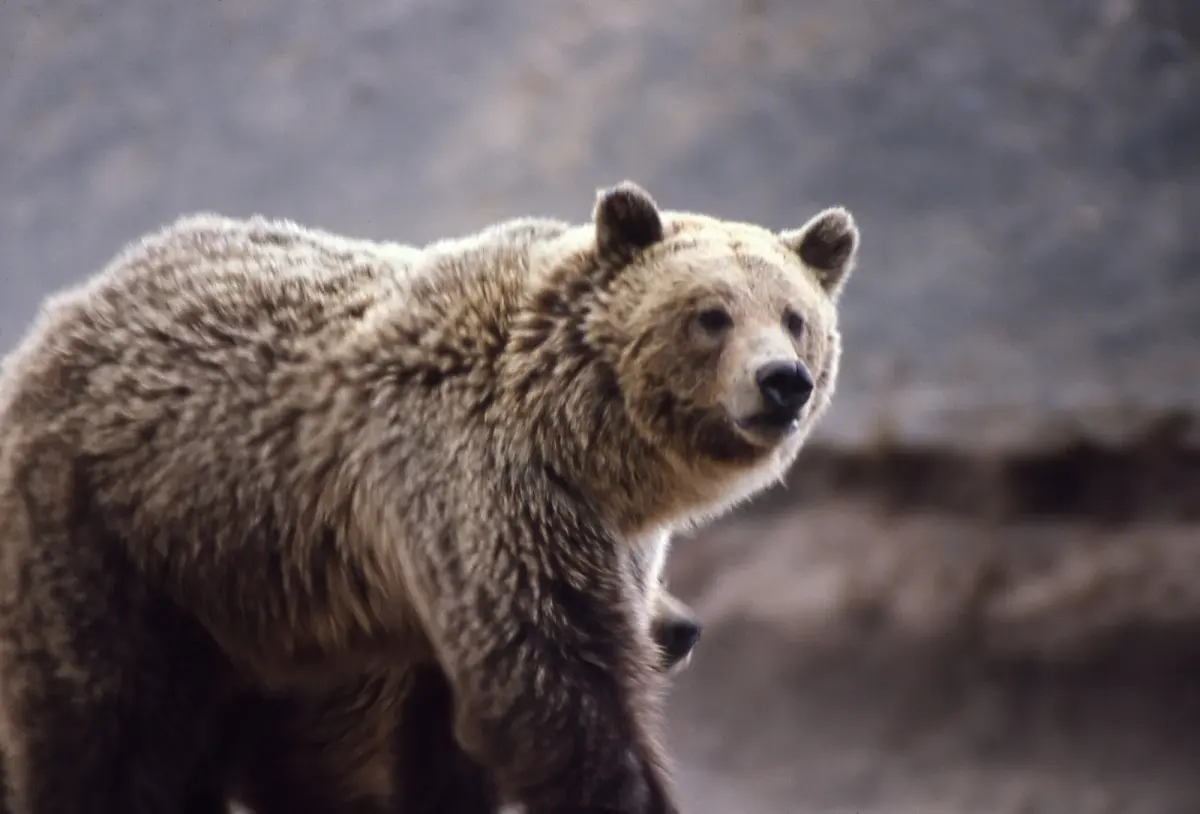
The grizzly bear (Ursus arctos horribilis) is federally protected as a threatened species in the lower 48 states. This classification was established in 1975 when the population had plummeted to fewer than 800 individuals due to habitat loss and unregulated hunting. Today, federal management focuses on recovery efforts in specific ecosystems, such as the Greater Yellowstone and Northern Continental Divide areas.
While recovery efforts have been successful in some regions, the bears remain vulnerable because they reproduce slowly. Females typically do not reach reproductive maturity until age five or six and produce small litters every three years. Because of this low reproductive rate, any significant increase in human-caused mortality can quickly reverse population gains. Consequently, the U.S. Fish and Wildlife Service continues to monitor these populations closely to ensure they remain viable for the long term.
Where do grizzly bears live today?
Grizzly bears once roamed across much of western North America, from the Great Plains to the Pacific Coast. Today, their range is fragmented and largely restricted to remote, mountainous terrain. The vast majority of the North American population resides in Alaska, British Columbia, and the Yukon, where expansive wilderness provides the necessary space for these large mammals to thrive without constant human interference.
In the lower 48 states, the bears are confined to six distinct recovery zones. These areas are primarily located within national parks, wilderness areas, and national forests. The primary populations are found in:
- The Greater Yellowstone Ecosystem (Wyoming, Montana, and Idaho)
- The Northern Continental Divide (Montana)
- The Cabinet-Yaak Ecosystem (Montana and Idaho)
- The Selkirk Ecosystem (Idaho and Washington)
- The Bitterroot Ecosystem (Idaho and Montana)
How do scientists track grizzly bear populations?
Biologists use a variety of sophisticated methods to estimate grizzly bear numbers and monitor their health. Because bears are elusive and cover vast distances, direct observation is often impossible. Instead, researchers rely on non-invasive techniques that provide accurate data without stressing the animals. These methods are essential for determining whether a population is growing, stable, or declining.
Common techniques used by wildlife agencies include:
- DNA analysis: Researchers collect hair samples from "rub trees" or barbed-wire hair snares to identify individual bears and track their movements.
- GPS collaring: A small number of bears are fitted with satellite collars to monitor habitat use and survival rates.
- Aerial surveys: Helicopters are used in open terrain to count bears during the spring when they emerge from dens.
- Remote camera traps: Motion-activated cameras provide visual confirmation of bear activity in remote corridors.
How to stay safe in grizzly bear country?
Recreating in grizzly habitat requires preparation and situational awareness to prevent dangerous encounters. Most conflicts occur when a bear is surprised or feels the need to defend its cubs or a food source. By following established safety protocols, hikers and campers can significantly reduce the risk of a negative interaction.
Follow these steps to minimize your risk:
- Carry bear spray: Keep it in an accessible holster, not inside your backpack, and know how to use it.
- Make noise: Talk, sing, or clap, especially near rushing water or dense brush, to avoid startling a bear.
- Store food properly: Use bear-resistant containers or hang food at least 10 feet high and 4 feet out from a tree trunk.
- Hike in groups: Larger groups are louder and more intimidating to bears than solo hikers.
Common mistakes when visiting bear habitats
One of the most frequent errors visitors make is failing to store attractants correctly. Bears have an extraordinary sense of smell and are opportunistic feeders, meaning they will investigate anything that resembles food. Leaving trash, scented toiletries, or pet food in a tent is a primary cause of habituated behavior in bears. Once a bear associates humans with food, it often becomes a nuisance and may eventually have to be euthanized for public safety.
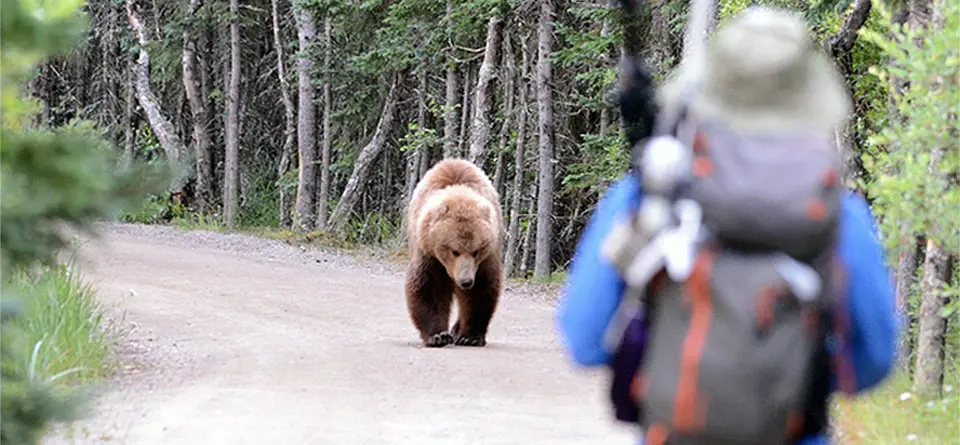
Another common mistake is approaching a bear for a photograph. It is vital to maintain a distance of at least 100 yards from bears at all times. If a bear changes its behavior—such as stopping its activity to watch you or moving toward you—you are too close and must retreat slowly. Never run from a grizzly bear, as this can trigger their predatory chase instinct. Instead, back away slowly while keeping your eyes on the bear, but avoid direct, prolonged eye contact, which can be perceived as an act of aggression.
Key facts
- Grizzly bears are listed as a threatened species under the U.S. Endangered Species Act in the lower 48 states.
- The U.S. Fish and Wildlife Service manages recovery efforts for six distinct grizzly bear ecosystems.
- Populations in the Greater Yellowstone Ecosystem have rebounded significantly, leading to ongoing debates about delisting.
- Grizzly bears are not considered endangered in Alaska, where the population remains stable at approximately 30,000 individuals.
- Carrying bear spray and knowing how to use it is the most effective way to prevent injury during an encounter.
- Never store food or scented items in a tent; always use bear-resistant containers or hang food at least 10 feet high.
The bottom line
While grizzly bears are not extinct, they remain a threatened species in the contiguous United States, requiring ongoing conservation and careful management. Their recovery is a success story of the Endangered Species Act, yet human-wildlife conflict remains a primary challenge. By practicing responsible recreation and respecting bear habitats, humans can coexist with these iconic animals, ensuring their population continues to thrive in the wild for generations.
People also ask
What is the difference between a grizzly bear and a black bear?
Grizzlies are identified by a prominent shoulder hump, a dished facial profile, and longer front claws. Black bears lack the hump and typically have a straighter facial profile and shorter claws.
How many grizzly bears are left in the lower 48 states?
There are estimated to be roughly 2,000 grizzly bears currently living in the contiguous United States. Most of these reside in the Northern Continental Divide and Greater Yellowstone ecosystems.
Can you hunt grizzly bears in the United States?
Hunting grizzly bears is currently prohibited in the lower 48 states due to their protected status. In Alaska, grizzly bear hunting is legal and strictly regulated through state-issued permits.
What should you do if you encounter a grizzly bear?
Stand your ground, speak in a calm, firm voice, and slowly back away without turning your back. If the bear charges, use your bear spray; if it makes contact, drop to the ground and protect your neck and head.
Why are grizzly bears important to the ecosystem?
They act as apex predators and ecosystem engineers, dispersing seeds through their scat and moving nutrients from streams to forests. Their presence helps maintain the health and biodiversity of their habitat.
How do grizzly bears survive the winter?
They enter a state of torpor, a form of light hibernation, during the winter months. They do not eat, drink, or defecate for several months, relying entirely on stored body fat.
This answer was created with the help of AI research tools and reference sources. Spotted an error? Let us know — we correct mistakes quickly. See our editorial policy.