What is mid-century modern design?
Short answer
Mid-century modern is an architectural, interior, and product design movement that flourished in the United States from roughly 1945 to 1969. It emphasizes clean lines, organic forms, minimal ornamentation, and the integration of indoor and outdoor living. The style prioritizes functionality, democratic access to well-designed goods, and innovative use of new materials.
On this page
- What are the key characteristics of mid-century modern design?
- Who are the most famous mid-century modern designers?
- How to identify authentic mid-century modern furniture?
- Common mistakes when decorating in a mid-century modern style?
- Why is mid-century modern design still popular today?
- Key facts
- People also ask
What are the key characteristics of mid-century modern design?
The movement is defined by a commitment to "form follows function," a principle popularized by architects like Ludwig Mies van der Rohe. Designers sought to strip away the heavy, ornate details of the Victorian and Edwardian eras, favoring instead a sleek, minimalist aesthetic. This approach was driven by the post-World War II need for affordable, mass-producible housing and furniture that could fit into smaller, modern suburban homes.
Key features of the aesthetic include:
- Clean, geometric lines with minimal surface decoration.
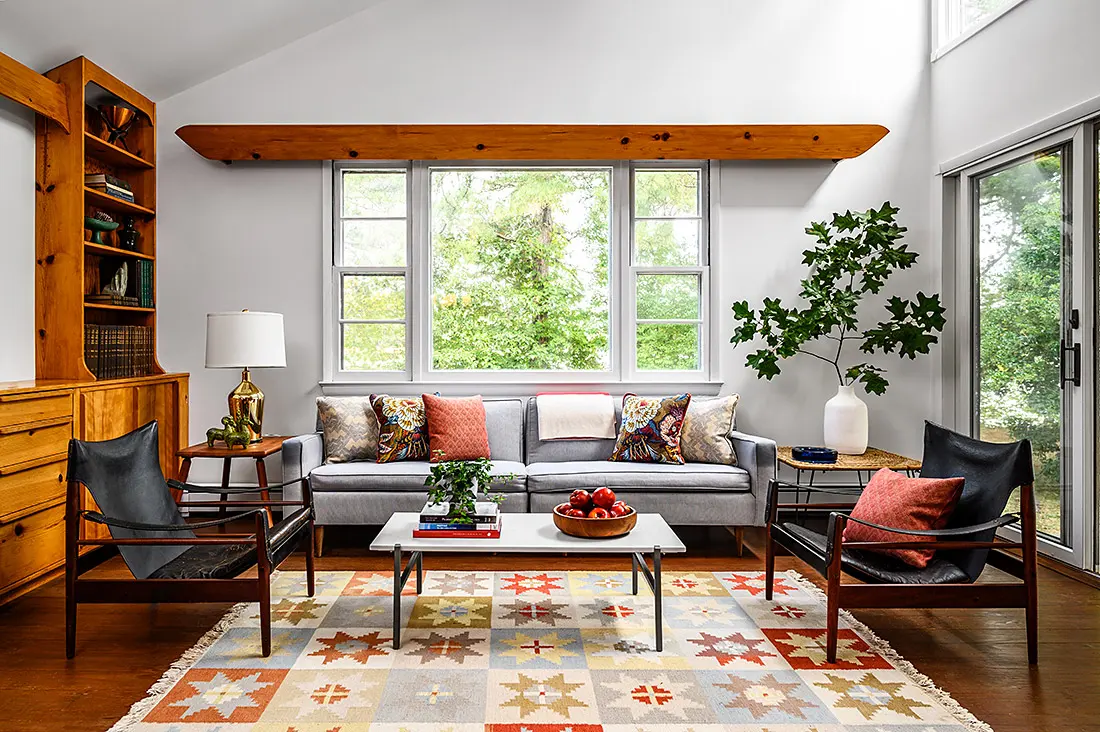
- The use of contrasting materials, such as pairing wood with metal or glass.
- An emphasis on organic, sculptural shapes, particularly in chair and table design.
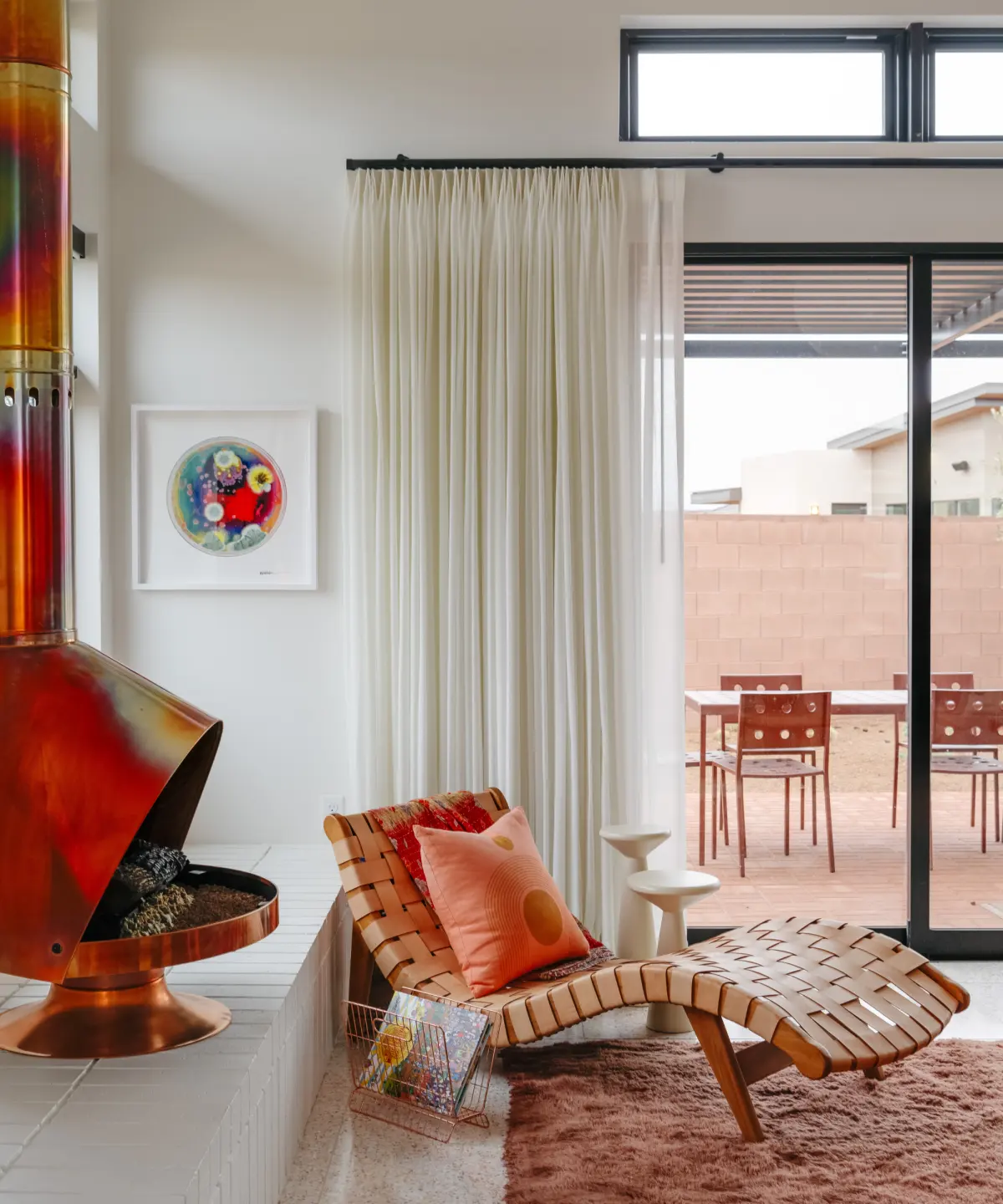
- Large floor-to-ceiling windows that blur the boundary between interior spaces and the natural landscape.
- A vibrant color palette that balances neutral tones with bold, saturated accents like mustard yellow, olive green, or burnt orange.
Who are the most famous mid-century modern designers?
The period was defined by a small group of visionary architects and industrial designers who transformed how people lived. Charles and Ray Eames are perhaps the most recognizable figures, known for their groundbreaking work with molded plywood and fiberglass. Their Eames Lounge Chair, introduced in 1956, remains an iconic symbol of the era’s blend of comfort and industrial innovation.
Other essential figures include:
- George Nelson, who designed the iconic Ball Clock and Marshmallow Sofa.
- Eero Saarinen, the architect behind the TWA Flight Center and the Tulip Chair.
- Hans Wegner, a Danish master whose furniture emphasized craftsmanship and ergonomic comfort.
- Arne Jacobsen, who created the Egg and Swan chairs for the SAS Royal Hotel in Copenhagen.
- Florence Knoll, who brought a disciplined, architectural approach to office and residential furniture design.
How to identify authentic mid-century modern furniture?
Distinguishing between original pieces and modern reproductions requires a keen eye for construction details and historical context. Authentic pieces from the 1950s and 1960s often feature specific manufacturing marks, such as a metal tag, a branded stamp, or a paper label underneath the seat or frame. Collectors look for high-quality joinery, such as dovetail joints, rather than staples or excessive glue.
To verify the authenticity of a piece, follow these steps:
- Research the manufacturer, such as Herman Miller or Knoll, which held the rights to many classic designs.
- Inspect the materials to ensure they align with the era, such as teak, walnut, rosewood, or early plastics.
- Check for signs of natural aging, including the patina on wood or the specific wear patterns on upholstery.
- Compare the dimensions and proportions against original archival catalogs or reputable design databases.
- Seek out a professional appraiser if the piece appears to be a rare or high-value prototype.
Common mistakes when decorating in a mid-century modern style?
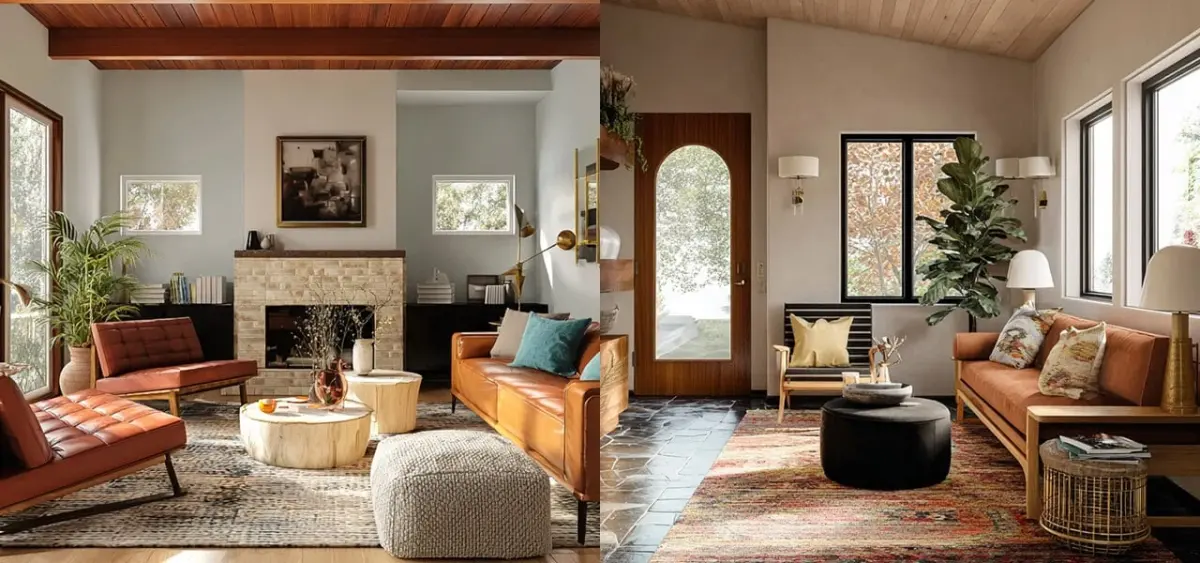
One of the most frequent errors is creating a "museum look" by filling a room entirely with period-accurate furniture. This approach often makes a home feel cold, static, and uncomfortable rather than lived-in. Instead, designers recommend mixing vintage finds with contemporary pieces to add depth and personal character to the space. Another common mistake is ignoring the importance of negative space; mid-century design relies on open areas to highlight the silhouette of individual furniture pieces.
Avoid these pitfalls to maintain a balanced look:
- Overcrowding a room with too many statement pieces, which creates visual clutter.
- Using overly ornate rugs or heavy window treatments that clash with the clean lines of the furniture.
- Neglecting the lighting, as mid-century modern homes rely on a mix of task, ambient, and sculptural accent lighting.
- Forgetting to incorporate plants, which were essential for connecting the interior to the outdoors during the movement.
- Prioritizing style over comfort, as the best mid-century pieces were designed to be both beautiful and ergonomic.
Why is mid-century modern design still popular today?
The enduring appeal of this movement lies in its timeless versatility and its focus on human-centric design. Because the furniture is typically smaller in scale and features tapered legs that reveal the floor, it makes rooms appear larger and more open. This makes it an ideal choice for modern urban apartments and smaller homes where maximizing space is a priority. Furthermore, the emphasis on quality craftsmanship ensures that these pieces remain durable and functional decades after their initial production.
Beyond aesthetics, the movement resonates because it represents an optimistic, forward-looking era of design history. By prioritizing simplicity and utility, it offers a refreshing alternative to the complex, high-maintenance styles that preceded it. As sustainability becomes a greater concern, the longevity of mid-century furniture—which is often easily restored or reupholstered—aligns perfectly with modern values. By investing in these classic designs, homeowners are not just decorating; they are participating in a legacy of innovation that continues to shape contemporary living spaces across the globe.
Key facts
- Mid-century modern design refers to the architectural, interior, and product design styles that were popular in the United States from roughly 1945 to 1969.
- The movement emphasizes "form follows function," prioritizing clean lines, organic shapes, and a lack of unnecessary ornamentation.
- Iconic materials of the era include molded plywood, fiberglass, plastic, steel, and vinyl, often paired with natural wood like teak or walnut.
- Key designers include Charles and Ray Eames, George Nelson, Eero Saarinen, and Arne Jacobsen, who sought to make high-quality design accessible to the masses.
- To achieve the look, balance neutral wall colors with bold, saturated accent colors like mustard yellow, olive green, or burnt orange.
- A common mistake is cluttering the space; mid-century modern relies on open floor plans and curated, minimalist decor to maintain its airy, functional aesthetic.
The bottom line
Mid-century modern design remains a hallmark of 20th-century innovation, blending industrial efficiency with organic, human-centered aesthetics. By focusing on functional simplicity, high-quality materials, and a seamless connection to nature, this style creates spaces that feel both timeless and airy. Whether you are collecting vintage originals or sourcing modern reproductions, the goal is to curate a home that prioritizes comfort, clarity, and purposeful, uncluttered living.
People also ask
How can I identify authentic mid-century modern furniture?
Look for maker’s marks or labels on the underside of chairs and tables, which often indicate the manufacturer or designer. Authentic pieces from the era typically feature high-quality joinery and specific materials like solid teak or bent plywood rather than modern particleboard.
Is mid-century modern the same as Scandinavian design?
While they share many similarities, such as a focus on minimalism and natural wood, Scandinavian design is rooted in the Nordic climate and traditions. Mid-century modern is a broader, mid-20th-century American-led movement that more frequently incorporates industrial materials like chrome and plastic.
What are the best flooring options for this style?
Hardwood floors, particularly in warm-toned species like oak or walnut, are the gold standard for this aesthetic. If you prefer area rugs, choose geometric patterns or high-pile shag rugs to add texture without overwhelming the clean lines of the furniture.
Should I paint my walls white to fit the style?
White or off-white walls are excellent for creating the bright, open feeling typical of the era. However, you can also use a "feature wall" with a muted earth tone or subtle wallpaper featuring abstract, atomic-age patterns to add visual interest.
Can I mix modern pieces with mid-century furniture?
Yes, the style is highly adaptable and pairs well with contemporary decor if you maintain a consistent color palette. The key is to ensure the proportions of your modern items do not clash with the lower-profile, sleek silhouettes of the mid-century pieces.
Why is mid-century modern furniture often so low to the ground?
Designers of the era focused on creating furniture with a low profile to emphasize horizontal lines and make rooms feel more spacious. This design choice also reflected a shift toward more casual, relaxed living environments compared to the formal, upright furniture of earlier decades.
This answer was created with the help of AI research tools and reference sources. Spotted an error? Let us know — we correct mistakes quickly. See our editorial policy.