What is Kyoto known for?
Short answer
Kyoto is world-renowned as the cultural and historical heart of Japan. It served as the nation’s imperial capital for over a millennium, from 794 to 1868. Today, the city is famous for its 17 UNESCO World Heritage sites, traditional wooden architecture, refined kaiseki cuisine, and the iconic geisha districts of Gion.
On this page
Why is Kyoto famous for temples and shrines?
Kyoto houses approximately 1,600 Buddhist temples and 400 Shinto shrines, reflecting its long tenure as the seat of the Japanese Emperor. These sites are not merely historical relics; they remain active centers of religious practice and community life. The architecture ranges from the gold-leaf-covered Kinkaku-ji to the minimalist Zen rock gardens of Ryoan-ji. These structures were largely spared from the aerial bombings of World War II, preserving centuries of craftsmanship and design.
The city’s religious landscape is diverse, blending Shinto traditions—which focus on nature and spirits—with Buddhist philosophies imported from mainland Asia. Visitors often prioritize the following iconic locations:
- Fushimi Inari-taisha: Famous for its thousands of vibrant vermilion torii gates winding up a forested mountain.
- Kiyomizu-dera: A massive wooden temple built without nails, offering panoramic views of the city from its famous veranda.
- Ginkaku-ji: Known as the Silver Pavilion, it features one of the most meticulously maintained moss gardens in Japan.
How to experience traditional Kyoto culture?
Kyoto remains the epicenter of traditional Japanese arts, including the tea ceremony, flower arranging, and calligraphy. The Gion district is the most famous area to witness the world of geiko (Kyoto’s term for geisha) and maiko (apprentices). These highly trained performers preserve centuries-old music, dance, and etiquette. Engaging with these arts provides a window into the refined aesthetic values that have defined Japanese high society for generations.
To immerse yourself in these traditions, consider these practical options:
- Book a private tea ceremony session in a traditional machiya townhouse to learn the precise movements of the ritual.
- Visit a local craft workshop to try your hand at yuzen silk dyeing, a technique perfected in Kyoto for decorating kimonos.
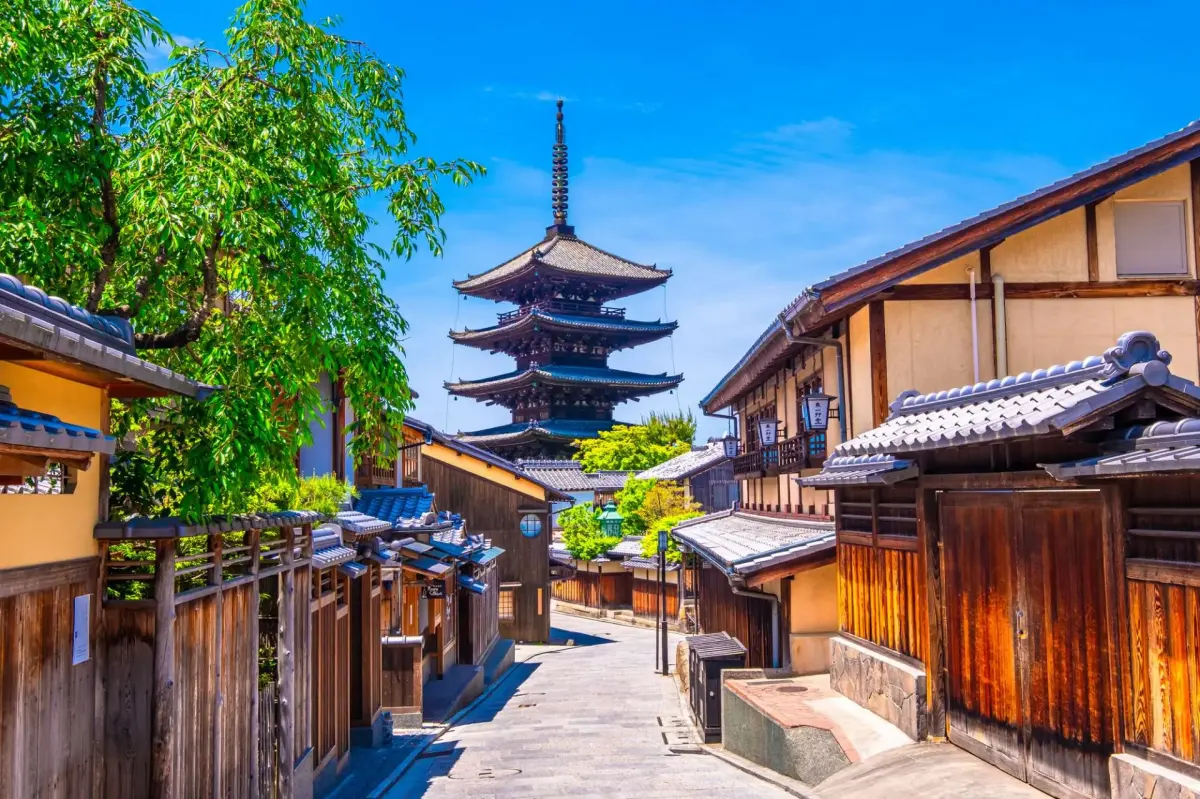
- Walk through the Higashiyama district at dusk to appreciate the preserved wooden buildings and stone-paved streets that evoke the atmosphere of the Edo period.
Best time of year to visit Kyoto?
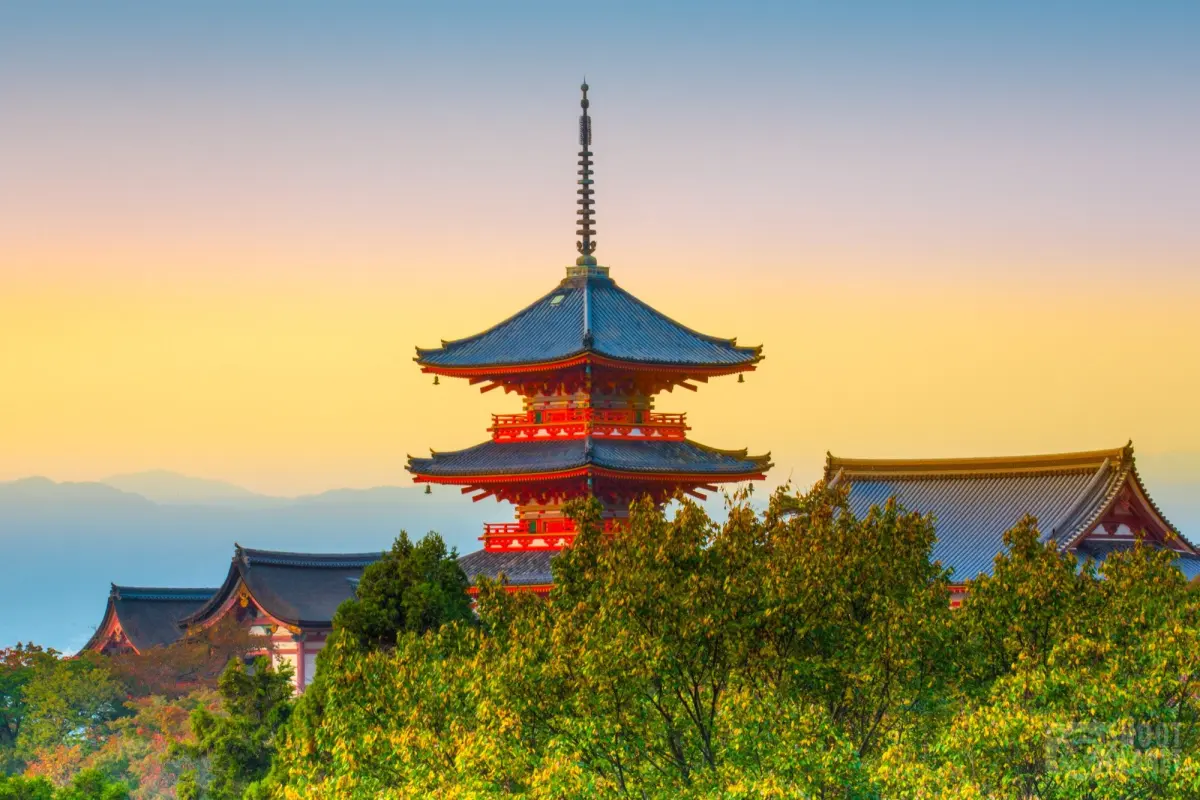
Kyoto is a seasonal city, with its beauty changing dramatically throughout the year. Spring, specifically from late March to early April, is the peak season for cherry blossom viewing, known as hanami. During this time, the city’s parks and temple grounds are blanketed in soft pink petals. Autumn, spanning from mid-November to early December, is equally popular as the Japanese maples turn vibrant shades of crimson and gold, creating a striking contrast against the dark wooden temples.
While these seasons offer the most picturesque scenery, they also draw significant crowds. If you prefer a quieter experience, consider visiting during the following periods:
- Late January to February: The winter air is crisp and cold, but the temples are peaceful and often dusted with light snow.
- Early June: This period marks the end of the spring rush before the humid summer heat arrives, offering lush greenery and fewer tourists.
Common mistakes when visiting Kyoto?
Many travelers underestimate the scale of the city and the time required to navigate between sites. Kyoto is not a compact city; its famous landmarks are spread across different districts, often requiring bus or train transfers. A common error is attempting to visit too many temples in a single day, which leads to "temple fatigue" and prevents a meaningful appreciation of the sites. Furthermore, visitors often forget that many temples close by 4:30 or 5:00 PM, making early starts essential.
To optimize your trip and avoid unnecessary frustration, keep these tips in mind:
- Do not rely solely on taxis, as traffic can be heavy during peak tourist seasons; utilize the efficient subway and bus network instead.
- Avoid taking photographs of geiko or maiko without permission, as this is considered intrusive and disrespectful to their work.
- Remember to remove your shoes when entering temple interiors or traditional dining establishments, as wearing indoor slippers or socks is mandatory.
What is Kyoto known for in food?
Kyoto’s culinary reputation is built on kaiseki, a sophisticated multi-course meal that emphasizes seasonality, artistic presentation, and local ingredients. This style of cooking originated from the tea ceremony and has evolved into one of the world’s most refined dining experiences. Beyond high-end dining, the city is famous for its tofu, yuba (tofu skin), and matcha green tea produced in the nearby Uji region. These ingredients reflect the city’s Buddhist heritage, which historically favored plant-based diets.
When exploring Kyoto’s food scene, you should try these local specialties:
- Nishiki Market: Known as "Kyoto’s Kitchen," this five-block-long shopping street offers a variety of local snacks like pickled vegetables and grilled seafood.
- Matcha sweets: From soft-serve ice cream to traditional wagashi cakes, the Uji matcha flavor is ubiquitous throughout the city.
- Shojin ryori: This is traditional Buddhist vegetarian cuisine, often served at temples, featuring seasonal vegetables, wild mountain plants, and various preparations of soy.
Key facts
- Kyoto served as the imperial capital of Japan for over 1,000 years, from 794 until 1868.
- The city is home to 17 UNESCO World Heritage sites, collectively known as the Historic Monuments of Ancient Kyoto.
- Kinkaku-ji, the Golden Pavilion, is a Zen temple whose top two floors are completely covered in gold leaf.
- Fushimi Inari-taisha is famous for its thousands of vermilion torii gates that wind up a wooded mountain.
- Gion is the city's most famous geisha district, characterized by traditional wooden merchant houses called machiya.
- When visiting temples, always remove your shoes when entering wooden buildings and avoid taking photos where prohibited.
The bottom line
Kyoto remains the cultural heart of Japan, offering a profound glimpse into the country’s imperial history and spiritual traditions. From the shimmering Golden Pavilion to the serene bamboo groves of Arashiyama, the city balances ancient preservation with modern accessibility. By respecting local customs, planning your itinerary to avoid peak crowds, and embracing the slow pace of traditional tea culture, you can fully experience its timeless beauty.
People also ask
What is the best time of year to visit Kyoto?
Spring, specifically late March to early April, is popular for cherry blossoms, while late November is peak season for vibrant autumn maple leaves. Both periods are crowded, so booking accommodation months in advance is essential.
How do I get around the city efficiently?
Kyoto has an extensive bus network and two subway lines that reach most major tourist sites. Purchasing a one-day bus and subway pass is the most cost-effective way to navigate the city.
What is the proper etiquette for visiting shrines and temples?
Bow slightly at the entrance gate and purify your hands at the water pavilion before approaching the main hall. Keep your voice low, respect prayer areas, and never touch the altars or statues.
Are there any common mistakes to avoid when visiting?
A major mistake is trying to see too many sites in one day, which leads to exhaustion and missed details. Additionally, avoid eating while walking in public, as it is considered impolite in Japanese culture.
What local foods should I try?
Kyoto is famous for kaiseki, a traditional multi-course haute cuisine that emphasizes seasonal ingredients. You should also sample matcha-flavored sweets and yuba, which is delicate tofu skin.
Can I take photos of geisha in Gion?
Photography is strictly prohibited on private streets in the Gion district to protect the privacy and work of geiko and maiko. Respect local signage and avoid blocking the path of performers.
This answer was created with the help of AI research tools and reference sources. Spotted an error? Let us know — we correct mistakes quickly. See our editorial policy.