What do bald eagles eat?
Short answer
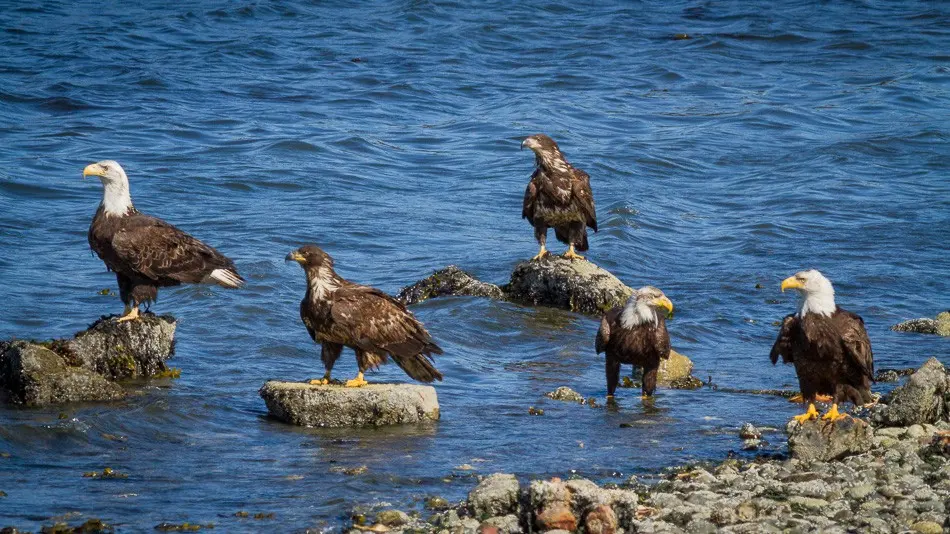
Bald eagles are opportunistic carnivores that primarily hunt fish, which make up the bulk of their diet. They also scavenge carrion, hunt small mammals, and occasionally capture waterfowl. These raptors are highly adaptable, adjusting their food intake based on seasonal availability and the specific habitats where they reside throughout North America.
On this page
What do bald eagles eat in the wild?
Bald eagles are opportunistic feeders, meaning they consume whatever high-protein food source is most readily available in their environment. While they are famously associated with fishing, their diet is remarkably diverse and changes significantly depending on the time of year and the geography of their nesting grounds. Fish remains the preferred staple, but these birds are frequently seen patrolling shorelines for other easy meals.
The primary components of a bald eagle's diet include:
- Freshwater and saltwater fish, such as salmon, trout, catfish, and suckers.
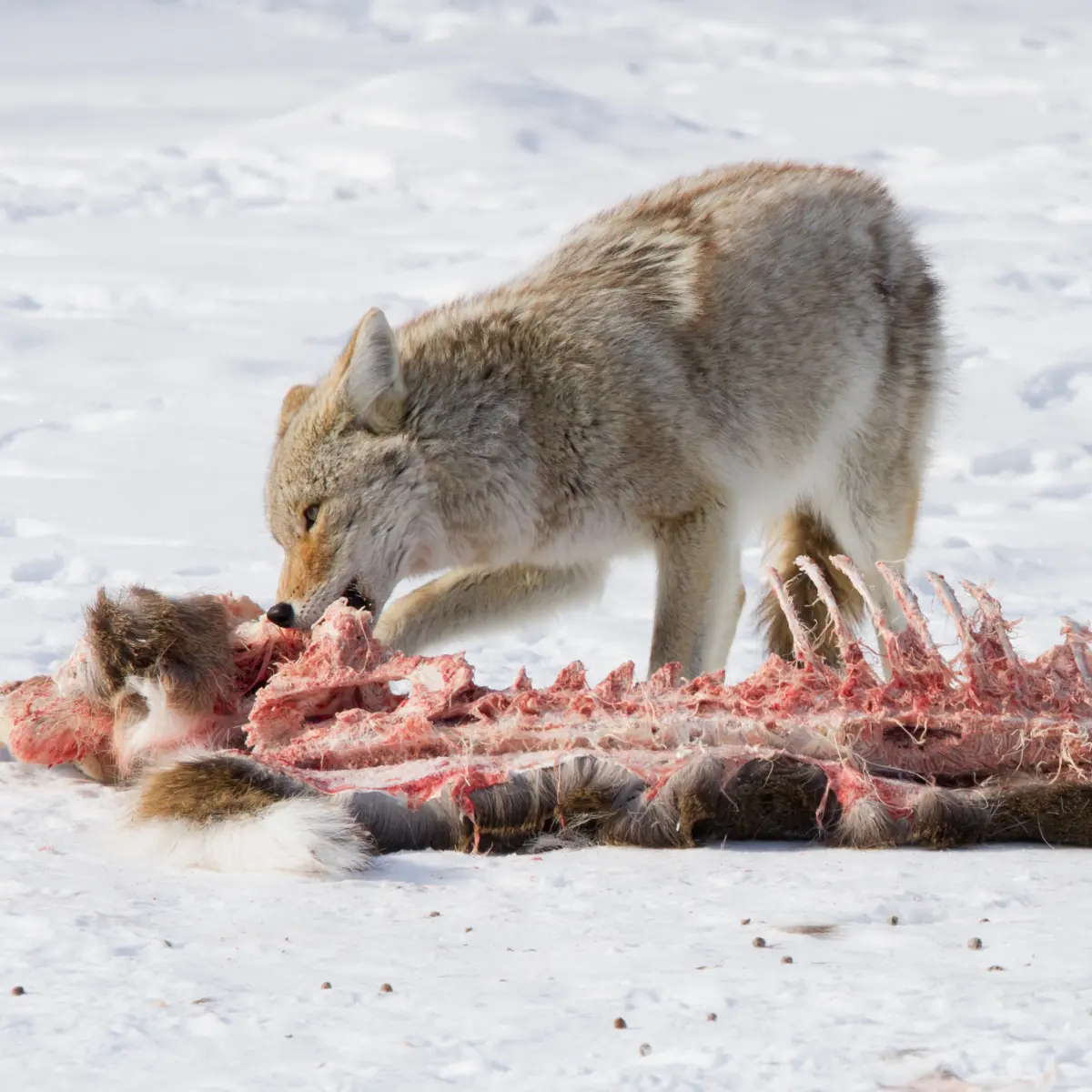
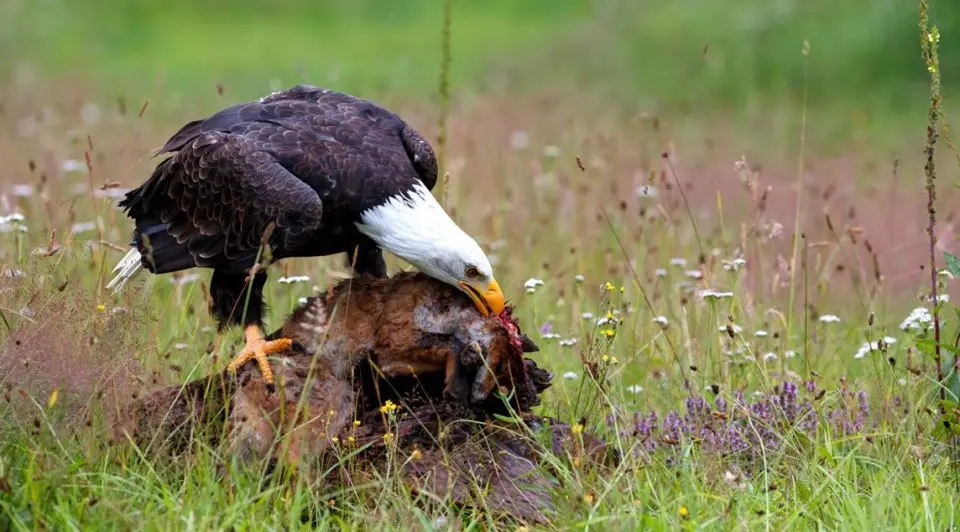
- Carrion, including roadkill or carcasses washed up on beaches.
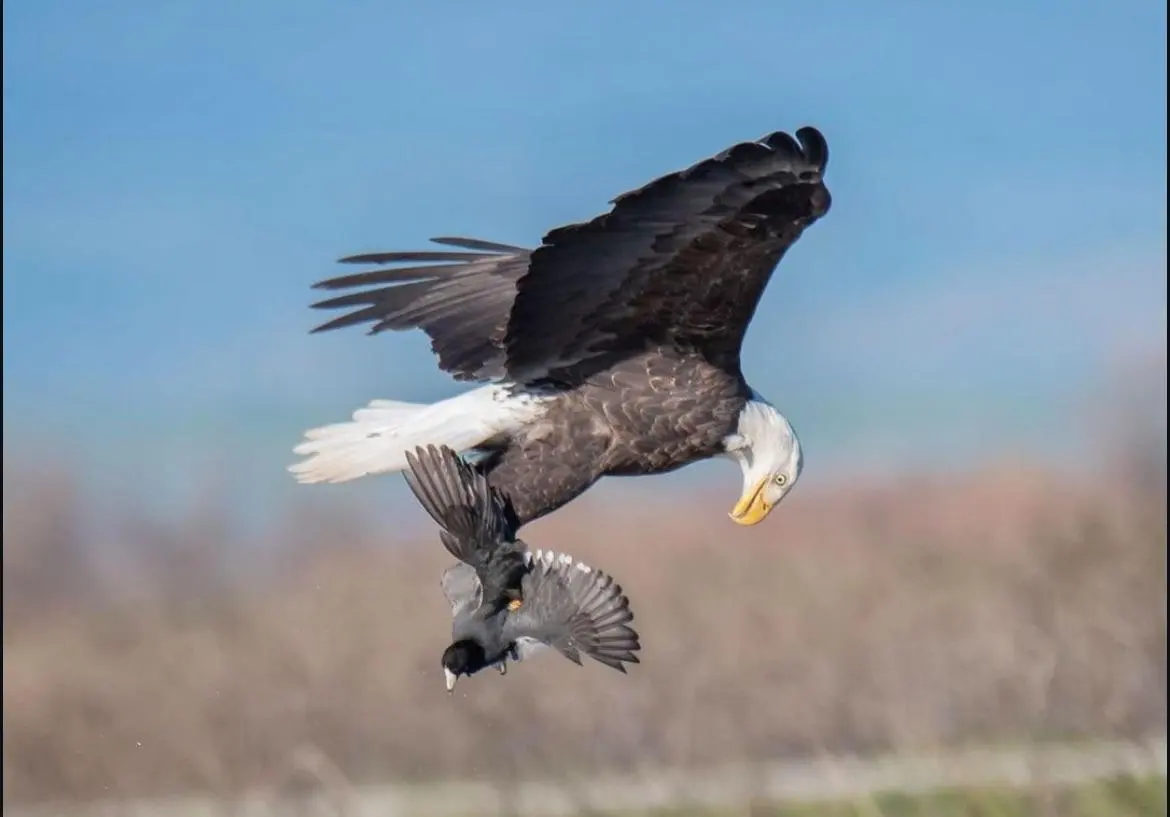
- Waterfowl, such as ducks, coots, and geese, particularly during winter months.
- Small mammals, including rabbits, squirrels, and muskrats.
- Crustaceans and amphibians, such as crabs or frogs, when larger prey is scarce.
Their hunting strategy often involves perching on high vantage points to spot movement in the water. Once prey is sighted, they swoop down with incredible speed, using their powerful talons to snatch the target from the surface. Because they are not strictly predators, they spend a significant amount of time scavenging, which allows them to conserve energy that would otherwise be spent on active hunting.
How do bald eagles hunt for food?
Bald eagles employ a variety of hunting techniques to secure their prey. Their most common method is the "strike," where the eagle flies low over the water and uses its feet to grab fish near the surface. They do not typically dive deep underwater like an osprey; instead, they rely on their keen eyesight to spot fish swimming near the top. This efficiency makes them masters of energy conservation.
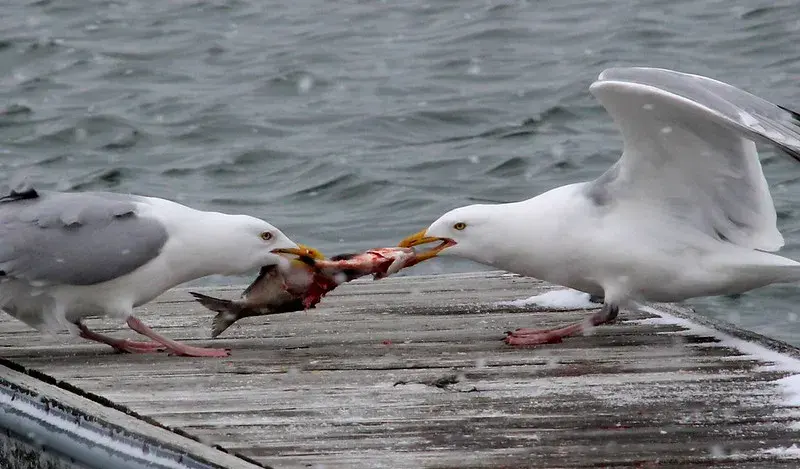
Beyond active hunting, bald eagles are notorious kleptoparasites. This means they frequently steal food from other birds, such as ospreys or gulls. If an osprey catches a large fish, a bald eagle may harass it until the osprey drops its prize, allowing the eagle to swoop in and claim the meal. This behavior is common in areas where multiple raptor species congregate, such as coastal estuaries or large river systems.
- Locate a high perch overlooking a body of water.
- Scan the surface for ripples, shadows, or movement.
- Launch into a glide or powered flight toward the target.
- Extend talons forward just before contact to secure the prey.
- Carry the catch to a safe, secluded location to feed.
Why do bald eagles eat carrion?
Scavenging is a vital survival strategy for bald eagles, especially during the harsh winter months when frozen lakes and rivers make fishing difficult. Carrion provides a calorie-dense meal without the physical exertion required for a hunt. In many regions, eagles congregate around animal carcasses, such as deer that have died from natural causes or road collisions, to feed in groups.
This behavior is not a sign of weakness but rather a testament to their intelligence and adaptability. By relying on dead animals, eagles can survive periods of low prey availability. It is common to see multiple eagles sharing a single carcass, a rare instance of social tolerance for these generally territorial birds. This scavenging habit also plays an important ecological role, as it helps clean up the environment by removing decaying organic matter.
Common mistakes when observing bald eagles
Many wildlife enthusiasts make the mistake of approaching bald eagles too closely while they are feeding. These birds are sensitive to human presence and will often abandon a high-quality meal if they feel threatened. When an eagle is forced to fly away from its food, it wastes precious energy, which can be detrimental during cold weather or the demanding nesting season.
Another common error is assuming that a bald eagle is only interested in live prey. Observers often mistakenly believe that an eagle seen on the ground near a carcass is injured or sick. In reality, the bird is likely just enjoying a scavenged meal. To observe them responsibly, always maintain a significant distance, use high-quality binoculars or a spotting scope, and never attempt to offer food, as human-provided sustenance can lead to dependency and dangerous interactions.
How does the season affect their diet?
The diet of a bald eagle is highly seasonal. During the spring and summer, when fish are spawning and waterfowl are raising their young, eagles have an abundance of fresh, live prey. This is the period when they are most active hunters, as they must provide a steady stream of food for their growing eaglets in the nest.
As winter approaches, the availability of these resources shifts dramatically. As waters freeze, fish become harder to reach, and many smaller mammals hibernate. During this time, eagles often migrate toward open water or areas where human activity provides consistent food sources, such as fishing piers or landfills. This seasonal flexibility is a key reason why the species has successfully recovered across North America. By shifting their focus from active hunting to scavenging, they ensure their survival through the most challenging months of the year, maintaining their position as one of the continent's most resilient and successful avian predators.
Key facts
- Bald eagles are opportunistic predators that primarily hunt fish, which make up about 50 to 90 percent of their diet.
- They frequently steal food from other birds, such as ospreys, in a behavior known as kleptoparasitism.
- During winter months, eagles often scavenge on carrion, including deer carcasses and livestock remains, to conserve energy.
- An adult bald eagle typically requires about 0.5 to 1 pound of food per day to maintain its body weight.
- They possess powerful talons capable of exerting up to 400 pounds of pressure per square inch to secure slippery prey.
- Avoid leaving pet food or unsecured trash outdoors in eagle habitats, as these can attract eagles and lead to dangerous human-wildlife encounters.
The bottom line
Bald eagles are highly adaptable predators that rely heavily on fish but readily pivot to scavenging or hunting small mammals when necessary. By utilizing both their impressive aerial hunting skills and opportunistic scavenging habits, they maintain their health across diverse environments. Understanding their dietary flexibility helps observers appreciate how these powerful raptors thrive in the wild while highlighting the importance of keeping human spaces secure from wildlife.
People also ask
Do bald eagles hunt small mammals?
Yes, they frequently prey on rabbits, squirrels, and muskrats, especially when fish are scarce. They are also known to hunt waterfowl like ducks and geese.
Are bald eagles dangerous to small pets?
While rare, bald eagles may target small dogs or cats if they are left unattended in open areas. Owners should supervise small pets in regions with high eagle populations.
Do bald eagles eat human food?
They are scavengers and may consume discarded human food or trash if it is easily accessible. However, human food is not nutritionally appropriate and can cause health issues for raptors.
How do bald eagles catch fish?
They soar above the water and use their keen eyesight to spot movement near the surface. Once a target is identified, they swoop down and snatch the fish with their talons.
Do bald eagles eat snakes?
Yes, they occasionally consume reptiles, including various species of snakes and turtles. These items are typically eaten when primary food sources are less available.
Do bald eagles share their food?
Generally, they are solitary feeders and often defend their kills from other eagles. However, mated pairs may share food during the nesting season to support their young.
This answer was created with the help of AI research tools and reference sources. Spotted an error? Let us know — we correct mistakes quickly. See our editorial policy.