What is a baby sheep called?
Short answer
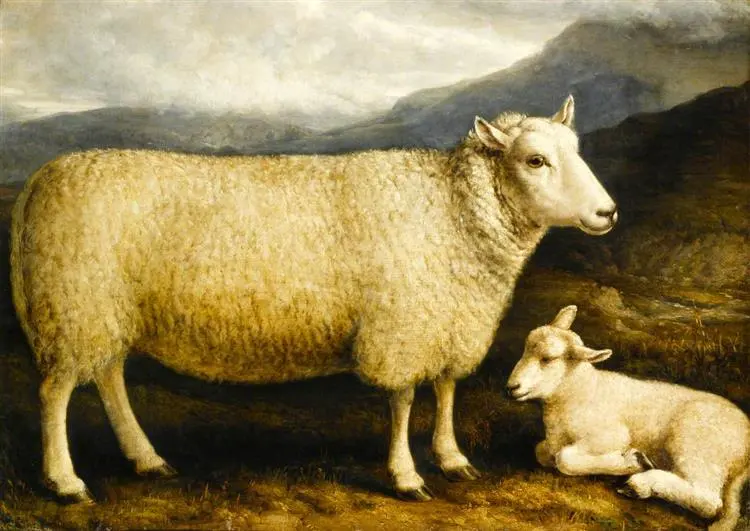
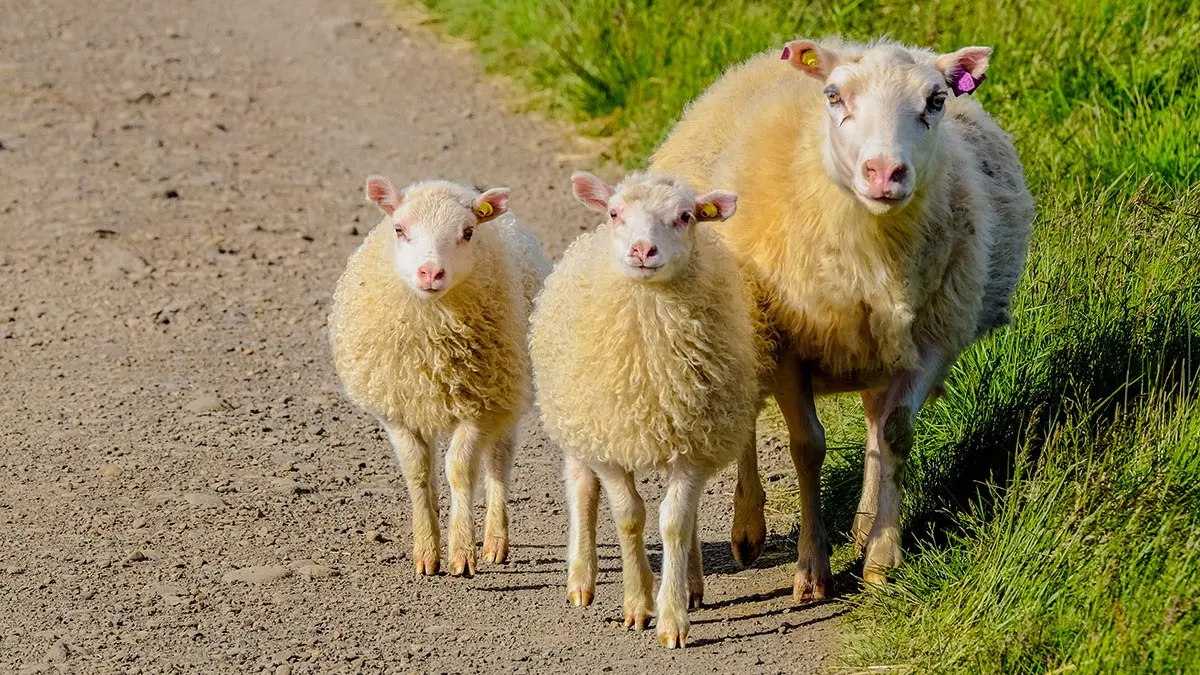
A baby sheep is called a lamb. This term applies from birth until the animal reaches one year of age. After its first birthday, a female is typically referred to as a ewe, while an intact male is called a ram and a castrated male is known as a wether.
On this page
What is a lamb?
A lamb is the scientific and agricultural term for a juvenile sheep that has not yet reached its first birthday. During this early stage of life, the animal is characterized by rapid growth, high energy levels, and a reliance on its mother for nutrition. Lambs are born after a gestation period of approximately five months, typically weighing between 5 and 12 pounds depending on the breed.
As they mature, lambs undergo significant physiological changes, including the development of permanent teeth and the hardening of their skeletal structure. In the livestock industry, the term lamb also refers to the meat produced from these young animals, which is prized for its tenderness and mild flavor compared to the meat of older sheep, known as mutton. Understanding these distinctions is essential for both farmers and consumers who seek to identify the age and quality of the animal products they manage or purchase.
How to care for a newborn lamb
Caring for a newborn lamb requires immediate attention to ensure the animal survives its first few hours of life. The most critical step is ensuring the lamb receives colostrum, the nutrient-rich first milk produced by the ewe. This substance provides vital antibodies that protect the lamb from infections and diseases during its vulnerable infancy. If a ewe is unable to nurse, farmers must intervene quickly to provide supplemental colostrum or milk replacer.
- Ensure the lamb is dry and warm immediately after birth to prevent hypothermia.
- Verify that the lamb has successfully latched onto the ewe’s teat to nurse.
- Dip the umbilical cord in an iodine solution to prevent bacterial infections.
- Monitor the lamb for signs of lethargy or failure to stand, which may indicate illness.
- Provide a clean, dry environment with adequate bedding to minimize exposure to pathogens.
Why do lambs behave differently than adults?
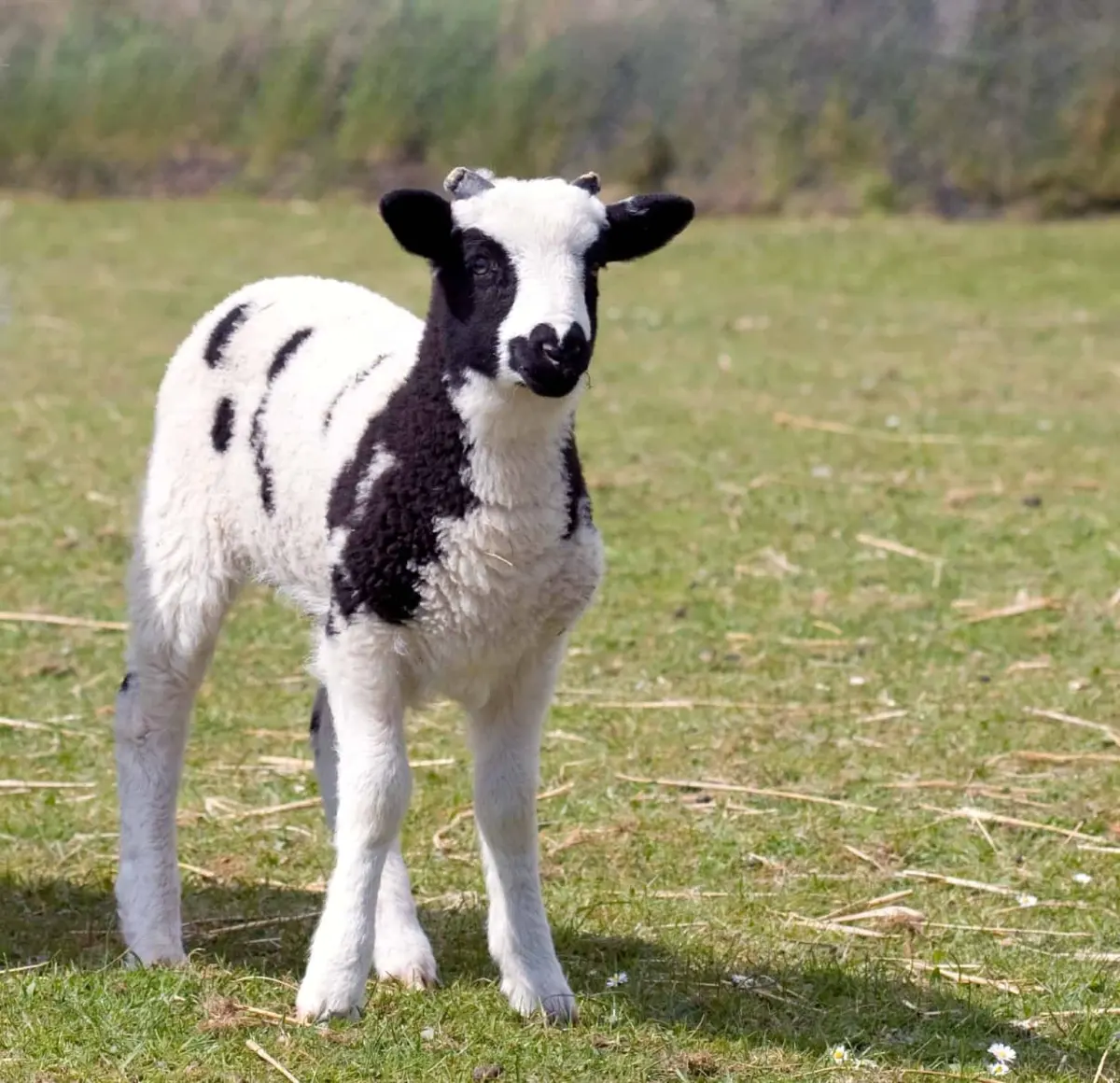
Lambs exhibit distinct behavioral patterns driven by their need for protection and social development. Unlike adult sheep, which are often more cautious and deliberate, lambs are naturally curious and playful, frequently engaging in "pronking" or "bouncing," where they leap into the air with all four feet off the ground. This behavior is believed to be a form of exercise that strengthens their muscles and improves their coordination, which is vital for escaping potential predators in the wild.
Socially, lambs remain very close to their mothers, forming a strong bond through scent and vocalization. They learn how to forage and interact with the rest of the flock by mimicking the ewe’s movements. This social learning is a foundational aspect of sheep behavior, as it teaches the young lamb which plants are safe to eat and how to navigate the social hierarchy of the flock. As they grow older, this dependency gradually decreases, and they begin to integrate more fully into the group.
Common mistakes when raising lambs
New owners often make errors that can jeopardize the health of their flock. One of the most frequent mistakes is failing to provide adequate shelter from harsh weather, such as extreme cold or damp conditions, which can lead to pneumonia. Another common oversight is neglecting parasite control; lambs are highly susceptible to internal worms, which can stunt their growth and lead to severe anemia if left untreated. Regular monitoring and a proactive deworming schedule are necessary to maintain a healthy herd.
- Overfeeding lambs with grain, which can cause digestive issues like bloat or acidosis.
- Ignoring the importance of clean water, which is essential for proper digestion and growth.
- Failing to socialize lambs, which can make them difficult to handle as they mature into adults.
- Neglecting routine hoof trimming, which can cause mobility issues and long-term discomfort for the animal.
- Introducing new animals to the flock without a quarantine period, risking the spread of contagious diseases.
When does a lamb become a sheep?
The transition from lamb to adult sheep is primarily defined by dental development rather than a specific calendar date. As a lamb approaches one year of age, its temporary "milk teeth" begin to fall out and are replaced by permanent incisors. Once the first pair of permanent teeth erupts, the animal is technically considered a hogget or a young adult. This biological milestone signals that the animal has reached sexual maturity and is ready for breeding, marking the end of its juvenile phase.
Farmers monitor these dental changes closely to manage breeding cycles and nutritional needs. While the one-year mark is the standard convention for legal and commercial purposes, the physical transition is a gradual process that varies based on the breed and the quality of nutrition the animal received during its growth. By tracking these developmental markers, producers can ensure that their sheep are managed appropriately for their specific life stage, ensuring the long-term productivity and health of the entire flock through careful observation and management.
Key facts
- A baby sheep is officially called a lamb.
- Lambs are typically born after a gestation period of approximately 147 days.
- A group of young lambs is often referred to as a "flock" or a "mob."
- Newborn lambs should stand and begin nursing within one hour of birth to receive vital colostrum.
- Male lambs are called ram lambs, while female lambs are called ewe lambs.
- Once a lamb reaches one year of age, it is no longer considered a lamb and is classified as a sheep.
The bottom line
A lamb is the standard term for a young sheep under one year old. These animals are vital to agriculture, requiring immediate colostrum intake after birth and consistent care during their development. Whether you are interested in livestock management or animal biology, understanding the growth stages of sheep helps ensure their health and well-being throughout their life cycle, from their early days as lambs to maturity.
People also ask
How can you tell the difference between a lamb and a kid?
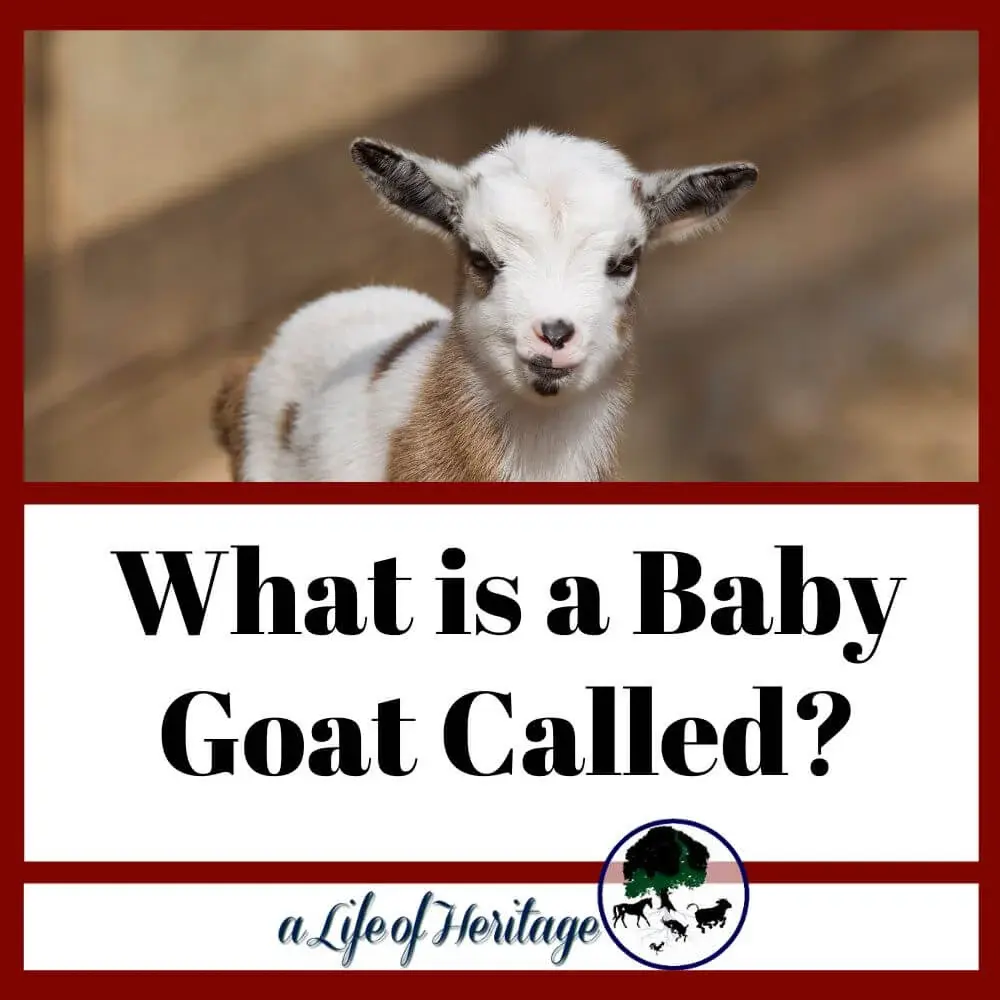
A lamb is a young sheep, while a kid is a young goat. You can distinguish them by their tails, as sheep tails hang down and goat tails typically point upward.
At what age is a lamb weaned from its mother
Most lambs are weaned between three and four months of age. Farmers often transition them to pasture or solid feed during this period to ensure steady growth.
Do all sheep have the same number of lambs per birth?
No, the number of lambs depends on the breed and health of the ewe. While single births are common, many breeds frequently produce twins or triplets.
How do you care for an orphaned lamb?
An orphaned lamb, often called a "bummer," requires bottle-feeding with high-quality milk replacer. It must be kept warm and fed small amounts frequently to avoid digestive issues.
Why do farmers dock the tails of some lambs?
Tail docking is a common practice used to improve hygiene and prevent flystrike, a condition where flies lay eggs in soiled wool. It is typically performed by a veterinarian or trained professional.
How long does a sheep live on average?
A healthy sheep typically lives between 10 and 12 years. Proper nutrition, regular shearing, and protection from predators are essential for longevity in a farm setting.
This answer was created with the help of AI research tools and reference sources. Spotted an error? Let us know — we correct mistakes quickly. See our editorial policy.