What is Barcelona known for?
Short answer
Barcelona is world-renowned for its unique Catalan modernist architecture, particularly the works of Antoni Gaudí, and its vibrant Mediterranean culture. As the capital of Catalonia, it offers a distinct blend of Gothic history, pristine urban beaches, a world-class culinary scene, and a lively atmosphere shaped by its deep-rooted artistic heritage.
On this page
What are the most famous landmarks in Barcelona?
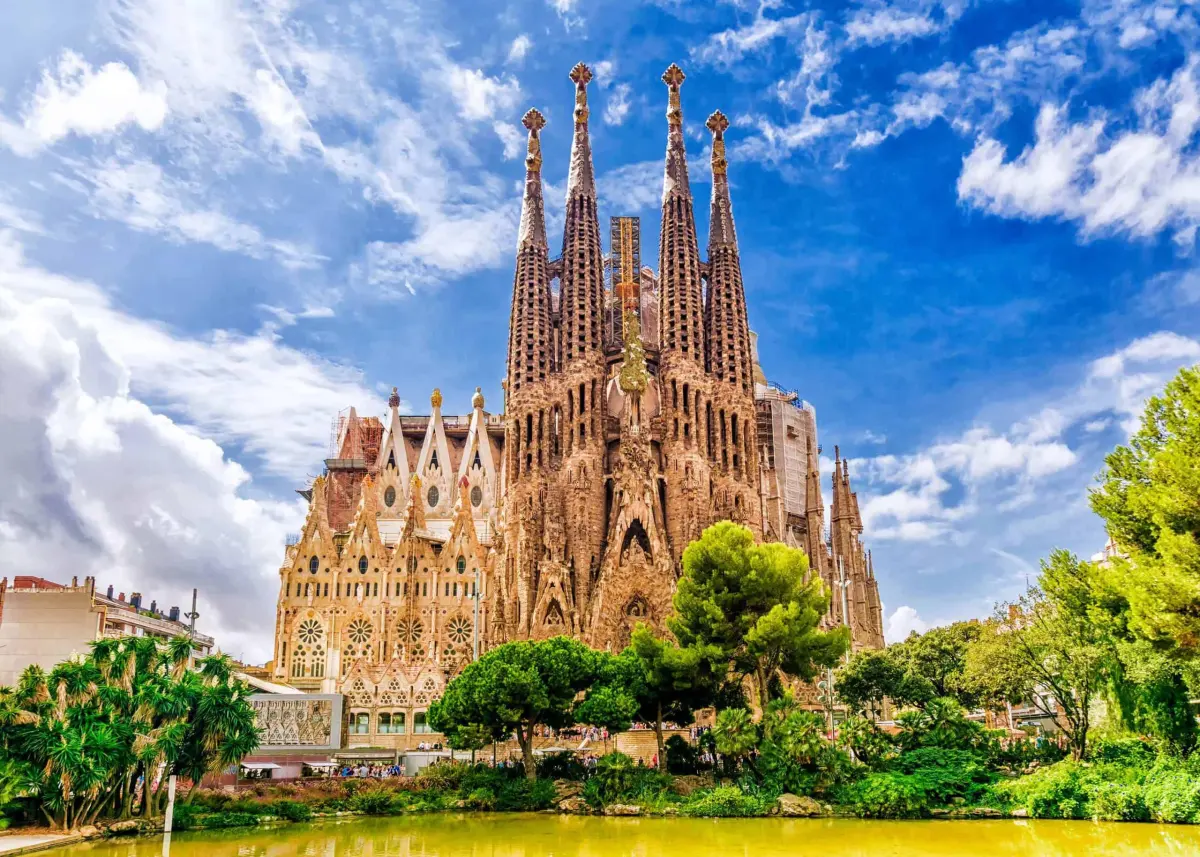
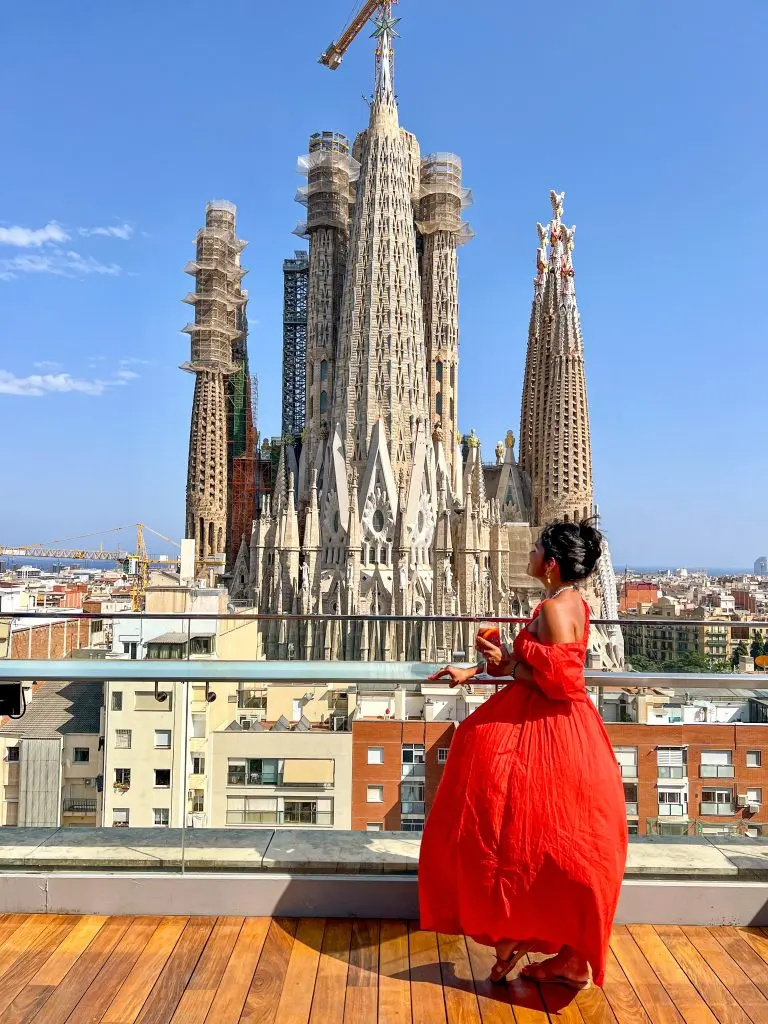
Barcelona is defined by the visionary architecture of Antoni Gaudí, whose structures are scattered throughout the city. The most iconic is the Sagrada Família, a massive, unfinished basilica that has been under construction since 1882. Its intricate facades and towering spires attract millions of visitors annually. Other essential stops include Park Güell, a public park system composed of gardens and architectural elements located on Carmel Hill, and Casa Batlló, a residential building famous for its skeletal facade and colorful mosaic tiles.
Beyond Gaudí, the Gothic Quarter (Barri Gòtic) serves as the center of the old city. It features narrow, winding medieval streets that open into hidden plazas. Visitors often explore the Barcelona Cathedral and the Roman walls that once protected the ancient city of Barcino. To experience these sites effectively, consider the following itinerary:
- Start at the Sagrada Família early in the morning to avoid the largest crowds.
- Walk down the Passeig de Gràcia to view Casa Batlló and Casa Milà.
- Spend your afternoon getting lost in the labyrinthine alleys of the Gothic Quarter.
How to navigate Barcelona like a local?
The city is highly walkable, but it also boasts an efficient public transportation system. The Barcelona Metro is the most practical way to cover long distances, with lines reaching virtually every major tourist site and residential neighborhood. Taxis are plentiful and generally affordable, though they can be difficult to hail during peak hours or major festivals. Walking remains the best way to appreciate the city’s distinct neighborhoods, such as the trendy Gràcia or the seaside Barceloneta.
When using public transit, keep these tips in mind to ensure a smooth experience:
- Purchase a T-casual card, which provides ten rides at a discounted rate compared to single tickets.
- Validate your ticket upon entering the metro or boarding a bus to avoid hefty fines.
- Use the "Bicing" bicycle-sharing service only if you are a resident, as it is not intended for short-term visitors.
- Be wary of pickpockets in crowded areas like La Rambla, as they frequently target tourists distracted by the scenery.
Where to find the best food and drink?
Catalan cuisine is a major draw, characterized by fresh seafood, cured meats, and locally sourced produce. Tapas culture is central to the social life here, though locals often refer to small plates as "platillos" or "picoteo." You should sample pa amb tomàquet (bread rubbed with tomato and olive oil) and botifarra (a traditional Catalan sausage). For a more formal experience, the city features numerous Michelin-starred restaurants that push the boundaries of modern Mediterranean gastronomy.
The Boqueria Market, located just off La Rambla, is the city's most famous food destination. While it is undeniably touristy, the quality of the fresh fruit juices, Iberian ham, and local cheeses remains high. To eat like a local, avoid the overpriced restaurants directly on La Rambla. Instead, head into the side streets of El Born or Poble-sec, where you will find authentic tapas bars that serve high-quality dishes at reasonable prices. Always check the opening times, as many traditional kitchens close for a few hours between lunch and dinner.
What are the best beaches and parks?
Barcelona is one of the few major European cities that offers direct access to the Mediterranean Sea. The city’s coastline was transformed for the 1992 Olympic Games, creating a series of interconnected beaches that stretch for several kilometers. Barceloneta is the most popular and accessible beach, known for its lively atmosphere and proximity to seafood restaurants. For a quieter experience, head further north to Bogatell or Nova Mar Bella, which are generally cleaner and less crowded.
If you prefer green spaces, the city offers several impressive parks beyond the famous Park Güell. Parc de la Ciutadella is the city's primary urban park, featuring a large lake, a zoo, and the Catalan Parliament building. It is a favorite spot for locals to picnic, practice yoga, or enjoy street performances on weekends. When visiting these outdoor spaces, remember to respect the local environment. Avoid littering, as the city enforces strict fines for public waste, and always keep your belongings secure, especially when relaxing on the sand or in busy public parks.
Common mistakes when visiting Barcelona?
Many travelers make the mistake of trying to see the entire city in a single weekend. Barcelona is dense with history and culture, and rushing through sites often leads to exhaustion and a superficial experience. Another common error is failing to book tickets for major attractions in advance. Sites like the Sagrada Família and Park Güell regularly sell out weeks ahead of time, meaning walk-up visitors are frequently turned away. Always book online to secure your preferred entry time.
Finally, be mindful of the local schedule, which differs significantly from many other parts of the world. Lunch is typically served between 2:00 PM and 4:00 PM, while dinner rarely begins before 9:00 PM. Attempting to eat dinner at 6:00 PM will often result in finding only tourist-trap restaurants open. By adjusting your schedule to match the local rhythm, you will find better food and a more authentic atmosphere. Respecting these cultural nuances will ensure your visit is both enjoyable and respectful of the city's unique lifestyle.
Key facts
- Barcelona is the only city in the world to receive a Royal Gold Medal for architecture from the Royal Institute of British Architects.
- The Sagrada Família, designed by Antoni Gaudí, has been under construction since 1882 and remains unfinished today.
- La Rambla is a famous 1.2-kilometer pedestrian street that connects Plaça de Catalunya with the Christopher Columbus Monument at the waterfront.
- The city features nine beaches spanning over 4.5 kilometers of coastline, all of which were largely inaccessible before the 1992 Olympics.
- To avoid long queues at major attractions like Park Güell, book your timed-entry tickets online at least two weeks in advance.
- Beware of pickpockets in crowded tourist areas; always keep your bag in front of you and remain vigilant on the Metro.
The bottom line
Barcelona is a captivating Mediterranean destination defined by its unique blend of Gothic history and modernist architectural masterpieces. From the whimsical creations of Antoni Gaudí to the bustling energy of its historic markets and beaches, the city offers a rich cultural experience. By planning ahead for major sites and embracing the local pace of life, visitors can fully enjoy the vibrant spirit of this Catalan capital.
People also ask
Is it better to visit Barcelona in the summer or winter?
Summer offers vibrant beach life and festivals, but the city becomes extremely crowded and humid. Winter provides mild temperatures and fewer tourists, making it ideal for exploring museums and architecture without the heat.
Do I need to speak Catalan to get around?
No, Spanish and English are widely understood in all tourist areas. Learning a few basic phrases in Catalan, such as "bon dia," is considered a polite gesture by locals.
What is the best way to travel within the city?
The Barcelona Metro is efficient, clean, and covers almost every major landmark. Purchasing a T-casual travel card is the most cost-effective way to navigate the city for a few days.
Is tap water safe to drink in Barcelona?
Yes, tap water is perfectly safe to drink, though many locals prefer filtered water due to the high mineral content. You will find public drinking fountains throughout the city center.
What is the typical dining schedule in Barcelona?
Locals eat lunch between 2:00 PM and 4:00 PM and dinner quite late, usually starting after 9:00 PM. Many restaurants do not open for dinner service until 8:00 PM.
How can I avoid tourist traps when dining?
Avoid restaurants on La Rambla that display pictures of food on boards outside. Instead, venture into the neighborhoods of Gràcia or Poble-sec for authentic tapas and local atmosphere.
This answer was created with the help of AI research tools and reference sources. Spotted an error? Let us know — we correct mistakes quickly. See our editorial policy.