What is Mumbai known for?
Short answer
Mumbai is India’s financial, commercial, and entertainment capital. Known as the city that never sleeps, it serves as the home of the Bollywood film industry and the Bombay Stock Exchange. This coastal metropolis is celebrated for its colonial architecture, diverse culinary scene, and status as a vital global economic hub.
On this page
Why is Mumbai called the city of dreams?
Mumbai earned its reputation as the "City of Dreams" due to its role as the primary destination for individuals seeking economic advancement and social mobility. As the wealthiest city in India, it hosts the headquarters of numerous multinational corporations, major banks, and the Reserve Bank of India. The constant influx of hopeful migrants from across the country creates a unique, high-energy atmosphere where ambition is the driving force of daily life.
This growth is fueled by the city's status as a major port and its integration into global trade networks. Beyond finance, the city is the epicenter of the Hindi film industry, popularly known as Bollywood. Thousands of aspiring actors, directors, and technicians move to Mumbai annually, hoping to secure a place in the massive cinematic ecosystem that produces hundreds of films each year. This blend of financial opportunity and creative aspiration defines the city’s identity.
Where to find the best architectural landmarks?
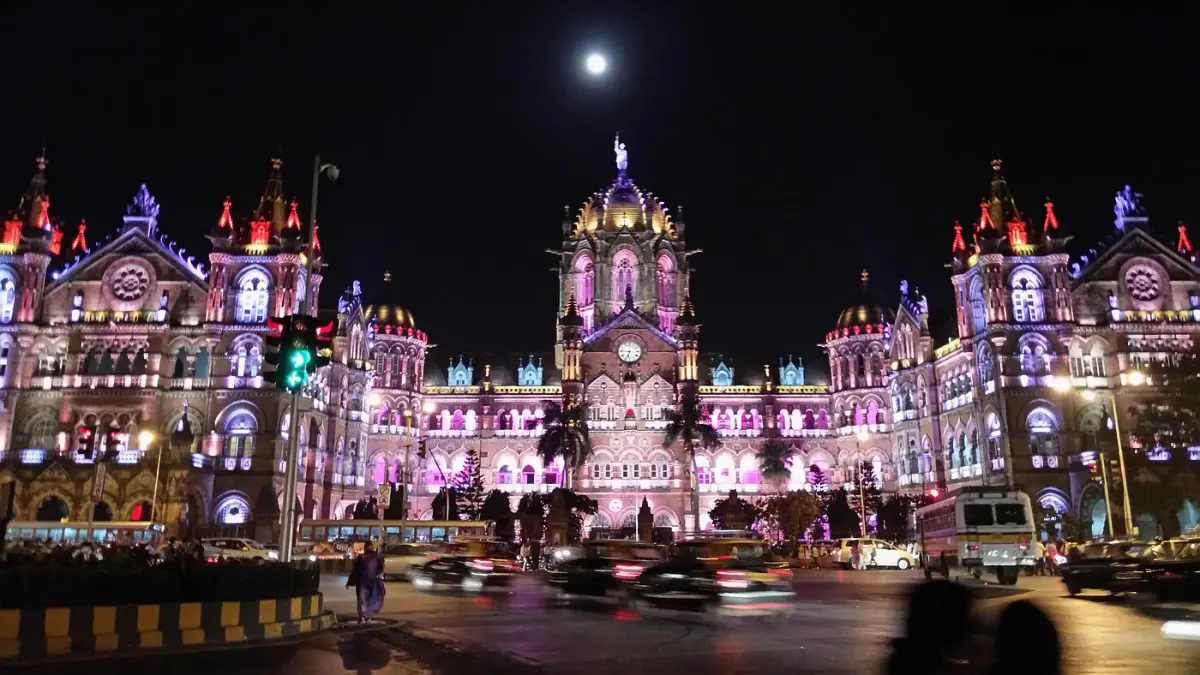
Mumbai’s skyline is a collection of distinct layers, ranging from ornate British colonial structures to modern glass skyscrapers. The most iconic landmark is the Gateway of India, a basalt arch built to commemorate the visit of King George V and Queen Mary in 1911. Nearby, the Chhatrapati Shivaji Maharaj Terminus stands as a masterpiece of Victorian Gothic architecture, recognized as a UNESCO World Heritage site for its intricate stone carvings and grand proportions.
Visitors interested in exploring these sites should consider the following itinerary:
- Start at the Gateway of India early in the morning to avoid the midday heat and heavy crowds.
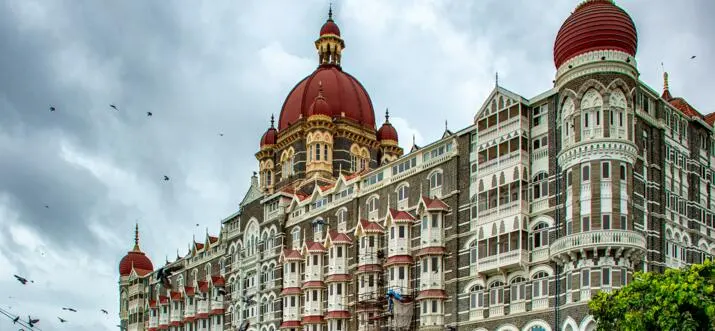
- Walk toward the Taj Mahal Palace hotel, a historic landmark that has hosted world leaders and celebrities for over a century.
- Visit the Chhatrapati Shivaji Maharaj Terminus during the late afternoon to observe the stunning light transition on the building’s exterior.
- Explore the Kala Ghoda art district, which features colonial-era buildings repurposed into galleries and museums.
How to navigate Mumbai’s public transportation?
Navigating Mumbai requires an understanding of its complex but efficient transit systems. The suburban railway, often called the city's lifeline, carries millions of commuters daily across three main lines: Western, Central, and Harbour. While the trains are incredibly fast and inexpensive, they are notoriously crowded during peak hours, which typically run from 8:00 AM to 10:30 AM and 5:30 PM to 8:30 PM.
For those less accustomed to the local pace, consider these practical steps:
- Purchase a Mumbai Metro smart card for seamless travel on the newer, air-conditioned lines.
- Use ride-hailing applications for point-to-point travel, as these provide fixed pricing and GPS tracking.
- Avoid taking auto-rickshaws in the South Mumbai area, as they are prohibited from operating south of Bandra.
- Always check the train direction signs carefully, as the suburban network is vast and easy to misinterpret for first-time visitors.
What are the must-try foods in Mumbai?
The culinary landscape of Mumbai is a reflection of its diverse population, blending traditional Maharashtrian flavors with influences from across India and the world. Street food is the heart of the city's gastronomic culture, offering affordable and flavorful options that are available on nearly every corner. The Vada Pav, a deep-fried potato dumpling served in a bread bun, is widely considered the city's signature snack and a staple for busy workers.
Other essential dishes to experience include:
- Pav Bhaji: A spicy vegetable mash served with buttered bread rolls, popularized by the city’s textile mill workers.
- Bhel Puri: A savory snack made of puffed rice, vegetables, and a tangy tamarind sauce, best enjoyed at Girgaon Chowpatty beach.
- Bun Maska: A simple yet iconic treat of buttered bread served with Irani chai at the city’s historic Irani cafes.
- Seafood: Being a coastal city, Mumbai offers exceptional fish curries and fried preparations, particularly in the Koliwada style.
Common mistakes when visiting Mumbai?
A frequent error for visitors is underestimating the impact of the monsoon season, which typically lasts from June through September. During this period, heavy rainfall can cause localized flooding and significant delays in public transportation. Travelers should also be mindful of the city’s intense humidity, which can be draining for those not accustomed to tropical climates. Always carry a portable water bottle and prioritize staying hydrated throughout the day.
Another common mistake is attempting to see the entire city in a single day. Mumbai is geographically elongated, and traffic congestion can make travel between neighborhoods like Colaba and Bandra take several hours. It is much more effective to divide your visit by region, spending one day in the historic south and another in the vibrant suburbs. Finally, do not ignore the local etiquette regarding public spaces; while the city is cosmopolitan, maintaining a respectful demeanor in religious sites and crowded areas is essential for a smooth experience.
Key facts
- Mumbai is the financial capital of India and houses the headquarters of the Reserve Bank of India and the Bombay Stock Exchange.
- The city serves as the heart of the Hindi-language film industry, globally recognized as Bollywood, which produces hundreds of movies annually.
- Chhatrapati Shivaji Maharaj Terminus, a UNESCO World Heritage site, is a historic railway station showcasing Victorian Gothic Revival architecture.
- The city's suburban railway network, known as the "lifeline of Mumbai," transports over 7 million commuters every single day.
- Visitors should avoid traveling during the monsoon season from June to September to prevent disruptions caused by heavy rainfall and flooding.
- When navigating the city, use the official "m-indicator" mobile app to track real-time train schedules and local bus routes accurately.
The bottom line
Mumbai is a vibrant, high-energy metropolis that defines India’s economic and cultural landscape. From its colonial-era architecture and bustling street markets to the glamour of Bollywood, the city offers a unique blend of history and modernity. By utilizing the extensive rail network and exploring local culinary delights, visitors can experience the relentless spirit of a city that truly never sleeps and constantly reinvents itself.
People also ask
What is the best time of year to visit Mumbai?
The ideal time to visit is between November and February when the weather is cool and dry. This period avoids the intense summer heat and the heavy monsoon rains that frequently paralyze city transport.
Is it safe for tourists to use local trains?
Local trains are safe, but they are extremely crowded during peak hours from 8:00 AM to 10:00 AM and 6:00 PM to 8:00 PM. Tourists should avoid these times to ensure a comfortable experience and keep their belongings secure.
What are the must-try foods in Mumbai?
Street food is iconic here, with Vada Pav, Pav Bhaji, and Bhel Puri being the most popular staples. Always choose stalls with high customer turnover to ensure the food is freshly prepared and hygienic.
How do I get from the airport to the city center?
Prepaid taxis and ride-sharing services like Uber and Ola are available directly outside the terminal. Avoid unauthorized private drivers who may overcharge; always rely on official kiosks or verified mobile applications.
What is the significance of the Gateway of India?
Built to commemorate the visit of King George V and Queen Mary in 1911, it stands as a symbol of the British Raj. It is now a major tourist landmark located on the waterfront in the Colaba area.
Do I need to know Hindi to travel in Mumbai?
While Hindi and Marathi are the primary languages, English is widely understood in hotels, restaurants, and by taxi drivers. You will have no trouble navigating the city using English for basic communication.
This answer was created with the help of AI research tools and reference sources. Spotted an error? Let us know — we correct mistakes quickly. See our editorial policy.
![18 Important Things To Know Before Visiting Buenos Aires [2026 Update]](/img/ac/what-is-buenos-aires-known-for-1.webp)