How do you make hummus?
Short answer
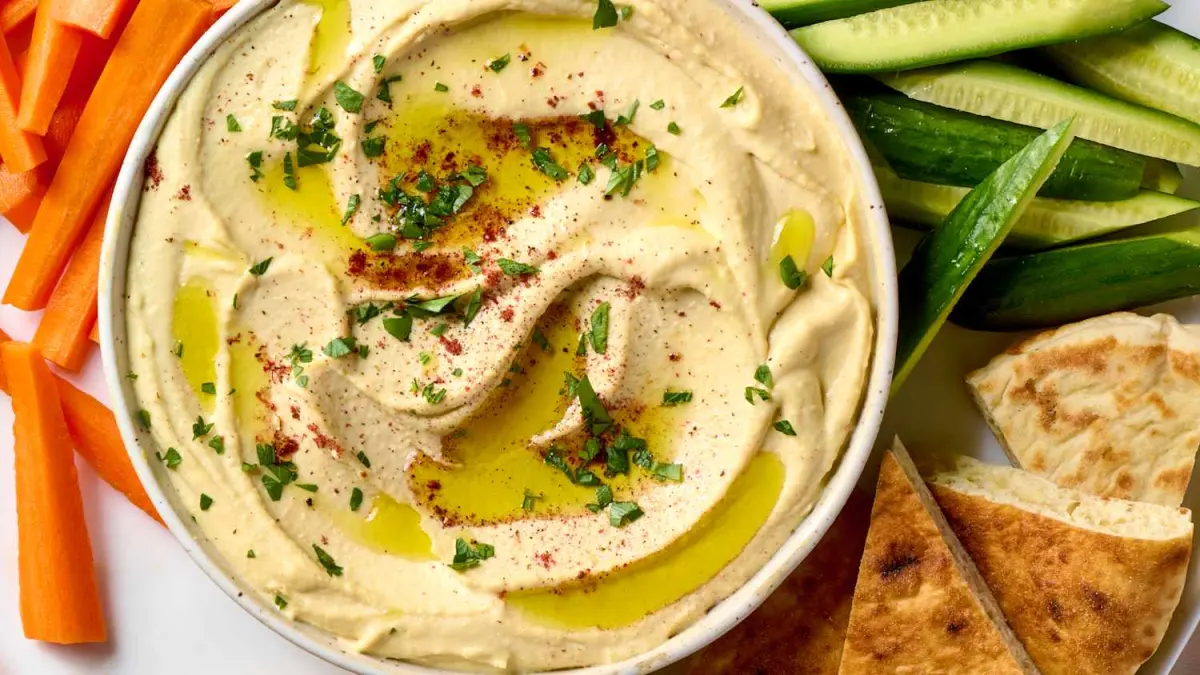
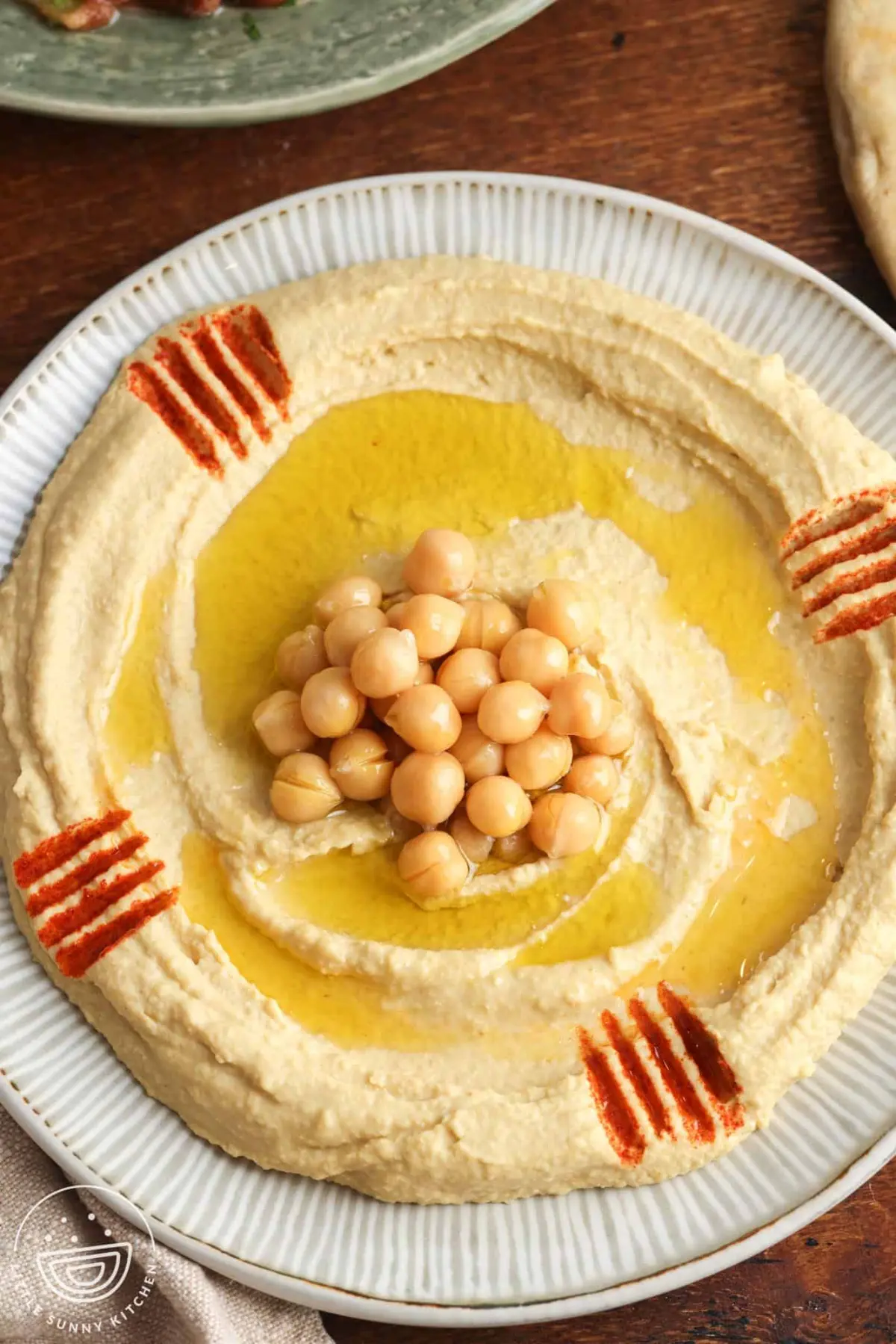
Hummus is a smooth Middle Eastern dip crafted by blending cooked chickpeas, tahini, lemon juice, garlic, and salt. To prepare it, process these ingredients until creamy, gradually adding ice water or olive oil to achieve a light texture. Serve it chilled or at room temperature, typically garnished with olive oil and paprika.
On this page
How to make classic hummus from scratch
Creating authentic hummus begins with the quality of your chickpeas. While canned chickpeas are convenient, dried chickpeas soaked overnight and simmered until soft yield a significantly creamier result. Once cooked, the skins should be removed if you desire an ultra-smooth, restaurant-style texture, though this step is optional. The foundational flavor profile relies on the balance between nutty tahini, bright citrus, and pungent garlic.
To assemble the dip, follow these steps:
- Combine the tahini and lemon juice in a food processor and blend for one minute until the mixture becomes whipped and pale.
- Add the garlic, salt, and a dash of cumin, pulsing until combined.
- Incorporate the chickpeas and process for several minutes, slowly drizzling in ice-cold water to emulsify the fats.
- Continue blending until the mixture is completely smooth and light in color.
What ingredients are best for hummus
The quality of your tahini is the most critical factor in determining the final taste of your hummus. Look for a pourable, light-colored tahini made exclusively from toasted hulled sesame seeds, as unhulled varieties can introduce an unwanted bitter or gritty profile. Freshly squeezed lemon juice is far superior to bottled alternatives, providing the necessary acidity to cut through the richness of the sesame paste.
Regarding the chickpeas, choose a variety that is tender enough to be crushed easily between your fingers. If using canned beans, rinse them thoroughly under cold water to remove the metallic taste of the canning liquid. High-quality extra virgin olive oil should be reserved for the final garnish rather than blended directly into the base, as the intense heat of a food processor can sometimes turn high-quality oil bitter.
How long does it take to make hummus
Preparing hummus is a relatively quick process, usually requiring no more than 10 to 15 minutes of active work if you are using pre-cooked or canned chickpeas. If you choose to start with dried beans, you must account for an overnight soaking period and roughly 60 to 90 minutes of simmering time. Once the beans are cooked and cooled, the actual blending process takes less than five minutes.
For those planning ahead, hummus benefits from resting in the refrigerator for at least one hour before serving. This allows the garlic to mellow and the flavors to fully integrate. If you are in a rush, you can serve it immediately, but the texture may be slightly warmer and the flavor profile less cohesive than if it were allowed to chill.
Common mistakes when making hummus
A frequent error is failing to blend the tahini and lemon juice before adding the other ingredients. This initial step, often called "whipping the tahini," is essential for creating a stable emulsion that prevents the dip from becoming dense or oily. Another common mistake is adding too much liquid at once, which can result in a thin, soupy consistency that is difficult to fix without adding more chickpeas or tahini.
- Adding cold chickpeas to the processor, which can harden the fat in the tahini.
- Using too much garlic, which can overpower the delicate nutty flavor of the sesame.
- Over-processing the olive oil, which can cause it to emulsify into a gluey texture.
- Skipping the addition of salt, which is necessary to balance the natural earthiness of the beans.
Why hummus texture becomes grainy
Graininess is usually caused by either under-blending the mixture or failing to remove the tough outer skins of the chickpeas. If your food processor is not powerful enough, the chickpeas will remain in small, distinct particles rather than forming a cohesive paste. To remedy this, ensure you are using enough liquid—specifically ice water—to help the blades move the ingredients efficiently.
If you find your hummus is still not smooth enough, try passing the finished dip through a fine-mesh sieve using the back of a spoon. This technique removes any remaining fibrous bits and ensures a velvety consistency. Additionally, ensure your chickpeas are cooked until they are almost falling apart; firm beans will never yield a truly smooth dip regardless of how long you process them. By paying attention to these physical properties, you can achieve a professional result at home every time.
Key facts
- Hummus is a Middle Eastern dip traditionally made from cooked, mashed chickpeas blended with tahini, lemon juice, and garlic.
- The word "hummus" is derived from the Arabic word for "chickpeas," which have been cultivated in the Levant for over 7,000 years.
- For the smoothest texture, remove the skins from the chickpeas before blending, as this eliminates grittiness.
- High-quality tahini is essential; look for a pourable consistency and a nutty, non-bitter flavor profile.
- Emulsifying the tahini and lemon juice with ice water before adding the chickpeas creates a light, airy, and creamy consistency.
- Always use fresh garlic rather than powdered versions to achieve the authentic, pungent flavor characteristic of traditional recipes.
The bottom line
Making authentic hummus at home is a simple process that relies on high-quality ingredients and proper technique. By emulsifying your tahini and lemon juice first and blending the mixture until perfectly smooth, you can achieve a restaurant-quality result. Experimenting with fresh herbs, roasted vegetables, or spices allows for endless variety, making this versatile dip a healthy, reliable, and delicious addition to any meal or gathering.
People also ask
Can I use canned chickpeas instead of dried ones?
Yes, canned chickpeas are a convenient and widely used alternative. Ensure you rinse them thoroughly under cold water to remove excess sodium and starchy liquid before blending.
Why does my hummus taste bitter?
Bitterness is usually caused by low-quality or oxidized tahini. Always taste your tahini before adding it, and be careful not to over-process the garlic, which can release harsh compounds.
How long does homemade hummus stay fresh?
Homemade hummus typically lasts for three to five days when stored in an airtight container in the refrigerator. Drizzle a thin layer of olive oil on top to prevent the surface from drying out.
Is hummus considered a healthy food choice?
Hummus is a nutrient-dense food rich in plant-based protein, dietary fiber, and healthy monounsaturated fats. It is a staple in Mediterranean diets, which are associated with improved heart health.
Can I freeze hummus for later use?
Yes, hummus freezes well for up to three months. Store it in a freezer-safe container with a small amount of olive oil on top, and thaw it slowly in the refrigerator before serving.
What are the most common mistakes when making hummus?
The most frequent errors include using too little tahini, failing to blend the ingredients long enough, or neglecting to adjust the seasoning with enough salt and acidity. Patience during the blending process is key to achieving a professional, silky texture.
This answer was created with the help of AI research tools and reference sources. Spotted an error? Let us know — we correct mistakes quickly. See our editorial policy.