How is olive oil made?
Short answer
Olive oil is produced by crushing harvested olives into a paste and mechanically extracting the oil from the fruit. The process involves washing, grinding, malaxing, and centrifugation to separate the oil from water and solids. This cold-press method preserves the natural flavor, aroma, and nutritional integrity of the final product.
On this page
How are olives harvested and prepared for processing?
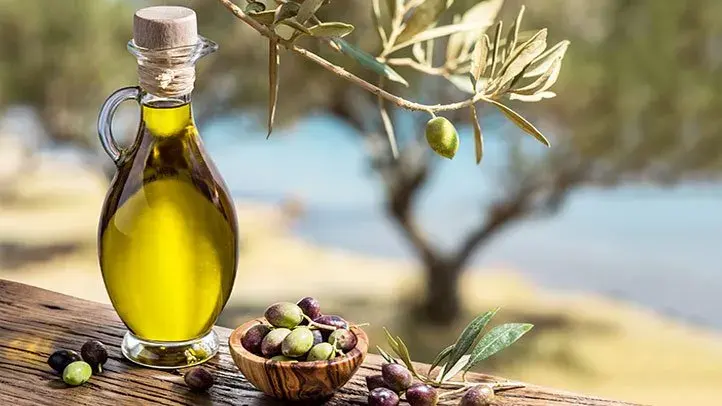
The quality of olive oil begins in the orchard. Harvest timing is critical, as olives transition from green to black; green olives produce oil with more polyphenols and a peppery bite, while riper olives yield a milder, buttery flavor. Modern producers typically harvest between September and November. Once picked, olives must be processed quickly, ideally within 24 hours, to prevent fermentation and oxidation, which can lead to high acidity and rancid flavors.
Upon arrival at the mill, the olives undergo a rigorous cleaning process. Leaves, twigs, and dirt are removed using air blowers and washing basins. This step is essential to ensure that no impurities taint the final oil. After cleaning, the fruit is ready to be transformed. The primary stages of preparation involve:
- Sorting to remove damaged or overripe fruit.
- Washing in potable water to eliminate dust and pesticides.
- Weighing the fruit to track yield percentages.
How does the milling and malaxing process work?
Once cleaned, the olives are ground into a thick paste using stainless steel hammer mills or traditional stone mills. This paste includes the skin, flesh, and pits of the olive. The mixture then enters the malaxation stage, which is arguably the most important part of the process. During malaxation, the paste is slowly churned in a temperature-controlled tank for 30 to 60 minutes. This agitation allows tiny oil droplets to coalesce into larger drops, making them easier to extract.
Maintaining the correct temperature during malaxation is vital for "cold-pressed" or "cold-extracted" oil. If the temperature exceeds 27°C (80.6°F), the chemical structure of the oil can degrade, leading to a loss of delicate aromas and health-promoting antioxidants. The goal is to maximize yield while protecting the oil's volatile compounds. Key factors during this stage include:
- Monitoring the moisture content of the paste.
- Controlling the duration of the churn to prevent oxidation.
- Ensuring the equipment remains sterile to avoid bacterial contamination.
How is the oil separated from the olive paste?
After malaxation, the olive paste must be separated into its three components: oil, water, and solid pomace. In modern facilities, this is achieved through a horizontal centrifuge known as a decanter. The decanter spins at high speeds, using centrifugal force to separate the components based on their different densities. Because oil is lighter than water and solids, it migrates toward the center of the centrifuge, while the heavier water and pomace are pushed to the outer edges.
This mechanical extraction is a significant improvement over traditional press methods, which often exposed the paste to air and led to faster degradation. The resulting oil is then passed through a secondary vertical centrifuge to remove any remaining water or fine sediment. This process ensures the oil is clean and stable. The final product is then transferred to storage tanks, where it is kept in a cool, dark environment to await bottling or further filtration.
Common mistakes when making olive oil
Even with high-quality fruit, errors during processing can ruin an entire batch. A frequent mistake is allowing the olives to sit too long after harvest; this causes the fruit to heat up and begin fermenting, resulting in a "fusty" or "musty" defect in the oil. Another common error is failing to clean the equipment thoroughly between batches. Residual paste from previous runs can oxidize and quickly contaminate fresh oil with off-flavors.
Temperature management is another area where mistakes occur. If the mill runs too hot, the oil may reach a higher volume, but the quality drops significantly, losing its characteristic fruity notes. Producers should avoid these pitfalls by:
- Keeping the mill environment strictly hygienic.
- Using stainless steel machinery to prevent metallic leaching.
- Maintaining consistent, low temperatures throughout the entire mechanical extraction phase.
- Filtering the oil immediately after extraction to remove suspended particles that can cause spoilage.
How is olive oil stored and bottled for quality?
Once the oil is extracted, it remains sensitive to light, heat, and oxygen. Proper storage is essential to maintain the oil's grade and shelf life. Most producers store the oil in stainless steel tanks, often blanketed with nitrogen gas to displace oxygen and prevent oxidation. Before bottling, the oil may be filtered to remove tiny particles of olive flesh that can settle at the bottom and turn bitter over time.
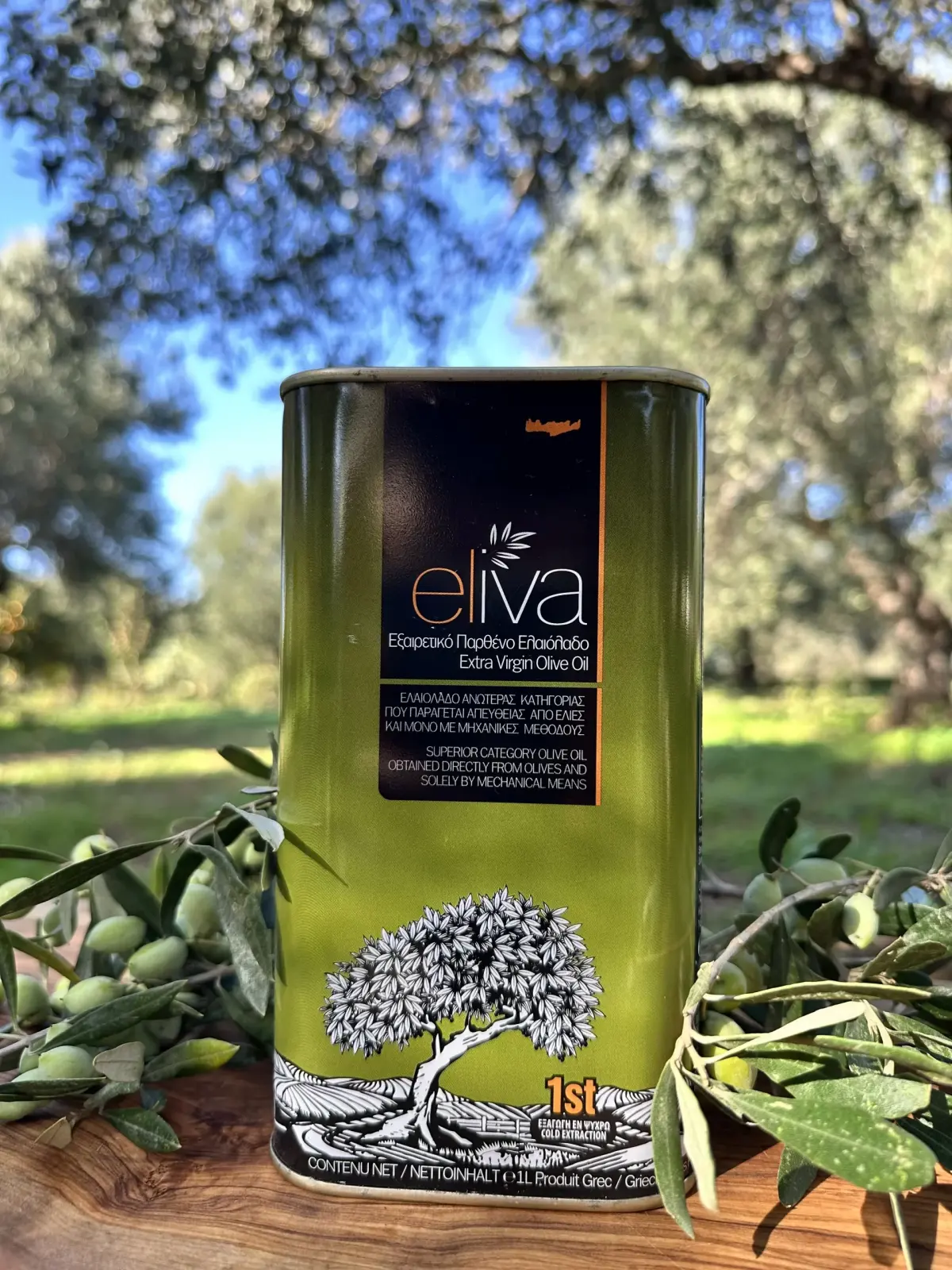
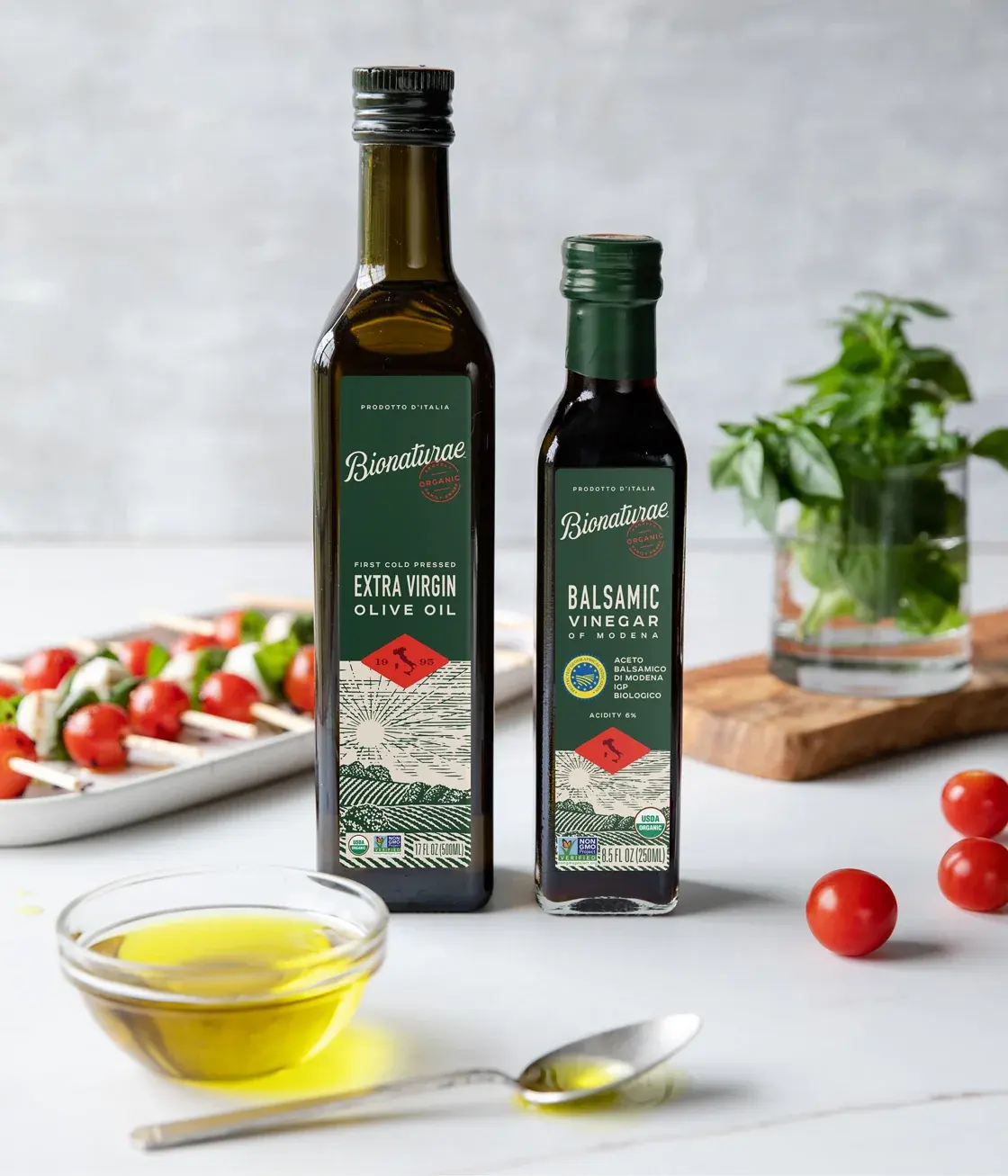
When purchasing or storing oil at home, consumers should look for dark glass bottles or opaque containers that shield the oil from ultraviolet light. Storing oil in a pantry away from the stove or sunlight will help preserve its freshness for up to 18 to 24 months. By understanding these steps from orchard to bottle, one can better appreciate the craftsmanship required to produce high-quality, authentic extra virgin olive oil for culinary use.
Key facts
- Olives must be harvested and processed within 24 hours to prevent fermentation and acidity buildup.
- Extra virgin olive oil requires a mechanical extraction process without the use of chemical solvents or excessive heat.
- The ideal temperature for cold-pressing is below 80.6°F (27°C) to preserve delicate flavors and health-promoting polyphenols.
- One liter of high-quality extra virgin olive oil typically requires approximately 5 to 7 kilograms of fresh olives.
- Light, heat, and oxygen are the primary enemies of olive oil; always store bottles in a cool, dark cupboard.
- Avoid purchasing oil in clear glass bottles, as light exposure triggers oxidation that turns the oil rancid over time.
The bottom line
The production of premium olive oil relies on the rapid processing of fresh fruit at low temperatures to maintain chemical stability. By avoiding chemical solvents and excessive heat, producers preserve the oil's heart-healthy polyphenols and vibrant taste. Consumers should prioritize purchasing dark-bottled, recent-harvest oil and storing it away from heat sources to ensure the product remains fresh and flavorful for as long as possible.
People also ask
What is the difference between virgin and extra virgin olive oil?
Extra virgin olive oil must have an acidity level below 0.8% and no sensory defects. Regular virgin olive oil allows for higher acidity and minor flavor imperfections.
Does the color of olive oil indicate its quality?
Color is not a reliable indicator of quality, as it depends on the olive variety and harvest timing. High-quality oil can range from pale yellow to deep, vibrant green.
How long does olive oil stay fresh after opening?
Most olive oils are best consumed within 1 to 3 months after opening. Over time, exposure to air causes the oil to lose its flavor and nutritional potency.
Should I use extra virgin olive oil for frying?
Contrary to popular belief, extra virgin olive oil has a smoke point between 375°F and 410°F. It is stable enough for most sautéing and shallow frying tasks.
Why does olive oil sometimes solidify in the refrigerator?
Olive oil contains monounsaturated fats that naturally turn cloudy or solid at cold temperatures. This process is normal and does not affect the quality of the oil.
What does "cold-pressed" actually mean?
It means the oil was extracted using only physical pressure rather than chemical refinement. This method ensures the oil retains its natural antioxidants and distinct flavor profile.
This answer was created with the help of AI research tools and reference sources. Spotted an error? Let us know — we correct mistakes quickly. See our editorial policy.