How is flour made?
Short answer
Flour is produced by grinding cereal grains, most commonly wheat, into a fine powder. The process involves cleaning, tempering, and milling the grain to separate the starchy endosperm from the bran and germ. Modern industrial milling uses heavy steel rollers to crush the kernels, sift the particles, and refine the final product.
On this page
How is flour made in a factory?
The industrial milling process begins with the cleaning of raw grain to remove impurities like stones, dirt, and other seeds. Once cleaned, the wheat undergoes a process called tempering, where water is added to toughen the outer bran layer and soften the inner endosperm. This preparation ensures that the bran can be cleanly separated from the flour-producing center of the kernel during the milling stages.
Modern mills utilize a series of corrugated steel rollers that break the grain into smaller pieces. After each pass through the rollers, the mixture is sent to large vibrating sifters known as plansifters. These machines categorize the particles by size, separating the coarse bran and germ from the fine flour. This cycle repeats multiple times until the desired extraction rate is achieved. The final product is often enriched with vitamins or bleached to meet specific commercial standards.
What are the different types of flour?
Flour is categorized primarily by its protein content, which dictates how much gluten it can form. High-protein flours, such as bread flour, provide the structural strength needed for yeast-raised doughs. Conversely, low-protein flours, like cake flour, are designed to produce tender, delicate textures in pastries and sponges. Understanding these differences is essential for achieving the correct crumb and rise in baked goods.
The milling process also determines the final classification of the flour:
- All-purpose flour: A blend of hard and soft wheat suitable for most general baking needs.
- Whole wheat flour: Contains the entire kernel, including the nutrient-dense germ and fiber-rich bran.
- Semolina: A coarse grind made from durum wheat, primarily used for pasta production.
- Cake flour: Highly refined and bleached to achieve a very low protein content for soft textures.
How to grind flour at home?
Home milling has gained popularity among bakers who prioritize freshness and nutritional density. Using a countertop grain mill, you can process whole berries into fresh flour in minutes. Because the germ contains natural oils that can oxidize, home-milled flour is best used immediately. This ensures that the volatile nutrients and aromatic compounds remain intact, providing a superior flavor profile compared to store-bought alternatives that have sat on shelves for months.
To grind your own flour, follow these steps:
- Select high-quality, dry wheat berries or other grains like rye or spelt.
- Adjust the mill setting to your desired coarseness, starting with a coarser grind if you are new to the process.
- Feed the grains into the hopper slowly to prevent the motor from overheating.
- Sift the resulting flour through a fine-mesh sieve if you prefer a lighter texture, though this will remove some of the bran.
Why does flour quality vary?
The quality of flour is influenced by the variety of wheat, the climate in which it was grown, and the specific milling techniques employed. Wheat grown in hot, dry climates often produces "hard" grain with higher protein levels, while wheat from cooler, wetter regions typically results in "soft" grain. Millers often blend different shipments of wheat to ensure that their final product maintains consistent performance for bakers year-round.
Storage conditions also play a significant role in flour quality. Flour is hygroscopic, meaning it absorbs moisture from the air, which can lead to clumping or spoilage. Exposure to light and heat can cause the natural oils in whole-grain flours to turn rancid, resulting in an off-flavor. To maintain peak quality, store all flour in airtight containers in a cool, dark, and dry pantry environment.
Common mistakes when storing flour?
Many home bakers inadvertently compromise their flour by storing it in its original paper packaging. Paper bags are porous, allowing air and moisture to penetrate, which invites pests and accelerates the degradation of the flour's natural fats. Furthermore, storing flour near strong-smelling items like spices or cleaning supplies can cause the flour to absorb unwanted odors, which will negatively impact the taste of your finished baked goods.
To keep your flour in the best condition, avoid these common errors:
- Storing flour in a damp area, such as near a dishwasher or sink, which promotes mold growth.
- Leaving bags partially open, which allows insects like flour beetles to enter the supply.
- Keeping flour for too long; even in ideal conditions, white flour should ideally be used within six months, and whole-grain flour within three months.
- Failing to label containers with the purchase date, making it impossible to track the freshness of your inventory over time.
Key facts
- Wheat kernels consist of three parts: the bran (outer layer), the germ (embryo), and the endosperm (starchy center).
- Modern flour is produced using steel rollers that break the grain apart and separate these three components.
- Whole wheat flour includes all three parts of the grain, while white flour uses only the endosperm.
- Protein content in flour, specifically glutenin and gliadin, determines whether the flour is "hard" (bread) or "soft" (cake).
- To keep flour fresh, store it in an airtight container in a cool, dark place to prevent the natural oils in the germ from going rancid.
- Sifting flour before measuring is essential because it aerates the particles, ensuring accurate volume measurements for baking.
The bottom line
Flour production is a precise mechanical process that isolates the starchy endosperm of the wheat kernel from its bran and germ. By understanding the protein content and storage requirements of different varieties, home bakers can significantly improve their results. Whether you are choosing between bread or cake flour, proper measurement and storage remain the most critical factors in achieving consistent, high-quality textures in your final baked goods.
People also ask
What is the difference between bleached and unbleached flour?
Bleached flour is treated with chemical agents like benzoyl peroxide to speed up the aging process and produce a whiter color. Unbleached flour matures naturally over time, resulting in a slightly denser texture and off-white appearance.
Can I substitute cake flour for all-purpose flour?
You can usually substitute them, but the protein levels differ significantly. Cake flour has lower protein, which produces a more tender crumb, while all-purpose flour provides more structure for cookies and breads.
Why does my flour sometimes taste bitter?
Bitterness often indicates that the flour has gone rancid due to the oxidation of the germ's natural fats. Always check the expiration date and smell the flour; if it has a sour or musty odor, it should be discarded.
What is "enriched" flour?
Enriched flour is white flour that has had nutrients like iron and B vitamins added back into it after the milling process. These nutrients are naturally present in the whole grain but are stripped away when the bran and germ are removed.
How do I measure flour correctly?
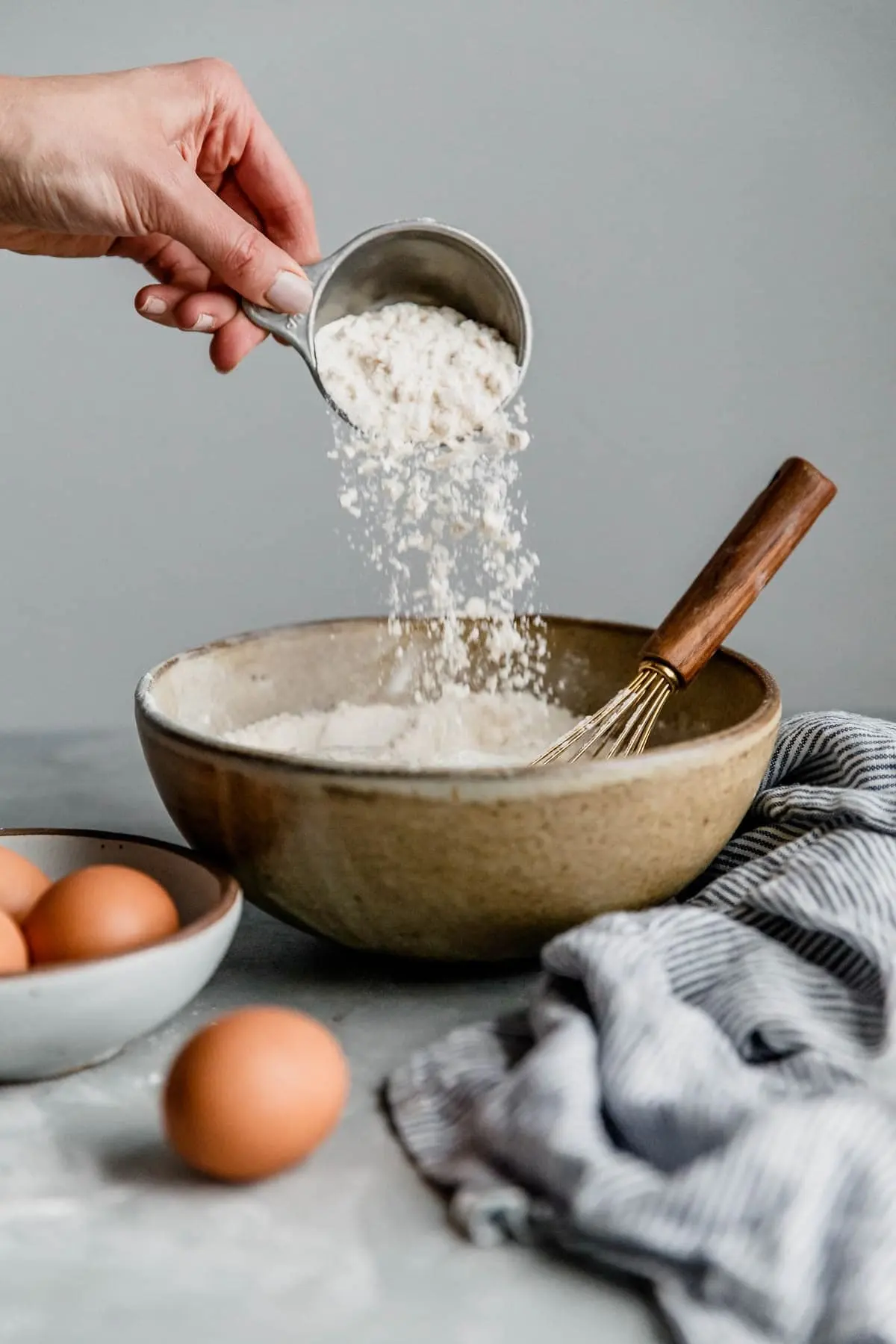
The most accurate method is using a digital kitchen scale to measure by weight in grams. If using cups, spoon the flour into the measuring cup and level it off with a knife rather than scooping directly from the bag.
Is self-rising flour the same as all-purpose flour?
No, self-rising flour has baking powder and salt already mixed into it. You cannot use it in recipes that call for all-purpose flour unless you adjust the other leavening agents in the recipe.
This answer was created with the help of AI research tools and reference sources. Spotted an error? Let us know — we correct mistakes quickly. See our editorial policy.