What is the difference between a violin and a fiddle?
Short answer
The violin and the fiddle are physically identical instruments, as both are members of the bowed string family with four strings tuned in perfect fifths. The distinction lies entirely in the musical context, playing technique, and stylistic approach. "Violin" typically refers to classical performance, while "fiddle" denotes folk, bluegrass, or traditional music genres.
On this page
What is the physical difference between a violin and a fiddle?
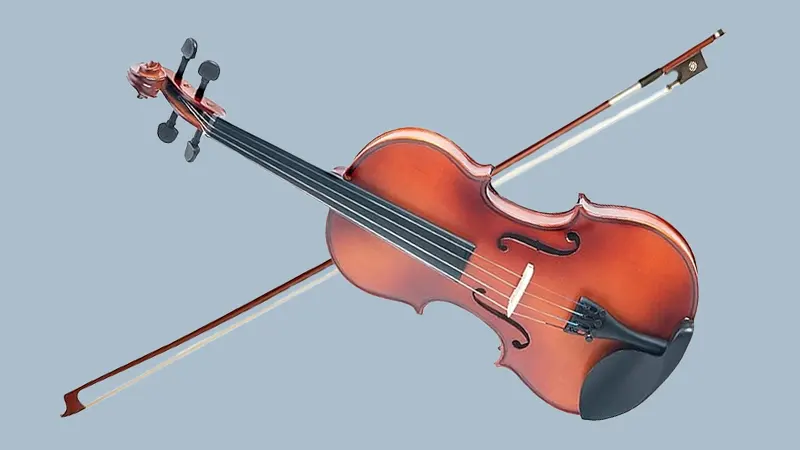
There is no structural difference between a violin and a fiddle. They are the same instrument, featuring a hollow wooden body, a neck, a fingerboard, and four strings played with a horsehair bow. Whether an instrument is labeled a violin or a fiddle depends solely on how it is being played and the repertoire being performed. A luthier does not build a "fiddle" differently than a "violin," as both require the same precision in bridge height, soundpost placement, and string tension to produce a resonant tone.
However, some players make minor adjustments to their instruments depending on the genre they play. Fiddlers often prefer specific setups to facilitate their playing style:
- Flat bridges: These make it easier to play double stops, or two strings at once, which is common in bluegrass and old-time music.
- Steel strings: Many fiddlers choose steel strings for a brighter, more percussive sound that cuts through the noise of a loud dance hall.
- Lower action: A slightly lower string height can make rapid bowing techniques and ornamentation more accessible for fast-paced folk tunes.
How does the playing technique differ?
Classical violinists focus on achieving a pure, sustained tone with consistent vibrato and precise intonation. They follow written scores strictly, emphasizing dynamic control and long, smooth bow strokes. The goal is often to blend into an orchestral section or perform a solo piece as written by the composer. In contrast, fiddlers prioritize rhythm, drive, and personal expression. They often use "shuffles" or "chopping" techniques, which involve percussive bow movements that mimic the beat of a drum.
Fiddling relies heavily on ornamentation rather than the sustained vibrato common in classical music. A fiddler might use "cuts," "rolls," or "slides" to add character to a melody. While a violinist might spend years perfecting a single concerto, a fiddler often learns tunes by ear, allowing for variations and improvisations that change with every performance. The focus shifts from technical perfection to the energy and communal spirit of the music, making the fiddle an essential component of dance-oriented traditions.
Which musical genres use which term?
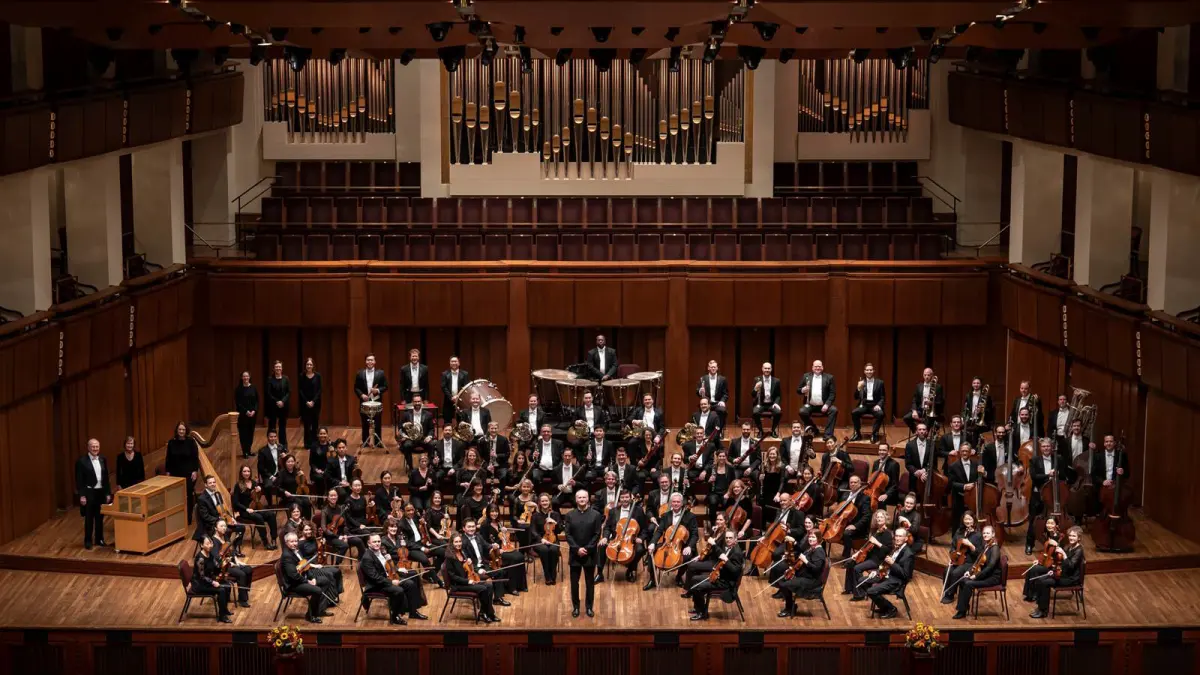
The term "violin" is almost exclusively used in the context of Western classical music, including chamber music, symphonic works, and solo concertos. When you see a performer wearing formal attire in a concert hall reading from sheet music, they are playing the violin. This tradition traces back to the Italian masters of the 16th and 17th centuries, such as Antonio Stradivari and Guarneri del Gesù, whose instruments set the standard for classical performance.
"Fiddle" is the preferred term in folk, country, bluegrass, Celtic, and Cajun music. These styles evolved from regional traditions where the instrument was used for social gatherings and dances. You will hear the term fiddle in the following contexts:
- Bluegrass: Characterized by high-speed solos and complex improvisation.
- Old-time: Focused on rhythmic, repetitive melodies designed for square dancing.
- Irish traditional: Known for rapid ornamentation and specific regional styles like the Donegal or Clare fiddling.
- Cajun: Often features a more bluesy, soulful tone with heavy use of double stops.
Common mistakes when switching styles
One common mistake for classical violinists transitioning to fiddling is over-relying on sheet music. Fiddling is an oral tradition, and relying on notation can prevent a player from internalizing the rhythmic "swing" or "groove" required for folk music. Another error is using too much vibrato; in many fiddle styles, a straight, clear tone is preferred, and excessive vibrato can make the music sound out of place. Conversely, a fiddler trying to play classical music must learn to control their bow arm to produce the long, sustained phrases that define the classical canon.
Players should also avoid the following habits when moving between genres:
- Ignoring the rhythm: Fiddling is dance music, and if the rhythm is not solid, the music fails.
- Neglecting dynamics: Classical violinists must learn to play with a more raw, aggressive attack for certain fiddle styles.
- Stiff posture: While classical playing requires a rigid, formal posture, some fiddle styles allow for a more relaxed, casual stance that facilitates rhythmic movement.
How to choose the right instrument for your needs
If you are buying your first instrument, you do not need to choose between a violin or a fiddle. Start by purchasing a high-quality student violin that is set up correctly by a professional luthier. Focus on the quality of the wood and the integrity of the construction rather than the label. A well-maintained instrument will serve you well regardless of whether you decide to pursue the rigors of a conservatory or the vibrant world of a local bluegrass jam session.
When selecting your gear, prioritize these features:
- A reliable bridge: Ensure it is properly fitted to the curve of the fingerboard.
- Quality strings: Ask your local shop for recommendations based on the genre you intend to study first.
- A balanced bow: A good bow is just as important as the violin itself for producing a clear tone.
- A sturdy case: Protect your investment from temperature changes and physical damage.
By focusing on these fundamentals, you can build a strong foundation that allows you to explore both the classical violin and the traditional fiddle with equal confidence and skill.
Key facts
- A violin and a fiddle are physically identical instruments, as both consist of four strings, a wooden body, and a bridge.
- The term "violin" is typically used in formal, classical settings, while "fiddle" is used in folk, bluegrass, and country traditions.
- Fiddlers often use a flatter bridge to make it easier to play double stops, which are two strings at once.
- Classical violinists generally use synthetic or gut strings, whereas fiddlers may prefer steel strings for a brighter, more percussive sound.
- Fiddling often incorporates stylistic techniques like slides, grace notes, and rhythmic bowing patterns not found in classical scores.
- When buying an instrument, focus on the quality of the wood and craftsmanship rather than the label, as any violin can be played as a fiddle.
The bottom line
The distinction between a violin and a fiddle is cultural rather than physical. While the instruments are structurally identical, the terminology reflects the musical tradition and the specific performance style being employed. Whether you are playing a Mozart concerto or a bluegrass breakdown, you are using the same versatile tool. Focus on your technique and musical expression rather than the label, as both roles require equal dedication.
People also ask
Can I play classical music on a fiddle?
Yes, you can play classical music on any violin, regardless of how it is set up. However, a fiddle optimized for folk music may lack the nuanced tonal range required for complex orchestral pieces.
Do fiddlers use different bows than violinists?
While they use the same basic bow, some fiddlers prefer a slightly heavier bow to facilitate aggressive, rhythmic bowing styles. Classical violinists often seek lighter bows that offer greater agility for intricate passages.
Is it harder to learn the fiddle than the violin?
The technical requirements for intonation and fingering are identical for both. The primary difference lies in the repertoire and the specific stylistic nuances you choose to master.
Why do some fiddlers use a shoulder rest and others do not?
A shoulder rest helps maintain posture for long classical performances, but many traditional fiddlers prefer to play without one. Playing without a rest can allow for more freedom of movement, which is helpful for certain folk techniques.
Can I convert a classical violin into a fiddle?
You can easily transition a violin to a fiddle by changing the string type or adjusting the bridge height. These minor modifications are often enough to alter the instrument's projection and playability for folk genres.
Are fiddles cheaper than violins?
There is no price difference based on the name, as both are the same instrument. Costs are determined entirely by the age, provenance, materials, and quality of the violin's construction.
This answer was created with the help of AI research tools and reference sources. Spotted an error? Let us know — we correct mistakes quickly. See our editorial policy.