How do you improve fine motor skills?
Short answer
Improving fine motor skills involves consistent practice of tasks requiring hand-eye coordination, finger dexterity, and muscle control. Activities like drawing, manipulating small objects, and playing musical instruments strengthen the intrinsic muscles of the hands. Regular, focused repetition over several weeks typically yields measurable improvements in precision, grip strength, and overall manual control.
On this page
How to improve fine motor skills through daily practice
Fine motor skills rely on the coordination of small muscle groups in the fingers, hands, and wrists. To enhance these abilities, you must engage in activities that challenge your current level of dexterity. Consistent, short sessions are more effective than infrequent, long practice periods. Aim for 15 to 20 minutes of focused activity daily to see steady progress in your control and speed.
You can incorporate these exercises into your routine using common household items:
- Threading beads or dry pasta onto a string to improve pincer grasp.
- Using tweezers to move small objects like dried beans from one bowl to another.
- Folding paper into intricate shapes or origami to increase finger precision.
- Playing with modeling clay or putty to build resistance and hand strength.
- Typing or playing a musical instrument, such as the piano or guitar, to refine finger independence.
How long does it take to see results
The timeline for improvement varies based on the individual's starting point and the consistency of their training. Most people begin to notice subtle changes in their hand precision after three to four weeks of daily practice. Significant gains in complex tasks, such as calligraphy or detailed assembly, often require three to six months of dedicated effort. Neurological adaptation, or neuroplasticity, is the underlying mechanism that allows the brain to rewire itself to handle these tasks with greater ease.
Progress is rarely linear, so it is normal to experience plateaus where your skills feel stagnant. To overcome these, introduce new, slightly more difficult challenges to your routine. If you are practicing a specific task, such as sketching, keep a log of your progress to stay motivated. Tracking your success through objective measures, such as time taken to complete a task or the accuracy of your movements, helps maintain focus.
Best tools for beginners to build dexterity
If you are just beginning to focus on fine motor development, start with tools that offer tactile feedback and manageable resistance. Beginners often benefit from activities that do not require high levels of strength but demand high levels of focus. Using the right equipment ensures that you are not overstraining your muscles while you learn the necessary movements.
Consider these recommended tools for starting your journey:
- Ergonomic pens or pencils with textured grips to reduce fatigue.
- Squeezable stress balls or therapy putty of varying firmness levels.
- Building blocks or interlocking bricks that require precise alignment.
- Lacing cards that help bridge the gap between visual perception and physical movement.
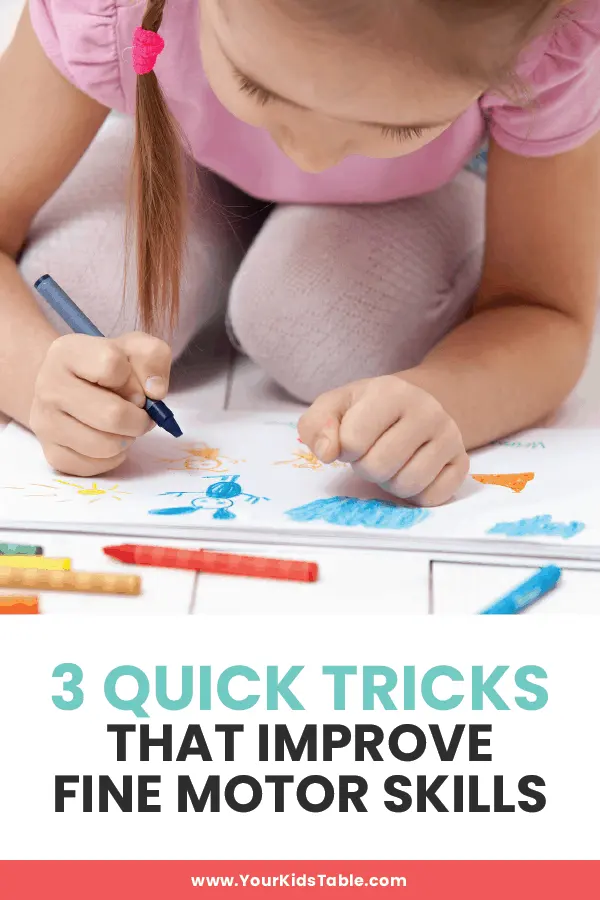
- Adult coloring books with small, detailed patterns that require controlled strokes.
Avoid starting with overly complex tasks, such as watchmaking or micro-soldering, as these can lead to frustration and muscle tension. Focus instead on mastering basic grips before moving to more intricate, high-stakes activities.

Why poor fine motor control happens
Fine motor control can be hindered by a variety of factors, ranging from lack of practice to underlying physiological issues. In many cases, it is simply a matter of under-stimulation; if you do not regularly use your hands for precise tasks, the neural pathways governing those movements become less efficient. Other factors include muscle weakness, joint stiffness, or conditions that affect the central nervous system, such as arthritis or nerve compression.
Age also plays a significant role in motor precision. As we age, the loss of muscle mass and joint flexibility can make previously simple tasks feel difficult. Recognizing that your motor skills can be maintained or improved at any age is the first step toward addressing these challenges. If you feel that your lack of coordination is sudden or accompanied by pain, it is advisable to consult a medical professional to rule out injury or neurological conditions before starting an intensive training regimen.
Common mistakes when training fine motor skills
A frequent error is practicing for too long at once, which leads to muscle fatigue and poor form. When your hands are tired, you are more likely to compensate with larger muscle groups, such as your shoulders or forearms, rather than the intended finger muscles. This compensation can lead to repetitive strain injuries and poor technique that becomes difficult to correct later. Always stop if you feel sharp pain or cramping in your hands or wrists.
Another mistake is neglecting the importance of hand-eye coordination. Fine motor skills are inextricably linked to your visual system; if your eyes are not tracking the movement correctly, your hands will struggle to execute the command. Ensure you have adequate lighting and a comfortable, stable workspace. Avoid rushing through your exercises, as speed is a byproduct of accuracy, not a prerequisite for it. By focusing on slow, deliberate movements, you train your brain to execute the task correctly every single time, which eventually allows for natural increases in speed and fluidity.
Key facts
- Fine motor skills involve the coordinated movement of small muscles in the hands, fingers, and wrists.
- Daily practice with activities like buttoning shirts or using tweezers can significantly improve dexterity over time.
- Occupational therapists often recommend "pincer grasp" exercises, which involve picking up small objects using only the thumb and index finger.
- Playing musical instruments, such as the piano or guitar, requires complex finger independence that strengthens neural pathways.
- Consistent practice for just 10 to 15 minutes a day is more effective than infrequent, long sessions.
- Using clay or putty provides necessary resistance training to build the intrinsic muscles of the palm.
The bottom line
Improving fine motor skills requires a combination of consistent practice, patience, and targeted resistance exercises. By engaging in daily activities that demand precision, such as drawing, playing instruments, or manipulating small objects, you can enhance your dexterity and neural control. Remember to prioritize quality of movement over speed, as slow and controlled repetitions are the most effective way to build lasting coordination in your hands and fingers.
People also ask
At what age do children typically develop fine motor skills
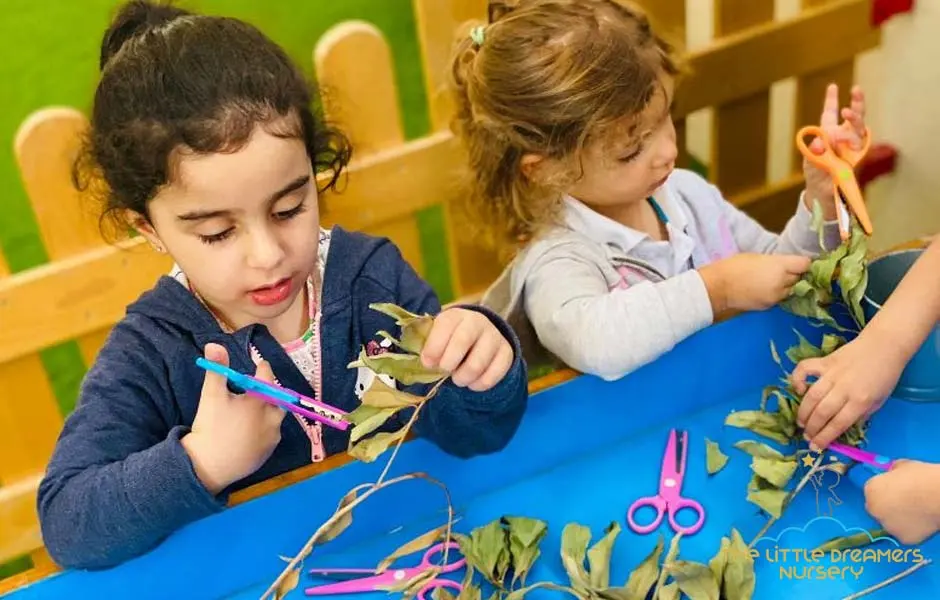
Children begin developing these skills in infancy, starting with the palmar grasp around four months. By age five, most children have the coordination required for tasks like writing and using scissors.
Can adults improve their fine motor skills after a stroke or injury?
Yes, neuroplasticity allows the brain to reorganize and form new neural connections through repetitive physical therapy. Targeted exercises can help regain lost function even years after an initial injury.
Are there specific hobbies that help with hand-eye coordination?
Hobbies such as knitting, embroidery, model building, and calligraphy are excellent for refining precision. These activities require sustained focus and controlled, repetitive movements of the fingers.
How do I know if I have a fine motor skill deficiency?
Common indicators include difficulty with handwriting, frequent dropping of small items, or struggles with daily tasks like zipping a jacket. A professional evaluation by an occupational therapist can provide a formal diagnosis.
Does poor grip strength affect fine motor control?
Grip strength is foundational; weak hand muscles make it harder to stabilize the hand for precise movements. Strengthening the forearm and hand muscles often leads to better control during delicate tasks.
What are the most common mistakes when practicing these skills?
The most frequent error is rushing through tasks rather than focusing on slow, deliberate movements. Another mistake is ignoring signs of hand fatigue, which can lead to cramping or repetitive strain injuries.
This answer was created with the help of AI research tools and reference sources. Spotted an error? Let us know — we correct mistakes quickly. See our editorial policy.