What is an art fair?
Short answer
An art fair is a temporary marketplace where galleries, dealers, and artists gather to exhibit and sell contemporary or historical artworks to collectors, curators, and the public. These events function as high-stakes commercial hubs, facilitating global art trade, networking, and the discovery of new talent within a condensed, multi-day professional setting.
On this page
How do art fairs work?
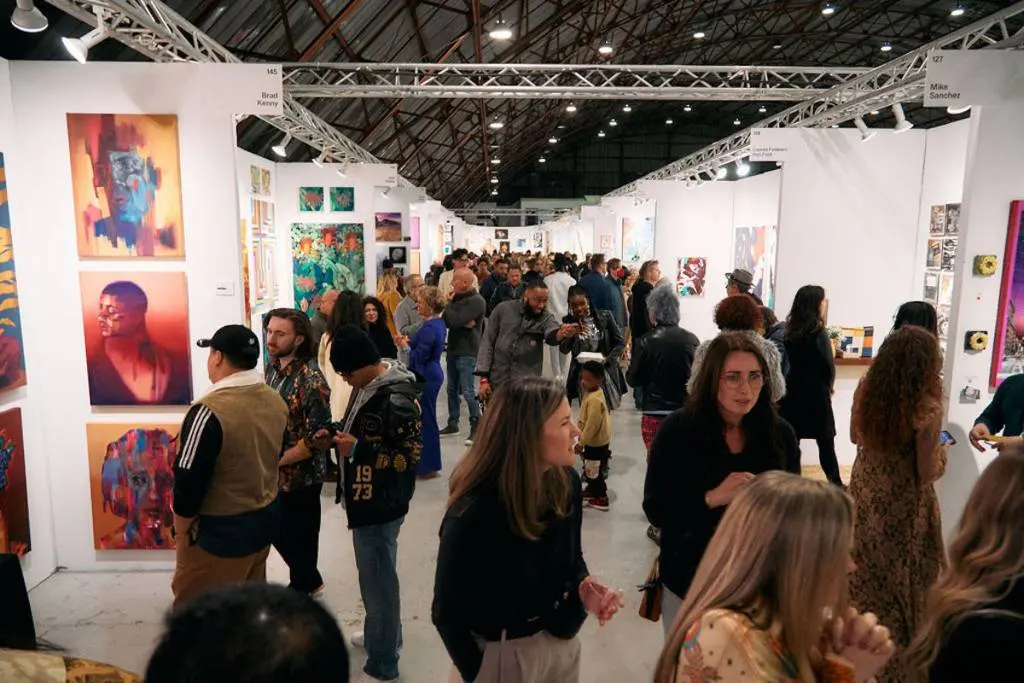
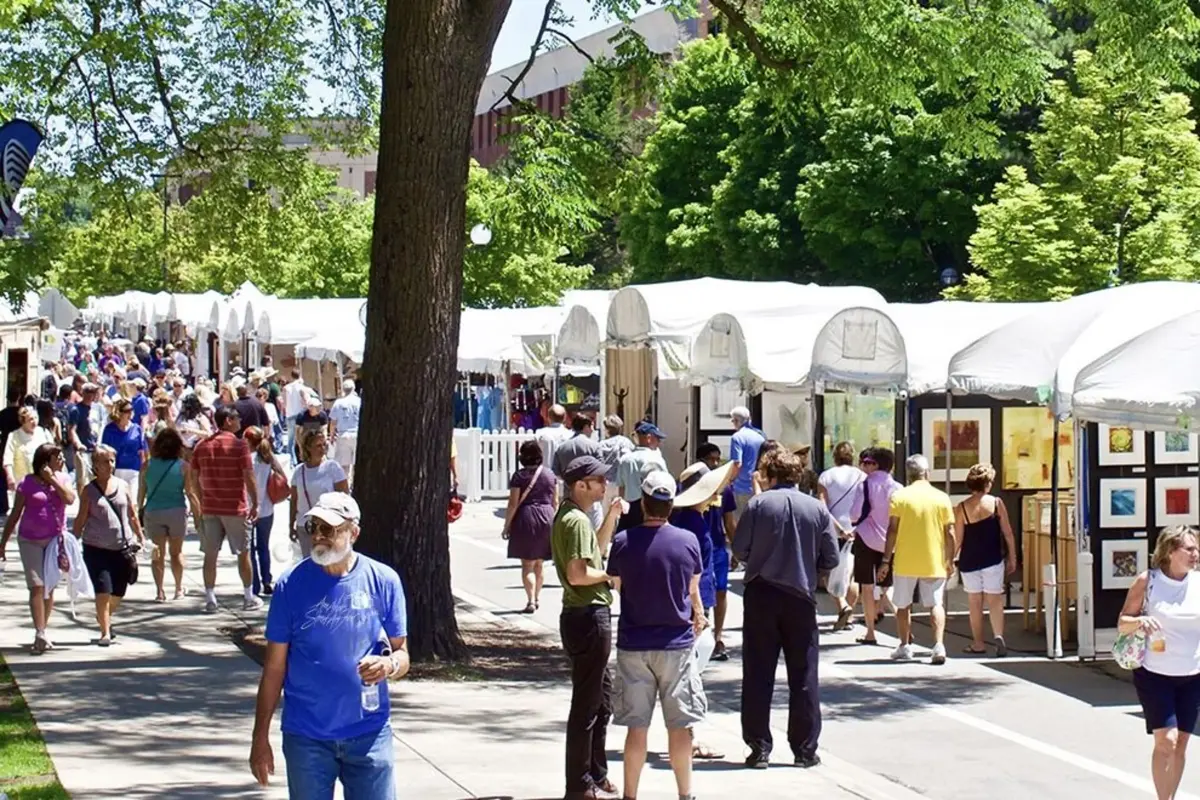
Art fairs operate as curated trade shows where galleries rent booths to showcase their represented artists. Unlike traditional museum exhibitions, the primary goal of an art fair is the immediate sale of inventory. These events are typically organized by professional fair companies that vet galleries to ensure high standards of quality and authenticity.
The logistics involve transforming vast convention centers or public parks into sophisticated gallery spaces. Galleries spend months preparing their selections, shipping artworks, and designing booth layouts to attract potential buyers. During the event, dealers engage in rapid-fire sales, often closing deals within the first few hours of a VIP preview.
Key elements of the art fair ecosystem include:
- VIP Previews: Exclusive early-access periods for top collectors and museum curators.
- Public Days: General admission windows where the broader public can view and purchase work.
- Satellite Fairs: Smaller, concurrent events that capitalize on the influx of international collectors in a specific city.
- Programming: Panel discussions, guided tours, and artist talks designed to add educational value.
Why do art fairs matter?
Art fairs serve as the engine of the global art market, providing a centralized location for international commerce. By bringing together hundreds of galleries from different continents, these events reduce the time and cost required for collectors to view diverse works. They provide a unique snapshot of current trends, price points, and aesthetic movements.
For galleries, these events are essential for maintaining visibility and meeting new clients. A successful fair can generate a significant portion of a gallery’s annual revenue. For artists, being featured at a major fair can lead to museum acquisitions, critical acclaim, and increased market value, effectively launching or sustaining careers on a global scale.
The economic impact of these events is substantial, often generating millions of dollars for the host city’s hospitality and tourism sectors. Major global hubs for these gatherings include:
- Art Basel (Basel, Miami Beach, Hong Kong)
- Frieze (London, New York, Los Angeles, Seoul)
- The Armory Show (New York)
- TEFAF (Maastricht, New York)
How to navigate an art fair as a beginner
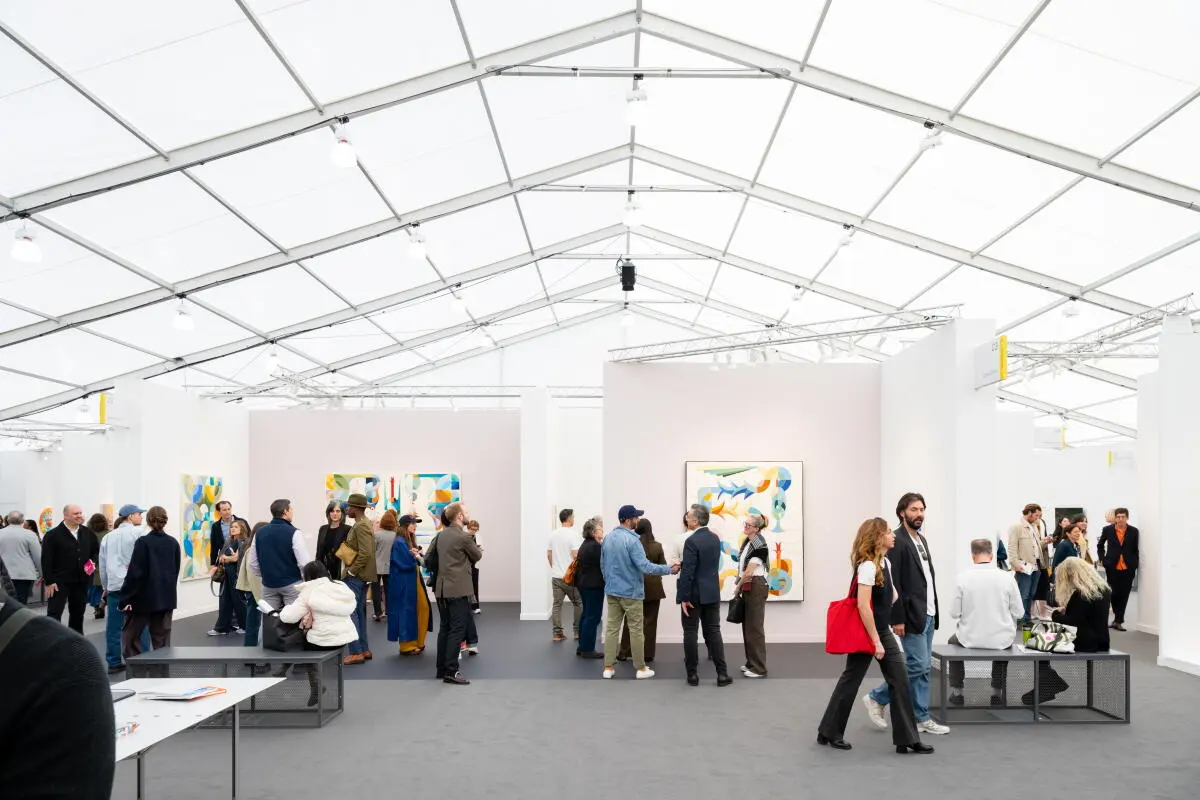
Attending a large art fair can be overwhelming due to the sheer volume of work on display. To maximize your experience, treat the event like a marathon rather than a sprint. Prioritize which sections of the fair you want to see based on your interests, such as photography, sculpture, or emerging contemporary painting.
If you are interested in purchasing, do not be afraid to ask questions. Galleries expect visitors to inquire about prices, artist backgrounds, and the availability of specific pieces. Always request a price list or a digital catalog if one is available. Most importantly, wear comfortable shoes and stay hydrated, as you will likely spend hours walking through vast halls.
Follow these steps for a successful visit:
- Research the exhibitor list online before arriving to identify galleries that align with your taste.
- Register for a general admission ticket in advance to avoid long queues at the entrance.
- Use the fair’s official app or map to locate specific booths and scheduled talks.
- Take notes or photos of works you like, ensuring you record the gallery name and artist for later research.
Common mistakes when buying at art fairs
One of the most frequent errors beginners make is rushing into a purchase without proper vetting. Because fairs are high-pressure environments, it is easy to feel coerced by the fear of missing out. Always take time to step away from the booth, walk around the fair, and consider the purchase before committing funds.
Another mistake is failing to account for secondary costs. When buying art at a fair, remember that the price listed rarely includes shipping, insurance, or professional installation. Additionally, verify the provenance of the work and ensure that all documentation, such as a certificate of authenticity, is provided by the gallery before finalizing the transaction.
Avoid these common pitfalls:
- Buying solely based on trends without personal connection to the work.
- Forgetting to ask about the gallery’s return or exchange policy.
- Neglecting to check the condition of the artwork under different lighting conditions.
- Assuming the first price mentioned is the only price; some galleries may offer a standard discount to new clients.
How to prepare for an art fair visit
Preparation is the difference between a chaotic experience and a productive one. Begin by checking the fair’s website for the list of participating galleries and the floor plan. If you have a specific budget or a particular artist in mind, contact the gallery ahead of time to see if they will have relevant pieces on display.
If you are a serious collector, try to secure a VIP pass if possible, as it grants access to quieter viewing times. Dress appropriately for the setting, which usually leans toward "gallery chic"—professional yet comfortable. Keep your phone charged for taking notes and capturing details, and always carry a small notebook for jotting down the names of artists you discover.
Finally, remember that art fairs are social events. Engage with the gallery staff, as they are often the artists' representatives and can provide deep insight into the creative process. Building a relationship with a dealer can lead to invitations to future exhibitions and early access to new works, turning a single visit into a long-term professional connection.
Key facts
- An art fair is a temporary, large-scale commercial event where galleries exhibit and sell works by their represented artists to collectors, curators, and the public.
- Major international fairs, such as Art Basel, Frieze, and TEFAF, operate as global hubs that dictate market trends and facilitate high-value transactions.
- Most fairs require galleries to apply for a booth, undergo a vetting process, and pay significant rental fees to participate.
- Fairs are categorized by focus, ranging from contemporary and modern art to specialized niches like photography, antiquities, or design.
- Visitors should wear comfortable shoes and plan their visit in advance, as major fairs often span hundreds of thousands of square feet.
- Avoid the mistake of assuming all art at a fair is for sale; some pieces are reserved for museum acquisitions or private VIP clients before the doors open.
The bottom line
Art fairs serve as the beating heart of the global art market, functioning as temporary marketplaces where galleries, collectors, and institutions converge. By centralizing thousands of works in one location, they provide an unparalleled opportunity to survey current artistic trends and make significant acquisitions. Whether you are a seasoned collector or a curious newcomer, these events offer a unique, high-energy glimpse into the professional world of contemporary art.
People also ask
How do I know if an art fair is open to the public?
Most major art fairs have specific "public days" following an exclusive preview period for VIPs and press. Check the official event website to purchase tickets, which are often cheaper when bought in advance.
Is it appropriate to negotiate prices at an art fair?
Yes, it is common practice to ask for a discount, often referred to as a "fair discount," which typically ranges from 5 to 15 percent. However, always conduct these discussions discreetly with a gallery representative rather than in front of other potential buyers.
Do I need to be a serious collector to attend an art fair?
No, anyone can attend, though the atmosphere is primarily professional and transactional. It is a fantastic environment for art enthusiasts to learn about new artists and compare works from galleries across the globe.
What is a VIP preview?
A VIP preview is an exclusive opening session held before the general public is admitted. These sessions are reserved for top collectors, museum directors, and high-profile guests to secure the best works before they sell out.
Can I buy art directly from the artist at a fair?
Generally, no; art fairs are designed for galleries to represent their artists. You will interact with gallery staff, who manage the sales process, shipping, and documentation for the artworks on display.
What should I bring to an art fair?
Bring a digital device to take notes on artists you like, a bottle of water, and a bag for brochures. Avoid bringing large backpacks, as many fairs prohibit them for security reasons and to prevent accidental damage to the art.
This answer was created with the help of AI research tools and reference sources. Spotted an error? Let us know — we correct mistakes quickly. See our editorial policy.