How do you prepare for an art show?
Short answer
Preparing for an art show requires meticulous planning, beginning at least six months in advance. You must curate a cohesive body of work, secure a venue, manage professional logistics like insurance and marketing, and design an inviting display. Success hinges on organization, consistent branding, and proactive engagement with your potential audience.
On this page
How long does it take to prepare for an art show?
Most professional artists require a minimum of six months to prepare for a successful exhibition. This timeframe allows for the creation of new pieces, the framing of works, and the development of marketing materials. Rushing the process often leads to inconsistent aesthetic quality and logistical oversights. If you are preparing for a major solo show, consider extending this window to twelve months to account for unforeseen production delays.
The timeline should be broken down into distinct phases to ensure steady progress. Use the following schedule as a foundational guide:
- 6 months out: Finalize the theme and secure the venue.
- 4 months out: Complete the primary body of work and begin framing.
- 2 months out: Send out press releases and launch digital invitations.
- 1 month out: Finalize logistics, including insurance and transport.
- 1 week out: Conduct a mock installation to test lighting and layout.
Best tools for art show logistics
Organization is the backbone of any exhibition. You should maintain a comprehensive inventory spreadsheet that tracks every piece, including dimensions, medium, title, and retail price. Professional artists often use specialized software or simple cloud-based databases to manage these details. Having this data readily available prevents confusion during the frantic setup period and ensures you have accurate information for sales documentation.
Beyond inventory, you will need a professional toolkit for the installation day. Many galleries provide basic hardware, but being self-sufficient saves time and stress. Consider packing the following essentials in a dedicated box:
- A laser level for perfectly horizontal alignment.
- A high-quality drill with extra bits and drywall anchors.
- Measuring tape, pencils, and erasers.
- Touch-up paint and a small brush for wall repairs.
- Clean microfiber cloths for dusting frames and glass.
- A small first-aid kit for minor cuts or scrapes.
How to curate a cohesive art collection
A strong exhibition relies on a clear narrative or visual theme that ties the works together. Avoid displaying every piece you have created in the last year; instead, select works that complement one another in color palette, subject matter, or technique. Curating is the art of subtraction. By removing outliers that distract from the central theme, you create a more immersive and professional experience for the viewer.
Consider the flow of the gallery space when selecting your pieces. Think about how the viewer will move through the room and where the "hero" pieces should be placed to anchor the collection. If you are struggling to find a theme, group your works by size or medium to create a sense of rhythm. A well-curated show feels like a conversation between the pieces rather than a random collection of disparate items.
Common mistakes when planning an art show
One of the most frequent errors artists make is failing to account for proper lighting. Even the most stunning painting can appear dull if the gallery lighting is poorly positioned or creates distracting glare. Always test your lighting setup during a trial run, ensuring that spotlights are angled to avoid harsh reflections on glass or varnished surfaces. Proper illumination is essential for highlighting the texture and color depth of your work.
Another common pitfall is neglecting the administrative side of the show. Many artists focus entirely on the creative process and forget to prepare for the business of selling. Failing to have a clear pricing strategy, a guest book for collecting email addresses, or a reliable payment processing system can lead to missed sales opportunities. Always ensure you have business cards, a price list, and a way to accept payments before the doors open to the public.
Why marketing is essential for art shows
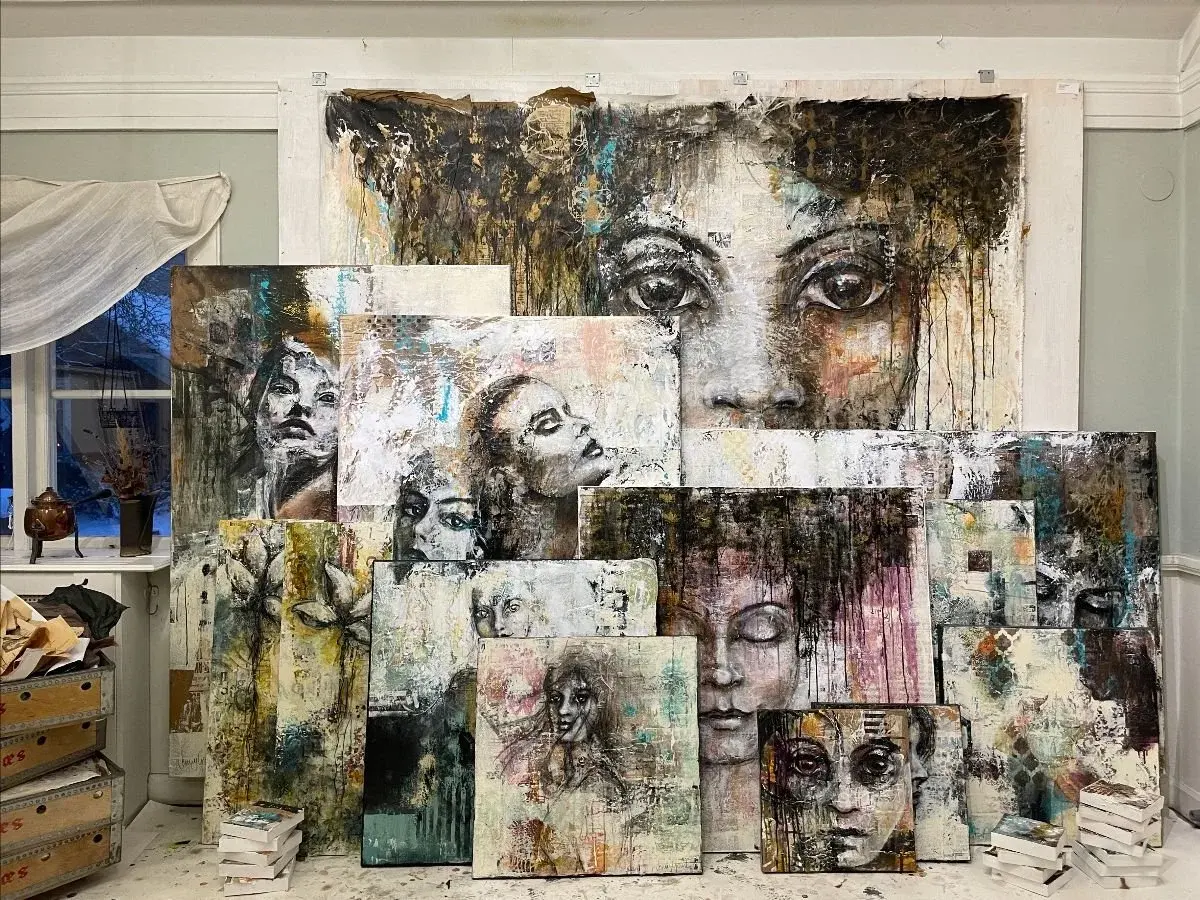
Even the most talented artist will struggle to sell work if no one attends the exhibition. Marketing should be an active, ongoing effort that begins weeks before the opening night. Utilize social media platforms to share "behind-the-scenes" content, such as photos of your studio process or sneak peeks of the finished pieces. This builds anticipation and personal connection with your audience long before they step into the gallery.
Effective promotion involves a mix of digital and traditional outreach strategies. Do not rely solely on social media algorithms to reach your potential collectors.
- Create a professional email newsletter to keep your existing collectors informed.
- Reach out to local newspapers or art blogs to request a feature or listing.
- Print high-quality postcards and distribute them to local cafes, libraries, and businesses.
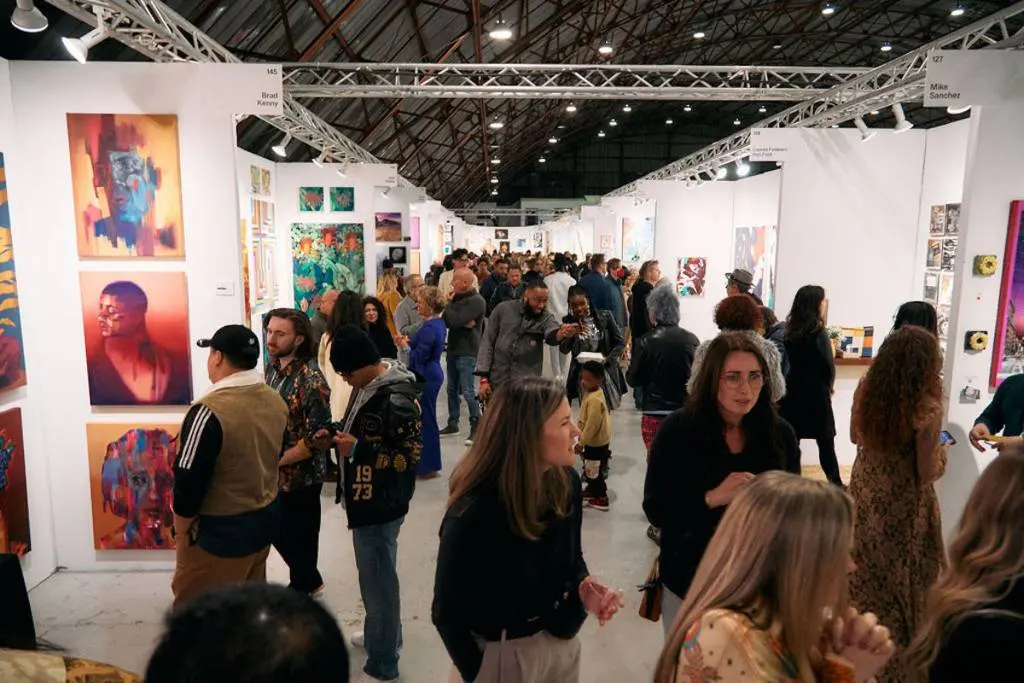
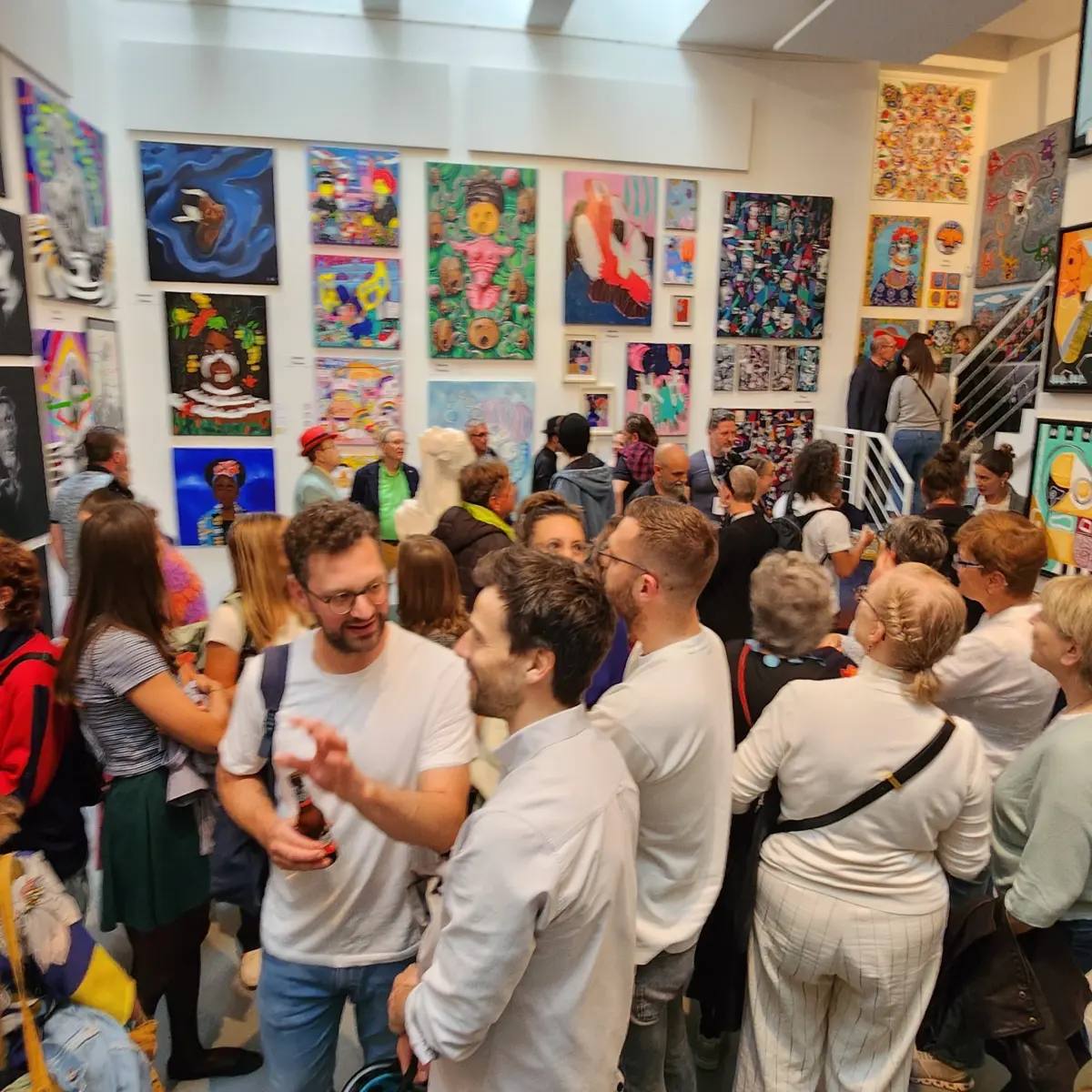
- Host an opening reception with light refreshments to encourage attendance and conversation.
By combining these efforts, you maximize your reach and ensure a successful turnout for your event.
Key facts
- Aim to complete your final pieces at least four weeks before the opening date to allow for drying, varnishing, and framing.
- Create a professional inventory list including titles, dimensions, mediums, and retail prices for every piece in the show.
- Prepare a cohesive portfolio or "artist statement" that explains your creative process and the thematic connection between your works.
- Measure your display space in advance and use a floor plan to determine the optimal flow for visitors.
- Ensure all hanging hardware, such as D-rings or wire, is professional-grade and rated for the weight of your specific frames.
- Send press releases to local newspapers and galleries at least three weeks before the event to maximize attendance.
The bottom line
Preparing for an art show requires a balance of creative finalization and logistical precision. By organizing your inventory, securing professional hardware, and marketing your event well in advance, you create a seamless experience for your audience. Focus on presenting a cohesive body of work and maintaining a professional presence, as these elements are just as vital to your long-term success as the art itself.
People also ask
How do I price my artwork for a show?
A common formula is to multiply the height plus the width of the piece by a set dollar amount per united inch, or to use a square-inch rate. Research similar artists in your region to ensure your pricing is competitive and reflects your experience level.
What is the best way to display small works?
Group small pieces together on a single wall to create a "salon-style" hang, which prevents them from looking lost in a large space. Use consistent framing styles to tie the collection together visually.
Should I provide refreshments for the opening?
Providing light refreshments like wine, sparkling water, or finger foods encourages guests to linger longer in the gallery. Check with the venue first, as some spaces have specific policies regarding food and beverage service.
How do I handle sales during the show?
Keep a ledger or a digital point-of-sale system ready to record buyer contact information and payment details immediately. Always have a supply of bubble wrap and sturdy bags available so buyers can safely transport their purchases.
What should I wear to my own art show?
Dress in professional, comfortable attire that reflects your personal brand as an artist. Remember that you will be standing for several hours, so prioritize supportive footwear.
How do I respond to criticism from visitors?
Maintain a polite and professional demeanor, thanking the visitor for their perspective even if you disagree. You are not required to defend your work, so a simple "I appreciate your feedback" is often the best response.
This answer was created with the help of AI research tools and reference sources. Spotted an error? Let us know — we correct mistakes quickly. See our editorial policy.