What is an icon in art?
Short answer
An icon is a sacred image, typically a painting on wood, used primarily in Eastern Orthodox and Eastern Catholic traditions. It serves as a window to the divine, intended for veneration rather than worship. Icons follow strict stylistic conventions, emphasizing spiritual symbolism and timelessness over realistic human perspective or anatomical accuracy.

On this page
What defines an icon in art?
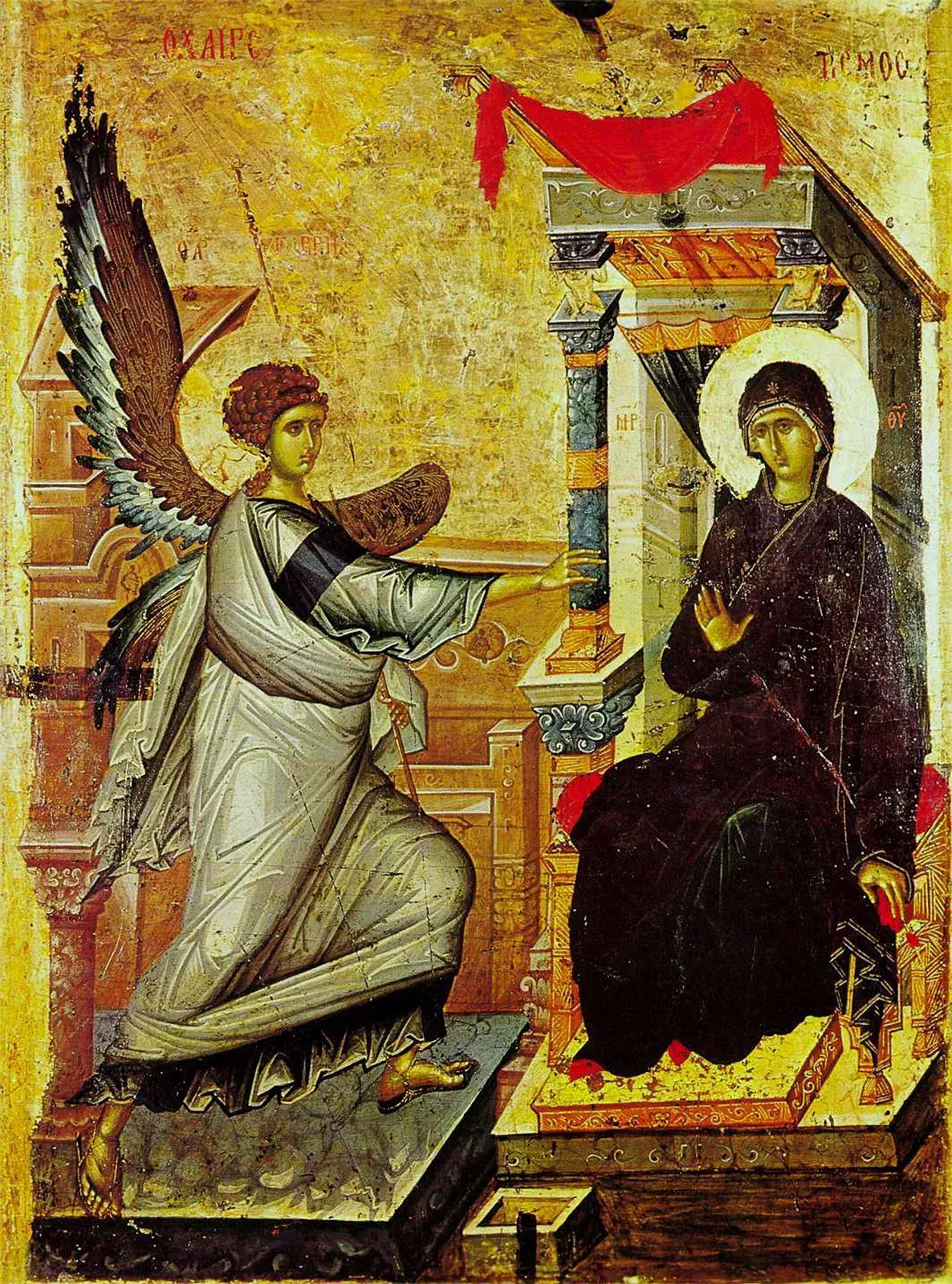
An icon is defined by its function as a liturgical object rather than a decorative painting. Originating from the Byzantine Empire, these images depict Christ, the Virgin Mary, saints, or biblical events. Unlike secular art, the iconographer does not sign their work, as the image is considered a manifestation of a holy presence rather than a personal creative expression.
The aesthetic of an icon is governed by "canon," a set of traditional rules that dictate how figures must be portrayed. These rules ensure consistency across centuries, maintaining the theological integrity of the image. Key visual characteristics include:
- Reverse perspective, where lines converge toward the viewer rather than a vanishing point.
- Gold leaf backgrounds representing the uncreated light of heaven.
- Stylized, elongated facial features to emphasize spiritual rather than physical traits.
- Symbolic color palettes, such as blue and red for Christ to signify his dual nature.
How are traditional icons created?
The creation of an icon, often called "writing" rather than painting, is a meditative process involving specific materials. Traditionally, artists use egg tempera—a mixture of egg yolk, water, and natural mineral pigments—applied to a wooden panel prepared with gesso. This medium is chosen for its durability and luminosity, allowing the colors to remain vibrant for centuries.
The process follows a rigorous sequence that mirrors the theological journey of the subject:
- Prepare the wooden board with multiple layers of rabbit-skin glue and gesso.
- Transfer the design using a charcoal sketch or an incised outline.
- Apply the gilding, usually gold leaf, to represent the divine light.
- Paint the base colors, starting from the darkest tones and moving toward the lightest highlights.
- Apply the final inscriptions, which identify the holy figure and validate the icon.
Why are icons used in worship?
In the Eastern Orthodox tradition, icons are considered "windows to heaven." They are not idols to be worshipped, but rather focal points for prayer and contemplation. By venerating an icon, the believer directs their devotion toward the person depicted, such as a saint or Christ, rather than the wood and paint itself.
The use of icons became a point of intense theological conflict during the 8th and 9th centuries, known as the Iconoclastic Controversy. Opponents argued that any physical representation of the divine violated the prohibition against graven images. However, the Seventh Ecumenical Council in 787 AD affirmed that because God became human in the person of Jesus Christ, he could be depicted. This theological distinction remains central to how icons are understood today:
- Icons provide a visual bridge between the earthly and the heavenly realms.
- They serve as a form of "theology in color" for those who cannot read scripture.
- They are frequently kissed or bowed to during church services as an act of respect.
Common mistakes when identifying icons
One frequent error is confusing icons with Western religious paintings, such as those from the Italian Renaissance. While both depict holy subjects, Western art often emphasizes human emotion, naturalistic landscapes, and realistic anatomy. Icons, by contrast, reject these elements to prevent the viewer from becoming distracted by worldly beauty or individual psychology.
Another common mistake is assuming that all religious paintings are icons. To distinguish a true icon from other sacred art, look for these specific indicators:
- The absence of a horizon line or realistic shadows.
- The presence of formal, Greek or Church Slavonic lettering.
- The use of flat, two-dimensional planes instead of depth.
- A lack of focus on the artist's personal style or "brushwork."
- The specific gaze of the subject, which is almost always directed toward the viewer to invite personal communion.
How to appreciate icons as art
To appreciate an icon, one must shift focus away from the desire for realism. Instead, observe how the artist uses light and geometry to create a sense of stillness. The lack of perspective is intentional; it forces the viewer to remain in the present moment, creating a direct encounter between the person praying and the saint depicted.
When viewing a collection of icons, consider the following steps to deepen your understanding:
- Identify the subject by the inscriptions or the standard attributes held by the figure.
- Examine the use of gold leaf to see how it reflects light in the room.
- Notice the proportions of the figures, which are often distorted to emphasize the head and eyes, the seat of wisdom and spiritual vision.
- Reflect on the "reverse perspective," noting how the image seems to open up to you as you move.
- Observe the state of the wood and paint, as age and the accumulation of candle soot are often considered part of the icon's history and sanctity.
Key facts
- An icon is a religious work of art, most commonly a painting, from Eastern Christianity representing Jesus, Mary, saints, or angels.
- The word originates from the Greek eikon, meaning "image" or "likeness," and these objects are intended as windows into the divine rather than mere portraits.
- Traditional icons are painted on wooden panels using egg tempera, a mixture of pigment and egg yolk, often finished with gold leaf to signify heavenly light.
- The "reverse perspective" technique is frequently used, where lines converge toward the viewer rather than a distant vanishing point to emphasize the spiritual presence of the subject.
- Icons follow strict stylistic conventions established by church tradition, meaning the artist’s personal expression is secondary to preserving the theological integrity of the image.
- When viewing or creating an icon, avoid focusing on realistic anatomy or shadows, as the goal is to depict a transfigured, eternal reality rather than a physical one.
The bottom line
An icon is far more than a decorative painting; it is a sacred tool designed to bridge the gap between the human and the divine. By adhering to centuries-old artistic traditions, these images provide a meditative focus that transcends physical reality. Whether you are studying them in a museum or keeping one at home, icons offer a unique, timeless connection to spiritual history and artistic heritage.
People also ask
Are icons considered idols by the church?
No, the church distinguishes between worship, which is reserved for God alone, and veneration, which is shown to icons. Icons serve as reminders of the holy figures they depict, directing the viewer's devotion toward the divine prototype.
Why do icons often look flat or two-dimensional?
Icons intentionally avoid realistic depth to emphasize that the subjects exist in a timeless, spiritual realm. By flattening the image, the artist prevents the viewer from becoming distracted by worldly physical details.
Can anyone paint an icon?
While anyone can learn the technical skills, icon painting is traditionally viewed as a spiritual discipline. Artists often undergo training under a master and follow strict liturgical guidelines to ensure the work remains faithful to tradition.
What is the significance of the gold background in icons?
Gold leaf represents the uncreated light of heaven. It removes the subject from any specific earthly location or time period, placing them instead within the eternal presence of God.
Why are icons sometimes covered in metal casings?
These metal coverings, known as riza or oklad, were historically added to protect the delicate paint from candle smoke and physical wear. They also serve as an act of devotion, honoring the saint by adorning the image with precious materials.
How should one treat an icon at home?
An icon is typically kept in a clean, respectful space, often referred to as a "prayer corner." It is treated with reverence, kept away from dust, and placed where it can facilitate personal meditation or prayer.
This answer was created with the help of AI research tools and reference sources. Spotted an error? Let us know — we correct mistakes quickly. See our editorial policy.