How do you make homemade play dough?
Short answer
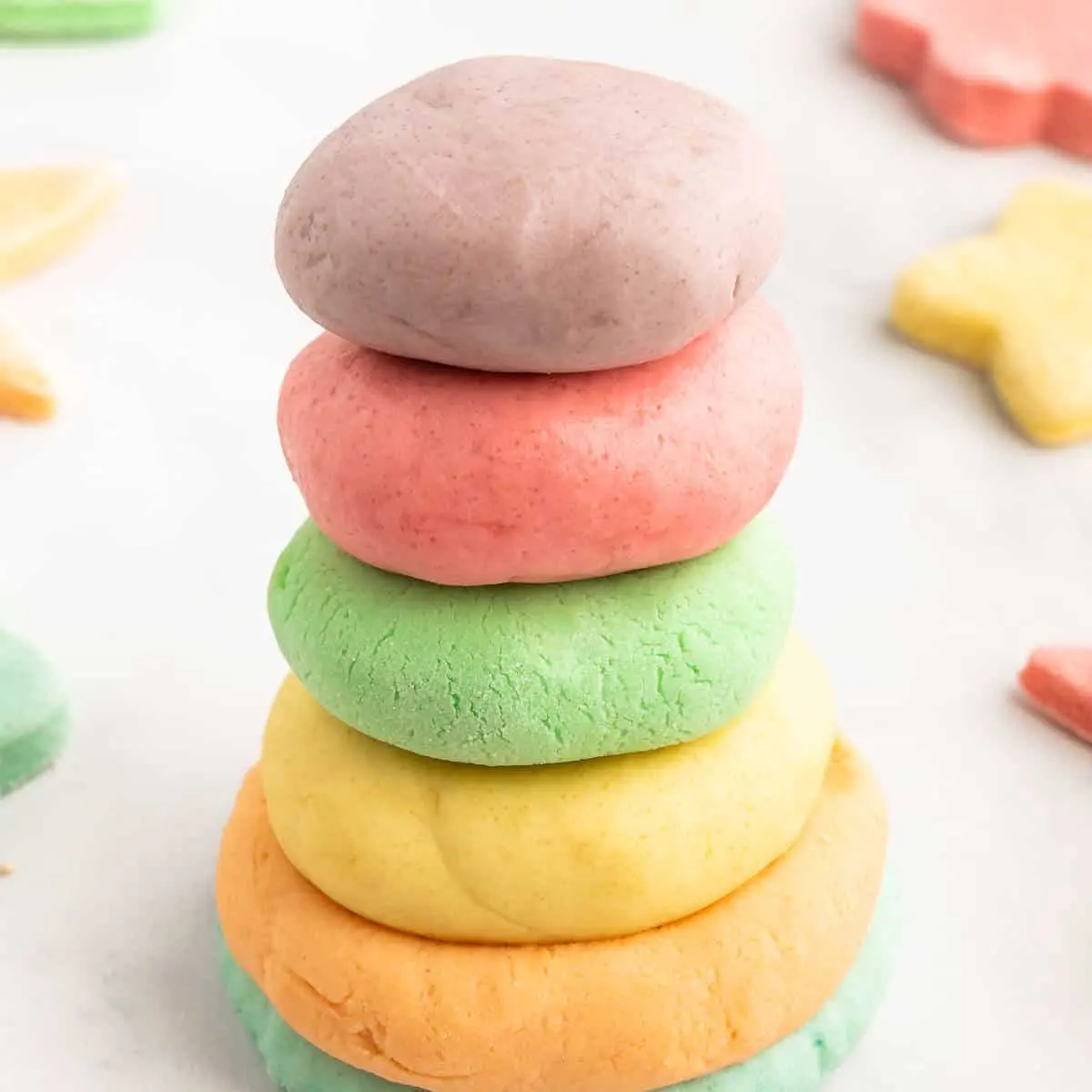
Homemade play dough is a simple mixture of flour, salt, cream of tartar, water, oil, and food coloring. By heating these ingredients on a stovetop, you create a soft, pliable, and non-toxic modeling compound. It is a cost-effective, customizable alternative to commercial brands that provides hours of tactile play for children.
On this page
How to make homemade play dough
Making play dough at home requires basic pantry staples and a few minutes of active stovetop time. The classic recipe relies on a chemical reaction between the salt and the cream of tartar to ensure the dough remains elastic rather than crumbly. You will need one cup of all-purpose flour, half a cup of salt, two teaspoons of cream of tartar, one cup of water, and one tablespoon of vegetable oil.
To prepare the dough, follow these steps:
- Whisk the dry ingredients together in a medium saucepan until well combined.
- Add the water, oil, and a few drops of food coloring to the pan.
- Cook the mixture over medium-low heat, stirring constantly with a sturdy spatula.
- Continue stirring until the dough pulls away from the sides of the pan and forms a cohesive ball.
- Remove the dough from the heat and knead it on a clean surface until it reaches a smooth, consistent texture.
How long does it take to make play dough
The entire process is remarkably efficient, typically taking less than ten minutes from start to finish. Preparation of the ingredients takes about two minutes, while the cooking phase usually lasts between three and five minutes depending on your stove's heat output. Cooling and final kneading add another two minutes of effort before the dough is ready for use.
Because the process is so rapid, it is essential to have all your measuring tools and ingredients ready before turning on the burner. If you leave the mixture unattended for even a few seconds while it is on the heat, the bottom can scorch or become overly dry. Once the dough reaches a ball-like consistency, remove it from the heat immediately to prevent it from hardening or developing a rubbery texture that is difficult for young children to manipulate.
Best ingredients for homemade play dough
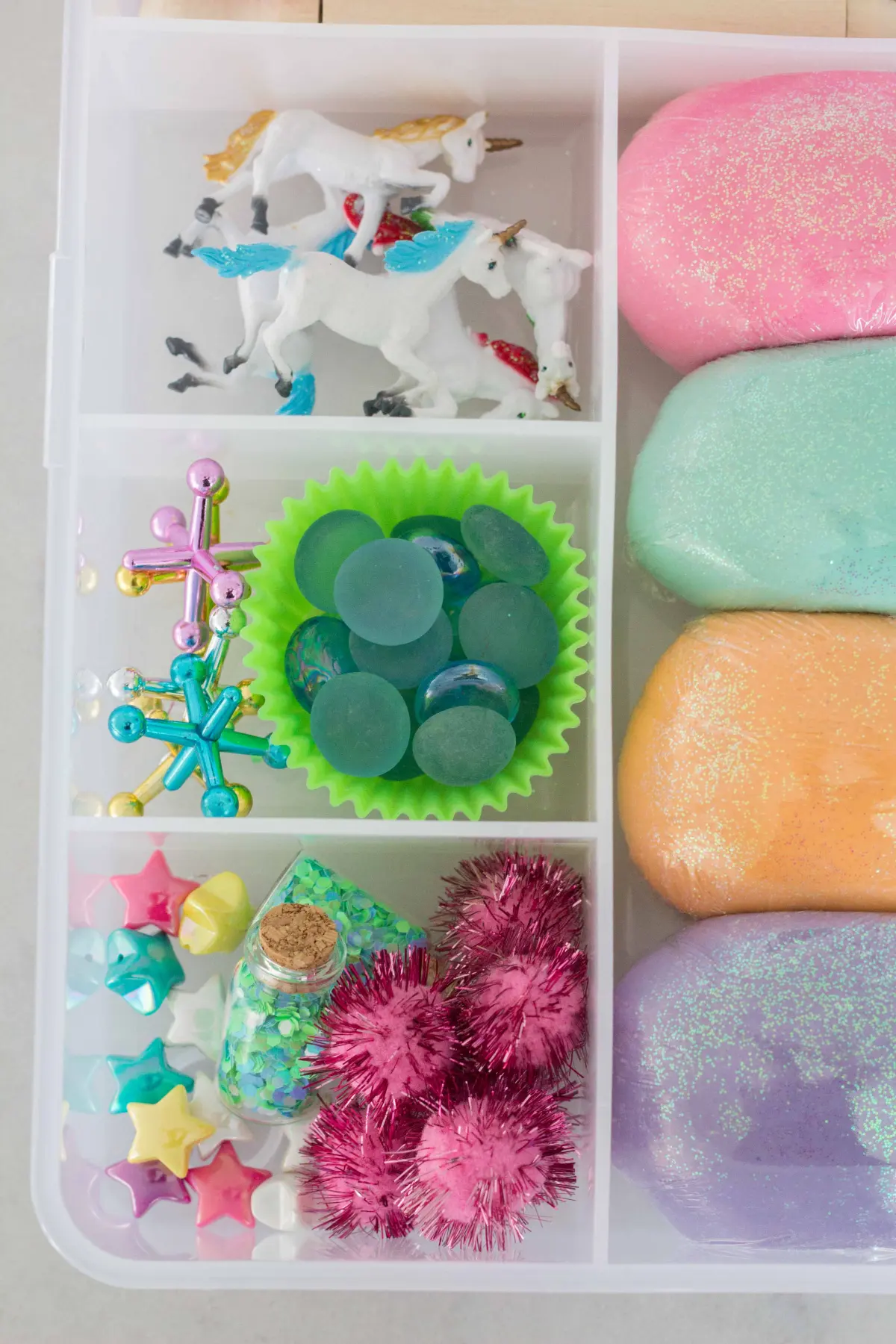
While the base recipe is simple, the quality of your ingredients significantly impacts the final result. All-purpose flour is the industry standard because it provides the necessary structure, though some crafters prefer using high-protein bread flour for a slightly more durable dough. Salt acts as a natural preservative, so do not reduce the amount listed in the recipe, as it prevents mold growth and maintains the dough's integrity over time.
Cream of tartar is the secret component that gives homemade dough its signature silky, professional feel. If you cannot find it, you can substitute it with two tablespoons of lemon juice or white vinegar, though the texture may be slightly less smooth. Vegetable oil, coconut oil, or baby oil are all acceptable fats that keep the dough from sticking to hands and surfaces. For scent, consider adding a few drops of essential oils like lavender or peppermint during the final kneading stage to enhance the sensory experience.
Common mistakes when making play dough
One of the most frequent errors is adding too much water, which results in a sticky, unmanageable mess. If your dough feels tacky after cooling, you can fix it by kneading in an extra tablespoon of flour until the stickiness disappears. Conversely, if you cook the mixture for too long, it will become dry and crack when stretched. If this happens, you can often revive the dough by working a small amount of warm water or vegetable oil back into the ball.
Another common mistake is failing to store the dough correctly once play is finished. Because this is a water-based product, it will dry out if left exposed to the air. Always keep the dough in an airtight container, a sealed plastic bag, or a glass jar. If you notice the dough becoming slightly stiff after a few days, a quick knead with damp hands is usually enough to restore its original softness and elasticity.
Why play dough gets moldy
Homemade play dough lacks the synthetic chemical preservatives found in commercial varieties, making it susceptible to mold if handled improperly. The primary cause of mold is the introduction of bacteria from dirty hands or contaminated surfaces during play. Always ensure that children wash their hands thoroughly before handling the dough to extend its shelf life. Additionally, keeping the play area clean prevents crumbs and debris from being folded into the mixture, which can accelerate spoilage.
To maximize the longevity of your homemade creation, keep it in a cool, dark place when not in use. If you notice any discoloration, an unpleasant odor, or visible fuzzy spots, discard the dough immediately. While the ingredients are non-toxic, mold spores are unhealthy to inhale or touch. By following these storage guidelines and maintaining hygiene, a single batch of homemade play dough can typically last for two to three weeks of consistent, safe, and creative use.
Key facts
- Homemade play dough typically lasts for two to four weeks when stored in an airtight container or sealable plastic bag.
- Cream of tartar is the essential ingredient that acts as a stabilizer to keep the dough soft and elastic.
- Cooking the mixture over medium-low heat until it forms a ball prevents the dough from becoming sticky or overly wet.
- Adding essential oils like lavender or peppermint can provide a pleasant scent, though they should be used sparingly.
- Gel food coloring produces more vibrant, consistent results than liquid food coloring and prevents the dough from becoming runny.
- If the dough feels too dry after cooling, kneading in a few drops of vegetable oil can restore its texture.
The bottom line
Creating homemade play dough is a simple, cost-effective activity that yields a superior texture compared to many commercial alternatives. By combining flour, salt, water, oil, and cream of tartar, you can produce a malleable, long-lasting sensory material. Proper storage in airtight containers is the most critical factor in maintaining its quality, ensuring hours of creative play while avoiding common issues like drying or mold growth.
People also ask
Can I make play dough without cooking it?
Yes, you can make a "no-cook" version by using boiling water mixed with flour, salt, and cream of tartar. Simply stir the dry ingredients together, add the boiling water slowly, and knead once the mixture is cool enough to handle.
How do I prevent my play dough from getting moldy?
Mold usually grows due to trapped moisture or contaminants from dirty hands. Ensure your hands and the kneading surface are clean before starting, and always store the dough in a cool, dry place.
Is homemade play dough safe if a child eats it?
While the ingredients are food-grade, the high salt content makes it unsafe for consumption. It is non-toxic, but it should be kept away from infants or pets who might try to ingest large amounts.
Why is my play dough crumbling after a few days?
Crumbling usually indicates that the dough has lost too much moisture or was cooked for too long. You can often salvage it by kneading in a small amount of warm water or vegetable oil until it becomes pliable again.
What is the best way to color the dough?
Add your food coloring to the water before mixing it with the dry ingredients to ensure an even distribution of color. If you want to make multiple colors, divide the dough into sections and knead the dye into each piece separately.
Can I bake homemade play dough to keep my creations?
Yes, you can bake your creations in an oven set to 200°F (95°C) for several hours until they are hard. Note that the salt content may cause the finished pieces to absorb moisture from the air over time, potentially softening them.
This answer was created with the help of AI research tools and reference sources. Spotted an error? Let us know — we correct mistakes quickly. See our editorial policy.