What crafts sell best at craft fairs?
Short answer
Handmade items that combine aesthetic appeal with daily utility sell best at craft fairs. Popular categories include personalized home decor, artisanal jewelry, natural skincare products, and functional kitchen textiles. Successful vendors prioritize items priced between $15 and $50, as these price points encourage impulse purchases while maintaining healthy profit margins for creators.
On this page
What crafts sell best at craft fairs
The most successful products at craft fairs are those that solve a problem or provide a unique emotional connection. Shoppers often look for items they cannot find in big-box retail stores, such as custom-engraved wooden cutting boards, hand-poured soy candles with unique scents, or locally sourced honey and jams. Items that serve as thoughtful gifts, particularly those that can be personalized on-site, consistently outperform generic inventory.
Market trends show that sustainability is a major driver for modern consumers. Products made from upcycled materials, such as tote bags crafted from vintage fabric or jewelry made from repurposed metals, often command higher prices. When selecting your inventory, focus on a cohesive theme rather than a broad variety of unrelated items. A focused booth allows customers to immediately identify your brand identity and expertise, which builds trust and increases the likelihood of a sale during a busy event.
How to price crafts for profit
Pricing your handmade goods requires a balance between covering your labor costs and remaining competitive within the local market. A common formula for beginners is to multiply the cost of materials by two or three, then add an hourly wage for your time. If you spend $5 on materials and two hours of labor at $20 per hour, your base price should be at least $45. Failing to account for your time is the most frequent error new vendors make.
Consider these factors when finalizing your price tags:
- Overhead costs including booth fees, travel, and display equipment.
- Market research by visiting similar fairs to see what competitors charge.
- Tiered pricing strategies that offer small "add-on" items near the register.
- Wholesale potential if you decide to sell to local boutiques later.
Always display your prices clearly to avoid awkward interactions. Many customers feel uncomfortable asking for prices and will simply walk away if they are not visible. Use professional, legible signage that complements your booth’s aesthetic to encourage browsing and purchasing.
Best crafts for beginners to make
If you are new to the craft fair circuit, start with items that have a low barrier to entry and a quick production time. Jewelry, such as beaded earrings or minimalist wire-wrapped pendants, requires minimal storage space and is easy to transport. Similarly, bath and body products like sugar scrubs or bath bombs are highly popular, consumable, and allow for high-volume production once you have mastered your base recipes.
Follow these steps to launch your first product line:
- Research current color trends and seasonal themes for the upcoming quarter.
- Source high-quality, reliable materials in bulk to reduce your per-unit cost.
- Create a small batch of prototypes to test for durability and user experience.
- Photograph your products in natural light to build a digital portfolio.
Avoid over-complicating your designs initially. It is better to have ten pieces of one high-quality item than fifty pieces of mediocre work. Focus on refining your technique until you can produce your items consistently and efficiently, which will significantly improve your profit margins over time.
Why booth presentation matters
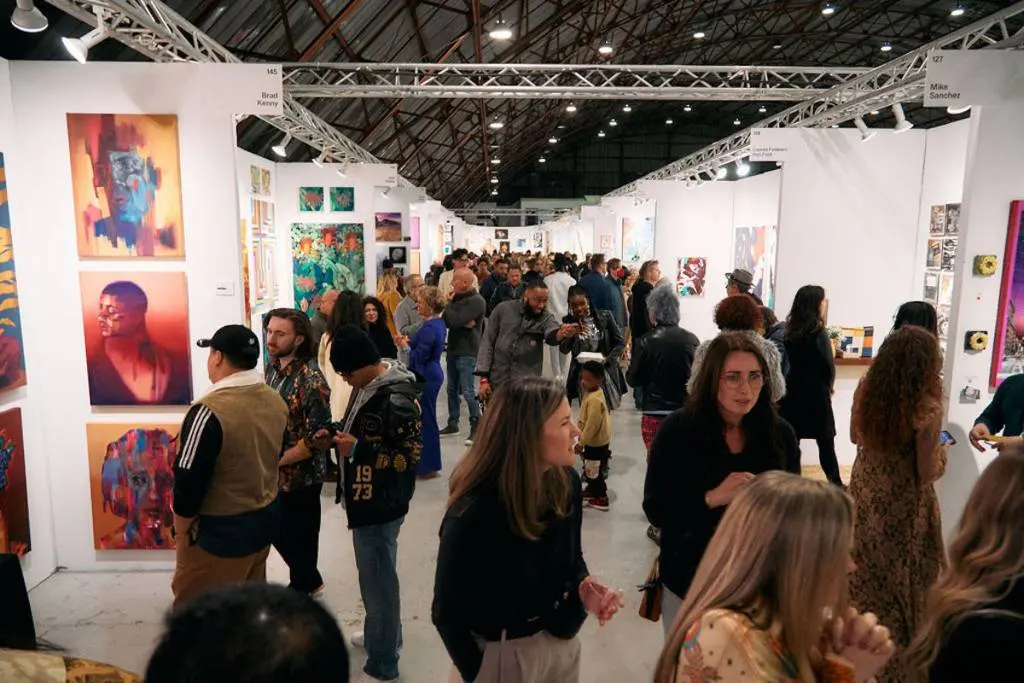
Your booth display acts as your silent salesperson, and its design is often the deciding factor in whether a customer stops to browse. A professional setup should feature varying heights to draw the eye upward, using risers, crates, or shelving units to create depth. Cluttered tables often overwhelm shoppers, while a clean, organized layout invites them to inspect your products more closely. Ensure your branding is visible from several feet away.
Lighting is another critical element that is frequently overlooked by novice vendors. If you are selling in a dimly lit community hall or a tent, invest in battery-operated LED spotlights to highlight your best-selling items. Good lighting makes your products look more high-end and professional. Additionally, ensure your booth is easy to navigate, with enough space for customers to stand and examine items without feeling crowded. A welcoming, well-lit environment keeps shoppers in your booth longer, which statistically increases the probability of a sale.
Common mistakes when selling at fairs
The most common mistake vendors make is failing to engage with their customers. Sitting behind your table while looking at a phone or reading a book signals that you are uninterested in your patrons. Instead, stand up, smile, and offer a friendly greeting to everyone who walks by. You do not need to be aggressive; simply being available to answer questions or explain your creative process can turn a casual browser into a loyal customer.
Other frequent pitfalls include:
- Ignoring the importance of professional packaging, such as branded bags or tissue paper.
- Failing to offer digital payment options like card readers or mobile wallets.
- Neglecting to collect email addresses for a customer mailing list.
- Running out of small bills for cash transactions early in the day.
Preparation is the key to success. Always pack a "booth emergency kit" containing tape, scissors, extra signage, business cards, and a portable charger. By anticipating these logistical challenges, you can focus entirely on your customers, ensuring a professional experience that encourages repeat business and word-of-mouth recommendations for your future events.
Key facts
- Items priced between $10 and $30 typically see the highest volume of sales at local craft fairs.
- Personalization, such as adding a name or date, can increase an item's perceived value by up to 40 percent.
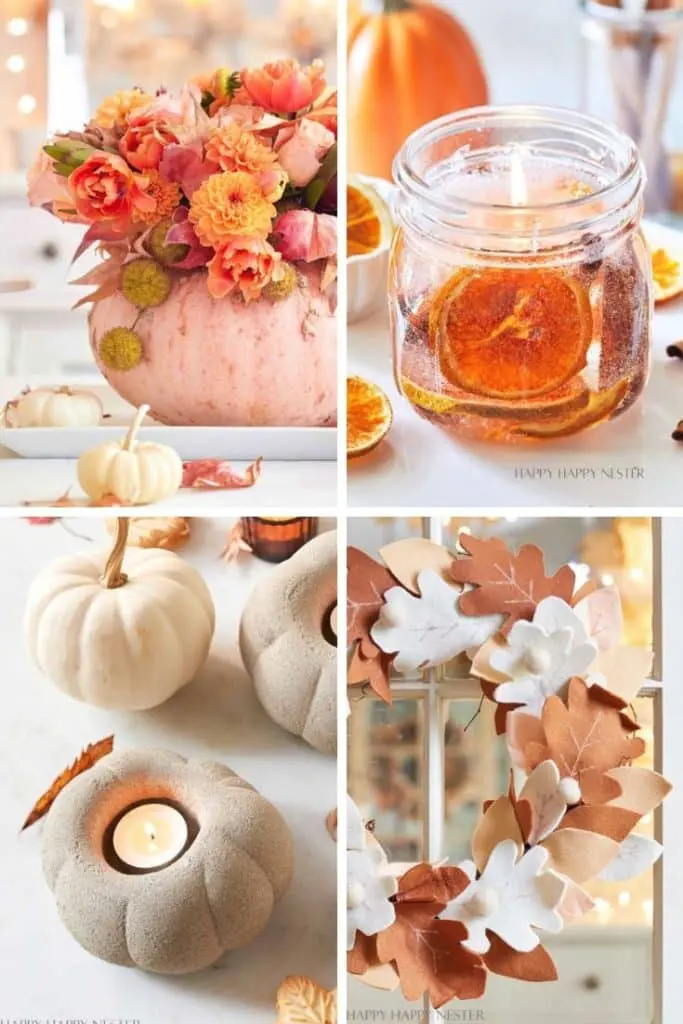
- Seasonal decor, particularly for autumn and winter holidays, consistently outperforms general home goods.
- High-quality photography of your products is essential for building a social media following before the event.
- Offering a "bundle" or set of smaller items encourages higher average transaction values per customer.
- Booth layout should prioritize eye-level displays to capture the attention of passersby within three seconds.
The bottom line
Success at craft fairs relies on a blend of strategic pricing, eye-catching visual merchandising, and active customer engagement. Focus on creating high-demand, seasonal products that offer personalization, and always prioritize a professional booth setup. By balancing your inventory across multiple price points and maintaining a friendly, approachable presence, you will maximize your sales potential and build a loyal customer base for your creative business.
People also ask
How much inventory should I bring to a weekend craft fair?
Aim for at least 50 to 100 individual units depending on the size of the event. It is better to have a variety of price points so you do not sell out of your most affordable items too early.
What is the best way to accept payments at a craft fair?
Use a mobile point-of-sale system like Square or Shopify, which allows you to accept credit cards via a smartphone attachment. Always keep a small cash float of $100 in various denominations for customers who prefer to pay with paper money.
Should I offer discounts to customers who ask?
Avoid aggressive discounting as it can devalue your brand and labor. Instead, offer a small "bundle deal" if they buy multiple items, which maintains your profit margins while satisfying the customer's desire for a bargain.
How do I determine the right price for my handmade goods?
Calculate your total costs, including materials and your hourly labor rate, then multiply by two to reach a wholesale price. Double that figure again to determine your retail price to ensure you cover booth fees and marketing expenses.
What are the most common mistakes beginners make at craft fairs?
Many sellers fail to engage with customers, choosing instead to sit behind their table looking at a phone. Additionally, failing to bring a professional sign with your business name makes it difficult for repeat customers to find you online later.
Do I need a business license to sell at local craft fairs?
Most jurisdictions require a basic business registration or a temporary vendor permit to participate in public markets. Check with your local city clerk or the fair organizer to ensure you are compliant with local tax laws.
This answer was created with the help of AI research tools and reference sources. Spotted an error? Let us know — we correct mistakes quickly. See our editorial policy.