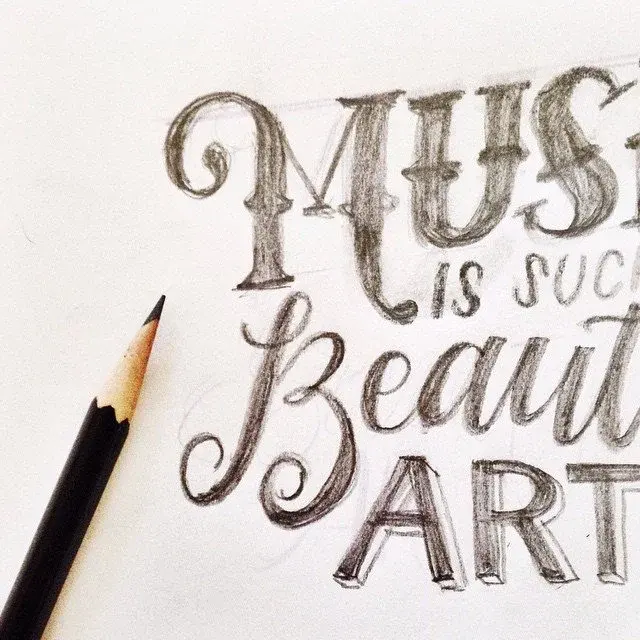
What is modern calligraphy?
Short answer
Modern calligraphy is a contemporary evolution of traditional lettering that prioritizes personal expression over strict historical rules. Unlike classical styles like Copperplate or Spencerian, which require rigid adherence to specific angles and stroke sequences, modern calligraphy encourages experimentation with tools, letterforms, and layouts to create unique, artistic, and often informal written communication.
On this page
What defines modern calligraphy?
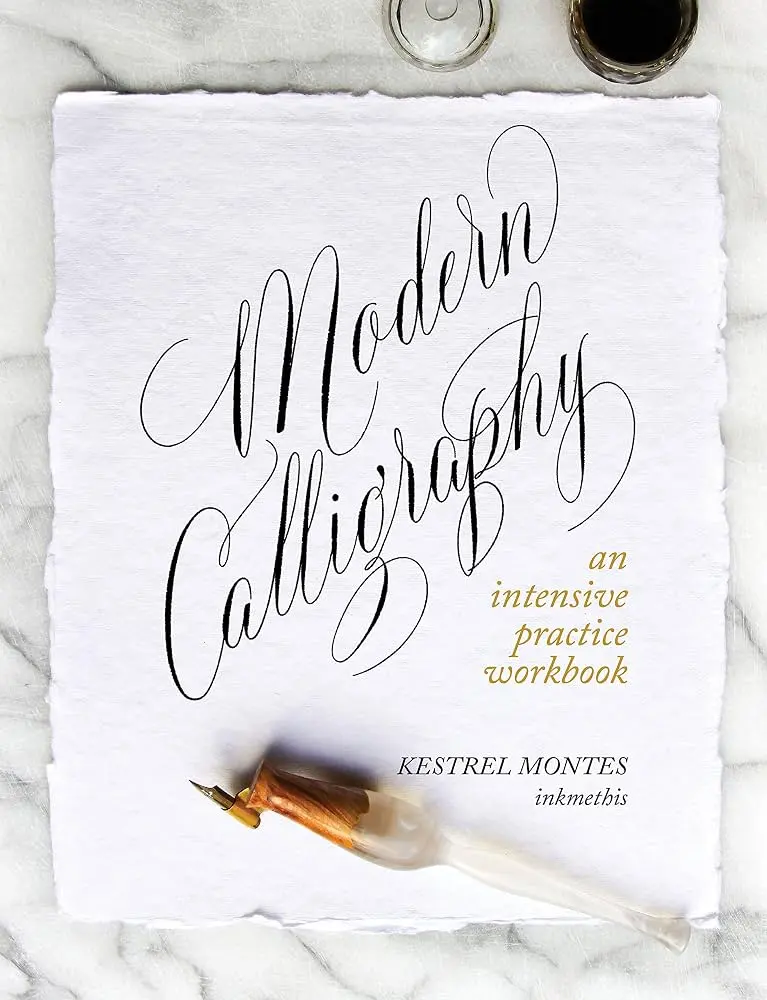
Modern calligraphy is defined by its departure from the formal constraints of traditional penmanship. While historical calligraphy focuses on achieving perfect symmetry and consistent letter anatomy, modern practitioners often embrace variations in line weight, bounce, and spacing. This style is frequently characterized by a "bouncy" baseline, where letters dance above and below the standard writing line, creating a sense of movement and spontaneity.
The movement gained significant momentum in the early 21st century as social media platforms allowed artists to share their unique lettering styles globally. Because it is not bound by the strict "master hand" requirements of the past, it serves as a bridge between fine art and functional handwriting. It is widely used today for wedding stationery, branding, and personal journaling, proving that the art form remains highly relevant in a digital age.
Best tools for beginners
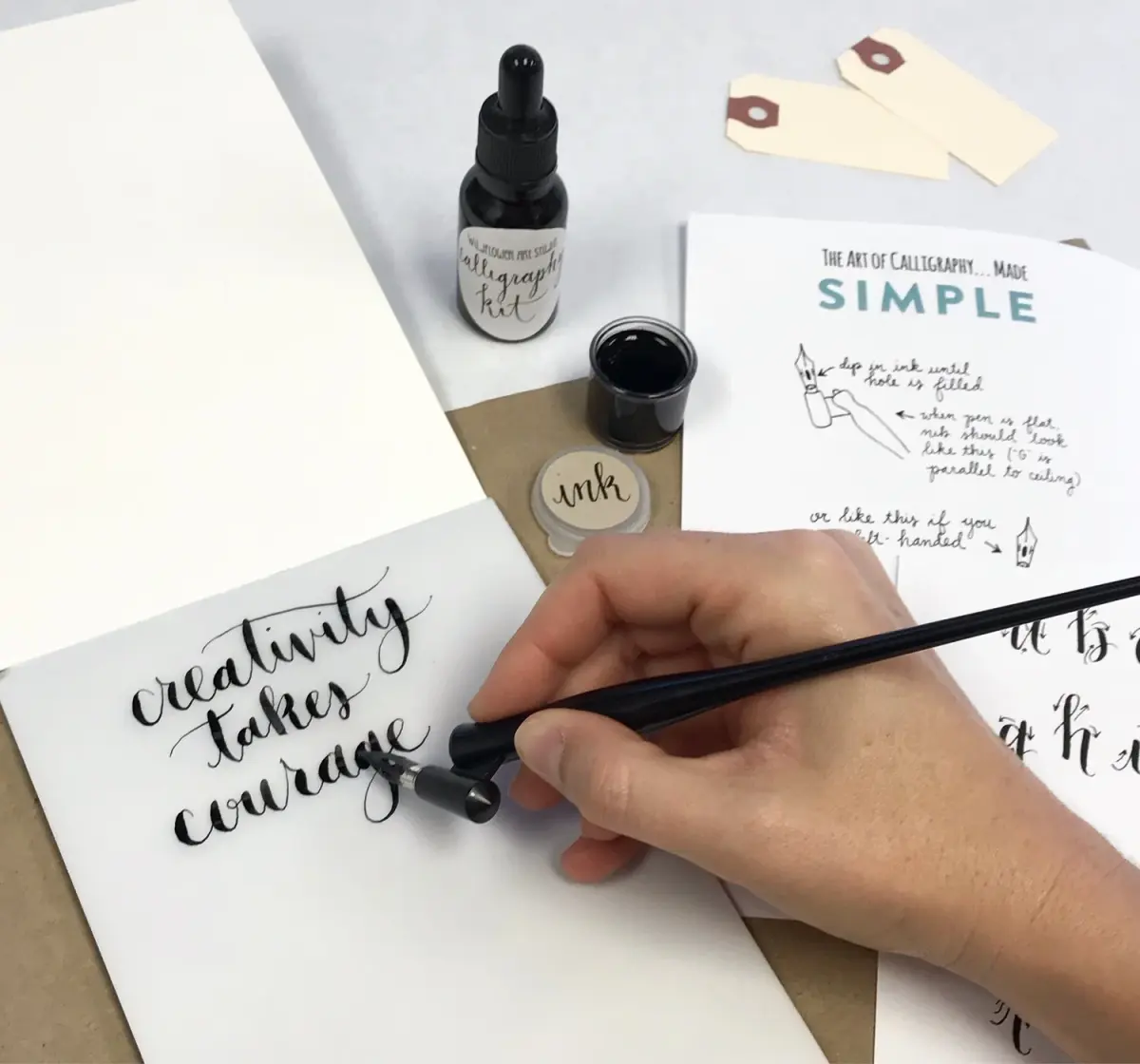
Starting your journey into modern calligraphy requires only a few essential items. You do not need expensive equipment to begin; in fact, many professionals recommend starting with basic supplies to build muscle memory before investing in professional-grade nibs or inks.
- A flexible-tip brush pen (small or large tip depending on your preference).
- Smooth, high-quality paper (to prevent ink bleeding and fraying your pen tips).
- A pencil and eraser for sketching guidelines.
- A ruler for measuring consistent slant and height.
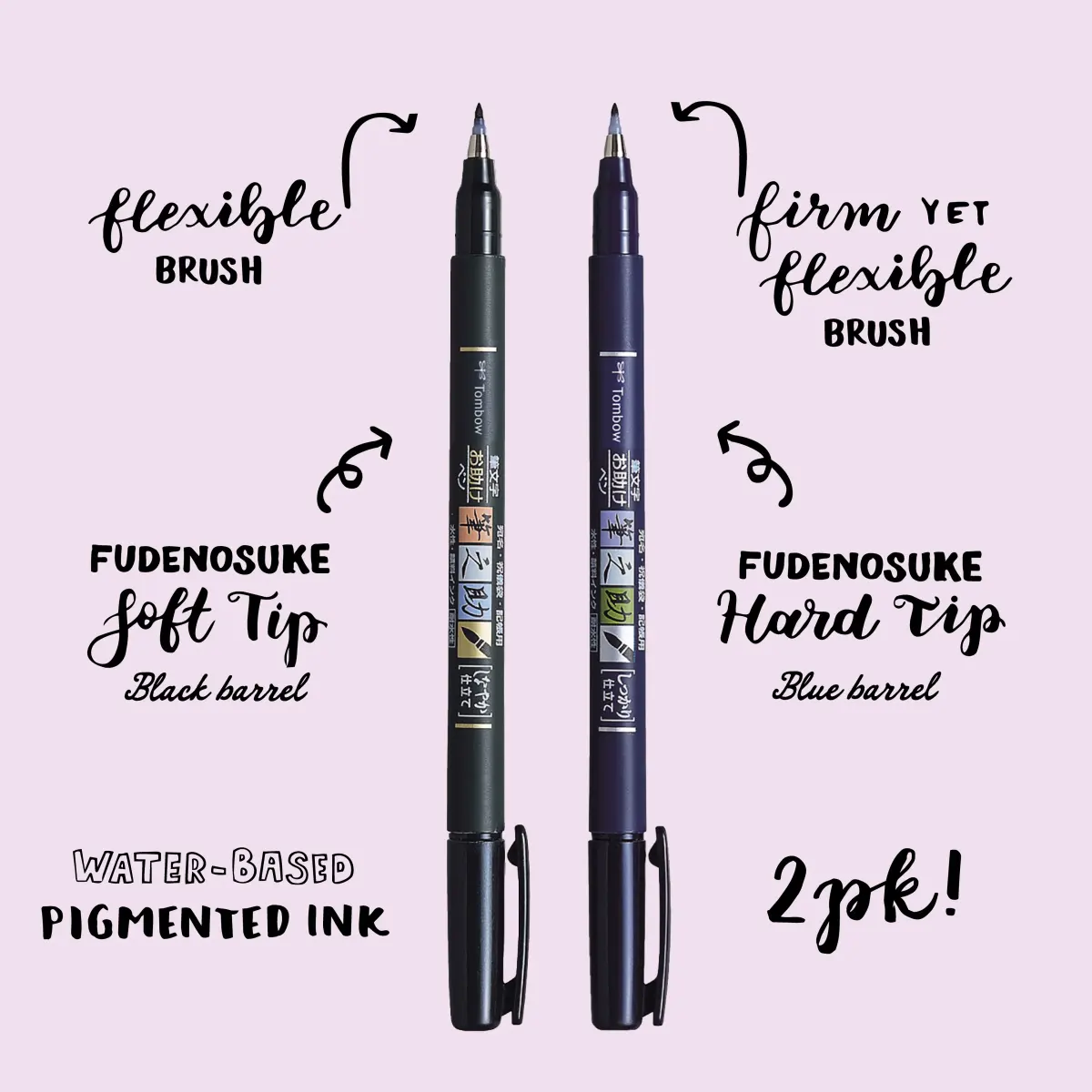
Many beginners find success with "fudenosuke" style pens, which feature a firm, small tip that is easier to control than larger, softer brush markers. When choosing paper, look for labels that specify "smooth" or "marker" paper. Standard printer paper is often too porous, which causes the ink to spread and can quickly ruin the delicate felt tips of your pens.
How to learn modern calligraphy
Mastering this craft requires consistent practice of basic strokes rather than jumping straight into writing words. If you attempt to write full sentences before understanding how your pen reacts to pressure, you will likely struggle with inconsistent line thickness.
- Practice your "upstrokes" by moving the pen upward with very light pressure to create a thin, hairline stroke.
- Practice your "downstrokes" by applying firm, consistent pressure to create a thick, bold line.
- Combine these strokes to form basic shapes like the "underturn," "overturn," and "compound curve."
- Connect these shapes to form individual letters, ensuring the transition between thin and thick lines remains smooth.
Dedicate at least 15 minutes a day to these drills. By focusing on the mechanics of the pen, you build the necessary dexterity to execute complex letterforms with confidence. Once you can control your pressure, you can begin to experiment with your own stylistic flourishes.
Common mistakes when practicing
Even experienced calligraphers encounter hurdles, but beginners are particularly prone to specific technical errors. One of the most frequent mistakes is using too much pressure on the upstroke, which results in "shaky" lines and damages the pen tip. Another common issue is holding the pen at an incorrect angle. You should aim to hold your pen at a 45-degree angle to the paper to ensure the tip makes full contact during downstrokes.
Another pitfall is trying to move too quickly. Calligraphy is a slow, meditative process; rushing leads to uneven spacing and jagged transitions between strokes. If you find your lines look inconsistent, slow your pace significantly. Additionally, failing to use guidelines is a recipe for frustration. Even if you are aiming for a "free-form" look, using a light pencil grid ensures that your letters maintain a consistent height and slant, which is essential for readability and aesthetic balance.
Why modern calligraphy matters
Beyond its aesthetic appeal, modern calligraphy provides a therapeutic outlet in an increasingly automated world. The act of slow, intentional writing engages the brain differently than typing, fostering mindfulness and focus. It allows individuals to reclaim their handwriting as a form of creative expression, turning mundane tasks like writing a grocery list or a thank-you note into an opportunity for artistic practice.
Furthermore, the versatility of modern calligraphy makes it a valuable skill for professional designers and hobbyists alike. It is a highly sought-after skill for event planning, custom signage, and personalized gift-making. By learning the fundamentals, you gain the ability to create bespoke visual content that carries a human touch that digital fonts simply cannot replicate. Whether you pursue it as a serious career or a relaxing weekend hobby, the practice rewards patience and provides a lasting sense of personal accomplishment.
Key facts
- Modern calligraphy is a contemporary lettering style that prioritizes individual expression and artistic flair over the rigid, historical rules of traditional penmanship.
- Unlike classical styles such as Copperplate or Spencerian, modern calligraphy often utilizes flexible brush pens or pointed nibs to create varying line thicknesses.
- The fundamental principle is "thick downstrokes and thin upstrokes," achieved by applying pressure on the downward stroke and releasing it on the upward stroke.
- Beginners should start with a small, firm brush pen like the Tombow Fudenosuke, which offers more control than larger, softer felt-tip markers.
- Proper posture is essential; keep your paper aligned with your dominant forearm and maintain a relaxed grip on the pen to avoid shaky lines.
- Common mistakes include rushing the process, failing to lift the pen between strokes, and using low-quality printer paper that frays the pen tip.
The bottom line
Modern calligraphy is a creative evolution of traditional penmanship that emphasizes personal style and fluid movement over strict adherence to historical standards. By mastering the relationship between pressure and stroke direction, you can transform simple alphabet letters into elegant artistic expressions. With the right tools, consistent practice, and a focus on relaxed technique, anyone can develop the skills necessary to produce beautiful, professional-looking custom lettering.
People also ask
What is the difference between calligraphy and hand lettering?
Calligraphy is the art of writing letters using a single tool to create thick and thin strokes through pressure. Hand lettering is the art of drawing or illustrating letters, often involving multiple strokes, layering, and decorative elements.
Do I need expensive equipment to start?
No, you can begin with a basic brush pen and smooth paper. Avoid standard copy paper, as its rough texture will quickly damage your pen tips and cause ink bleeding.
How long does it take to learn the basics?
With consistent daily practice of 15 to 30 minutes, most students can master basic letterforms within three to six months. Muscle memory is the primary factor in developing consistent, fluid strokes.
Can left-handed people do modern calligraphy?
Absolutely, though left-handed writers may need to adjust their hand position or paper angle to avoid smearing ink. Using quick-drying ink and "underwriting" or "hooking" styles can help maintain clean lines.
Should I learn traditional calligraphy before modern styles?
It is not strictly necessary, but learning traditional scripts provides a strong foundation in letter structure and spacing. Many modern calligraphers eventually study historical styles to improve their overall technique and versatility.
How do you fix shaky lines in your lettering?
Shaky lines are usually caused by a death grip on the pen or moving too slowly. Relax your hand, engage your entire arm rather than just your fingers, and maintain a steady, rhythmic pace.
This answer was created with the help of AI research tools and reference sources. Spotted an error? Let us know — we correct mistakes quickly. See our editorial policy.
![Brush Calligraphy Letters [A-to-Z Analysis + Free Printables]](/img/f6/what-is-brush-lettering-1.webp)