What is brush lettering?
Short answer
Brush lettering is a style of calligraphy created using a flexible-tipped pen or brush to produce varying line widths. By applying pressure on the downstrokes and lifting for upstrokes, artists achieve a distinctive contrast between thick and thin lines. This versatile technique is widely used in graphic design, signage, and personal stationery.
![Brush Calligraphy Letters [A-to-Z Analysis + Free Printables]](/img/f6/what-is-brush-lettering-1.webp)
On this page
What is brush lettering?
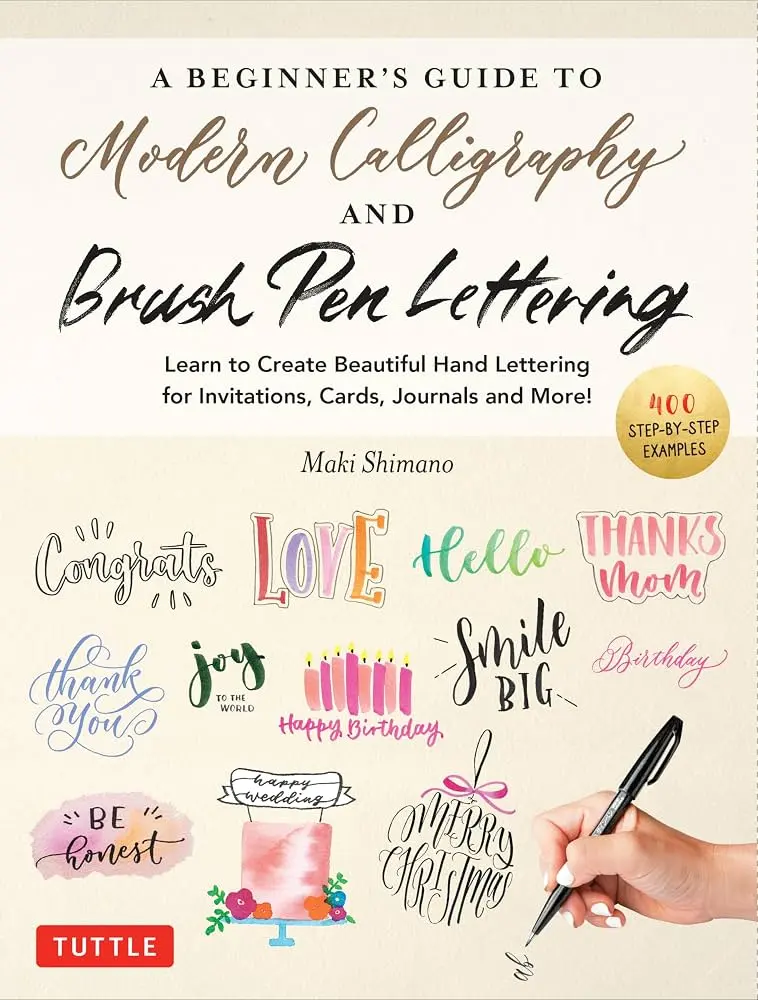
Brush lettering is a form of modern calligraphy that relies on the physical properties of a brush tip to create expressive, fluid letterforms. Unlike traditional pointed-pen calligraphy, which uses a metal nib, brush lettering utilizes synthetic or natural bristles that respond to the amount of pressure applied by the writer. When you press down, the bristles spread, creating a thick, bold stroke. When you lighten your grip, the bristles return to their original shape, resulting in a delicate, thin hairline.
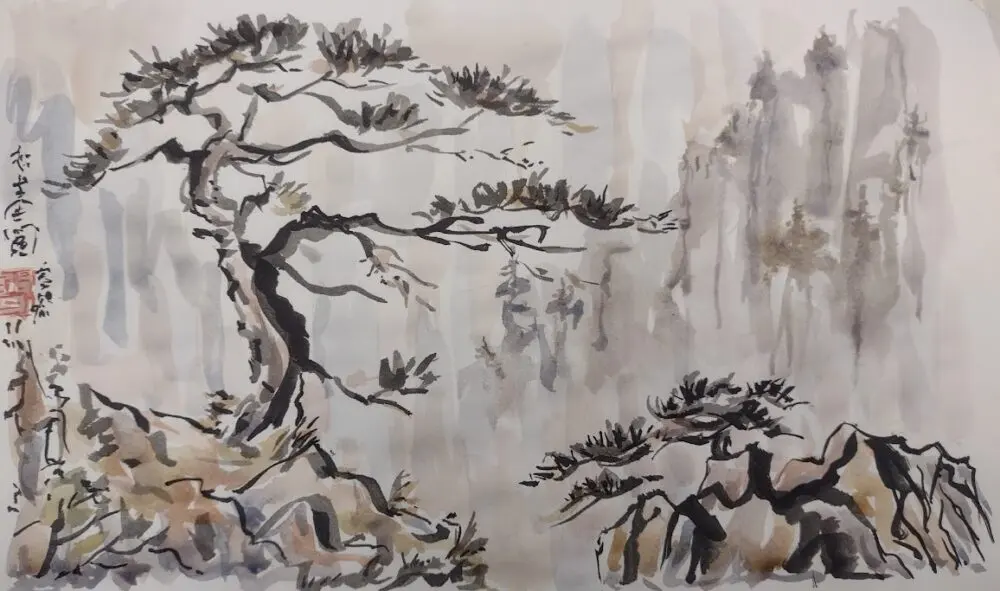
The history of this craft is deeply rooted in East Asian brush calligraphy, where ink-loaded brushes have been used for centuries to create kanji and other scripts. In the Western context, the practice gained significant popularity in the 20th century as commercial artists sought more organic, hand-drawn aesthetics for advertising and logos. Today, it is a staple of the stationery industry, often seen in wedding invitations, greeting cards, and artistic journals.
Best tools for beginners
Starting your journey requires the right equipment to ensure you learn proper control without unnecessary frustration. Beginners should avoid expensive professional brushes initially, as they require a high level of skill to manage. Instead, look for "brush pens," which feature a felt or foam tip designed to mimic the behavior of a real brush while offering more stability. These pens are pre-inked and portable, making them ideal for practice sessions.
When selecting your first set, consider these factors:
- Tip flexibility: Softer tips create more dramatic contrast but are harder to control.
- Ink flow: Water-based inks are generally easier to clean and bleed less on standard paper.
- Paper compatibility: Brush pens can fray quickly on rough paper, so choose smooth, coated cardstock.
- Ergonomics: Ensure the barrel of the pen feels comfortable in your hand during extended practice sessions.
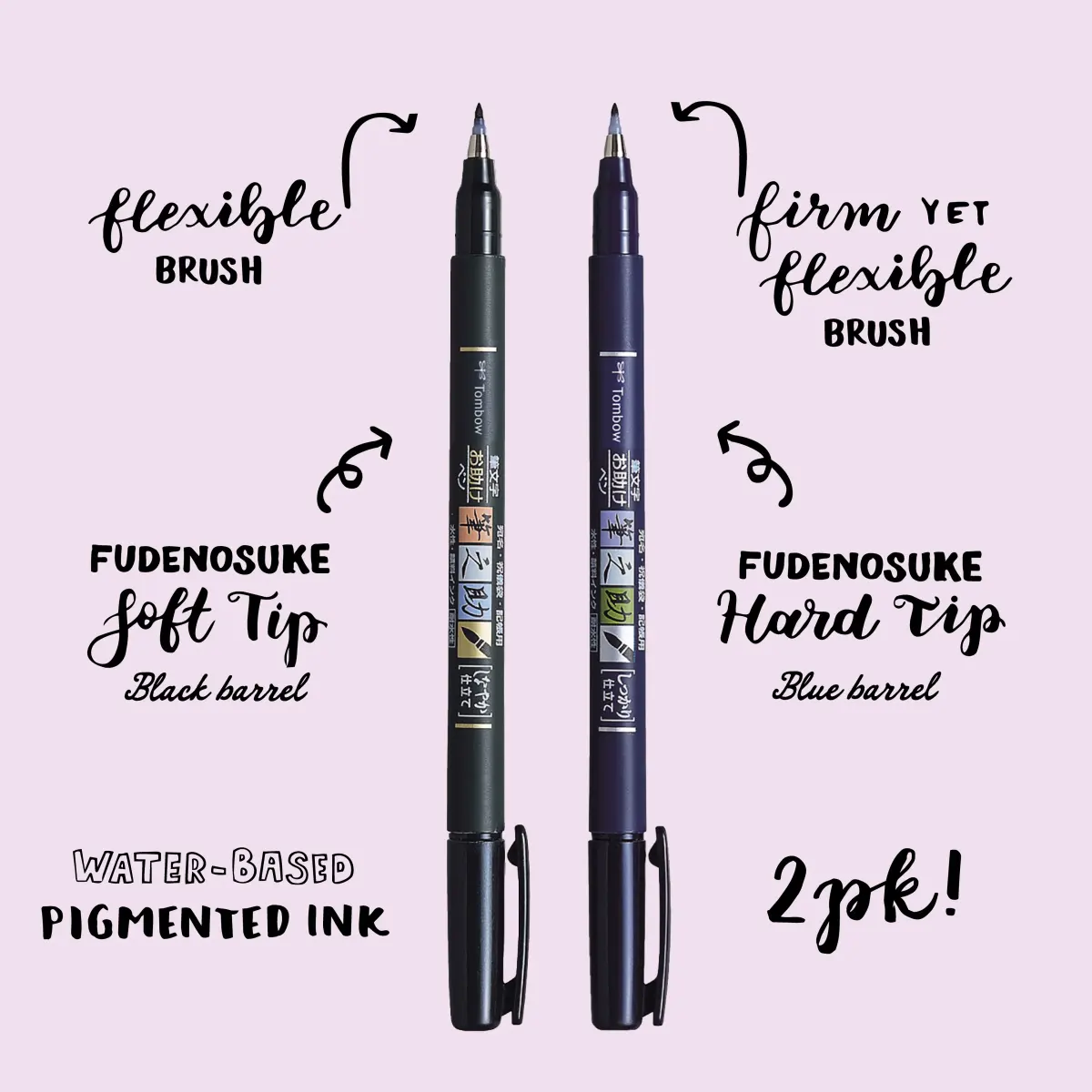
Many experts recommend starting with popular models like the Tombow Fudenosuke or the Pentel Sign Pen. These pens provide enough resistance to help you develop muscle memory for pressure control without being overly difficult to handle.
How to learn brush lettering
Mastering this art form is a process of developing fine motor skills and consistent rhythm. You must learn to treat each letter not as a series of strokes, but as a sequence of movements that transition seamlessly between thick and thin. Start by practicing basic shapes, such as the "underturn" and "overturn," which form the foundation of most lowercase letters in the alphabet.
Follow these steps to build your technique:
- Hold the pen at a 45-degree angle to the paper to maximize the surface area of the tip.
- Maintain a consistent, slow speed to ensure the ink flows evenly and the lines remain crisp.
- Focus on your breathing; exhaling during the downstroke often helps keep your hand steady.
- Practice individual strokes repeatedly before attempting to connect them into full words.
Consistency is more important than speed. Even fifteen minutes of focused practice each day will yield better results than a long, sporadic session once a week.
Common mistakes when starting
Many beginners struggle because they treat brush lettering like standard handwriting. One of the most frequent errors is applying too much pressure on the upstrokes, which results in "wobbly" or overly thick lines where there should be elegant, thin hairlines. Another common mistake is holding the pen vertically, which prevents the tip from flexing properly and can damage the bristles over time.
Avoid these pitfalls to improve your progress:
- Using poor-quality paper: Rough paper acts like sandpaper on felt tips, destroying them in minutes.
- Rushing the strokes: Fast movements lead to shaky, inconsistent lines and poor letter spacing.
- Neglecting the baseline: Failing to keep your letters aligned on a straight path makes the text look chaotic.
- Over-tightening your grip: A death-grip on the pen prevents the fluid motion required for graceful curves.
If you find your lines looking jagged, check your paper surface and ensure your hand is relaxed. Often, simply loosening your grip allows the pen to glide more naturally across the page.
How long does it take to learn
The timeline for proficiency varies based on your existing artistic experience and the amount of time you dedicate to deliberate practice. Most students can expect to gain a basic command of the fundamental strokes within two to four weeks. Achieving a professional, polished style that looks consistent across different projects typically takes several months of consistent, daily effort.
Patience is essential, as your hand needs time to develop the necessary muscle memory. Do not be discouraged if your first attempts look uneven or if your ink bleeds through the paper. Even professional calligraphers regularly practice their basic drills to keep their hands limber and their technique sharp. By focusing on the mechanics of pressure and release rather than the final aesthetic, you will build a solid foundation that allows you to develop your own unique, personal style over time.
Key facts
- Brush lettering is a style of calligraphy created using a brush pen with a flexible, tapered tip.
- The thickness of the stroke is determined by the amount of pressure applied to the nib.
- Downstrokes are made with heavy pressure to create thick lines, while upstrokes require light pressure for thin lines.
- Unlike traditional calligraphy, modern brush lettering does not strictly adhere to historical rules regarding letter slant or spacing.
- Beginners often use felt-tip brush pens, such as the Tombow Fudenosuke, because they offer more control than traditional hair brushes.
- Maintaining a consistent 45-degree angle between the pen and the paper is the most effective way to protect the delicate tip.
The bottom line
Brush lettering is an accessible art form that transforms simple handwriting into expressive, stylized text through the manipulation of pressure. By mastering the contrast between thick downstrokes and thin upstrokes, you can create elegant compositions. Success relies on high-quality smooth paper, proper pen angles, and consistent practice. Focus on fluid arm movements rather than finger tension to develop the control necessary for professional-looking results.
People also ask
What is the difference between brush lettering and modern calligraphy?
Brush lettering is a specific technique that uses a flexible-tipped tool to create varying line widths. Modern calligraphy is a broader umbrella term that encompasses any artistic interpretation of letterforms, including those made with pointed pens, markers, or digital tools.
Do I need to know cursive to learn brush lettering?
You do not need to be an expert in cursive, but understanding the flow of connected letters is highly beneficial. Brush lettering relies on the continuous movement of the hand, which mimics the fluid transitions found in cursive handwriting.
What type of paper should I use for brush lettering?
You should use smooth, high-quality paper to prevent the brush tip from fraying. Rough paper acts like sandpaper on the pen nib, significantly shortening the lifespan of your markers.
How do I fix a shaky hand when lettering?
Shaky lines are usually caused by drawing too slowly or using only your fingers to move the pen. Engage your entire arm and shoulder to create smooth, sweeping motions that result in more stable letterforms.
Can I use watercolor brushes for this style?
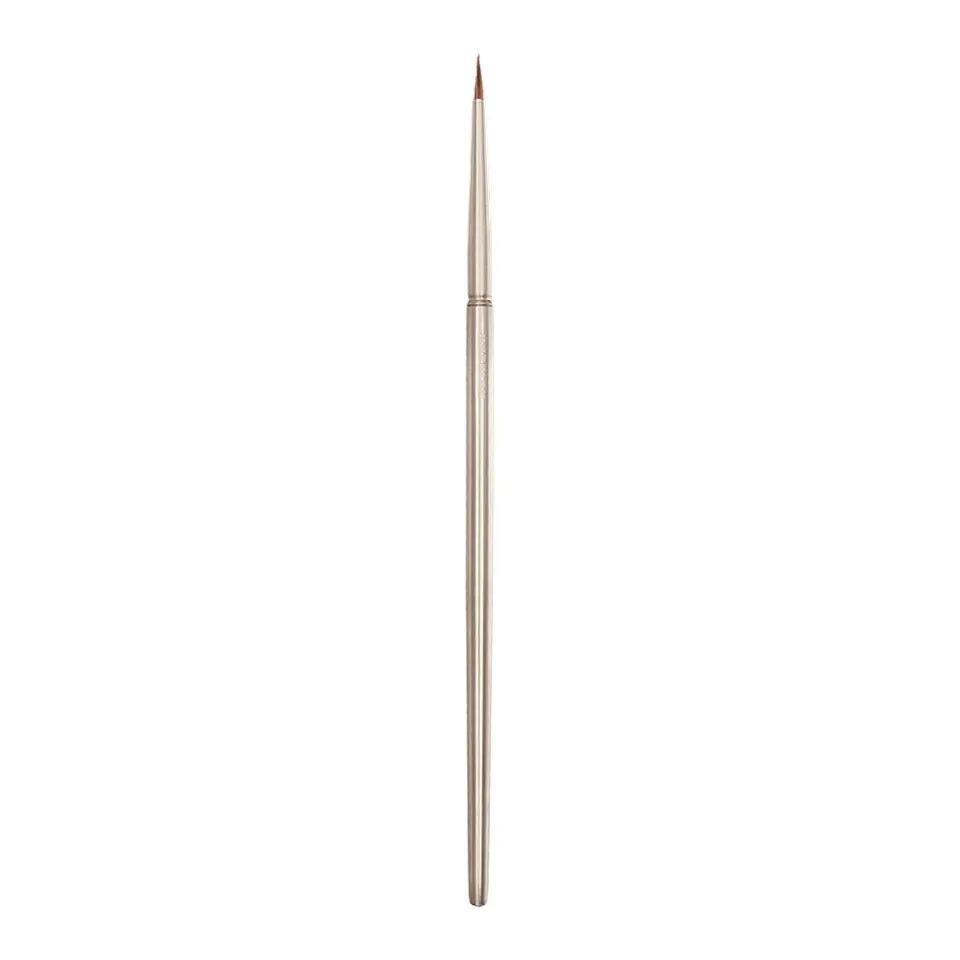
Yes, professional calligraphers often use round watercolor brushes with ink or gouache. This requires more skill than using a felt-tip brush pen because you must manually control the ink flow and the shape of the bristles.
How long does it take to master brush lettering?
Most students see significant improvement after 30 days of consistent, 15-minute daily practice. Mastery is a long-term process that depends on developing muscle memory for pressure control and letter spacing.
This answer was created with the help of AI research tools and reference sources. Spotted an error? Let us know — we correct mistakes quickly. See our editorial policy.