How can I draw a vineyard easily?
Short answer
Drawing a vineyard is best achieved by using linear perspective to create depth. By establishing a central vanishing point, you can guide rows of vines toward the horizon. Focus on simple geometric shapes for the trellis posts and textured, rounded clusters for the foliage to capture the essence of a vineyard landscape.
On this page
How to use perspective in vineyard drawings
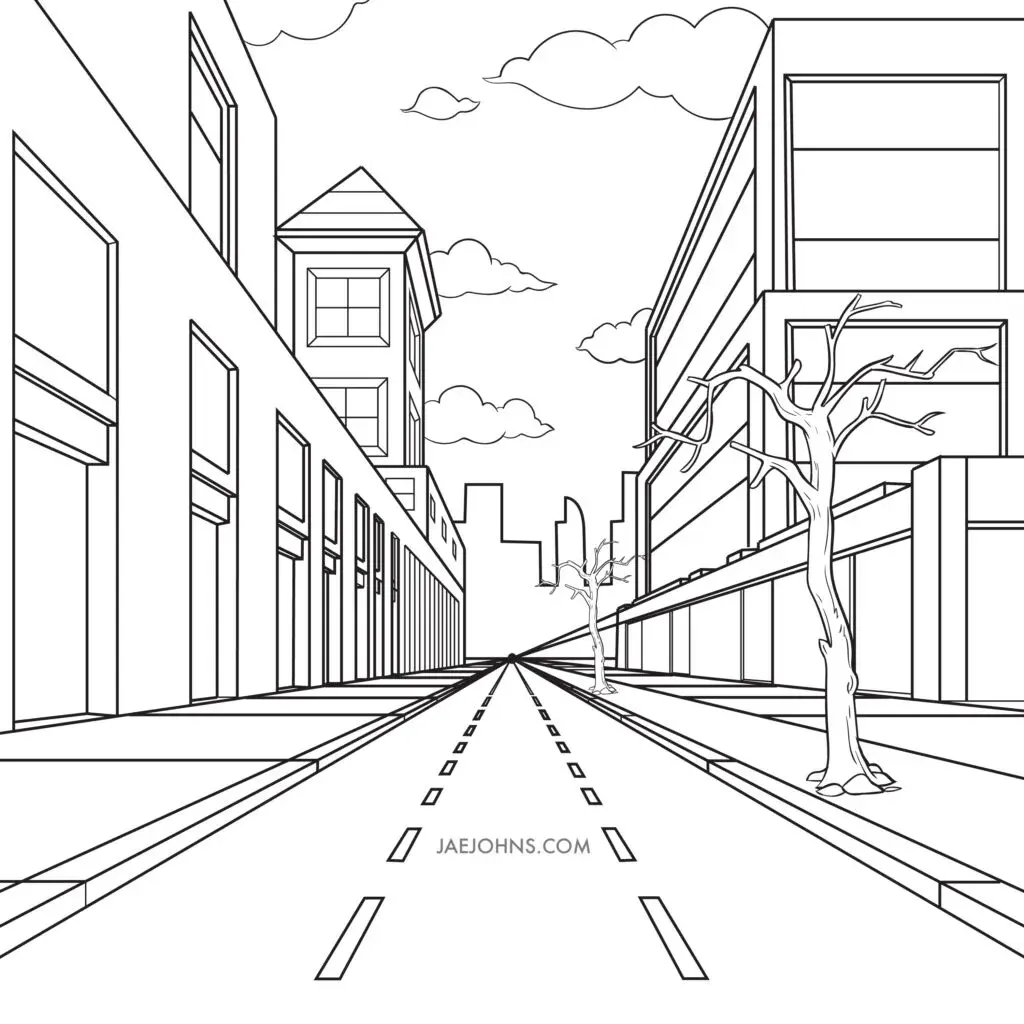
The most effective way to draw a vineyard is to master one-point perspective. Imagine the rows of vines as lines that converge at a single point on the horizon line. This technique creates an immediate sense of scale and distance, making the viewer feel as though they are standing at the edge of the field. Start by drawing a light horizontal line across your page to represent the horizon.
Place a vanishing point somewhere along this line. From this point, draw several diagonal lines radiating outward toward the bottom of your paper. These lines serve as the guide for your vine rows. As the rows approach the vanishing point, they should appear closer together, while the gaps between them widen as they reach the foreground. This mathematical approach ensures that your drawing maintains realistic proportions and depth throughout the composition.
How to draw realistic vine rows
Once you have your perspective lines, you can begin adding the vines themselves. Each vine row should consist of a series of vertical posts connected by horizontal wires. To make the scene look authentic, vary the height of the vines slightly to account for the natural contours of the land.
- Draw vertical lines along your perspective guides to represent wooden support posts.
- Connect these posts with thin, horizontal lines to simulate the trellising wires.
- Add small, irregular shapes at the base of each post to represent the woody trunks of the grapevines.
- Layer loose, rounded foliage shapes along the top wires to suggest the dense canopy of leaves.
Keep the detail minimal in the distance to maintain the illusion of depth. As you move toward the foreground, you can add more texture to the leaves and bark to draw the viewer's eye into the scene.
Best tools for drawing landscapes
Choosing the right materials can significantly improve your results when sketching outdoor scenes. For beginners, a set of graphite pencils ranging from 2H to 6B is ideal. The harder 2H pencils are perfect for sketching your initial perspective lines, as they leave light, easily erasable marks. The softer 6B pencils allow you to add deep shadows and rich textures to the vine leaves and soil.
If you prefer working with ink, a fine-liner pen with a 0.3mm or 0.5mm tip provides the precision needed for drawing thin trellis wires. For shading, consider using a blending stump or a piece of tissue to soften the transitions between light and dark areas. A kneaded eraser is also essential, as it allows you to lift graphite off the paper without damaging the surface, which is helpful when cleaning up your primary perspective guides.
Why perspective drawings look distorted
A common issue for artists is the "flattening" of the landscape, where the vineyard looks like a flat pattern rather than a three-dimensional space. This usually happens when the artist fails to account for the change in scale as objects recede. If the vines in the distance are drawn the same size as those in the foreground, the entire sense of space collapses.
Another reason for distortion is an incorrectly placed horizon line. If the horizon is too high, the vineyard appears to be on a steep hill; if it is too low, the ground plane disappears. Aim to place your horizon line at about one-third of the way up the page for a natural, grounded look. Always check that your diagonal lines originate from the same vanishing point, as stray lines will disrupt the viewer's perception of the field's geometry.
Common mistakes when drawing vineyards
Many beginners make the mistake of drawing every single leaf and grape, which results in a cluttered and stiff image. Instead, focus on the overall shape and the rhythm of the rows. The human eye naturally groups repetitive patterns, so suggest the texture of the leaves rather than detailing every individual vein. By simplifying the foliage into clusters, you maintain a cleaner, more professional aesthetic.
- Avoid drawing the rows perfectly straight if your landscape includes hills or uneven terrain.
- Do not forget to add shadows cast by the vines onto the ground, as this anchors the plants to the earth.
- Avoid using too many dark lines in the background, as this pulls distant objects forward and ruins the perspective.
- Ensure the spacing between rows follows the narrowing pattern of your guides to avoid a disjointed appearance.
By focusing on these structural elements, you will successfully capture the character of a vineyard while maintaining a clear and inviting visual composition.
Key facts
- Use a single vanishing point on the horizon line to create the illusion of depth in vineyard rows.
- Draw the closest vines larger and more detailed, gradually reducing their size as they recede toward the horizon.
- Represent vine trunks with simple, vertical, slightly irregular lines rather than perfect cylinders.
- Add texture to the foliage using clusters of small, rounded shapes to mimic the density of grape leaves.
- Place the rows closer together at the vanishing point to simulate the converging perspective of a field.
- Use lighter shades or less contrast for distant rows to create atmospheric perspective and depth.
The bottom line
Drawing a vineyard effectively relies on mastering linear perspective to guide the viewer’s eye toward the horizon. By simplifying vine foliage into organic clusters and using atmospheric perspective to fade distant rows, you can create a convincing sense of scale. Focus on the geometry of the rows first, then add textural details to the foreground vines to bring the entire landscape to life with depth.
People also ask
How do I make the vineyard look realistic?
Focus on the convergence of lines toward a single point and ensure the ground plane follows the same perspective. Vary the height and spacing of the vines slightly to avoid a sterile, mechanical appearance.
Should I draw every single leaf on the vines?
Avoid drawing individual leaves, as this creates visual clutter. Instead, use soft, rounded shapes to suggest the mass of the foliage and focus on the overall silhouette of the vine.
What is the best way to depict the ground in a vineyard?
Use horizontal lines or subtle shading to indicate the texture of the soil between rows. Keep the ground texture simpler than the vines to ensure the viewer's eye focuses on the rows.
How do I show the slope of a hill in a vineyard?
Draw the rows curving along the contours of the land rather than as straight lines. This technique, known as contour farming, adds dynamic movement and a sense of three-dimensional space to your drawing.
What colors work best for a vineyard drawing?
Use earthy tones like browns and ochres for the trunks and soil, paired with various shades of green for the leaves. Add hints of purple or deep red if you wish to represent ripening grape clusters.
How can I fix rows that look flat?
Ensure the lines representing the rows converge sharply toward the horizon. If the rows appear flat, increase the contrast between the foreground and background to enhance the sense of distance.
This answer was created with the help of AI research tools and reference sources. Spotted an error? Let us know — we correct mistakes quickly. See our editorial policy.