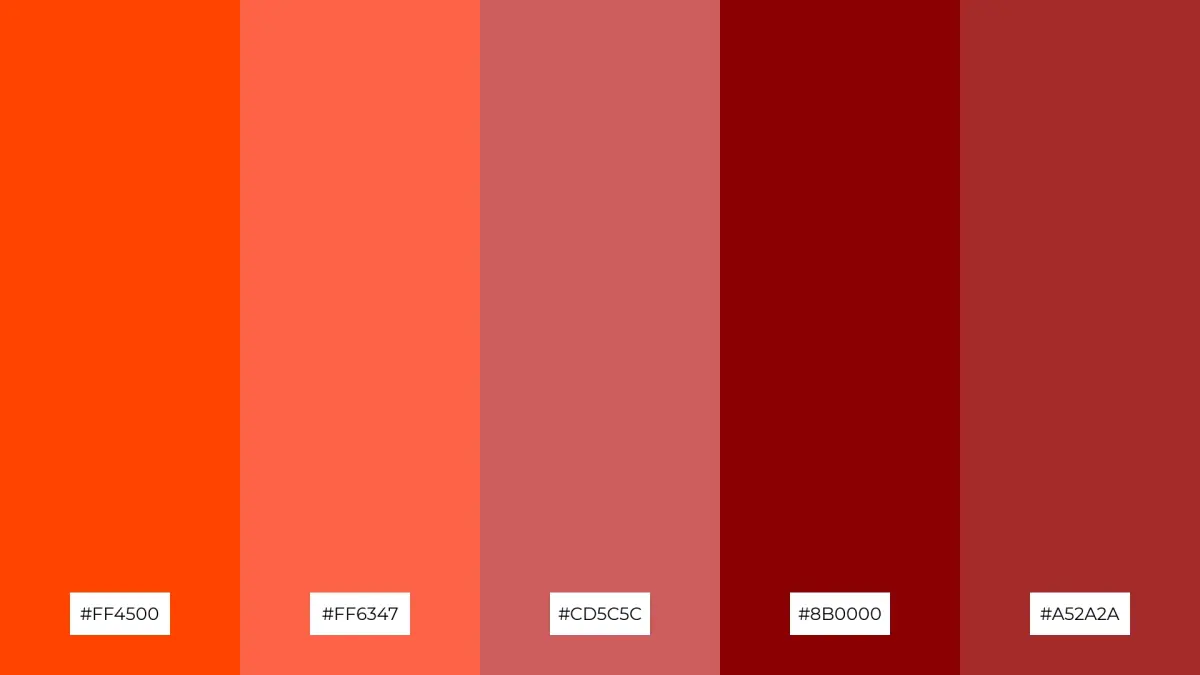
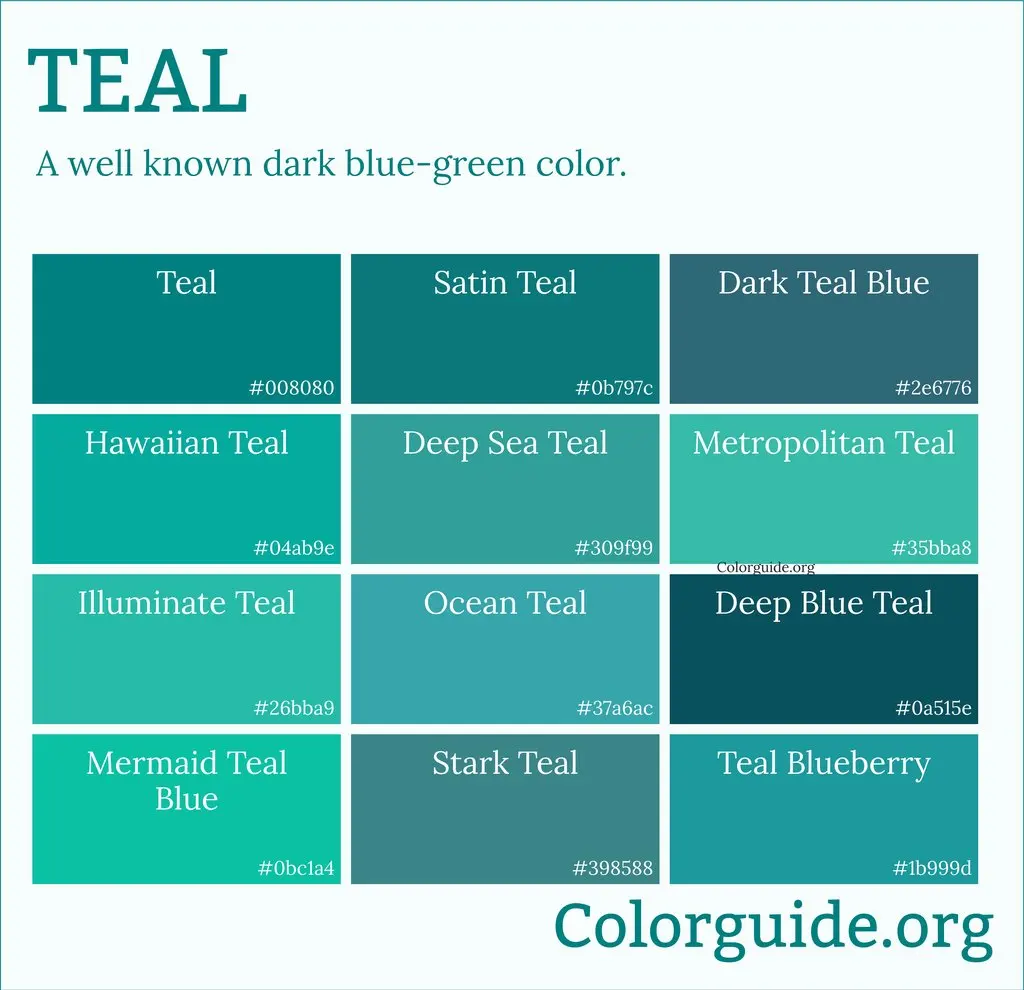
What colors make copper?
Short answer
Copper is a chemical element, not a mixture of colors. As a pure transition metal with the atomic number 29, it cannot be created by blending pigments or light. Its distinct reddish-orange metallic luster is an inherent property of its electron configuration, which absorbs blue and green light while reflecting warmer tones.
On this page
Why does copper look like it does?
The characteristic color of copper arises from the way its electrons interact with light. In most metals, electrons move freely in a "sea," reflecting almost all visible light, which gives them a silver or gray appearance. Copper is unique because its electron energy levels allow it to absorb higher-energy blue and green light.
When white light hits a copper surface, the blue and green wavelengths are absorbed, leaving the red and orange wavelengths to be reflected back to the human eye. This phenomenon is governed by quantum mechanics, specifically the transition of electrons between the 3d and 4s orbitals. Because this is a fundamental atomic property, you cannot replicate the specific metallic "glow" of copper by simply mixing red and yellow paint.
How to recreate copper colors with paint
While you cannot create the metal itself, you can mimic its appearance using artistic techniques. To achieve the look of polished copper, artists often layer translucent glazes over a metallic base. This creates depth and simulates the way light interacts with a real copper surface.
- Start with a metallic copper acrylic paint as your base layer to provide the necessary reflective quality.
- Mix a small amount of burnt sienna or burnt umber into a clear glazing medium.
- Apply the glaze in thin, uneven layers to create areas of shadow and highlight.
- Use a soft brush to blend the edges, ensuring the metallic base still shines through the pigment.
Avoid using flat, matte paints, as these will kill the reflective quality required to sell the illusion of a metallic surface.
What causes copper to change color?
Copper is highly reactive, which is why it changes color over time when exposed to the environment. This process is known as oxidation. When exposed to oxygen, copper reacts to form copper(I) oxide, which creates a duller, brownish-red patina. Over several years, exposure to moisture, carbon dioxide, and sulfur compounds leads to the formation of copper carbonate.
This final stage results in the iconic blue-green patina seen on historical landmarks like the Statue of Liberty. This layer, called verdigris, actually protects the underlying metal from further corrosion. If you want to maintain the bright, "new penny" look of copper, you must apply a clear lacquer or wax sealant immediately after polishing to prevent oxygen from reaching the surface.
Common mistakes when working with copper
Many people attempt to clean or color copper using harsh chemicals that permanently damage the finish. One common error is using abrasive scouring pads or steel wool, which create micro-scratches that trap dirt and accelerate future corrosion. Another mistake is using acidic cleaners, such as vinegar or lemon juice, without rinsing thoroughly.
- Using chlorine-based cleaners, which cause rapid and uneven pitting.
- Applying household oils or waxes that are not food-safe if the copper is used for kitchenware.
- Leaving fingerprints on raw copper, as the oils from human skin contain salts that cause dark, permanent spots.
- Over-polishing, which removes the protective oxide layer and leaves the metal vulnerable to environmental damage.
Always test your cleaning solution on an inconspicuous area before applying it to the entire piece. Using a soft microfiber cloth is the safest way to maintain the surface without causing physical damage.
Best ways to identify real copper
Distinguishing real copper from copper-plated items or colored plastics is relatively simple if you know what to look for. Real copper is non-magnetic, meaning a standard refrigerator magnet will not stick to it. If a magnet sticks, the item is likely steel or iron coated in a thin layer of copper.
Another effective test is the weight test. Copper is a dense metal; it should feel heavy for its size compared to aluminum or plastic alternatives. You can also look for a hallmark or stamp, as many high-quality copper goods are marked with the manufacturer's name or a purity stamp. If you scratch a small, hidden area and see a different color underneath, the item is definitely plated. By understanding these physical properties, you can accurately identify copper and appreciate the unique chemistry that gives this metal its timeless, warm appearance in our world.
Key facts
- Copper is a chemical element with the symbol Cu and atomic number 29, meaning it cannot be created by mixing other colors.
- It is a naturally occurring reddish-orange transition metal found in the Earth's crust.
- To mimic the appearance of copper using paint, mix burnt sienna, yellow ochre, and a small amount of white.
- Adding a touch of metallic gold or bronze pigment helps simulate the reflective luster of real copper.
- Avoid using too much black when shading copper, as it can make the color look muddy rather than metallic.
- Copper oxidizes over time, turning into a greenish-blue color known as patina, which is a chemical reaction, not a pigment mixture.
The bottom line
Copper is a naturally occurring metallic element, not a color created by mixing pigments. To replicate its unique reddish-orange appearance in art, combine earthy tones like burnt sienna and yellow ochre with metallic additives. Understanding that copper is a physical material rather than a simple color allows artists to better capture its distinct luster, reflective properties, and the characteristic green patina that develops through natural oxidation.
People also ask
Is copper considered a primary color?
No, copper is a metallic element and not a color on the traditional color wheel. In art and design, it is categorized as a metallic finish rather than a hue.
How do I make copper paint look more realistic?
Focus on creating contrast by using darker tones for shadows and lighter, cream-colored highlights. Applying a thin, translucent glaze over the base color can also add depth and simulate a polished surface.
Why does copper turn green?
Copper reacts with oxygen, moisture, and pollutants in the air to form copper carbonate. This protective layer, called patina, is a natural process that prevents further corrosion of the metal beneath.
Can you create copper by mixing red and yellow?
Mixing red and yellow creates orange, which is the base tone of copper. However, you must add brown or gold to achieve the specific metallic warmth associated with the metal.
What is the difference between bronze and copper?
Copper is a pure chemical element, while bronze is an alloy primarily composed of copper mixed with tin. Bronze typically appears darker and more muted than the bright, reddish-orange hue of pure copper.
Are there different shades of copper?
Yes, copper varies from bright, salmon-like pinks to deep, brownish-reds depending on its purity and surface treatment. Industrial copper is often brighter, while weathered copper appears darker and more textured.
This answer was created with the help of AI research tools and reference sources. Spotted an error? Let us know — we correct mistakes quickly. See our editorial policy.