What colors make rust?
Short answer
Rust is primarily composed of iron(III) oxide, which creates its signature reddish-brown color. It forms through the chemical reaction of iron with oxygen and moisture. While the base color is a deep earthy red, variations in hydration and impurities often shift the hue toward orange, yellow, or dark brown tones.
On this page
Why does rust turn red and brown
Rust is the common name for iron oxide, a compound formed when iron atoms lose electrons to oxygen in the presence of water. This electrochemical process, known as oxidation, creates a powdery substance that lacks the structural integrity of the original metal. The specific color of rust depends on the chemical state of the iron and the amount of water trapped within the molecular structure.
The most common form, hematite, appears as a deep, opaque red. However, when iron oxide contains more water molecules, it forms goethite or limonite, which shift the color toward yellow or ochre. Environmental factors like salt content, acidity, and exposure to other minerals can further darken the pigment to a chocolate brown or even black. These color shifts serve as a visual indicator of the age and chemical stability of the corrosion.
How to recreate rust colors with paint
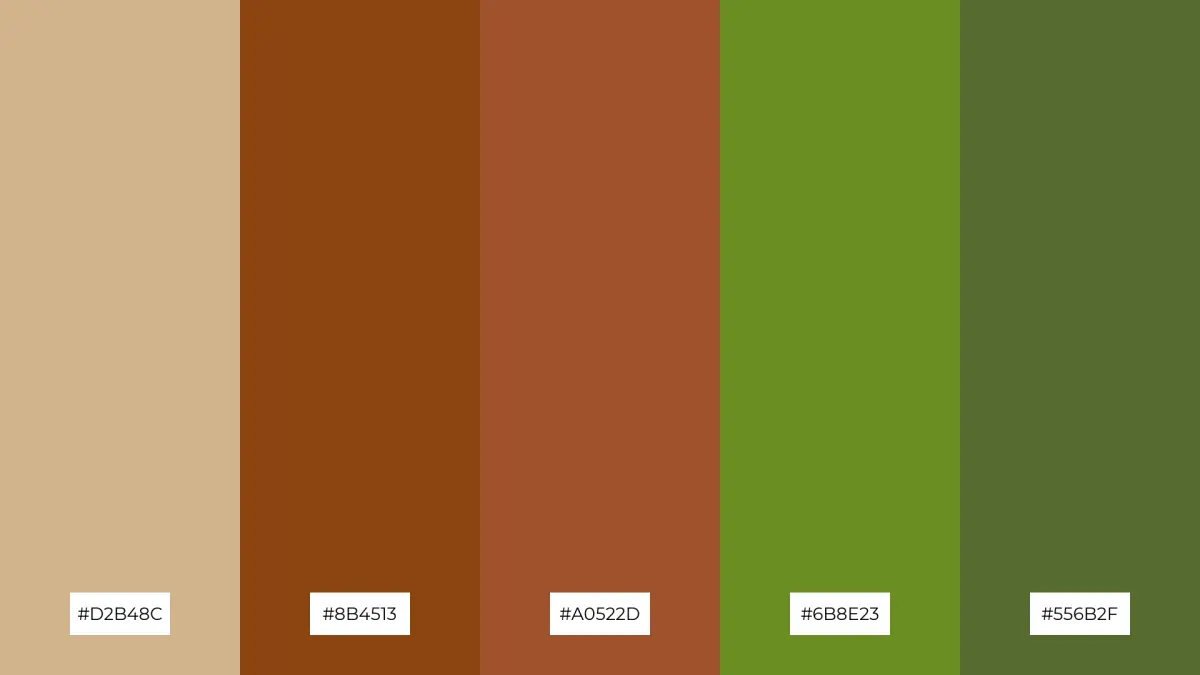
Artists and model makers often need to replicate the look of aged metal using a palette of specific pigments. To achieve a realistic rust effect, you must layer colors to mimic the natural progression of oxidation. Start with a dark base and gradually apply lighter, brighter tones to represent newer, more active corrosion.
- Apply a dark, matte brown or burnt umber base coat to simulate the deepest layers of oxidation.
- Use a sponge to dab on burnt sienna or terracotta acrylic paint to create texture and depth.
- Add small highlights of bright orange or yellow ochre to represent the most recent, active rust spots.
- Apply a thin, dark wash over the entire surface to unify the colors and soften the transitions.
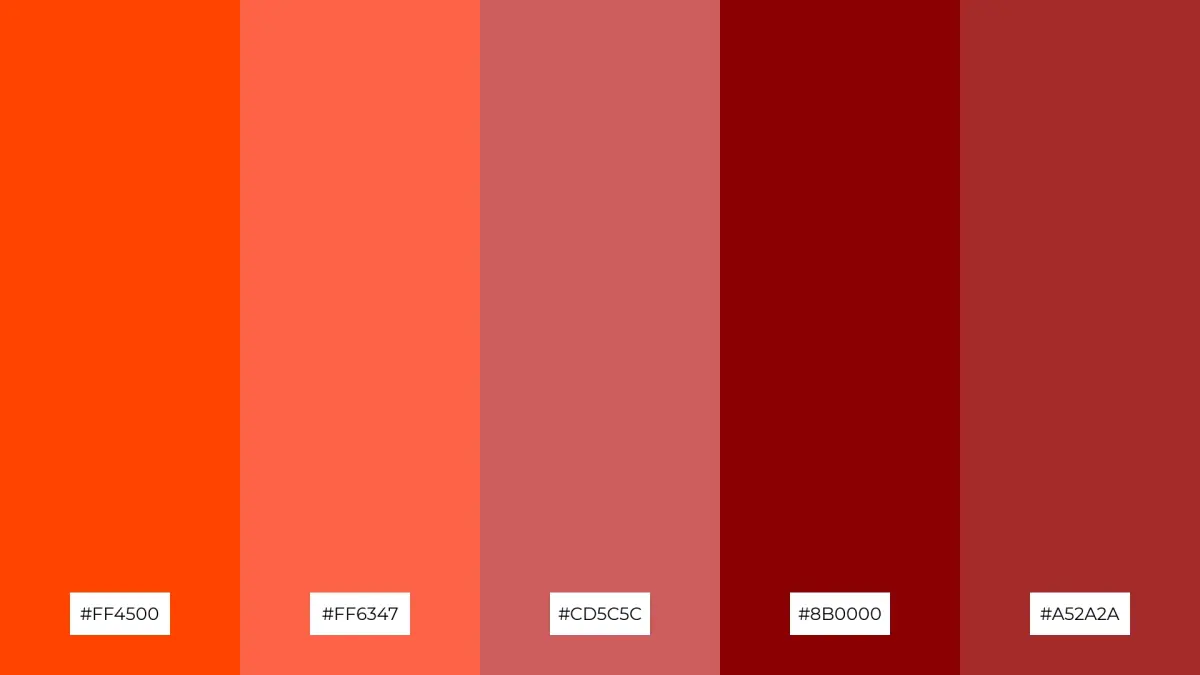
Avoid using pure, vibrant orange, as this often looks artificial. Instead, mix your orange with a small amount of grey or brown to ground the color in reality.
How to remove rust from metal surfaces
Removing rust is essential for restoring the functionality and appearance of tools, automotive parts, and household items. The most effective methods involve either mechanical abrasion or chemical dissolution. Mechanical methods are best for surface-level corrosion, while chemical baths are preferred for heavily encrusted or intricate parts that are difficult to scrub by hand.
- Use a wire brush or steel wool for light surface rust on sturdy iron objects.
- Apply white vinegar or a phosphoric acid solution to soak small parts until the rust dissolves.
- Utilize a dedicated rust converter, which chemically transforms existing iron oxide into a stable, black protective coating.
- Always wear gloves and eye protection when working with acidic rust removers to prevent skin irritation.
Regardless of the method, ensure the metal is completely dry before applying a protective finish. Moisture left behind will restart the oxidation process almost immediately.
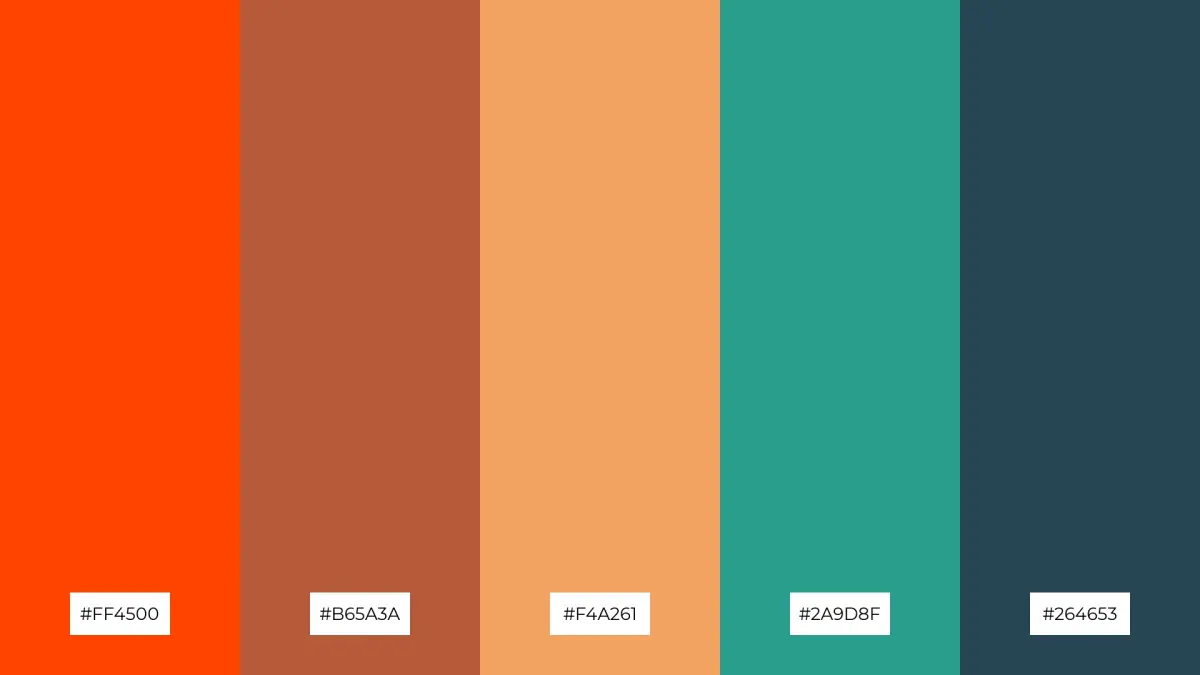
Common mistakes when painting rust effects
Many beginners struggle to make rust look authentic because they apply a uniform color across the entire surface. Nature rarely creates consistent patterns; rust typically follows the path of moisture, pooling in crevices, joints, and areas where water collects. A common error is failing to account for the "bleeding" effect, where rust stains run down the surface of the metal due to gravity.
To avoid a flat, cartoonish appearance, vary your application techniques. Use a stippling motion with a stiff brush to create a rough, pitted texture rather than smooth, painted lines. If you are painting a vertical surface, use a thin, watery orange-brown paint to create streaks that mimic the path of water runoff. Remember that real rust is rarely a single solid color; it is a complex mixture of dark shadows, bright highlights, and mid-tone textures that change depending on the lighting conditions.
Best ways to prevent rust formation
Preventing rust is significantly easier than removing it once it has taken hold. The goal is to create an impermeable barrier between the iron and the environment. Oil-based coatings, specialized paints, and galvanization are the most reliable methods for long-term protection. Galvanization, in particular, involves coating steel with a thin layer of zinc, which acts as a sacrificial anode that corrodes before the iron underneath.
- Clean the metal surface thoroughly to remove any oils, dirt, or existing corrosion.
- Apply a high-quality primer specifically formulated to bond with metal and inhibit oxidation.
- Seal the surface with an exterior-grade paint, powder coat, or clear lacquer to block oxygen and moisture.
- Inspect the item periodically for chips or scratches that could expose the bare metal to the elements.
By maintaining these protective layers, you can prevent the chemical reaction that creates the characteristic red-brown color of rust, ensuring your metal objects remain strong and aesthetically pleasing for many decades to come.
Key facts
- Rust is chemically known as hydrated iron(III) oxide, formed when iron reacts with oxygen and water.
- The characteristic reddish-brown color comes from the iron oxide molecules reflecting light in that specific spectrum.
- Variations in color, such as orange, yellow, or dark brown, depend on the level of hydration and the presence of other minerals.
- You can create a "rust" aesthetic for art projects using a mixture of vinegar, salt, and hydrogen peroxide on iron surfaces.
- To prevent actual rust, apply a barrier like paint, oil, or a galvanized zinc coating to iron or steel.
- Never mix bleach with vinegar to clean or age metal, as this creates toxic chlorine gas.
The bottom line
Rust is the result of an electrochemical reaction between iron, oxygen, and water, which produces the familiar reddish-brown iron oxide. While this process is destructive to structural metals, it can be managed through protective coatings or reversed using mild acids like vinegar. Understanding these chemical interactions allows you to effectively protect your tools and property from corrosion while safely managing the aesthetic effects of oxidation.
People also ask
Does rust always have to be red?
While reddish-brown is the most common color, rust can appear yellow, orange, or even nearly black. These color differences are caused by varying amounts of water molecules trapped in the iron oxide structure or the presence of impurities like carbon.
Can you remove rust with household items?
Yes, soaking rusted items in white vinegar for 24 hours is a highly effective way to dissolve surface rust. After soaking, scrub the area with a wire brush and rinse it thoroughly with water to stop the chemical reaction.
Is rust harmful to touch?
Rust itself is not toxic, but the jagged, oxidized surface of rusted metal can easily break the skin and harbor bacteria. If you are cut by a rusted object, it is important to clean the wound and check your tetanus vaccination status.
Why does car rust spread so quickly?
Once rust begins, it creates a porous surface that traps more moisture and oxygen, accelerating the corrosion process. Road salt used in winter further speeds up this reaction by acting as an electrolyte, which conducts electricity and promotes faster oxidation.
Does stainless steel rust?
Stainless steel is designed to resist rust because it contains chromium, which forms a protective layer on the surface. However, it can still rust if the protective layer is damaged or if it is exposed to harsh chemicals like salt water for long periods.
How do I stop rust from coming back after cleaning?
After removing rust, you must seal the metal to prevent oxygen and moisture from reaching the surface. Use a rust-inhibiting primer, high-quality paint, or a light coating of machine oil to create a durable, airtight barrier.
This answer was created with the help of AI research tools and reference sources. Spotted an error? Let us know — we correct mistakes quickly. See our editorial policy.