How do you draw a cute dog?
Short answer
Drawing a cute dog relies on exaggerating facial features to trigger a positive emotional response. Focus on a larger head-to-body ratio, oversized eyes, and a rounded snout. By simplifying shapes into basic circles and ovals, you can create a charming, approachable character that emphasizes youthful, puppy-like proportions for maximum visual appeal.
On this page
How to draw a cute dog step by step
To begin your drawing, think of the dog as a collection of simple geometric shapes rather than complex anatomy. Start by sketching a large circle for the head and a slightly smaller, softer oval for the body. This size difference is essential because a larger head relative to the body is a classic hallmark of "cuteness" in both human and animal psychology. Connect the head to the body with a short, thick neck line to keep the character looking stout and friendly.
Once your basic frame is established, follow these steps to refine the form:
- Draw two large, circular eyes positioned slightly below the center of the head circle.
- Add a small, inverted triangle for the nose, keeping it centered between the eyes.
- Sketch a wide, "W" shaped mouth to give the dog a happy, inviting expression.
- Add large, floppy ears that hang down the side of the head, as these soften the overall silhouette.
- Finish by adding short, stubby legs and a rounded, wagging tail to complete the puppy-like appearance.
Best drawing tools for beginners
For those just starting, using a graphite pencil with a medium hardness, such as an HB or 2B, is highly recommended. These pencils allow for light, erasable initial sketches that do not leave deep indentations on the paper. Pair your pencil with a high-quality white vinyl eraser, which is less likely to smear graphite across your page than traditional pink rubber erasers. Using a sketchbook with a slightly textured surface can also provide better control over your lines compared to standard copy paper.
If you prefer working with ink, consider using a fine-liner pen with a felt tip after your pencil work is complete. These pens provide a consistent line weight that makes the drawing look professional and clean. When choosing your materials, keep these tips in mind:
- Opt for paper that is at least 80gsm in weight to prevent ink bleeding.
- Use a kneaded eraser to lift away pencil marks without damaging the paper fibers.
- Keep a sharpener nearby to maintain a fine point, which is crucial for drawing small details like whiskers or eye highlights.
Why big eyes make dogs look cute
The perception of cuteness is heavily influenced by the "baby schema," a set of physical traits that trigger nurturing instincts in humans. Large, round eyes are the most significant component of this phenomenon. When you draw a dog with eyes that occupy a large portion of the face, you mimic the proportions of human infants. This creates an immediate psychological connection, making the viewer feel a sense of warmth and affection toward the drawing.
Beyond size, the placement and detail of the eyes play a vital role in the character's personality. Adding a small white circle within the pupil creates a "highlight" or "glint," which makes the eyes look wet and alert. Avoid drawing the eyes too far apart, as this can make the dog look confused or vacant. Instead, keep them relatively close together to focus the viewer's attention on the center of the face. By mastering the balance between eye size and placement, you can control exactly how endearing your final illustration appears to be.
Common mistakes when drawing dogs
One of the most frequent errors is giving the dog overly long, thin limbs that make it look like an adult greyhound rather than a cute puppy. To maintain a cute aesthetic, keep the legs short, thick, and slightly tapered at the paws. Another common mistake is drawing the nose too large or too sharp, which can make the dog look aggressive or predatory. A small, rounded nose helps maintain a soft, non-threatening appearance that fits the overall theme of your work.
Additionally, many beginners struggle with the placement of ears. Placing ears too high on the head can make the dog look like a rabbit, while placing them too low can make the head look strangely elongated. Follow these guidelines to avoid common pitfalls:
- Avoid using straight, rigid lines; always favor curves to keep the character feeling soft.
- Do not add too much detail to the fur, as simple shapes are more effective for cute characters.
- Ensure the snout is not too long, as a short, "pushed-in" muzzle is a key feature of cute, youthful dogs.
How to add personality to your drawing
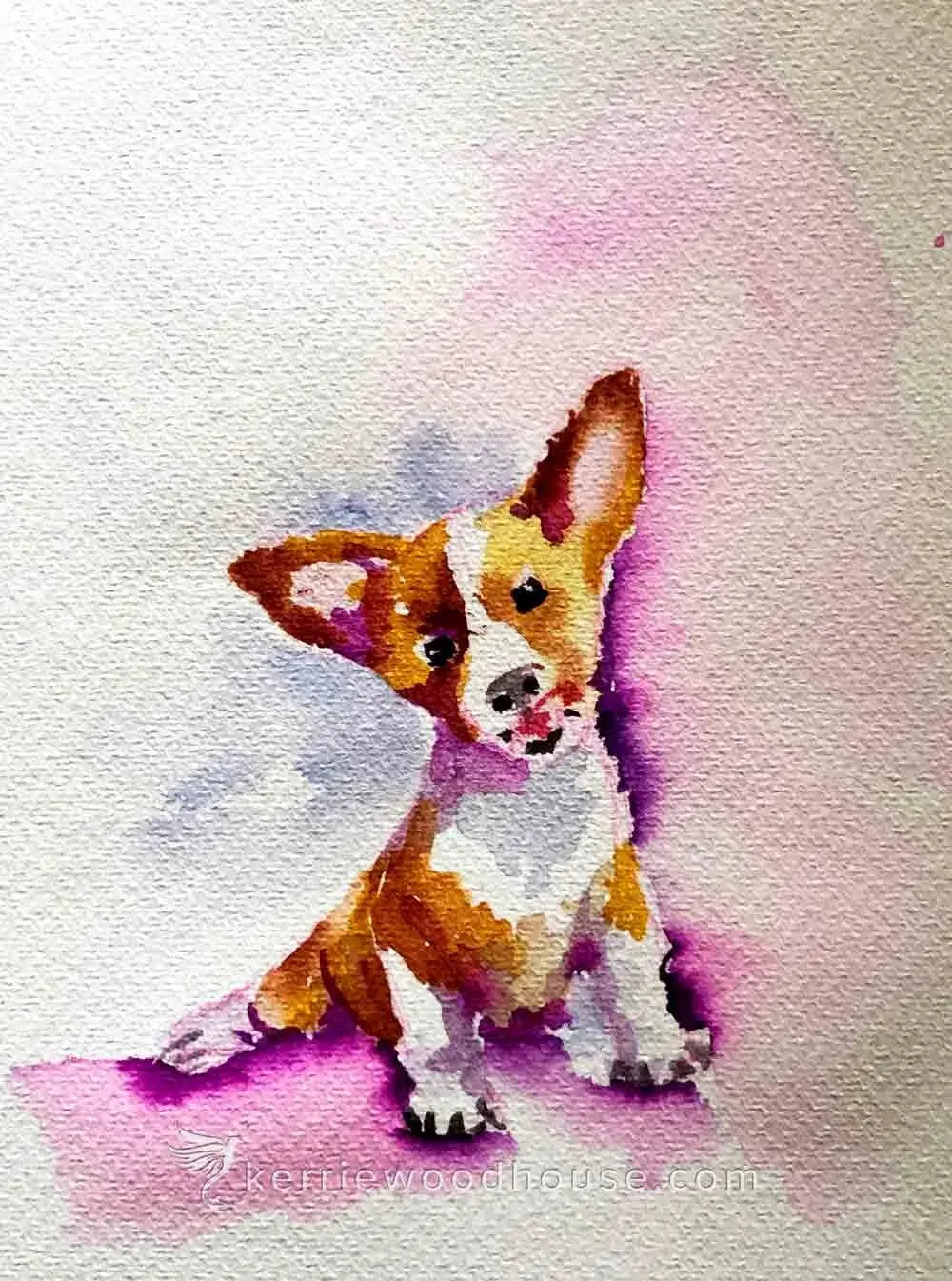
Once you have mastered the basic proportions, you can begin to add personality through subtle variations in expression and posture. A slightly tilted head is one of the most effective ways to make a drawing look curious and engaged. You can achieve this by angling the eyes and mouth slightly off-center, suggesting that the dog is listening to a sound or watching something interesting. Small details, such as a raised eyebrow or a tongue lolling out of the mouth, can further enhance the character's charm.
Experimenting with different ear shapes can also change the "breed" or personality of your dog without requiring a full redesign. Long, drooping ears often suggest a calm or sleepy disposition, while perky, triangular ears can make the dog look energetic and playful. Remember that consistency is key; if you decide the dog is a happy, energetic puppy, ensure that all features, including the tail position and mouth shape, reflect that specific mood. By thoughtfully adjusting these minor elements, you can create a wide variety of unique, cute dogs while maintaining the core principles of the style.
Key facts
- Use simple geometric shapes like circles and ovals to establish the basic proportions of the head and body.
- Draw the eyes larger than they appear in reality to enhance the "cute" or youthful aesthetic.
- Place the nose low on the muzzle to leave more room for large, expressive eyes above it.
- Keep the ears floppy or rounded, as sharp angles often make a dog look aggressive rather than adorable.
- Add a slight upward curve to the mouth to give the dog a happy, friendly expression.
- Use soft, rounded lines instead of harsh, jagged edges to make the character feel approachable and huggable.
The bottom line
Drawing a cute dog relies on the principle of exaggeration, specifically by emphasizing youthful features like large eyes, a rounded head, and soft, curved lines. By focusing on simple geometric foundations and minimizing complex details, you can create a character that feels warm and approachable. Practice these basic shapes consistently, and remember that keeping the overall design clean is the secret to a professional, charming illustration.
People also ask
What is the most important feature to focus on for a cute design?
The eyes are the most critical element because they convey emotion and personality. Drawing them large, wide-set, and with prominent highlights makes the animal appear innocent and endearing.
Should I use realistic fur textures?
For a cute, stylized drawing, avoid excessive detail. Use simple, rounded tufts of fur around the cheeks or ears to suggest fluffiness without cluttering the design.
How do I make the dog look like a puppy?
Focus on exaggerated proportions, such as a larger head relative to the body and shorter, stubbier limbs. These physical traits mimic the developmental stages of young animals, which humans naturally find appealing.
What pens or pencils work best for beginners?
Start with a light graphite pencil for sketching shapes, then use a fine-liner pen to finalize the outline. This allows you to erase construction lines once the main features are set.
How can I make the dog look more expressive?
Adjust the angle of the eyebrows or the shape of the mouth to change the mood. Even subtle changes, like slightly drooping ears, can make the dog look curious or playful.
Is it better to draw from memory or a reference?
Always use a reference photo of a real dog to understand basic anatomy. Once you grasp the structure, you can simplify the features to achieve your desired cute style.
This answer was created with the help of AI research tools and reference sources. Spotted an error? Let us know — we correct mistakes quickly. See our editorial policy.