How do you draw a cute tiger?
Short answer
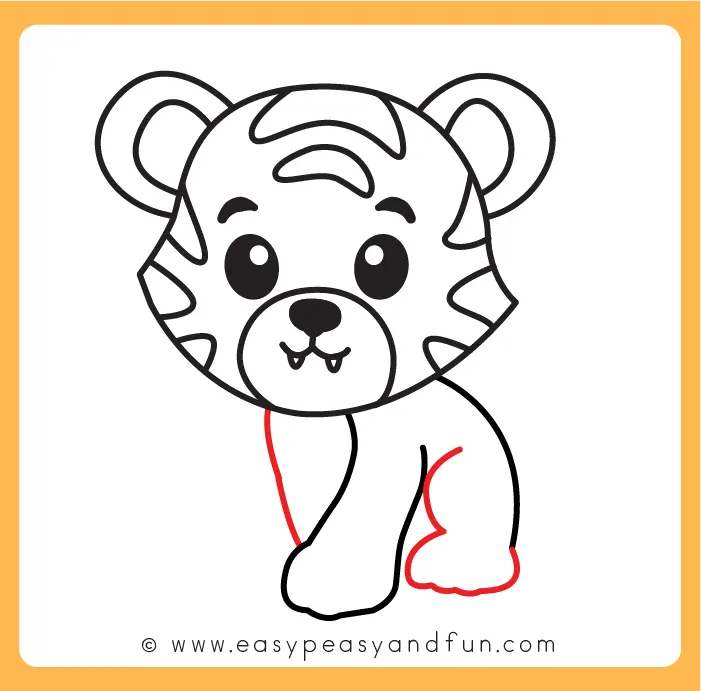
Drawing a cute tiger involves simplifying its natural features into rounded, oversized shapes. Focus on large, expressive eyes, a small triangular nose, and soft, curved lines rather than sharp, realistic edges. By emphasizing a big head and a compact, chubby body, you create an endearing character that remains recognizable as a tiger.
On this page
How to sketch the basic shapes for a cute tiger
To begin, visualize your tiger as a collection of soft, geometric volumes. Start by drawing a large circle for the head and a slightly smaller, oval shape for the body. Because "cute" proportions rely on the "baby schema"—large heads relative to bodies—ensure the head is significantly wider than the torso. Keep your pencil strokes light during this phase, as you will refine these outlines later.
Once the primary shapes are placed, add two small, rounded triangles on top of the head for ears. Position them slightly to the sides to give the tiger a friendly, alert appearance. For the face, draw a horizontal line across the center of the head circle to help align the eyes. Remember that symmetry is key to a balanced, appealing character design, so take your time measuring these initial placements carefully.
- Draw a large circle for the head.
- Add a smaller, soft oval for the body.
- Place two rounded triangles at the top of the head.
- Sketch two small circles for the paws at the base of the body.
Best tools for drawing cute animals
Choosing the right materials can significantly impact the final look of your drawing. For beginners, a standard HB graphite pencil is ideal because it allows for easy erasing and light sketching. If you prefer a bolder look, consider using a fine-liner pen with a 0.5mm tip to outline your work once the initial sketch is complete. This contrast helps define the "cartoon" style effectively.
When it comes to coloring, alcohol-based markers or soft colored pencils provide the best results for a smooth, vibrant finish. Tigers are defined by their orange and black palette, so select a warm, bright orange for the fur and a deep, dark brown or black for the stripes. Avoid using pure black for stripes if you want a softer look; a dark charcoal or sepia tone often appears more natural and less harsh on a cute character.
- HB Graphite pencils for initial layout.
- Kneaded erasers to lift graphite without damaging paper.
- Fine-liner pens for clean, permanent outlines.
- Alcohol markers for smooth, saturated color application.
How to draw expressive tiger eyes
The eyes are the most important feature for conveying personality. To make your tiger look cute, draw two very large, wide-set circles. Inside each circle, place a smaller black pupil, leaving a tiny white dot toward the top or side to represent a highlight. This reflection creates a "sparkle" effect that makes the character look lively, curious, and approachable to the viewer.
Avoid drawing realistic, narrow feline slits, as these can make the tiger look aggressive or predatory. Instead, keep the eyes round and slightly oversized, mimicking the proportions of a stuffed animal. You can add a few short, curved lines above the eyes to act as soft eyebrows, which helps convey emotion. Whether your tiger is happy, surprised, or sleepy, the positioning of these eyebrows will dictate the mood of your drawing.
- Sketch two large, equal-sized circles.
- Fill in dark pupils while leaving a small white highlight.
- Add subtle, curved lines above the eyes for eyebrows.
- Position the eyes low on the head to emphasize a large forehead.
Why proportions matter in character design
Proportion is the fundamental difference between a realistic wildlife drawing and a cute, stylized illustration. In character design, we often exaggerate features that trigger a nurturing response in humans, such as large eyes and a small, rounded muzzle. By keeping the limbs short and slightly chubby, you reinforce the idea that the tiger is young and playful rather than a fierce adult predator.
If you find that your drawing looks too much like a real tiger, try shrinking the snout and moving the eyes closer to the center of the face. A common mistake is making the neck too long; a cute tiger should have a very short, thick neck that connects directly to the body. This compactness makes the character appear sturdy and huggable, which is the hallmark of effective cute animal art.
Common mistakes when drawing tiger stripes
Stripes can be tricky because they define the tiger’s identity, but they can easily clutter a drawing if overdone. A frequent error is drawing too many stripes, which makes the character look busy or messy. Instead, focus on placing a few key stripes on the forehead, cheeks, and the outer edges of the body. Use a "V" or "M" shape on the forehead to mimic the natural markings found on real tigers.
Another mistake is making the stripes perfectly straight. Tiger stripes should be tapered, meaning they are thick at the base and thin at the tip, following the contour of the body. Think of them as flowing ribbons rather than rigid lines. By varying the length and thickness of these marks, you create a dynamic, organic look that complements the rounded shapes of your character. Always ensure the stripes follow the curvature of the limbs to give the drawing a sense of three-dimensional volume.
Key facts
- Start with a large circle for the head and a slightly smaller oval for the body to establish basic proportions.
- Use large, rounded shapes for the eyes and ears to emphasize the "cute" aesthetic, as bigger features trigger a sense of youthfulness.
- Draw stripes as irregular, tapering triangles rather than straight lines to mimic natural tiger fur patterns.
- Keep the paws oversized and rounded to give the tiger a soft, approachable appearance.
- Add a small, inverted triangle for the nose and a curved "W" shape for the mouth to create a friendly expression.
- Use a soft orange base color with dark brown or charcoal stripes instead of harsh black to maintain a gentle tone.
The bottom line
To draw a cute tiger, prioritize rounded shapes and exaggerated, friendly facial features. By focusing on large eyes, soft curves, and a gentle color palette, you create an approachable character rather than a fierce predator. Practice consistent stripe placement and keep the body proportions compact to emphasize a youthful, cub-like appearance. With these techniques, you can easily transform a complex animal into a charming illustration.
People also ask
What is the most important feature to make a tiger look cute?
The eyes are the most critical element. Drawing them large, spaced slightly apart, and adding a small white highlight creates a lively, endearing gaze.
Should I use straight lines for the stripes?
Avoid perfectly straight lines, as they look mechanical. Use slightly wavy, tapered strokes that follow the curvature of the tiger’s body to make the fur look realistic yet soft.
How do I draw the tail correctly?
Draw a long, thick, and slightly curved tail with rounded tips. Adding a few stripes along the length of the tail helps balance the overall design.
What is a common mistake when drawing the ears?
Many beginners draw ears too pointed or too high on the head. Place rounded ears on the sides of the top of the head to maintain a cuddly, cub-like silhouette.
How can I add personality to the tiger?
You can add accessories like a small bow, a butterfly on the nose, or have the tiger holding a toy. These simple additions immediately enhance the character's charm.
Is it better to use ink or pencil for the final outline?
Using a fine-liner pen for the final outline provides a clean, professional look. Ensure your pencil sketch is light so you can easily erase it after inking.
This answer was created with the help of AI research tools and reference sources. Spotted an error? Let us know — we correct mistakes quickly. See our editorial policy.