What are the best knitting needles for beginners?
Short answer
Bamboo or wooden needles are the best choice for beginners because they provide a slight grip that prevents stitches from slipping off accidentally. A medium size, specifically US size 8 (5.0 mm), is ideal for learning basic techniques. These needles are affordable, lightweight, and comfortable for hands that are still developing muscle memory.
On this page
Which knitting needles are best for beginners
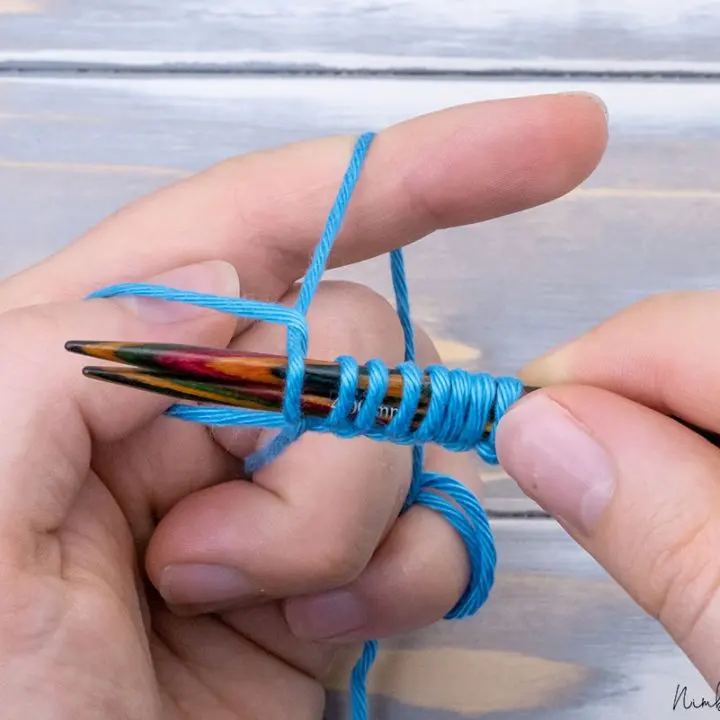
When starting your knitting journey, the material of your needles significantly impacts your learning curve. Beginners often struggle with "slippery" needles, such as those made from polished metal or nickel, which can cause stitches to slide off prematurely. Bamboo or birch wood needles offer a textured surface that holds the yarn in place, giving you more control over your tension and stitch formation.
Beyond material, the shape of the needle tip matters. Look for needles with a "tapered" or "regular" point rather than a "sharp" or "lace" tip. Sharp points are designed for complex patterns and can be uncomfortable for beginners who tend to push the needle tip with their fingers. A standard, rounded point is forgiving and prevents you from accidentally splitting the yarn fibers as you work.
What size knitting needles should I use first
For your first project, choose a medium-weight needle that balances visibility with ease of handling. A US size 8 (5.0 mm) is widely considered the gold standard for beginners. This size is large enough to see your stitches clearly, making it easier to identify mistakes, yet small enough to produce a fabric that is not overly bulky or stiff.
When purchasing your first pair, consider these factors to ensure a successful start:
- Length: Choose a 10-inch or 12-inch needle; anything longer can feel unwieldy and cumbersome for a novice.
- Style: Straight needles are the most intuitive for learning the basic knit and purl stitches.
- Material: Opt for bamboo or wood to provide the necessary friction to keep your stitches secure.
- Weight: Ensure the needles feel lightweight in your hands to avoid fatigue during long practice sessions.
How to choose between straight and circular needles
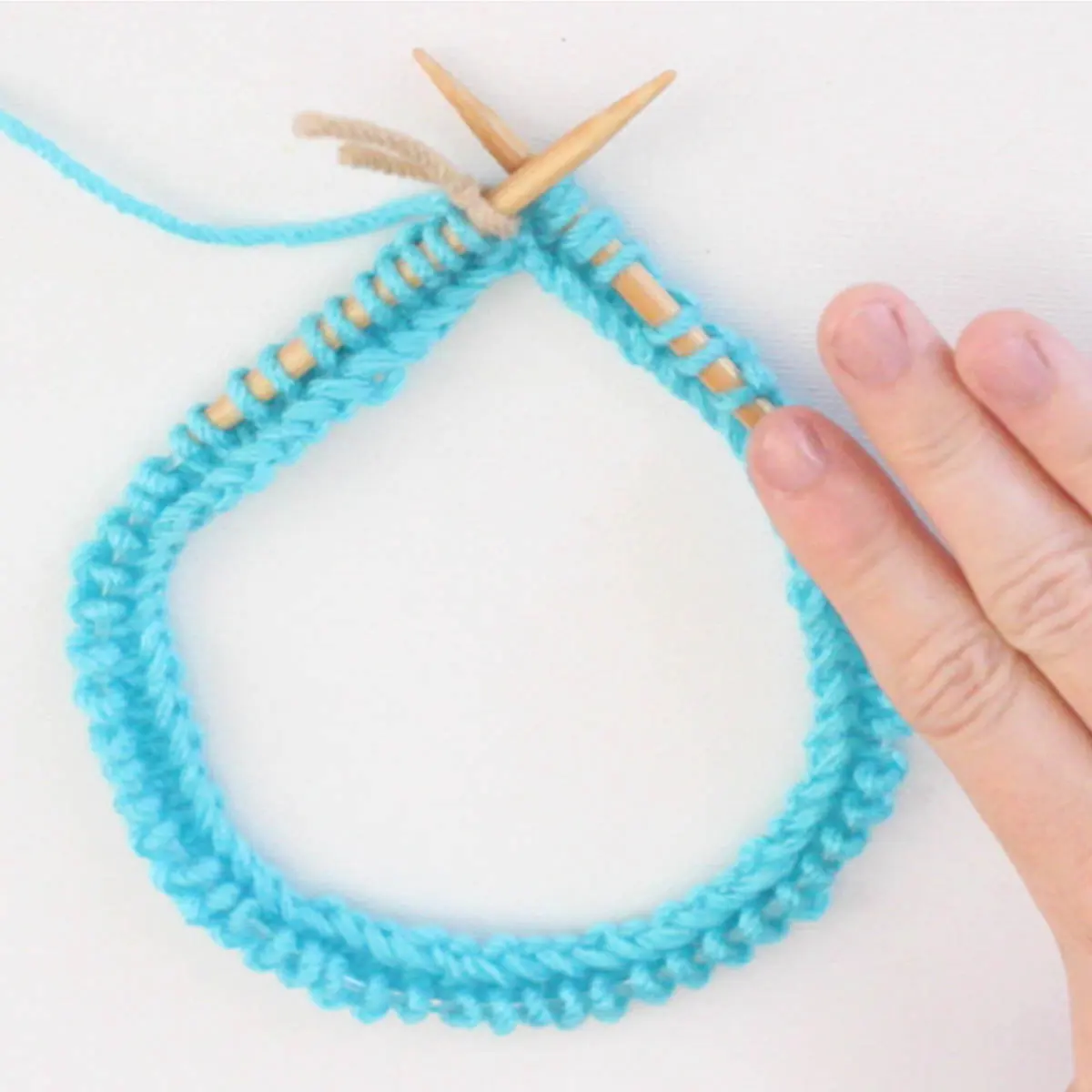
While straight needles are the traditional choice for beginners, circular needles—two needle tips connected by a flexible cord—offer surprising advantages. Many new knitters find that circular needles are more ergonomic because the weight of the project rests in your lap rather than on your wrists. This design can prevent the hand strain often associated with holding two long, rigid straight needles.
If you choose to start with circular needles, look for a length of 24 or 29 inches. These are versatile enough to hold a wide variety of projects, including scarves, blankets, and even sweaters. When buying circular needles, check that the join where the cord meets the needle tip is smooth. A snag-prone connection will catch the yarn and frustrate your progress, so prioritize high-quality brands that guarantee a seamless transition.
Common mistakes when buying knitting needles
One of the most frequent errors beginners make is purchasing a "bargain" set of plastic needles. While inexpensive, plastic needles often have rough seams or mold lines that snag the yarn, making the process of sliding stitches back and forth difficult. Additionally, plastic can be prone to bending or warping over time, which affects the consistency of your stitch size and overall tension.
Another mistake is buying needles that are too thin or too thick. Extremely thin needles (below US 3) require fine, delicate yarn that is difficult to manage, while very thick needles (above US 13) create large, loose loops that can look messy if your tension is not yet established. Stick to the middle range to build your confidence. Avoid buying large, expensive sets immediately; instead, purchase one or two pairs in the recommended size to see if you enjoy the craft before investing in a full collection.
How to maintain your knitting needles
Proper care for your needles ensures they last through many projects and remain pleasant to use. If you are using bamboo or wooden needles, they may occasionally feel "sticky" due to natural oils or humidity. You can lightly buff them with a piece of brown paper or a very fine-grit sanding block to restore their smooth finish. Never use harsh chemicals or heavy oils, as these can damage the wood fibers or leave residue on your yarn.
To keep your equipment organized and in good condition, follow these simple steps:
- Store your needles in a dedicated case or roll to prevent them from bending or getting lost in your home.
- If using metal needles, wipe them down with a soft, dry cloth after each session to remove hand oils that can cause tarnishing.
- Check the tips periodically for small burrs or scratches that could snag your yarn; if found, use a fine nail file to gently smooth the area.
- Keep your needles away from extreme heat, as this can warp plastic or dry out wooden needles, leading to cracks.
Key facts
- Bamboo or wooden needles are ideal for beginners because they provide a slight grip that prevents stitches from sliding off accidentally.
- Size US 8 (5.0 mm) is the most versatile needle size for learning, as it works well with medium-weight worsted yarn.
- Circular needles are often better than straight needles because the cord supports the weight of the project, reducing wrist strain.
- Avoid metal needles early on, as their slick surface can cause stitches to drop more easily while you are still developing muscle memory.
- A 24-inch or 32-inch cable length is standard for most beginner projects like scarves, hats, or cowls.
- Always check the yarn label, which typically suggests the ideal needle size to achieve the correct tension for that specific material.
The bottom line
For those starting their knitting journey, bamboo or wooden needles in a US 8 (5.0 mm) size offer the best balance of control and comfort. By choosing circular needles, you gain versatility and reduce physical strain. Focus on mastering your tension with medium-weight yarn before investing in expensive sets. With the right tools and consistent practice, you will quickly develop the dexterity needed for complex patterns.
People also ask
What is the difference between straight and circular needles?
Straight needles are two separate sticks used for flat knitting, while circular needles consist of two tips connected by a flexible cord. Circular needles are more versatile because they can be used for both flat and round knitting projects.
How do I know if I am knitting too tightly?
If you struggle to insert the needle into your stitches, your tension is likely too tight. Try to relax your hands and focus on sliding the yarn across the needle shaft rather than pulling it taut.
Should I buy a full set of needles or individual pairs?
Start by purchasing one or two pairs of needles in common sizes like US 7 or 8. Buying a full set is a significant investment that is best reserved for after you confirm that you enjoy the hobby.
What material is best for slippery yarns?
If you are using a slick material like silk or rayon, use wooden or bamboo needles to add friction. These materials help keep the yarn in place, preventing the stitches from unraveling while you work.
How can I prevent my needles from clicking together too loudly?
The clicking sound is a common part of knitting, but it can be minimized by using wooden or plastic needles. Metal needles are the loudest, so switching to a softer material will significantly reduce the noise.
Does the length of the needle tip matter for beginners?
Longer tips are generally easier to hold for beginners with larger hands, while shorter tips are better for small projects. Standard 5-inch tips are the most common and comfortable choice for a wide range of knitters.
This answer was created with the help of AI research tools and reference sources. Spotted an error? Let us know — we correct mistakes quickly. See our editorial policy.