Is the Vancouver Art Gallery worth visiting?
Short answer
The Vancouver Art Gallery is a worthwhile destination for those interested in Canadian art and regional history. Located in a historic courthouse, it offers a diverse collection of over 12,000 works. While its size is manageable compared to global mega-museums, the quality of its rotating exhibitions makes it a cultural staple.
On this page
Is the Vancouver Art Gallery worth visiting?
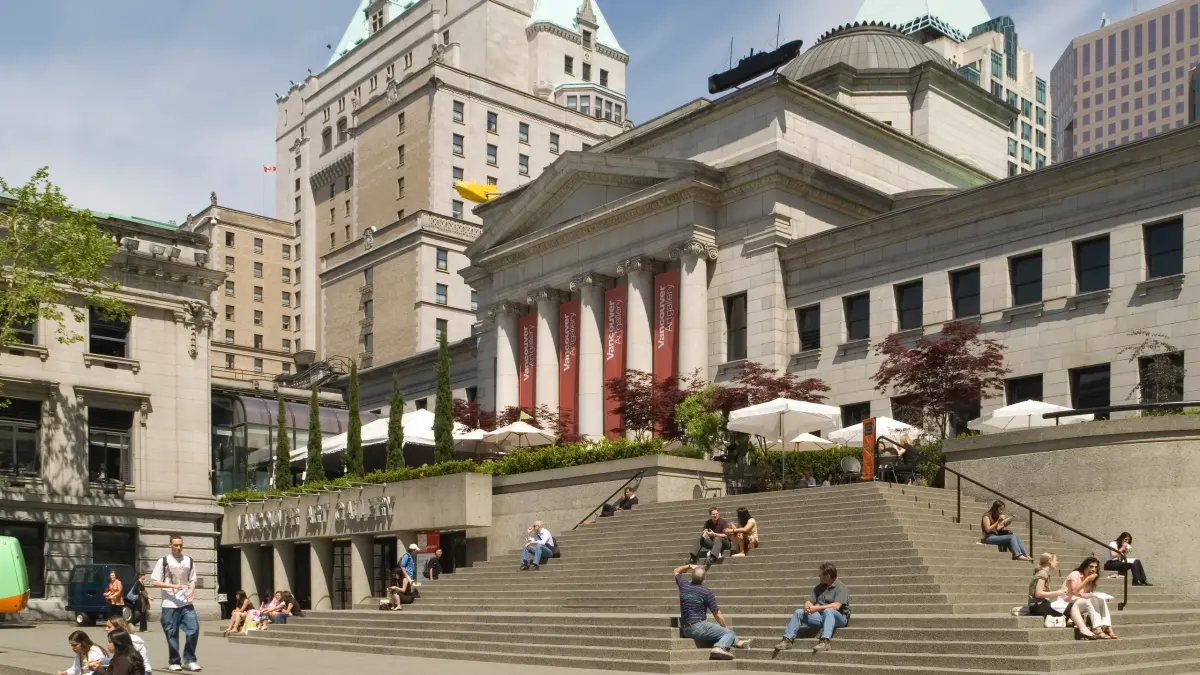
The Vancouver Art Gallery serves as the premier visual arts institution in British Columbia. It is particularly renowned for its extensive collection of works by Emily Carr, an iconic Canadian artist whose depictions of West Coast landscapes and Indigenous culture define much of the regional aesthetic. Visitors often find that the gallery provides a vital lens through which to understand the complex history and identity of the Pacific Northwest.
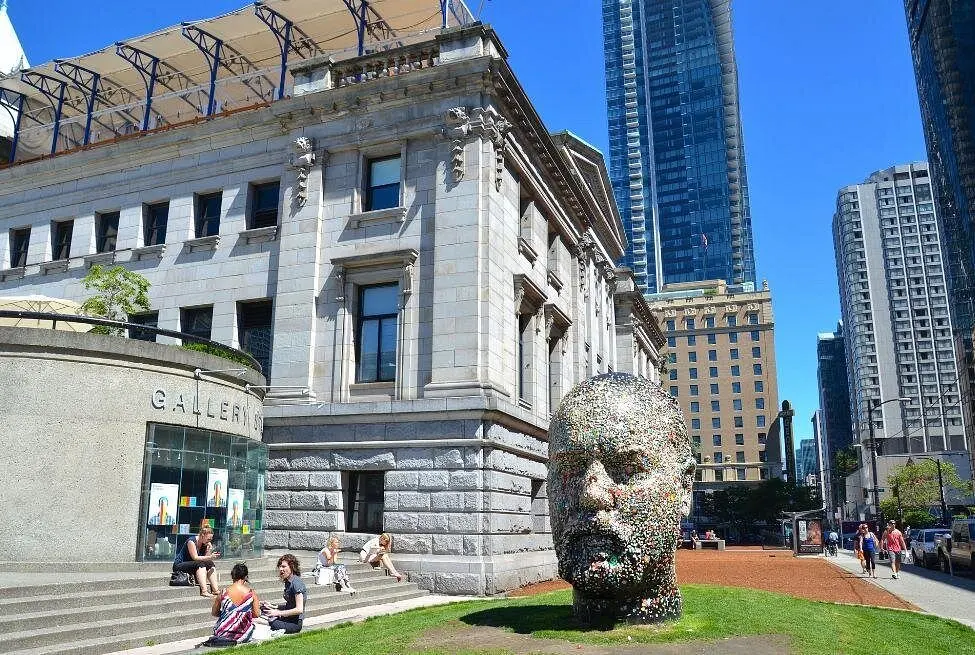
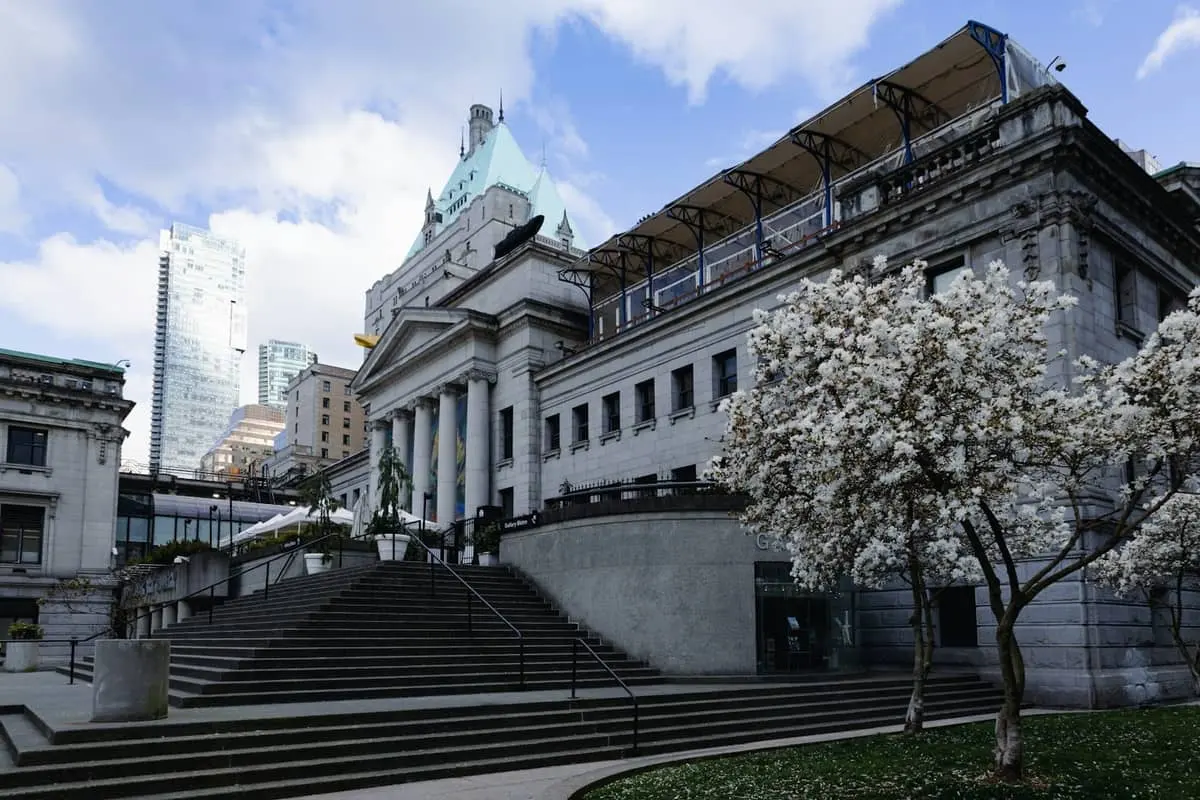
Beyond its permanent collection, the institution hosts high-profile international traveling exhibitions. These shows frequently feature contemporary photography, modern painting, and conceptual installations that draw significant crowds. Because the gallery occupies a historic 1906 courthouse building, the architecture itself is a major draw. The grand neoclassical design, complete with a rotunda and marble staircases, offers a sophisticated atmosphere that enhances the viewing experience. Whether you are a casual tourist or a dedicated art enthusiast, the gallery provides a balanced mix of historical depth and contemporary relevance.
How long does it take to visit the Vancouver Art Gallery?
Most visitors find that two to three hours is sufficient to explore the primary galleries and rotating exhibitions. Because the museum is smaller than major international institutions like the Louvre or the Met, it does not require a full day of travel. This makes it an ideal stop for those with limited time in the city, as it is centrally located near the downtown shopping district and various hotels.
If you prefer a more leisurely pace, you might consider the following itinerary:
- Spend the first hour in the Emily Carr collection to appreciate the regional focus.
- Dedicate the second hour to the featured temporary exhibition, which changes every few months.
- Conclude with a visit to the gallery store and the on-site café for a quick refreshment.
- Check the daily schedule for guided tours, which typically last 45 minutes and provide valuable context for the current installations.
Best times to visit the Vancouver Art Gallery
To avoid the largest crowds, aim to visit on weekday mornings shortly after the gallery opens. Weekends and holidays naturally attract more families and tourists, which can make the galleries feel cramped. If you are looking for a budget-friendly option, the gallery often hosts "by donation" entry on Tuesday evenings, which is a popular choice for locals.
When planning your trip, consider these factors:
- Check the official website for current exhibition schedules to ensure you are interested in the featured artists.
- Avoid visiting during the first week of a major blockbuster exhibition, as wait times can be significant.
- Plan your arrival around the lunch hour if you intend to eat at the café, as seating can become limited.
- Verify if there are any public holidays, as the gallery may operate on modified hours or experience higher-than-average attendance.
Common mistakes when visiting the Vancouver Art Gallery
A frequent error is failing to check the gallery's website before arrival. Because the institution frequently rotates its exhibitions, visitors may arrive expecting to see a specific piece, only to find it is currently in storage or on loan. Another mistake is underestimating the amount of walking required. While the building is not sprawling, the multi-level layout requires navigating several staircases.
Visitors should also avoid these common pitfalls:
- Forgetting to store large bags or backpacks in the coat check, as these are generally prohibited in the galleries.
- Assuming that photography is permitted in every room; always check for signage indicating restricted areas.
- Rushing through the smaller, secondary galleries, which often house hidden gems that are less crowded than the main halls.
- Neglecting to look at the building’s exterior architecture, which is a significant piece of Vancouver's heritage.
Why the Vancouver Art Gallery is changing
The gallery is currently in the planning stages of a major move to a new, purpose-built facility designed by the architectural firm Herzog & de Meuron. The current courthouse location, while beautiful, faces significant space constraints that limit the institution's ability to display its vast collection. The future site aims to provide more room for large-scale installations, expanded educational programming, and modern climate control systems.
This transition reflects the gallery's growth and its ambition to compete on a global stage. The new structure will feature a distinctive wooden facade and a more open, accessible design intended to foster community engagement. For visitors, this means that the current experience is a "final chapter" of sorts for the historic courthouse location. Seeing the gallery now offers a chance to appreciate art within a century-old civic landmark before the institution enters its next era of development. The evolution of the gallery remains a central topic in Vancouver’s cultural discourse, making it a compelling subject for any visitor interested in urban planning and the future of public art institutions.
Key facts
- The Vancouver Art Gallery is the largest art museum in Western Canada, housing a permanent collection of over 13,000 works.
- It is located in the former provincial courthouse, a neoclassical building designed by Francis Rattenbury and opened in 1906.
- The gallery is renowned for its extensive collection of works by British Columbian artist Emily Carr.
- General admission tickets typically cost around $29 for adults, with discounts available for seniors, students, and children.
- The museum is centrally located at 750 Hornby Street, within walking distance of the Burrard and Vancouver City Centre SkyTrain stations.
- Tuesday evenings from 5:00 PM to 8:00 PM offer "by donation" entry, making it the most cost-effective time to visit.
The bottom line
The Vancouver Art Gallery is a cultural cornerstone that offers a compelling mix of historical architecture and diverse contemporary art. Whether you are a fan of Emily Carr’s iconic landscapes or curious about international touring exhibitions, the museum provides a high-quality experience in the heart of downtown. It is well worth a visit for anyone seeking to engage with the region’s rich artistic heritage.
People also ask
How much time should I set aside for a visit?
Most visitors spend between 90 minutes and two hours exploring the galleries. If you plan to attend a guided tour or watch a featured film, allow for an additional 30 to 60 minutes.
Is photography allowed inside the galleries?
Non-flash photography is permitted for personal, non-commercial use in most galleries. However, some special exhibitions may prohibit photography entirely, so always check the signage at the entrance of each room.
Are there dining options available on-site?
Yes, the gallery features a bistro that serves coffee, light lunches, and pastries. It is a convenient spot to rest, though many visitors also choose to dine at the nearby restaurants on Robson Street.
Does the gallery offer guided tours?
The museum provides daily public tours that are included with the price of admission. These tours offer deeper context on the current exhibitions and the history of the building.
Can I store my bags or coats while I walk through the museum?
The gallery provides a complimentary coat check for visitors. Large backpacks and umbrellas must be checked for the safety of the artwork and to ensure a comfortable experience for other guests.
Are the exhibitions suitable for young children?
The gallery hosts family-friendly programs and interactive spaces designed for younger visitors. While much of the fine art is best suited for older audiences, the museum strives to be accessible to all ages.
This answer was created with the help of AI research tools and reference sources. Spotted an error? Let us know — we correct mistakes quickly. See our editorial policy.