Where do hummingbirds live?
Short answer
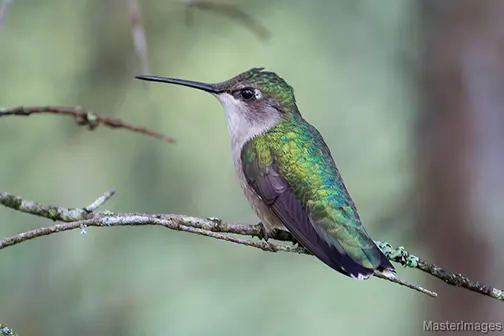
Hummingbirds live exclusively in the Western Hemisphere, ranging from as far north as Alaska to as far south as Tierra del Fuego. While they inhabit diverse environments, the highest concentration of species exists in the tropical regions of South and Central America, particularly within the Andes Mountains and the Amazon Basin.
On this page
Where do hummingbirds live in the wild?
Hummingbirds are found only in the Americas. Their range spans from the southern reaches of Alaska and Canada down through the United States, Mexico, and Central America, ending in the southern tips of Chile and Argentina. They occupy a staggering variety of ecosystems, including high-altitude alpine meadows, humid tropical rainforests, arid deserts, and temperate woodlands.
The greatest biodiversity of these birds is found in the tropics, where the climate allows for year-round flowering plants. In contrast, species that live in North America are often migratory, moving south as temperatures drop and food sources vanish. Regardless of the specific location, hummingbirds require territories that offer a consistent supply of nectar-rich flowers and small insects for protein. They are highly adaptable, provided their environmental needs are met.
How to attract hummingbirds to your garden
Creating a habitat for hummingbirds is a rewarding way to observe these birds up close. To succeed, you must provide a reliable food source, water, and shelter. Planting native flowers is the most effective strategy, as these plants have evolved alongside local hummingbird species. Avoid using pesticides, which can eliminate the insects that hummingbirds rely on for essential nutrients.
- Select native plants with tubular, brightly colored flowers like salvia, penstemon, and bee balm.
- Install a shallow birdbath with a mister or fountain, as hummingbirds prefer moving water.
- Place feeders in shaded areas to prevent the sugar water from fermenting or overheating.
- Provide dense shrubs or trees nearby to offer the birds a place to rest and hide from predators.
Why do hummingbirds migrate?
Migration is primarily driven by the availability of food rather than the cold itself. As autumn approaches, the decline in blooming flowers and insect populations forces many North American species to travel thousands of miles toward warmer climates. For example, the Ruby-throated Hummingbird performs an incredible feat by crossing the Gulf of Mexico in a single, non-stop flight during its journey to Central America.
Not all hummingbirds are migratory. Many species living in tropical regions remain in the same general area throughout the year because their food supply is constant. Even among migratory species, some individuals may stay in warmer coastal regions or near human-provided feeders during the winter. Understanding these patterns helps birdwatchers know when to put out feeders and when to clean them to support the birds' natural cycles.
Common mistakes when feeding hummingbirds
Many well-meaning enthusiasts inadvertently harm hummingbirds by failing to maintain their equipment properly. The most frequent error is using an incorrect ratio of sugar to water or adding harmful ingredients. A standard recipe consists of one part white granulated sugar to four parts water. Never use honey, which can cause fatal fungal infections, or artificial sweeteners, which provide no energy.
- Using red dye: It is unnecessary and potentially toxic to the birds.
- Infrequent cleaning: Feeders must be washed with hot water and vinegar every few days to prevent mold growth.
- Improper placement: Hanging feeders in direct sunlight can cause the nectar to spoil quickly, leading to bacterial buildup.
- Ignoring maintenance: If the sugar water appears cloudy or white flakes are visible, discard it immediately and sanitize the feeder.
How do hummingbirds survive in different climates?
Hummingbirds possess a unique physiological mechanism called torpor to survive cold nights or food shortages. During torpor, a hummingbird’s metabolic rate drops significantly, and its heart rate slows from over 1,000 beats per minute to as few as 50. This state of suspended animation allows the bird to conserve energy that would otherwise be burned to maintain its high body temperature.
In high-altitude environments, such as the Andes, some species have evolved to withstand freezing temperatures by entering torpor every single night. In contrast, desert-dwelling species have adapted to extreme heat by seeking shade and relying on succulent plants for hydration. These biological adaptations, combined with their incredible flight maneuverability, allow hummingbirds to thrive in some of the most challenging and diverse habitats found across the entire Western Hemisphere.
Key facts
- Hummingbirds are native exclusively to the Americas, ranging from Alaska to Tierra del Fuego.
- Most of the world's 360-plus species reside in the tropical regions of South and Central America.
- They inhabit diverse ecosystems, including tropical rainforests, high-altitude Andean cloud forests, and arid deserts.
- To attract hummingbirds, place feeders in shaded areas to prevent nectar fermentation and keep them away from windows.
- Avoid using red dye in nectar; the red color of the feeder itself is sufficient to attract them.
- Clean feeders every two to three days with hot water and vinegar to prevent the growth of harmful mold.
The bottom line
Hummingbirds are resilient, highly specialized birds found exclusively across the Western Hemisphere, from the frozen reaches of Alaska to the southern tips of South America. By providing clean feeders, pesticide-free gardens, and natural nesting materials, you can support these vital pollinators in your own backyard. Understanding their unique migratory and dietary needs is the best way to ensure these remarkable creatures thrive in your local environment.
People also ask
Do hummingbirds migrate?
Many species, such as the Ruby-throated Hummingbird, migrate thousands of miles between North American breeding grounds and tropical wintering sites. Some species living in stable tropical climates remain in the same territory year-round.
How long do hummingbirds live?
While many die within their first year due to predators and harsh weather, those that survive often live three to five years. Some banded individuals have been recorded living for over a decade in the wild.
What do hummingbirds eat besides nectar?
Hummingbirds require protein to supplement their high-energy sugar diet, which they obtain by catching small insects and spiders. They often pluck these prey items directly from spiderwebs or leaves while hovering.
Why do hummingbirds hover?
Their unique wing structure allows them to rotate their wings in a figure-eight pattern, providing lift on both the forward and backward strokes. This specialized flight enables them to remain stationary while feeding from flowers.
How can I tell if a hummingbird is nesting nearby?
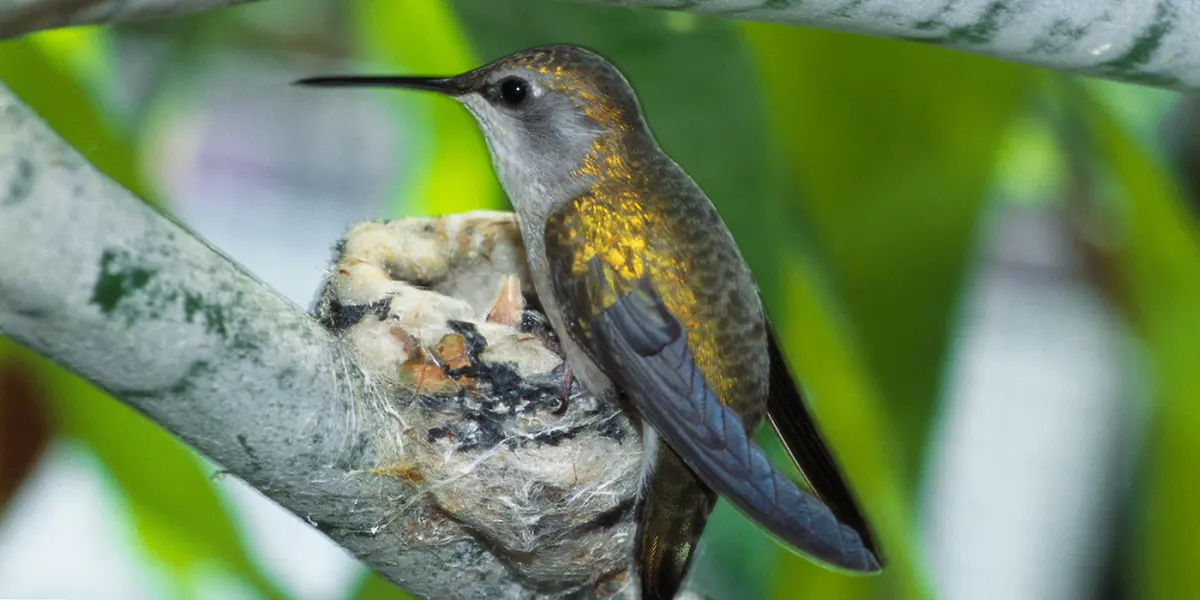
Look for females gathering spider silk, moss, or lichen to construct tiny, cup-shaped nests in tree forks. They are highly secretive during this period and will often dive-bomb intruders to protect their territory.
Do hummingbirds sleep?
They enter a state of deep rest called torpor at night to conserve energy when temperatures drop. During this period, their heart rate and metabolism slow down significantly, making them appear lifeless until they warm up at dawn.
This answer was created with the help of AI research tools and reference sources. Spotted an error? Let us know — we correct mistakes quickly. See our editorial policy.