Where do chipmunks live?
Short answer
Chipmunks primarily inhabit North America, ranging from the boreal forests of Canada to the arid regions of Mexico. They favor environments that provide dense ground cover, such as woodlands, forest edges, and shrubby areas. While most species prefer forested terrain, some thrive in rocky outcrops, mountainous slopes, and suburban residential gardens.
On this page
Where do chipmunks live in the wild?
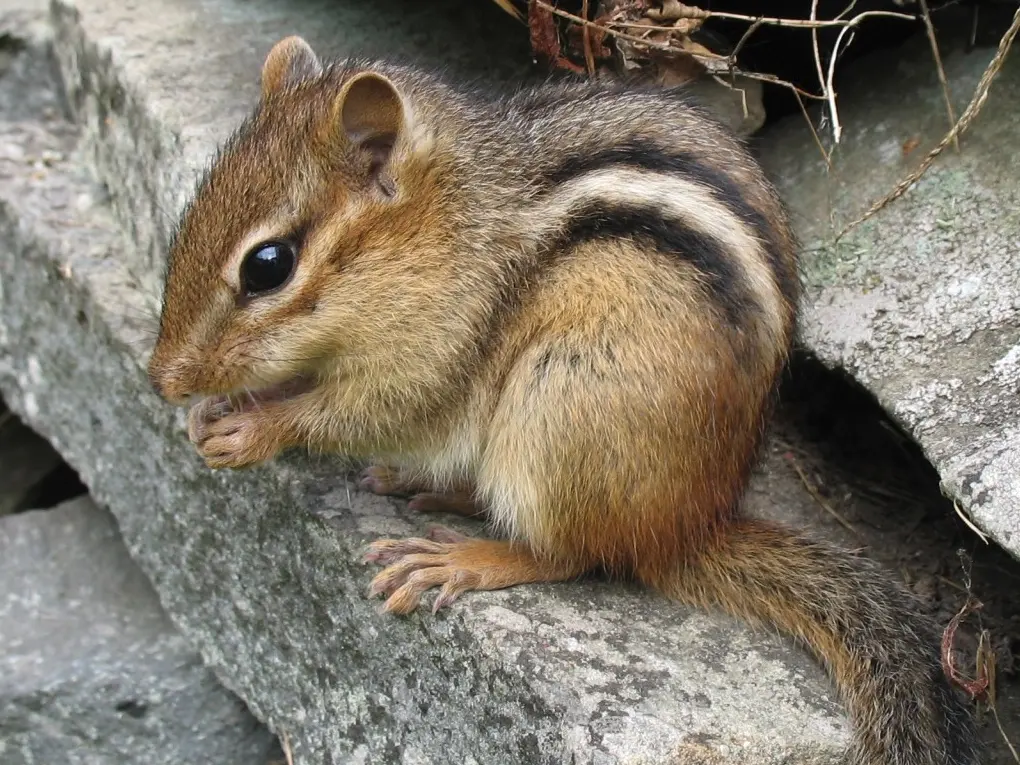
Chipmunks are members of the squirrel family, Sciuridae, and are found almost exclusively across North America. The eastern chipmunk (Tamias striatus) is the most widespread species, occupying deciduous forests throughout the eastern United States and southeastern Canada. These animals are highly adaptable, often selecting habitats that offer a mix of dense undergrowth, fallen logs, and rocky crevices. Such features provide essential protection from predators like hawks, foxes, and snakes while offering easy access to nesting sites.
In the western regions of the continent, chipmunk diversity increases significantly. Species such as the least chipmunk (Neotamias minimus) are found in diverse landscapes, ranging from high-altitude alpine meadows to sagebrush deserts. Regardless of the specific region, their habitat selection is driven by three primary needs:
- Proximity to food sources like seeds, nuts, and berries.
- Availability of structural cover for protection and burrowing.
- Access to well-drained soil for constructing elaborate underground tunnel systems.
How do chipmunks build their homes?
Chipmunks are master excavators, spending the majority of their lives in complex burrow systems. A typical burrow consists of a main entrance hole, often hidden under a rock, log, or bush, and a series of tunnels that can extend up to 30 feet in length. These tunnels are meticulously designed to include separate chambers for sleeping, nesting, and food storage. During the winter, the sleeping chamber is often lined with dried leaves and grasses to provide insulation.
The construction process is a labor-intensive task that involves:
- Clearing an entrance hole, usually about two inches in diameter.
- Digging a primary tunnel that leads to a central nesting chamber.
- Creating secondary "escape" tunnels that allow the chipmunk to flee if a predator enters the main burrow.
- Excavating specialized side pockets to store caches of seeds and nuts for winter consumption.
Why do chipmunks live in suburban gardens?
Many people find chipmunks in their backyards because residential areas often mimic the forest edges these animals naturally prefer. Gardens provide a stable, abundant food supply through bird feeders, flower bulbs, and vegetable patches. Furthermore, human-made structures like stone retaining walls, woodpiles, and shed foundations provide ideal, ready-made cavities for burrowing. These man-made features significantly reduce the energy a chipmunk must spend on excavation.
While their presence can be entertaining, chipmunks in residential areas often cause frustration for homeowners. They are known to dig up freshly planted bulbs and can occasionally undermine the structural integrity of patios or walkways through their tunneling activities. To manage their presence, consider these practices:
- Use hardware cloth or wire mesh buried beneath garden beds to prevent digging.
- Store birdseed in chew-proof metal containers rather than plastic bags.
- Seal gaps in foundations or stone walls to discourage nesting near the home.
Where do chipmunks go in the winter?
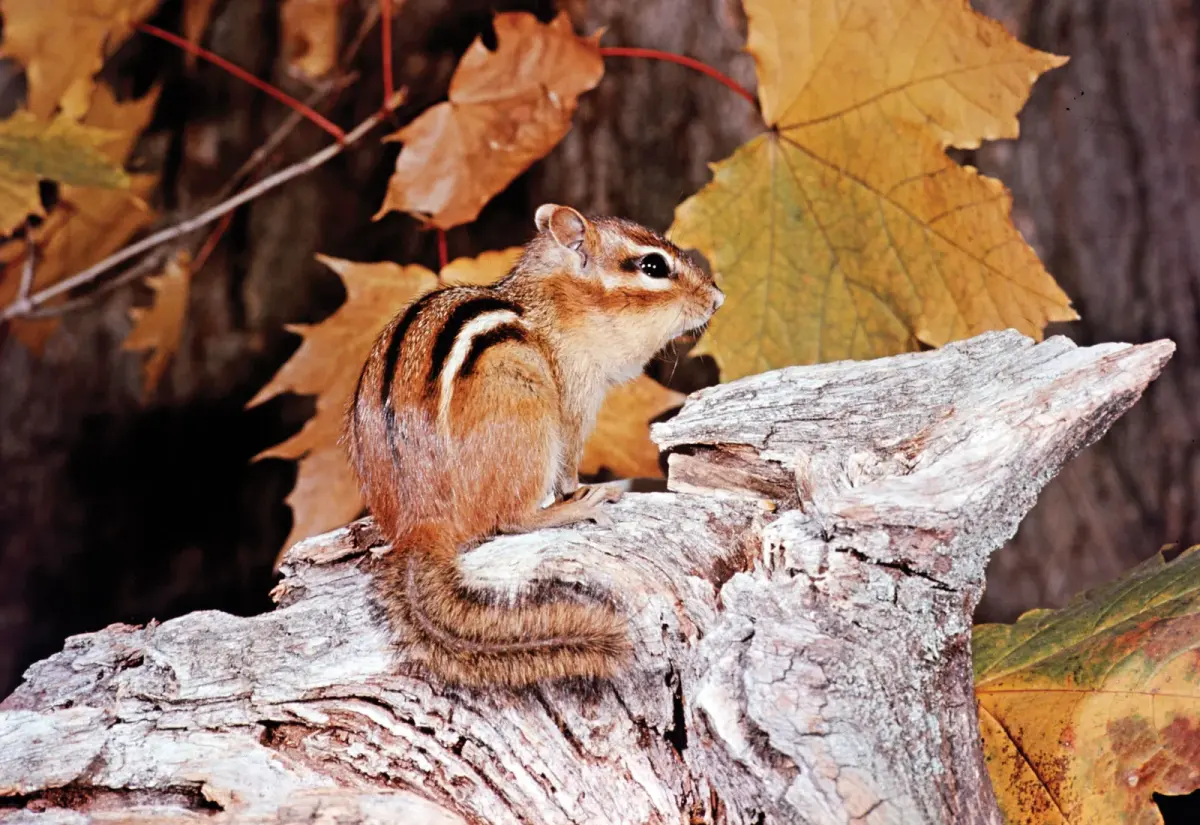
Contrary to popular belief, chipmunks do not enter a state of deep hibernation like bears or groundhogs. Instead, they enter a state of torpor, a period of reduced activity where their body temperature and heart rate drop significantly to conserve energy. During the coldest months, they remain deep within their underground burrows, relying entirely on the caches of food they stored during the autumn. They wake periodically to eat and defecate before returning to their dormant state.
This survival strategy makes them highly dependent on their winter food stores. If a chipmunk fails to gather enough supplies before the first frost, it may not survive until spring. During warmer winter days, you might occasionally spot a chipmunk above ground if the temperature rises enough to trigger a brief period of activity. However, they generally remain underground until the snow melts and the spring thaw begins, signaling the start of their breeding season and the return of available forage.
Common mistakes when trying to attract or deter chipmunks
A frequent mistake people make when observing chipmunks is assuming they are strictly solitary creatures. While they are territorial and often aggressive toward neighbors, they are also highly social within their immediate family units. Another common error is providing excessive supplemental food, which can lead to overpopulation in a small area. This often results in increased competition and higher rates of disease transmission among the local chipmunk population.
When attempting to deter chipmunks, avoid using toxic chemicals or poisons. These substances are often indiscriminate and can harm pets, birds, and beneficial insects that share the same space. Instead, focus on habitat modification:
- Remove brush piles that provide easy cover near your house.
- Use natural repellents like garlic or capsaicin sprays on garden plants.
- Install motion-activated sprinklers to gently discourage them from specific flower beds.
By understanding their natural behaviors, you can coexist with these energetic rodents while protecting your property from damage. Always prioritize humane methods to ensure the local ecosystem remains balanced and healthy for all resident wildlife.
Key facts
- Chipmunks are almost exclusively native to North America, with the exception of the Siberian chipmunk found in parts of Asia.
- They thrive in diverse habitats ranging from dense coniferous forests and shrubby areas to suburban gardens and rocky hillsides.
- These rodents are fossorial, meaning they spend much of their time in complex underground burrow systems that can extend up to 30 feet in length.
- A typical burrow includes a main nesting chamber, several food storage tunnels, and hidden escape exits to evade predators.
- To attract chipmunks to a backyard, provide cover such as brush piles, stone walls, or low-growing shrubs where they can hide.
- Avoid using chemical pesticides or rodenticides in your garden, as these are highly toxic to chipmunks and disrupt the local ecosystem.
The bottom line
Chipmunks are highly adaptable rodents that primarily inhabit North American landscapes, utilizing intricate underground burrows for protection and food storage. Whether living in deep forests or suburban backyards, they rely on diverse vegetation and rocky cover to thrive. By maintaining a natural, chemical-free environment, you can safely support these energetic animals as they perform their essential ecological roles of seed dispersal and soil maintenance.
People also ask
Do chipmunks hibernate during the winter?
Chipmunks do not enter true hibernation, but they do go into a state of torpor during cold months. They wake up periodically to eat from their stored food caches before returning to a dormant state.
How can I tell the difference between a chipmunk and a squirrel?
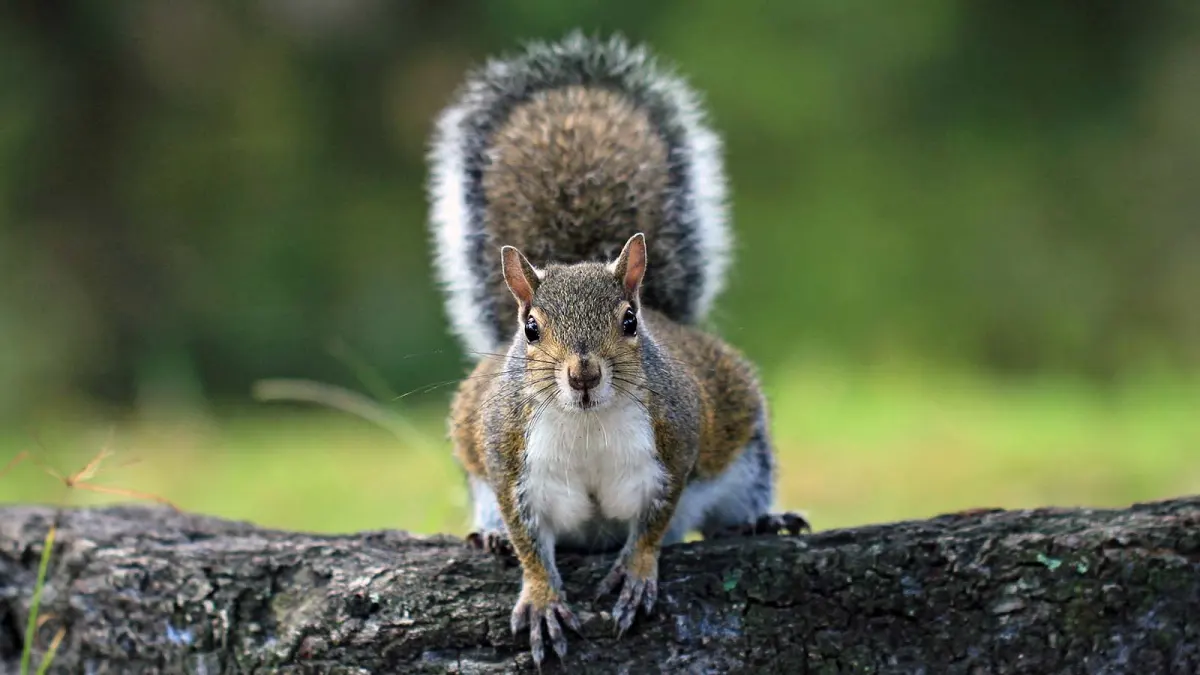
Chipmunks are significantly smaller than most squirrels and possess distinct black and white stripes that run down their faces. Squirrels lack these facial markings and typically have much bushier, larger tails.
What do chipmunks eat in the wild?
Their diet is omnivorous, consisting primarily of seeds, nuts, berries, and grains. They also consume insects, earthworms, bird eggs, and occasionally small amphibians or fungi.
Are chipmunks considered pests in a home garden?
They can become pests if they dig up newly planted bulbs or damage vegetable crops. However, they also play a vital role in the ecosystem by dispersing seeds and aerating the soil through their burrowing activities.
How deep do chipmunk burrows go?
Most burrows are located between 1 and 3 feet below the surface. This depth protects them from extreme temperature fluctuations and provides safety from surface-dwelling predators like foxes or hawks.
Can chipmunks climb trees?
Yes, chipmunks are agile climbers and will frequently ascend trees to forage for acorns or escape danger. While they are primarily ground-dwelling, they are comfortable moving vertically when necessary.
This answer was created with the help of AI research tools and reference sources. Spotted an error? Let us know — we correct mistakes quickly. See our editorial policy.