Who invented the hair dryer?
Short answer
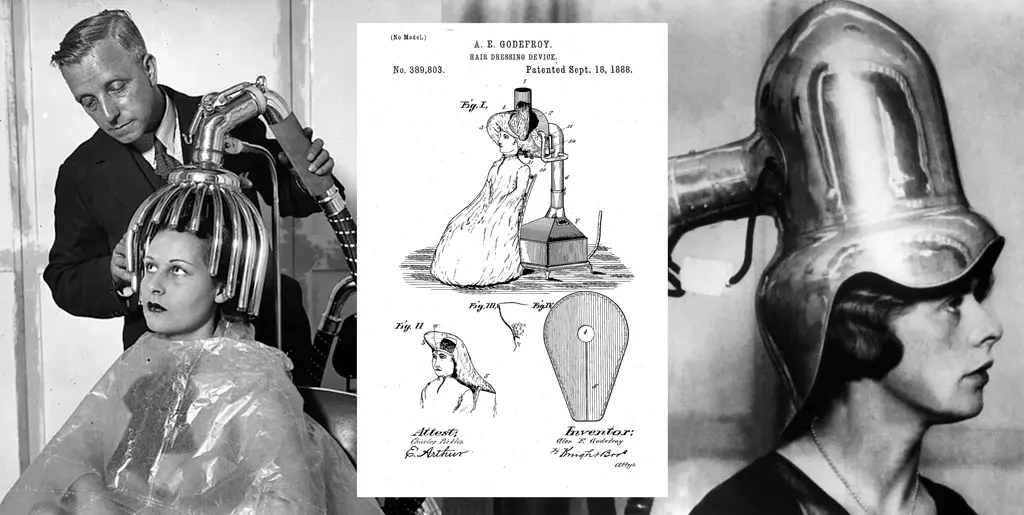
The hair dryer was invented by French stylist Alexandre-Ferdinand Godefroy in 1890. He created the device for use in his salon by attaching a bonnet to the exhaust of a gas stove. While early commercial models were heavy and dangerous, they laid the foundation for the modern handheld appliances used by millions today.
On this page
Who invented the first hair dryer?
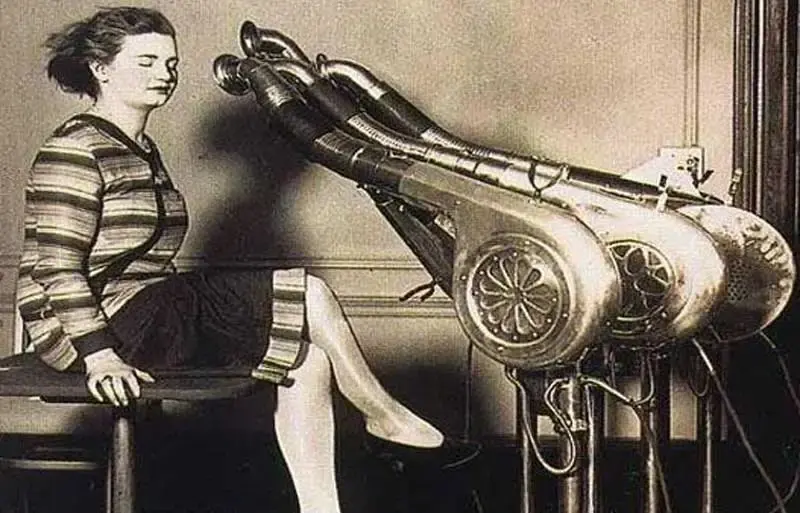
Alexandre-Ferdinand Godefroy is widely credited with inventing the first hair dryer in 1890 at his salon in Saint-Cloud, France. His original invention was a large, stationary machine consisting of a bonnet that connected to a gas stove via a pipe. Clients would sit under the hood while the heated air circulated to dry their hair. It was a revolutionary departure from the manual drying methods of the era, which often involved sitting in the sun or using primitive hand fans.
Following Godefroy’s invention, the technology evolved significantly as electricity became more accessible in homes and businesses. In the early 20th century, companies like Racine Universal Motor Company and Hamilton Beach began producing portable electric hair dryers. These early models were made of heavy steel and often weighed several pounds, making them difficult to hold for extended periods. They also posed significant safety risks, including overheating and the potential for electrical shocks, which limited their widespread adoption until safety standards were improved in the mid-1900s.
How do hair dryers work?
At its core, a hair dryer is a simple electromechanical device that converts electrical energy into heat and kinetic energy. The machine contains two primary components: an electric fan and a heating element. When the dryer is switched on, the fan draws air into the intake vents, typically located at the back of the device. This air is then pushed over a coiled heating element, usually made of nichrome wire, which warms the air as it passes through.
Modern hair dryers utilize advanced materials to improve efficiency and protect hair health. Many high-end models incorporate ceramic, tourmaline, or ionic technologies to distribute heat more evenly and reduce static. These materials help seal the hair cuticle, resulting in a smoother, shinier finish. The process involves:
- Intake: The fan pulls air through a filter to prevent debris from entering the motor.
- Heating: The air flows over the heating element, which reaches high temperatures quickly.
- Exhaust: The pressurized, heated air is forced through a nozzle, allowing the user to direct the airflow precisely.
How to use a hair dryer correctly
Using a hair dryer effectively requires a balance of heat, airflow, and technique to avoid damaging the hair shaft. Before turning on the dryer, it is important to remove excess moisture from the hair using a microfiber towel. Rubbing the hair vigorously can cause breakage, so gently squeezing the strands is the preferred method. Once the hair is damp rather than soaking wet, you can begin the drying process.
To achieve professional results while maintaining hair health, follow these steps:
- Apply a heat protectant spray to shield the hair from thermal damage.
- Section the hair into manageable parts using clips to ensure even drying.
- Keep the dryer at least six inches away from the scalp to prevent burns.
- Use a round brush to pull the hair taut for a smooth, straight finish.
- Finish with a blast of cool air to lock in the style and add shine.
Common mistakes when drying hair
One of the most frequent errors people make is using the highest heat setting for the entire duration of the drying process. While high heat dries hair quickly, it can also strip away natural oils and cause the protein structure of the hair to become brittle. This often leads to split ends, frizz, and a dull appearance over time. It is generally better to start with high heat to remove the bulk of the moisture and switch to a medium or low setting as the hair becomes drier.
Another common mistake is neglecting to clean the air intake filter located at the back of the dryer. Over time, this filter collects dust, lint, and hair, which restricts airflow and forces the motor to work harder. An obstructed intake can cause the device to overheat, potentially leading to internal component failure or even a fire hazard. Regularly checking and clearing this vent ensures the dryer operates at peak efficiency and extends the lifespan of the motor significantly.
Best features for modern hair dryers
When selecting a hair dryer, consider features that accommodate your specific hair type and styling needs. For those with thick or curly hair, a diffuser attachment is essential as it disperses the airflow, preventing frizz and maintaining the natural curl pattern. Conversely, those seeking sleek, straight styles should look for a concentrator nozzle, which narrows the airflow to target specific sections of hair. Variable heat and speed settings are also crucial, as they allow for greater control during the drying process.
Weight and ergonomics play a significant role in the user experience, especially for those with long or thick hair that takes time to dry. Lighter models reduce wrist fatigue, while well-balanced handles improve maneuverability. Additionally, look for dryers with an "ionic" function, which breaks down water molecules faster to reduce drying time. By choosing a model with these features and maintaining it properly, you can achieve salon-quality results while minimizing the risk of heat-related damage to your hair.
Key facts
- French stylist Alexandre-Ferdinand Godefroy invented the first hair dryer in 1890 for his salon in France.
- Early professional hair dryers were massive, hood-style machines that used gas or electric heating elements.
- The first handheld hair dryer models appeared on the market around 1920 but were heavy, prone to overheating, and weak.
- Modern hair dryers use a fan to blow air across a heating coil, usually made of nichrome wire, to warm the airflow.
- To prevent heat damage, always keep the dryer at least six inches away from your hair while moving it constantly.
- Avoid using the highest heat setting for extended periods, as this can strip moisture and cause brittle, broken strands.
The bottom line
While Alexandre-Ferdinand Godefroy pioneered the hair dryer in 1890, the device has evolved from a cumbersome salon machine into a sophisticated household tool. Today’s technology emphasizes safety, speed, and hair health through adjustable heat and ionic features. By maintaining your dryer’s intake filter and using proper heat-distributing techniques, you can achieve professional styling results while protecting your hair from unnecessary thermal damage and breakage.
People also ask
Why do some hair dryers have an "ionic" setting?
Ionic dryers emit negatively charged ions that break down water droplets on your hair, allowing them to evaporate faster. This process helps seal the hair cuticle, resulting in a smoother, frizz-free finish.
What is the purpose of the "cool shot" button?
The cool shot button stops the heating element and blows room-temperature air onto your hair. Using this at the end of your styling session helps set the shape and adds extra shine.
Can I use a hair dryer to remove stickers or labels?
Yes, the heat from a hair dryer can soften the adhesive on stickers, making them easier to peel off surfaces. Use a medium heat setting and move the dryer back and forth to avoid melting plastic materials.
Why does my hair dryer sometimes smell like burning?
A burning smell is often caused by dust or lint buildup trapped inside the rear air intake vent. Regularly cleaning the filter with a soft brush or cloth prevents debris from igniting near the heating element.
Is it safe to use a hair dryer near water?
No, using a hair dryer near water poses a severe risk of electric shock. Modern dryers include Ground Fault Circuit Interrupter (GFCI) plugs to automatically cut power if they detect a short circuit.
How many watts should a good hair dryer have?
For most hair types, a dryer between 1,800 and 2,000 watts provides enough power for efficient drying without excessive heat. Higher wattage generally means faster airflow, which reduces the time your hair is exposed to heat.
This answer was created with the help of AI research tools and reference sources. Spotted an error? Let us know — we correct mistakes quickly. See our editorial policy.