What is the Orpheum Theatre?
Short answer
The Orpheum Theatre is a historic performing arts venue brand, most famously associated with the Orpheum circuit of vaudeville houses established in the late 19th century. Today, several cities across North America, including Los Angeles, Memphis, and Vancouver, feature grand, ornate theaters bearing the Orpheum name, serving as hubs for live entertainment.
On this page
What is the history of the Orpheum Theatre?
The Orpheum circuit originated in 1886 when entrepreneur Gustav Walter opened the first Orpheum Theatre in San Francisco. By the early 20th century, under the leadership of Martin Beck, the circuit became the premier vaudeville chain in the United States, known for its high-quality programming and opulent architecture. These theaters were designed to be "palaces" for the public, featuring elaborate decor, plush seating, and state-of-the-art stage technology that set a new standard for American showmanship.
Following the decline of vaudeville in the 1930s, many Orpheum venues transitioned into movie palaces or fell into disrepair. However, a significant preservation movement in the late 20th century saved dozens of these structures from demolition. Today, they are recognized as architectural landmarks, often listed on the National Register of Historic Places. They continue to function as vital cultural institutions, hosting Broadway tours, concerts, and film festivals while maintaining their original aesthetic grandeur.
How do you visit an Orpheum Theatre?
Visiting an Orpheum Theatre requires advance planning, as these venues typically operate on a schedule tied to touring productions rather than daily open hours. Most theaters offer online ticketing platforms where you can view upcoming events, seating charts, and pricing tiers. Because these are historic buildings, seating configurations can vary significantly, with some older venues featuring steeper balconies or pillars that may obstruct views.
- Check the official website of the specific Orpheum location you wish to visit.
- Review the event calendar to select a performance that fits your schedule.
- Purchase tickets directly through the venue’s authorized portal to avoid excessive third-party service fees.
- Arrive at least 45 minutes before curtain time to navigate security and locate your seat.
- Familiarize yourself with the venue's specific bag policy, as many historic theaters have strict limitations on size and type.
What should you expect at an Orpheum performance?
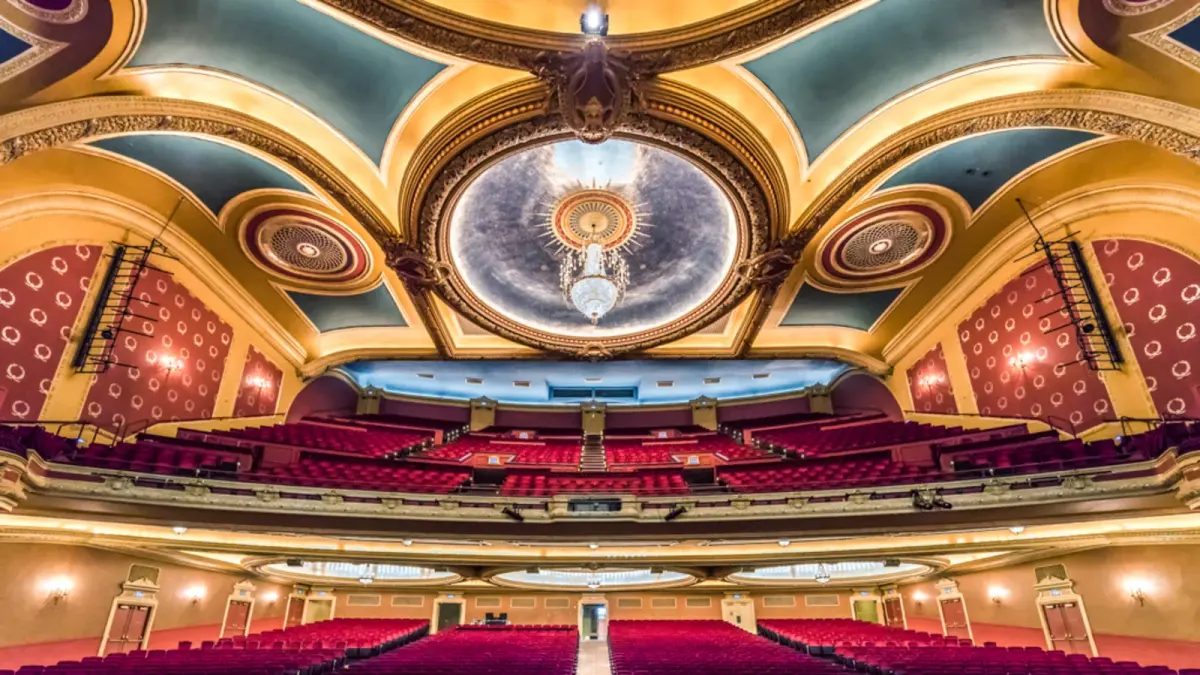
Attending a show at an Orpheum Theatre provides a unique blend of modern entertainment and classic atmosphere. You will likely notice the intricate plasterwork, ornate chandeliers, and velvet upholstery that characterize the Beaux-Arts or atmospheric styles of the period. While the interiors are historic, most have been modernized with updated sound systems, climate control, and accessible seating options to accommodate contemporary audiences.
- Expect limited legroom in older rows, as seating was designed for smaller dimensions in the early 1900s.
- Be prepared for steep staircases in balcony sections, as these theaters were built before modern elevator requirements.
- Anticipate a vibrant lobby experience, often featuring historical displays or original architectural artifacts.
- Note that concessions are usually available, though prices reflect standard theater industry markups.
- Dress codes are generally casual, though evening performances may encourage slightly more formal attire depending on the event type.
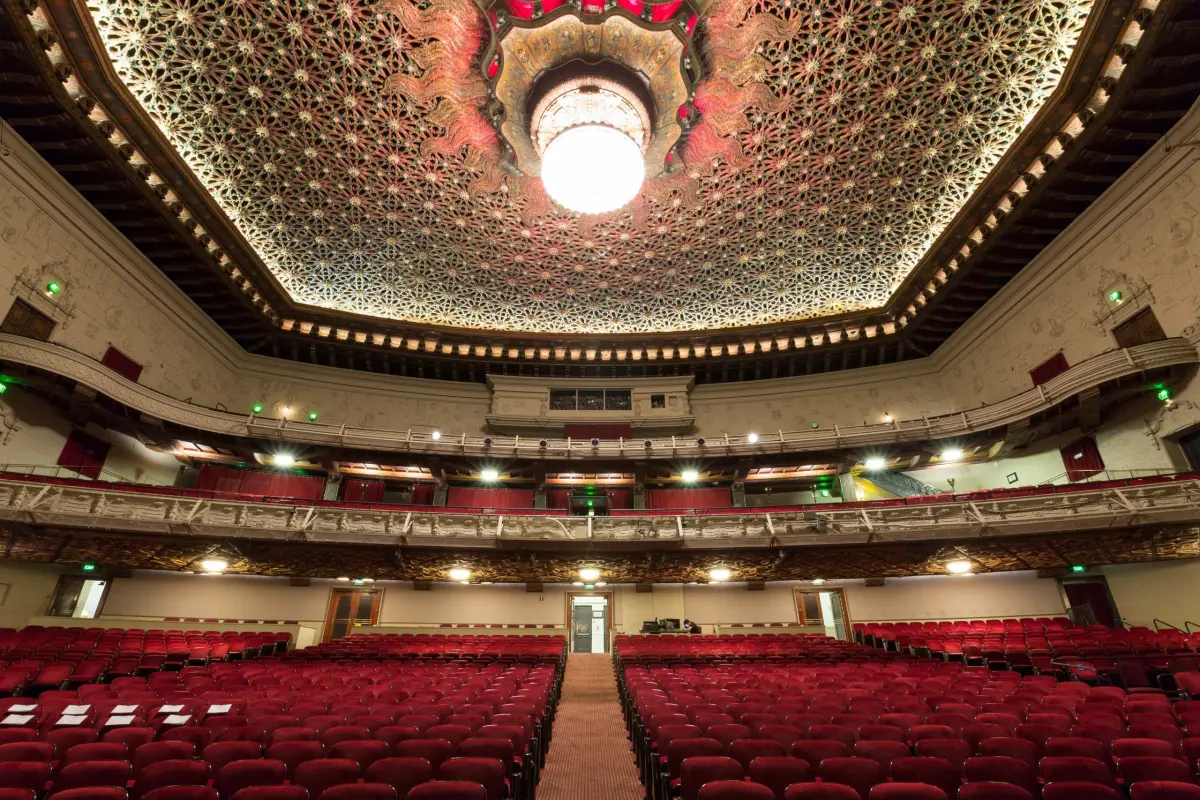
Why are these theaters significant to local culture?
The Orpheum Theatre in any given city serves as a primary anchor for downtown revitalization efforts. By hosting large-scale touring productions, these venues draw thousands of visitors into urban centers, supporting local restaurants, hotels, and small businesses. Their presence preserves a tangible link to the golden age of American entertainment, providing a physical space where community members gather for shared cultural experiences.
Beyond economic impact, these theaters serve as centers for arts education and outreach. Many host youth theater programs, matinee performances for local schools, and community talent showcases that would be impossible in smaller, modern spaces. By maintaining these grand halls, cities ensure that the performing arts remain accessible to the public, fostering a sense of civic pride and historical continuity that defines the unique character of the neighborhood.
Common mistakes when visiting historic theaters
One of the most frequent errors visitors make is failing to account for the physical limitations of historic architecture. Because these buildings were constructed decades before the Americans with Disabilities Act, navigating them can be challenging for those with mobility issues. Always contact the box office in advance if you require accessible seating or assistance, as these spots are often limited and sell out quickly.
- Assuming all seats offer a perfect view, when some may have sightline issues due to structural columns.
- Arriving at the last minute, which makes it difficult to navigate the often-labyrinthine layouts of older buildings.
- Ignoring the dress code suggestions for special events like galas or opening nights, which can make you feel underdressed.
- Forgetting to check the venue's specific prohibited items list, which may include professional cameras or specific types of bags.
- Expecting modern amenities like expansive restrooms on every level, as the plumbing and layout are often constrained by the original structure.
Key facts
- The name "Orpheum Theatre" refers to a historic circuit of vaudeville houses established by Martin Beck and Alexander Pantages in the late 19th century.
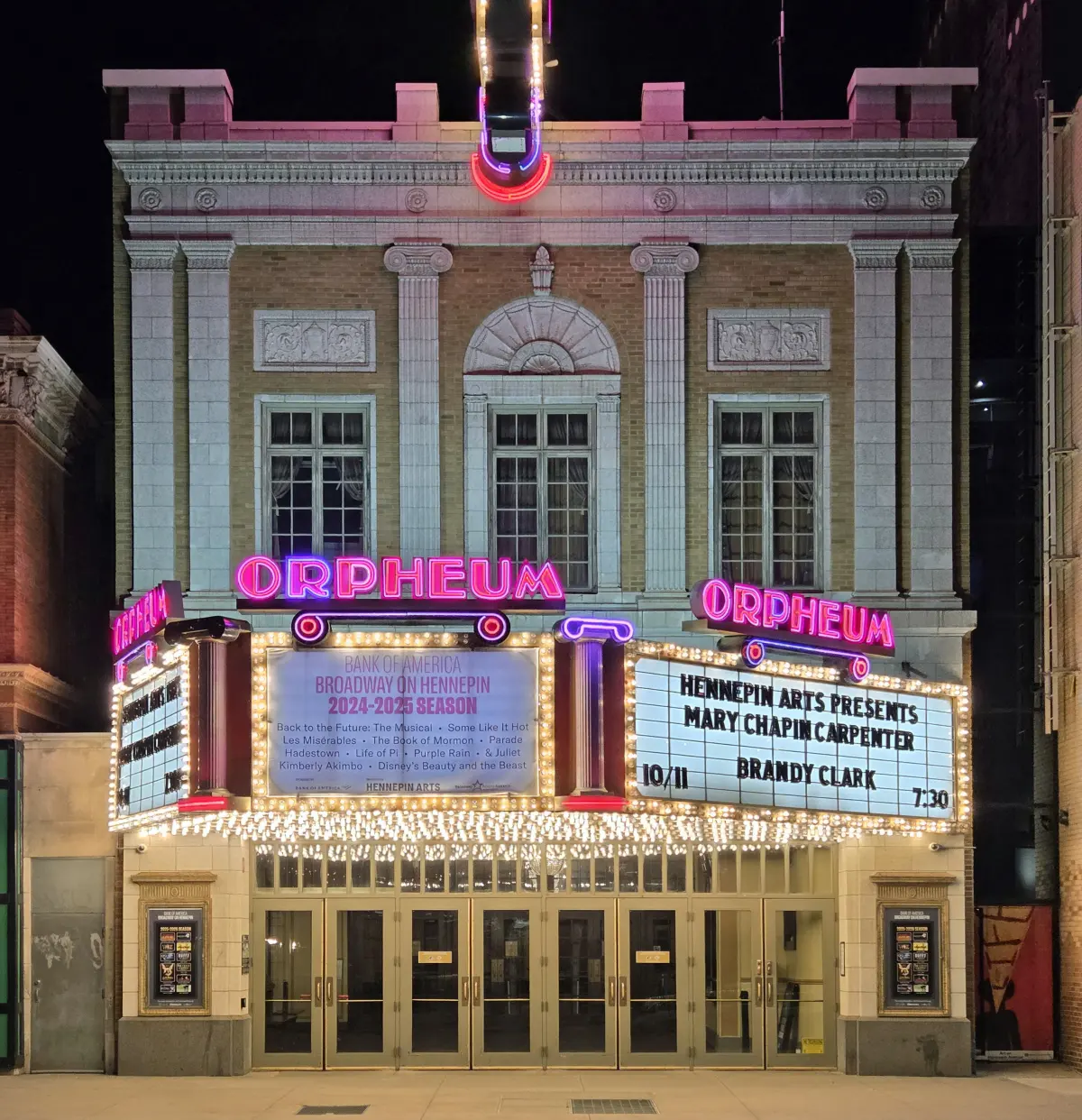
- Because the brand was franchised, there are dozens of Orpheum Theatres across North America, with prominent examples in Los Angeles, Memphis, Vancouver, and Minneapolis.
- Many Orpheum venues are designated as National Historic Landmarks due to their ornate Beaux-Arts or atmospheric architectural styles.
- When visiting an Orpheum, check the specific city's website, as each venue operates independently under different management and ticketing systems.
- Common mistake: Do not assume tickets for a show at one Orpheum are valid at another; always verify the city and state before purchasing.
- Practical tip: Arrive at least 30 minutes early to enjoy the historic lobbies and architecture, which are often as significant as the performances themselves.
The bottom line
The Orpheum Theatre is not a single entity but a prestigious name shared by numerous historic performance venues across North America. Originally part of a vast vaudeville circuit, these theaters now serve as vital cultural hubs for Broadway tours, concerts, and local arts. Whether you are attending a show or exploring their grand architecture, always verify the specific city’s venue details to ensure a seamless experience.
People also ask
Are all Orpheum Theatres owned by the same company?
No, the original Orpheum Circuit dissolved in the 1920s. Today, most Orpheum venues are owned by local municipalities, non-profit foundations, or independent private operators.
Can I take photos inside these historic theaters?
Policies vary by venue and specific event. Always check the theater’s official website or signage upon entry, as professional cameras are typically prohibited without prior media credentials.
Are these theaters accessible for people with disabilities?
Most historic Orpheum theaters have undergone renovations to comply with modern accessibility standards, such as the Americans with Disabilities Act. It is best to call the box office in advance to confirm seating options and elevator access.
Do these venues have a dress code?
There is generally no formal dress code, though many patrons choose "smart casual" attire for evening performances. Check your specific event details, as galas or opening nights may suggest more formal wear.
Is there parking available at Orpheum venues?
Most Orpheum theaters are located in dense urban downtown districts. They rarely have private parking lots, so you should research nearby public garages or utilize public transit before you arrive.
Can I book a tour of an Orpheum Theatre?
Many Orpheum venues offer guided tours that highlight their architectural history and local legends. Check the theater’s "About" or "Events" page to see if they host public tours or historical open houses.
This answer was created with the help of AI research tools and reference sources. Spotted an error? Let us know — we correct mistakes quickly. See our editorial policy.