What is costume design?
Short answer
Costume design is the creative process of planning and creating the clothing worn by performers in film, television, or theater. Designers interpret scripts to establish character identity, historical accuracy, and visual atmosphere. By selecting fabrics, colors, and silhouettes, they translate a narrative's emotional themes into tangible garments that support the storytelling.
On this page
What does a costume designer do?
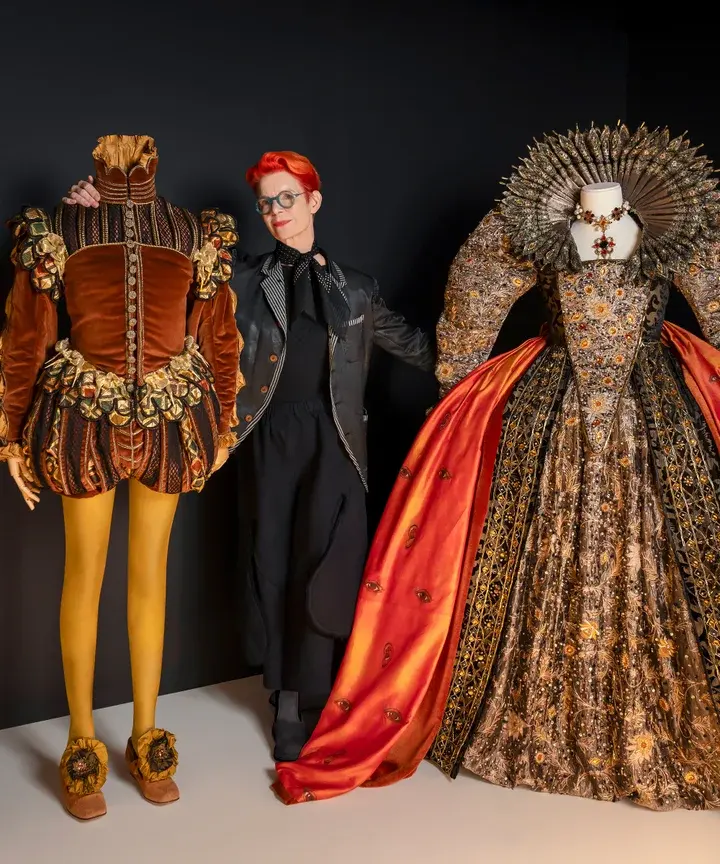
A costume designer acts as a visual storyteller who translates a script’s narrative into physical garments. Their primary responsibility is to define the personality, social status, and evolution of characters through clothing. They must balance the director’s artistic vision with the practical needs of the performers, ensuring that every piece supports the movement and comfort required for a specific performance.
The process begins with a deep analysis of the script to identify the time period, setting, and character arcs. Designers research historical references, cultural trends, and color theory to build a cohesive visual palette. They then create sketches or mood boards to communicate these ideas to the production team. Throughout the project, they oversee the construction, sourcing, and fitting of every garment to ensure the final look aligns with the overall production design.
- Analyze the script for character motivations and historical context.
- Develop sketches and source fabric swatches for the director's approval.
- Manage the budget for purchasing, renting, or building custom garments.
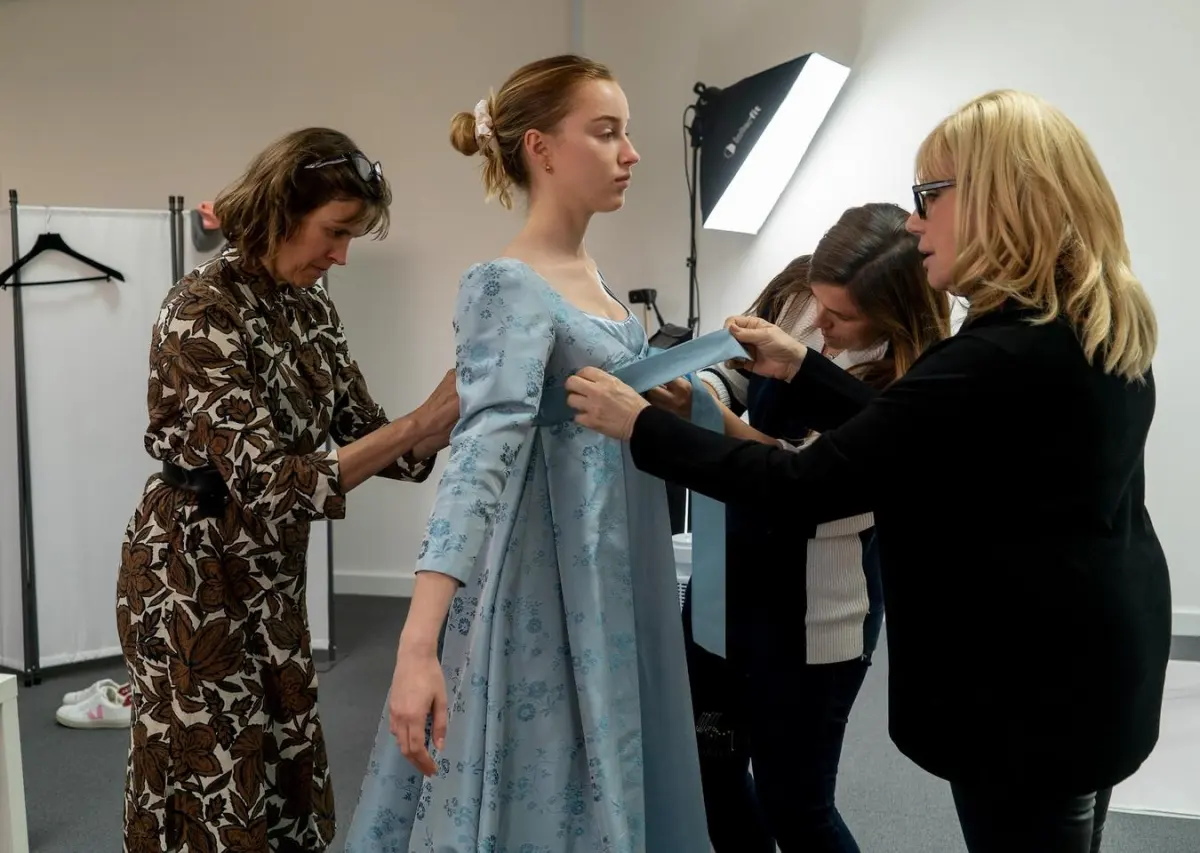
- Conduct fittings with actors to ensure mobility and proper silhouette.
- Coordinate with hair and makeup departments for a unified aesthetic.
How to start a career in costume design?
Building a career in this field requires a blend of artistic talent, technical sewing skills, and a strong professional network. Most designers begin by earning a degree in theater, fashion design, or fine arts, where they learn the fundamentals of pattern drafting, garment construction, and costume history. Internships and entry-level positions in local theater companies or low-budget film productions are essential for gaining hands-on experience and building a portfolio.
Networking is equally vital, as many opportunities arise through word-of-mouth recommendations within the industry. Aspiring designers should focus on building a versatile portfolio that showcases their ability to handle different genres, from period dramas to contemporary pieces. Participating in fringe festivals or student film projects allows beginners to experiment with limited resources while developing a professional reputation. Persistence and the ability to adapt to changing production requirements are key traits for long-term success.
- Enroll in a costume design or fashion program at an accredited university.
- Volunteer at local community theaters to gain practical experience.
- Learn basic sewing, tailoring, and fabric manipulation techniques.
- Build a digital portfolio featuring sketches, fabric samples, and final photos.
- Seek mentorship from established designers to learn industry workflows.
Why color and fabric matter in costume design
Color and fabric choices are the most powerful tools a designer has to influence the audience's perception of a character. Colors can subconsciously signal a character’s emotional state, their allegiance to a group, or their transition through a story. For example, a designer might use muted tones for a character in a state of grief and transition to vibrant, saturated colors as that character gains confidence or power.
Fabric selection dictates how a garment moves and how it interacts with stage or film lighting. A heavy wool might suggest rigidity and authority, while a lightweight silk implies fragility or grace. Designers must also consider the technical requirements of the medium; for instance, certain fabrics may reflect too much light on camera or become too heavy for a dancer to move in effectively. Choosing the right material ensures that the costume not only looks correct in a still image but also functions perfectly during the performance.
Common mistakes when designing costumes
One frequent error is failing to account for the physical requirements of the performer. A costume may look stunning on a mannequin, but if it restricts an actor’s ability to breathe, sit, or perform complex choreography, it fails its primary purpose. Designers often prioritize the visual aesthetic over functionality, leading to garments that are uncomfortable or prone to tearing during high-intensity scenes.
Another common mistake is neglecting the importance of continuity, especially in film and television. If a character’s costume changes slightly between shots without a narrative reason, it can break the audience's immersion. Designers must maintain rigorous records of every accessory, layer, and modification for each scene to ensure consistency. Additionally, ignoring the lighting conditions of the set can result in colors appearing washed out or distorted, which can undermine the intended mood of the scene.
How long does it take to design a costume?
The timeline for costume design varies significantly based on the scale of the production. A small theatrical play might require only a few weeks of preparation, whereas a major feature film with hundreds of extras can take six months to a year. The process involves extensive research, sourcing vintage pieces, and custom-building garments from scratch, which is a labor-intensive endeavor that requires careful scheduling to meet strict production deadlines.
During the pre-production phase, the designer spends several weeks in meetings and research. Once the designs are finalized, the construction phase begins, which can take anywhere from a few days for simple outfits to several weeks for intricate, period-accurate gowns. Fittings are scheduled throughout this period to ensure the garments fit perfectly as the actors prepare for rehearsals. The final days before opening night or the start of filming are usually the most intense, involving final adjustments, distressing garments to look worn, and organizing the wardrobe for daily use.
Key facts
- Costume design is the process of creating outfits for characters in film, television, and theater to establish their personality and social status.
- Edith Head remains the most decorated costume designer in history, winning eight Academy Awards throughout her prolific career.
- Designers must balance historical accuracy with the practical requirements of movement, such as allowing actors to fight or dance comfortably.
- A "costume bible" is a vital organizational tool used to track every item worn by each character throughout a production.
- Color palettes are strategically chosen to influence the audience's emotional perception of a character or to highlight their evolution.
- Common mistakes include ignoring fabric weight, which can cause garments to look unnatural under harsh stage lights or high-definition cameras.
The bottom line
Costume design is an essential narrative tool that transforms an actor into a character through visual storytelling. By carefully selecting fabrics, colors, and silhouettes, designers communicate a character’s background, status, and emotional state to the audience. Whether creating period pieces or futuristic attire, the designer balances artistic vision with physical practicality, ensuring that every garment supports the performance while maintaining the production's overall aesthetic integrity.
People also ask
How does a costume designer differ from a fashion designer?
A fashion designer creates clothing for individual expression or retail markets, focusing on trends and personal style. In contrast, a costume designer focuses on storytelling, ensuring garments serve the narrative and reflect the specific time, place, and psychology of a fictional character.
What is the difference between a costume designer and a wardrobe supervisor?
The designer is responsible for the creative vision and initial sketches of the garments. The wardrobe supervisor manages the maintenance, cleaning, and repairs of those costumes once production begins to ensure they remain in perfect condition.
Do costume designers always sew the clothes themselves?
While many designers have sewing skills, they often lead a team of professionals. This team typically includes cutters, drapers, and stitchers who execute the technical construction of the garments based on the designer's vision.
Why are costumes sometimes intentionally distressed or aged?
Designers use techniques like sanding, washing, or painting to make new clothes look worn. This process, known as "breaking down," adds realism by suggesting the character has lived in the clothing for a long period.
How do designers handle quick changes during a live performance?
Designers use clever construction techniques like hidden magnets, Velcro, or snap-closures to facilitate rapid costume changes. These modifications allow actors to switch outfits in seconds without damaging the integrity of the design.
What is the role of research in costume design?
Research is the foundation of the process, involving the study of historical archives, paintings, and photographs. Designers gather these references to ensure the clothing accurately reflects the specific era or cultural context of the script.
This answer was created with the help of AI research tools and reference sources. Spotted an error? Let us know — we correct mistakes quickly. See our editorial policy.