How do you draw fantasy characters?
Short answer
Drawing fantasy characters involves combining anatomical foundations with imaginative design elements. Start by sketching basic human proportions to ensure structural integrity, then layer on fantastical features like wings, armor, or mythical attire. Consistent practice with gesture drawing and referencing historical costumes helps ground your otherworldly creations in a believable, cohesive visual reality.
On this page
How to start drawing fantasy characters
Begin by establishing a solid foundation in human anatomy before adding supernatural elements. Even a creature with four arms or dragon scales must adhere to the fundamental principles of weight, balance, and skeletal structure to appear authentic. Use a simple wireframe or "mannequin" approach to map out the character's pose, ensuring the spine and limbs are positioned logically before adding any clothing or accessories.
Once the base pose is set, focus on the silhouette. A strong fantasy character should be instantly recognizable by its outline alone, whether it is a bulky armored knight or a slender, lithe elf. Consider these foundational steps to begin your draft:
- Sketch a light gesture line to capture the character's movement and energy.
- Build the basic volumes of the torso, pelvis, and head using simple geometric shapes.
- Connect these shapes with joints to establish the limbs and confirm the center of gravity.
- Refine the proportions to match your intended character type, such as heroic, frail, or monstrous.
Best tools for fantasy character design
Choosing the right medium depends on whether you prefer traditional tactile feedback or the versatility of digital software. For traditional artists, graphite pencils ranging from 2H for light sketching to 4B for shading are essential. High-quality smooth Bristol board provides a clean surface for fine details, while kneaded erasers allow for subtle lifting of graphite to create highlights or correct minor anatomical errors.
Digital artists often utilize tablets paired with industry-standard software like Adobe Photoshop, Clip Studio Paint, or Procreate. These tools offer layers, which are vital for separating your sketch, line art, and color stages. Regardless of the medium, keep a collection of visual references nearby. Useful resources for fantasy artists include:
- Books on historical armor and weaponry to add realism to knightly designs.
- Nature photography of birds, reptiles, and insects to inspire creature features.
- Fashion history archives for designing unique, period-inspired fantasy robes or garments.
- Anatomy textbooks that highlight muscle groups and skeletal structures.
How to add fantasy elements to characters
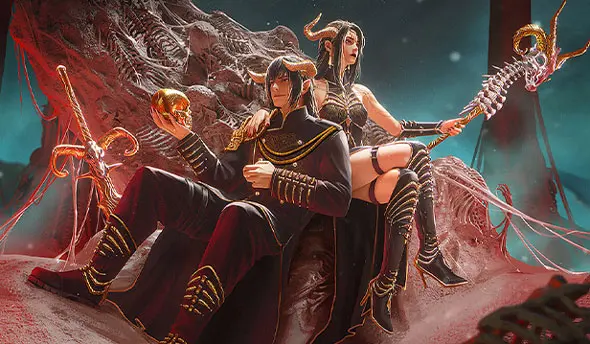
The key to successful fantasy design is blending the familiar with the extraordinary. To make a character feel truly "fantasy," integrate non-human traits while maintaining human-like expressions and proportions. For example, when adding wings to a humanoid, consider how they attach to the back and how they would affect the character's clothing or armor. Avoid simply "pasting" features onto a body; instead, design the character as if these traits evolved naturally.
Texture is another powerful tool for defining fantasy species. Scales, fur, chitinous plating, or glowing skin should have distinct visual characteristics. Consider how light interacts with these surfaces: metallic armor reflects sharp highlights, while fur absorbs light, creating soft edges. Use these techniques to enhance your character:
- Use varied line weights to distinguish between different materials, such as thick lines for heavy armor and thin lines for delicate fabrics.
- Apply cross-hatching or stippling to suggest the texture of skin or scales.
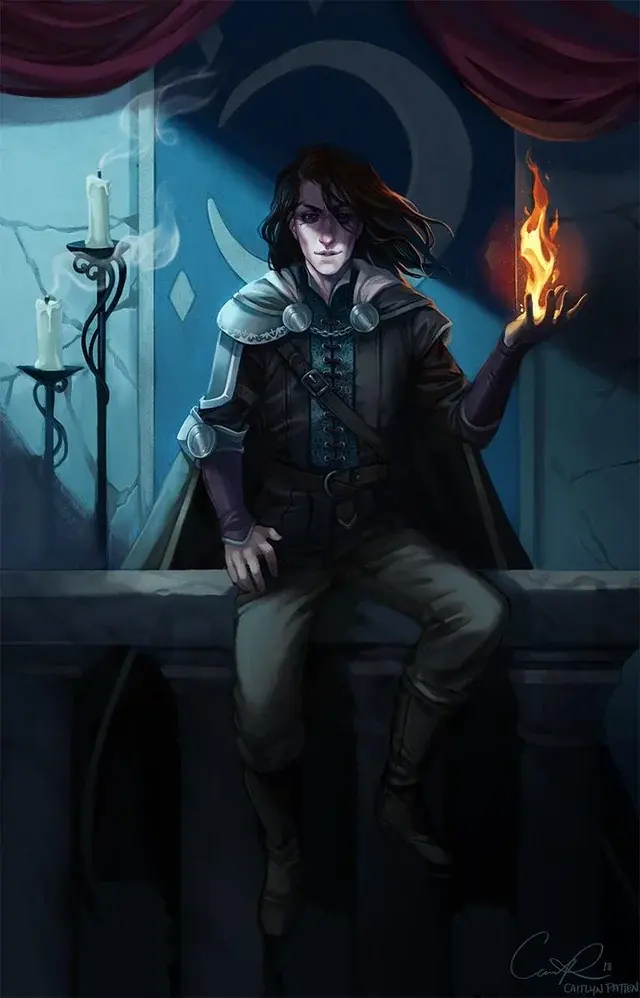
- Incorporate magical accessories, like glowing runes or floating objects, to provide immediate visual cues about the character's role or power level.
Common mistakes when drawing fantasy characters
A frequent error is neglecting the "line of action," which results in stiff, lifeless poses. If a character looks like a statue, check if the spine is curved or if the weight is distributed unevenly across the feet. Another common pitfall is over-designing; adding too many spikes, belts, and glowing gems can clutter the image and distract the viewer from the character's personality. Focus on a primary focal point, such as the face or a signature weapon.
Anatomical inconsistency is also a major hurdle for beginners. Even if a character has elf ears or giant tusks, the underlying skull structure must remain consistent with the character's species. Avoid these common mistakes to keep your work professional:
- Ignoring perspective, which makes the character look flat or disconnected from the ground.
- Using flat, muddy colors that lack contrast and depth.
- Forgetting to account for the weight of heavy gear, which should cause the character to lean or shift their stance.
- Neglecting the eyes, which are the primary vehicle for conveying the character's internal emotional state.
How long does it take to get better
Improving your character design skills is a gradual process that requires consistent, deliberate practice rather than sporadic bursts of effort. Most artists see significant progress after six months of daily sketching, provided they focus on specific areas like hands, facial expressions, or fabric folds. Remember that every master artist started with basic, often awkward sketches; the difference lies in the volume of work produced and the willingness to analyze and correct mistakes.
To accelerate your growth, set small, achievable goals for each drawing session. Instead of trying to create a masterpiece every time, focus on a single aspect, such as drawing a character in a dynamic jumping pose or practicing the rendering of leather armor. Keep a sketchbook to track your progress over months or years. By comparing your current work to drawings from six months ago, you will gain the necessary confidence to continue refining your unique fantasy style and developing your personal artistic voice.
Key facts
- Start with a basic skeleton of simple geometric shapes like circles and cylinders to establish proper proportions.
- Research real-world anatomy, such as animal musculature or skeletal structures, to make non-human features look believable.
- Use a consistent light source to determine where shadows and highlights fall, which adds depth and volume to the character.
- Design silhouettes that are instantly recognizable by varying the character's posture, clothing, and unique accessories.
- Incorporate "visual storytelling" by adding details like scars, worn armor, or specific emblems that hint at the character's history.
- Practice drawing different facial expressions to ensure your character's personality is conveyed through their eyes, mouth, and brow.
The bottom line
Drawing compelling fantasy characters requires a balance between imaginative flair and structural discipline. By mastering fundamental anatomy, utilizing distinct silhouettes, and applying consistent lighting, you can create figures that feel grounded and alive. Focus on storytelling through visual details to give your characters depth. With consistent practice and careful observation of the world around you, your ability to render unique, believable fantasy concepts will grow significantly.
People also ask
How do I make my fantasy characters look unique?
Focus on combining contrasting elements, such as mixing heavy plate armor with delicate, flowing fabrics. Avoid generic tropes by giving your character a specific occupation or cultural background that influences their gear and appearance.
What is the best way to design a creature that does not exist?
Use "biological grounding" by combining features from existing animals, such as the wings of a bat with the body of a leopard. Ensure the creature’s limbs and joints follow logical movement patterns so it appears functional rather than random.
Should I draw on paper or use digital tools?
Both methods are effective, but digital tools offer the advantage of layers, which allow you to experiment with colors and shapes without ruining your base sketch. Paper is excellent for developing raw hand-eye coordination and sketching ideas quickly.
How do I choose a color palette for a fantasy character?
Use the 60-30-10 rule: 60% of the design should be a dominant neutral color, 30% a secondary color, and 10% a vibrant accent color. This prevents the character from looking cluttered or visually overwhelming.
Why do my drawings look flat?
Flatness usually occurs when there is a lack of contrast between light and shadow. Use a full range of values, from pure white to deep black, to create a sense of three-dimensional space on a two-dimensional surface.
How can I improve my character's pose?
Use a "line of action," which is a single curved line that defines the direction and energy of the character's movement. Avoid stiff, vertical poses by shifting the weight of the character onto one leg to create a more natural, dynamic stance.
This answer was created with the help of AI research tools and reference sources. Spotted an error? Let us know — we correct mistakes quickly. See our editorial policy.