What is stage design?
Short answer
Stage design is the creative process of conceptualizing and building the physical environment for a theatrical performance. It integrates architecture, lighting, costume, and spatial arrangement to establish the mood, time, and location of a production. Designers collaborate with directors to translate narrative themes into a cohesive, functional, and immersive visual experience.
On this page
What does a stage designer do?
A stage designer, often called a scenic designer, is responsible for the visual world of a play, musical, or dance performance. Their primary objective is to support the director’s vision while ensuring the set remains functional for actors and technical crews. This role requires a deep understanding of art history, structural engineering, and the practical limitations of a specific theater space.
The process begins with a script analysis to determine the logistical requirements of the story. A designer must account for scene changes, actor entrances, and the specific sightlines of the audience. They produce sketches, scale models, and technical drawings that serve as blueprints for carpenters and painters. By balancing aesthetics with utility, they create a space that enhances the audience's emotional connection to the performance.
How to design a stage set for beginners
Designing a set starts with careful planning and research. Before picking up a hammer, you must understand the narrative arc and the physical constraints of your venue. Start by creating a ground plan, which is a bird's-eye view of the stage, to map out where furniture and walls will be placed.
Follow these steps to develop your initial concept:
- Read the script multiple times to identify every location mentioned and the specific actions required by the actors.
- Create a "mood board" using photos, fabric swatches, and color palettes to establish the visual tone of the show.
- Build a 1/4-inch or 1/2-inch scale model to visualize how the set occupies the space and how actors will move through it.
- Draft a final set of technical drawings that include dimensions for every platform, flat, and prop.
What are the elements of stage design?
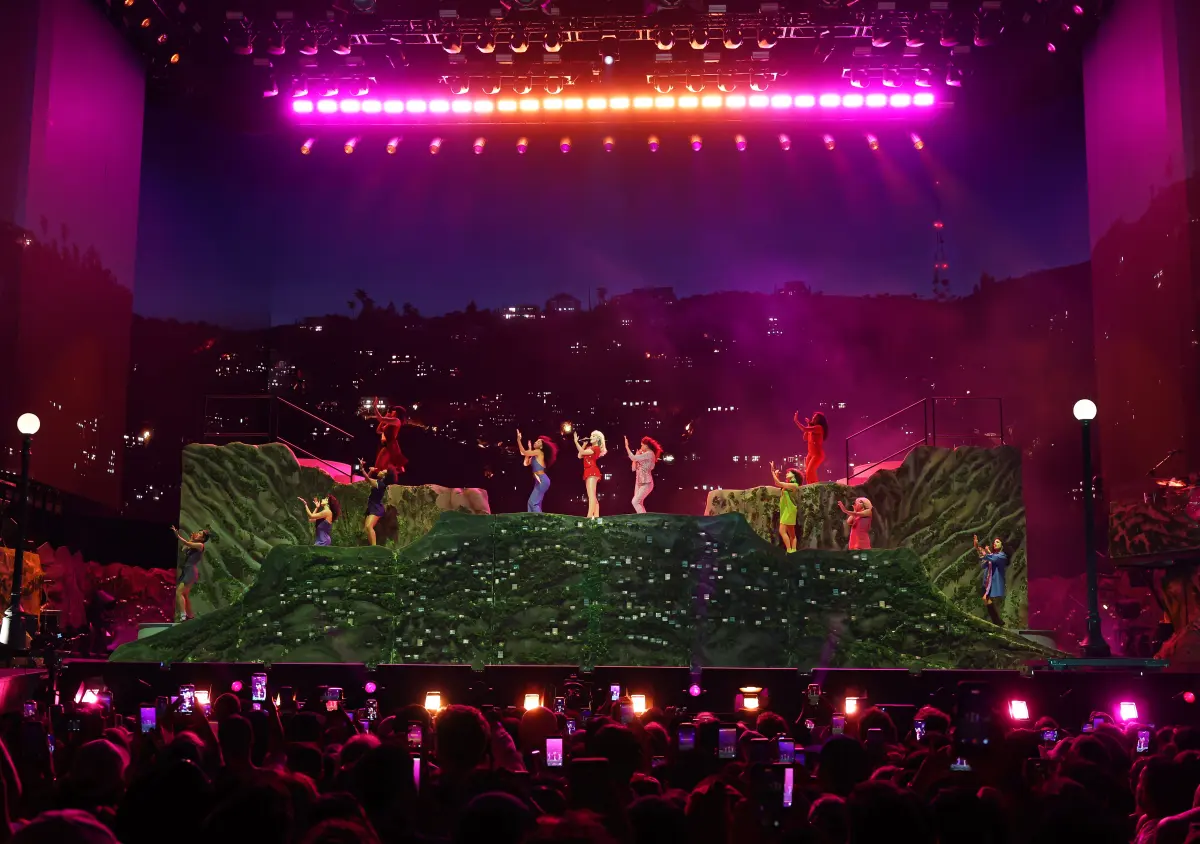
Effective stage design relies on the interplay of several core elements. Space is the most critical, as it dictates the movement of performers and the focus of the audience. Designers use verticality, such as raised platforms or balconies, to create depth and interest, preventing the stage from appearing flat or static.
Texture and color are equally important for conveying atmosphere. A rustic, weathered wood texture might suggest poverty or history, while clean, metallic lines often denote modernity or clinical precision. Lighting is the final, essential component that ties these elements together. A well-designed set is essentially a canvas that changes appearance throughout the show as lighting cues shift the color temperature and shadows, effectively transforming the environment without moving a single piece of furniture.
Common mistakes when designing a stage
Even experienced designers can fall into traps that hinder a production. One of the most frequent errors is prioritizing aesthetics over functionality. If a set looks beautiful but prevents actors from moving safely or blocks sightlines for the audience, it fails its primary purpose. Always test your layout with actual measurements to ensure there is enough room for choreography and quick costume changes.
Avoid these common pitfalls to ensure a successful production:
- Overcrowding the stage with too many props, which creates visual clutter and limits movement.
- Failing to consider the "sightlines" from the far left and right sides of the audience, leaving parts of the action hidden.
- Ignoring the acoustics of the space; large, hard surfaces can cause echoes that make dialogue difficult to hear.
- Designing sets that are too heavy or complex to be moved during quick scene transitions.
How to manage a stage design budget
Budgeting is a practical reality that defines the scope of any theatrical production. Most professional theaters operate on strict financial limits, requiring designers to be resourceful and creative. A common technique is to prioritize "hero" pieces—the most important items on stage—and use simpler, cheaper materials for background elements that do not require close inspection.
To manage costs effectively, consider sourcing materials from local hardware stores or repurposing items from previous productions. Many theaters maintain a "stock" of flats, furniture, and platforms that can be repainted or reconfigured, significantly reducing material expenses. Always include a contingency fund of 10 to 15 percent in your initial budget to cover unexpected costs like hardware, specialized paint, or emergency repairs. By tracking expenditures from the start and focusing on high-impact visual choices, you can achieve a professional-looking result without exceeding your financial boundaries.
Key facts
- Stage design, or scenography, is the art of creating the visual environment for a theatrical production, including sets, lighting, and props.
- Adolphe Appia and Edward Gordon Craig were pioneering 20th-century designers who shifted focus from realistic painted backdrops to three-dimensional, sculptural spaces.
- A floor plan, or ground plan, is the essential technical drawing that shows the layout of the stage from a bird's-eye view.
- Sightlines are the lines of vision from the audience to the stage; designers must ensure that every seat has a clear view of the action.
- Scale models, often built at a 1/4-inch or 1/2-inch to 1-foot ratio, are used to test how a set will function before full-scale construction begins.
- A common mistake is overcrowding the stage, which restricts actor movement and complicates the lighting design.
The bottom line
Stage design is the essential bridge between a script's narrative and the audience's sensory experience. By balancing technical requirements like sightlines and safety with artistic choices in color and form, designers create immersive worlds that support the actors. Whether for a small community theater or a grand opera, successful design requires meticulous planning, spatial awareness, and a deep understanding of how light interacts with physical space.
People also ask
How does a stage designer collaborate with a director?
The designer meets with the director early in the process to discuss the play's themes, period, and mood. They exchange sketches and mood boards to ensure the visual world aligns with the director's specific vision for the performance.
What is the difference between a set designer and a production designer?
A set designer typically focuses on the physical environment for live theater, while a production designer oversees the entire visual identity of a film or television show. Production designers manage not just sets, but also props, costumes, and color palettes for the camera.
What materials are most commonly used to build stage sets?
Designers frequently use lightweight materials like plywood, foam core, and muslin fabric for construction. These materials are chosen for their durability, ease of transport, and ability to be painted to mimic heavier textures like stone or metal.
Why is lighting design considered part of stage design?
Lighting defines the atmosphere, directs the audience's focus, and reveals the three-dimensional form of the set. A set may look completely different under warm, soft lighting compared to harsh, high-contrast spotlights.
What are "flats" in theater construction?
Flats are lightweight frames covered with canvas or plywood that serve as walls or scenic backdrops. They are modular, allowing crews to move them easily to create different room configurations during a single performance.
How do designers handle quick scene changes?
Designers use techniques like revolving stages, sliding wagons, or "flying" pieces that descend from the rafters. The goal is to transition between locations efficiently without breaking the audience's immersion in the story.
This answer was created with the help of AI research tools and reference sources. Spotted an error? Let us know — we correct mistakes quickly. See our editorial policy.