What is the difference between art and design?
Short answer
Art is an expression of the creator’s internal vision, intended to provoke emotion or reflection without a specific utilitarian goal. Design is a problem-solving process that creates functional solutions to satisfy user needs. While art asks questions and explores subjectivity, design provides answers and prioritizes communication, usability, and objective effectiveness.
On this page
What is the fundamental difference between art and design?
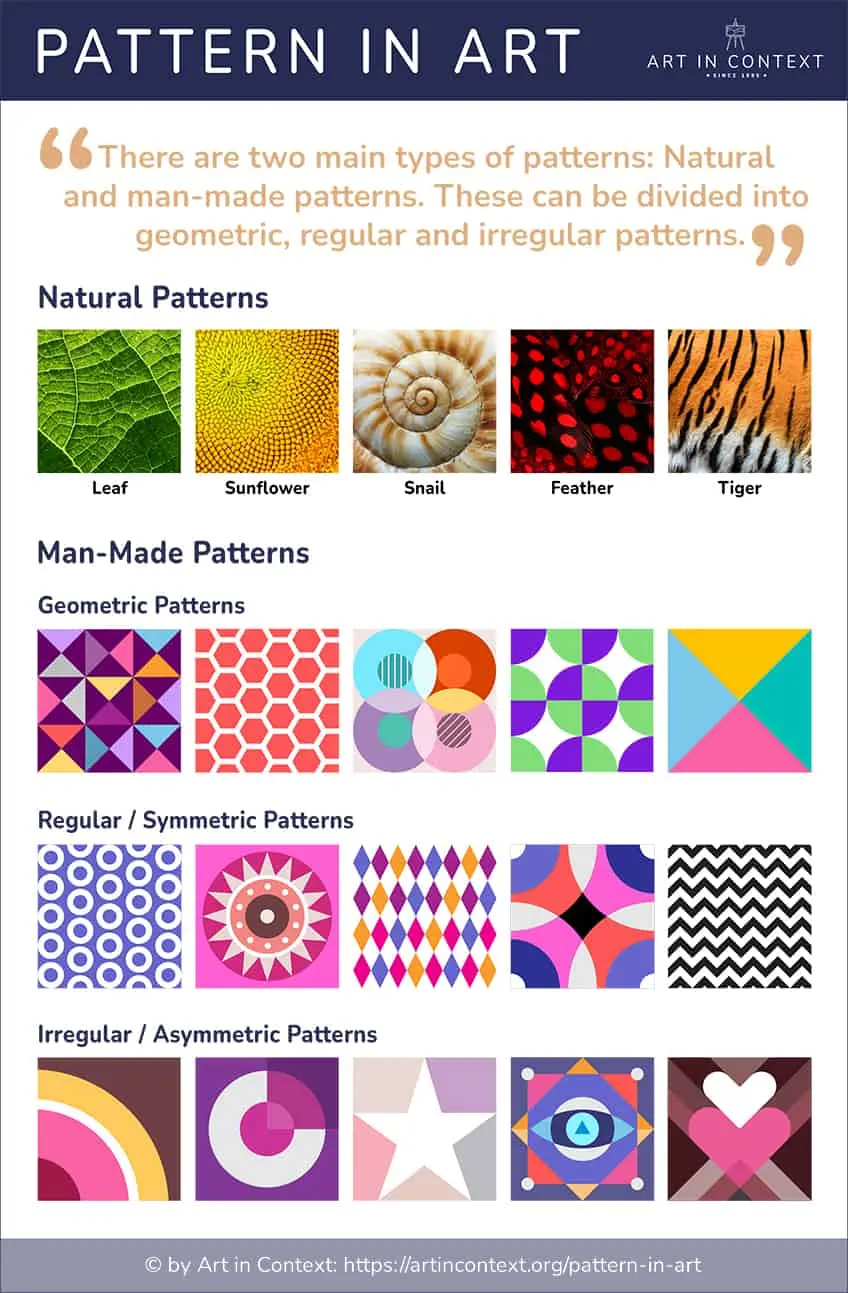
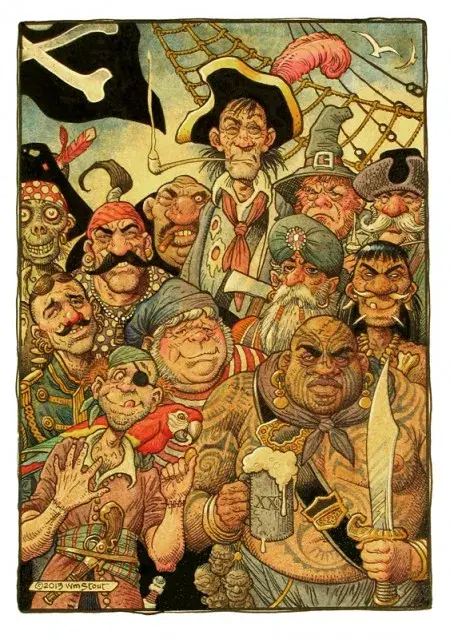
The primary distinction lies in the intent behind the work. Art is created for personal expression, aesthetic exploration, or conceptual inquiry, often leaving the interpretation entirely to the viewer. It is inherently subjective, meaning its value is not tied to how well it performs a task, but rather how deeply it resonates with an audience. Artists like Vincent van Gogh or Jackson Pollock focused on capturing an internal state or a stylistic breakthrough rather than serving a specific client or function.
Design, conversely, is inherently purposeful and goal-oriented. It exists to solve a specific problem, such as making a website easier to navigate, creating a chair that is comfortable to sit in, or designing a logo that communicates a brand’s identity. The success of a design is measured by its efficiency and its ability to fulfill a requirement. While art is a monologue from the creator, design is a dialogue between the creator and the user.
How do the creative processes differ?
The creative process for art is often open-ended and exploratory. An artist might start with a vague feeling or a visual experiment and allow the work to evolve organically, changing direction as the piece develops. There is rarely a "correct" outcome, and the process is driven by the artist’s intuition and individual creative voice.
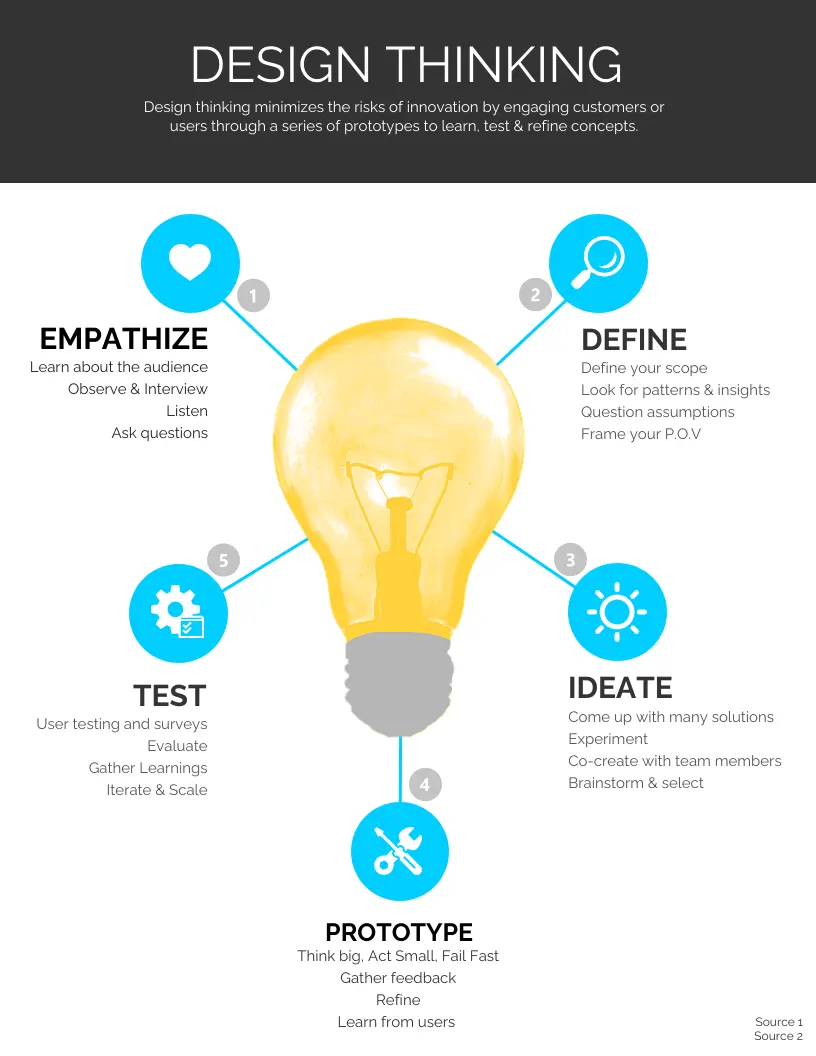
Design follows a structured, iterative process aimed at achieving a predefined objective. Designers must conduct research, understand their target audience, and test their solutions against real-world constraints. The process usually involves these stages:
- Define the core problem or user need.
- Research existing solutions and user behaviors.
- Ideate and sketch potential concepts.
- Prototype and test for usability.
- Refine based on feedback and data.
This systematic approach ensures that the final product is not only visually appealing but also functional and accessible to the intended user base.
Why is functionality the hallmark of design?
Functionality is the cornerstone of design because a design that fails to work is considered a failure, regardless of its beauty. For example, a chair that looks like a sculpture but collapses when someone sits on it is a failed design. Good design adheres to the principle that form should follow function, ensuring that the visual elements support the utility of the object.
Art, however, is not bound by the laws of utility. A painting does not need to "do" anything other than exist as an object of contemplation. Even when art is decorative, its primary value remains aesthetic or conceptual. Designers must balance aesthetics with constraints like budget, manufacturing materials, and human ergonomics. When these functional requirements are met, the design is considered successful, whereas art is successful when it achieves its intended emotional or intellectual impact.
Common mistakes when distinguishing between the two
A frequent error is assuming that design is merely "applied art" or that design lacks creativity because it is restricted by rules. In reality, the constraints of design often fuel innovation, forcing creators to find clever solutions within tight boundaries. Another mistake is devaluing art by suggesting it is "useless" because it lacks a functional purpose; art serves the vital human need for culture, reflection, and emotional expression.
To avoid confusion between these disciplines, consider these guiding questions:
- Does the work have a clear, objective goal or client requirement?
- Is the success of the work measured by how well a user interacts with it?
- Does the creator have the freedom to ignore external feedback or usability standards?
- Is the primary intent to communicate a specific message or to evoke a personal feeling?
If the answer to the first two is "yes," you are likely looking at design.
How to apply these concepts in practice
When starting a project, identifying your primary goal is the most important first step. If your objective is to express a personal narrative or explore a medium for the sake of discovery, approach it as an artist. Prioritize your own vision, embrace ambiguity, and allow the work to be whatever it needs to be without worrying about how an audience will use it.
If your objective is to solve a problem for others, adopt the mindset of a designer:
- Identify your target audience and their specific pain points.
- Establish clear metrics for success, such as readability, conversion rates, or physical comfort.
- Seek feedback early and often to ensure your solution works for others, not just yourself.
- Simplify your visual choices to ensure that the message or function remains the primary focus.
By distinguishing between these two paths, you can better align your creative efforts with your ultimate goals, ensuring your work achieves the impact you intend.
Key facts
- Art is primarily intended to express the creator's emotions, ideas, or subjective experience.
- Design is fundamentally functional, created to solve a specific problem or fulfill a user's need.
- A common mistake is assuming art must be beautiful, whereas design must be usable.
- Art often invites open-ended interpretation, while design aims for clear, unambiguous communication.
- Designers often work within strict constraints like brand guidelines, budget, or technical limitations.
- Artists typically define their own goals, whereas designers work toward the goals of a client or audience.
The bottom line
The fundamental distinction lies in intent: art is created to express, while design is created to solve. While artists seek to provoke emotion or reflection through subjective interpretation, designers utilize structured systems to ensure clarity and utility for a specific audience. Understanding this difference helps creators align their work with their goals, whether they aim to challenge the viewer’s perspective or improve a user’s experience.
People also ask
Does design require less creativity than art?
No, design requires a different type of creativity focused on problem-solving. While art is about self-expression, design demands the creative application of logic to make information or products accessible and efficient.
Can a piece of work be both art and design?
Yes, the two fields frequently overlap in areas like graphic design or architecture. An object can be visually expressive like art while remaining functional enough to serve a practical purpose.
Why do designers use grids and templates?
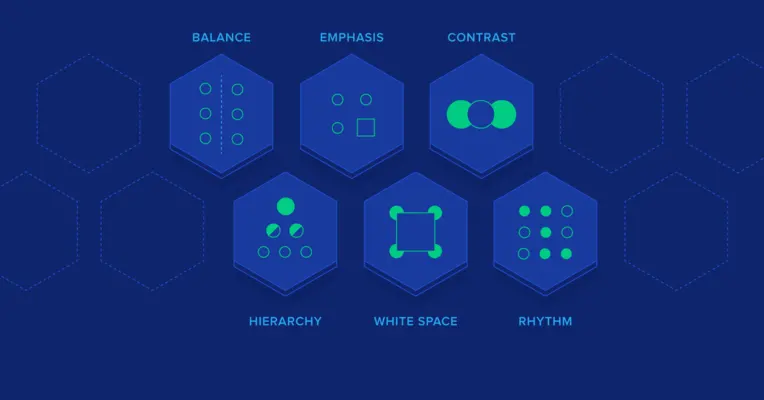
Designers use these tools to ensure consistency, readability, and structural hierarchy. Unlike art, which may prioritize chaos or spontaneity, design relies on these systems to guide the user’s eye effectively.
Is art always subjective?
Art is inherently subjective because its value is often based on the viewer's personal reaction. Design, however, can be objectively measured by how well it performs its intended function or solves a problem.
What is the role of the audience in these fields?
In art, the audience is an observer who interprets the work. In design, the audience is a user who interacts with the work to achieve a specific result.
How do I know if my work is art or design?
Ask yourself if the primary goal is to provoke a thought or to perform a task. If the work exists to communicate a specific message or utility, it is design; if it exists to explore an internal concept, it is art.
This answer was created with the help of AI research tools and reference sources. Spotted an error? Let us know — we correct mistakes quickly. See our editorial policy.