What is the difference between illustration and graphic design?
Short answer
Illustration is the creation of original imagery to interpret or decorate a narrative, while graphic design is the strategic arrangement of visual elements to communicate a specific message. Illustrators focus on artistic expression and storytelling, whereas graphic designers prioritize layout, typography, and user experience to solve functional communication problems for audiences.
On this page
What is the core difference between illustration and graphic design?
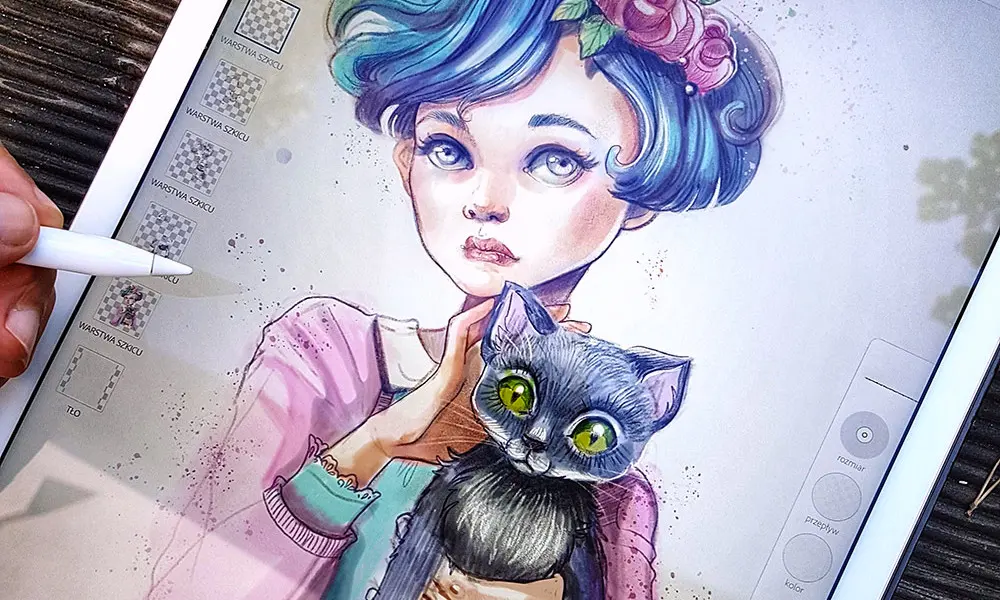
Illustration is fundamentally an act of artistic creation. An illustrator uses drawing, painting, or digital tools to produce unique images that clarify, interpret, or embellish a text or concept. The primary goal is to evoke an emotional response or provide a visual representation of a story. Examples include book covers, editorial drawings, and character designs.
Graphic design, by contrast, is a systematic approach to visual communication. It involves organizing text, images, and white space to guide a viewer’s eye through information. While a designer may use illustrations, their main tools are typography, grid systems, and color theory. The designer’s objective is to solve a problem, such as brand recognition or information hierarchy, rather than creating a standalone piece of art.
How do illustrators and graphic designers work?
The workflows for these two disciplines differ significantly in their objectives and final outputs. An illustrator often starts with a blank canvas, focusing on composition, lighting, and style to capture a specific mood. They are frequently commissioned to create assets that will later be integrated into a larger project.
A graphic designer typically begins with a brief that outlines a communication goal. They analyze the target audience and the medium—such as a website, a billboard, or a brochure—to determine the best layout. Their process is highly iterative and focused on usability.
- Define the project goals and audience requirements.
- Sketch wireframes or layouts to establish hierarchy.
- Select appropriate typography and color palettes.
- Integrate assets like text, photography, or illustrations.
- Refine the design based on readability and functionality.
What tools do professionals in these fields use?
While there is some overlap in software, the primary tools are chosen based on the desired output. Illustrators often prefer software that mimics natural media, such as brushes that simulate oil paint, charcoal, or ink. Hardware like pressure-sensitive tablets is essential for capturing the nuances of a hand-drawn stroke.
Graphic designers rely on software that excels at layout, vector manipulation, and typography. Precision is the priority, as they must ensure that files are formatted correctly for various printing processes or screen resolutions. Below are common software categories used in the industry:
- Vector graphics software: Used for logos and scalable branding.
- Raster image editing: Used for photo manipulation and complex digital painting.
- Desktop publishing software: Used for multi-page documents and complex layouts.
- Prototyping tools: Used for designing interactive web and mobile interfaces.

Common mistakes when hiring a creative professional
A frequent error is assuming that an illustrator can automatically perform the duties of a graphic designer, or vice versa. While some individuals possess skills in both areas, they are distinct professional specializations. Hiring an illustrator to build a complex, responsive website layout often leads to poor user experience because they may lack training in technical grid systems and accessibility standards.
Conversely, asking a graphic designer to create a highly detailed, hand-drawn portrait might result in an image that lacks the artistic depth or stylistic consistency of a dedicated illustrator. To avoid these pitfalls, always review a professional’s portfolio for specific examples of the work you need. If you require a brand identity, look for a designer who understands marketing strategy. If you need a custom book cover, look for an illustrator with a style that matches your project's tone.
How to choose the right professional for your project
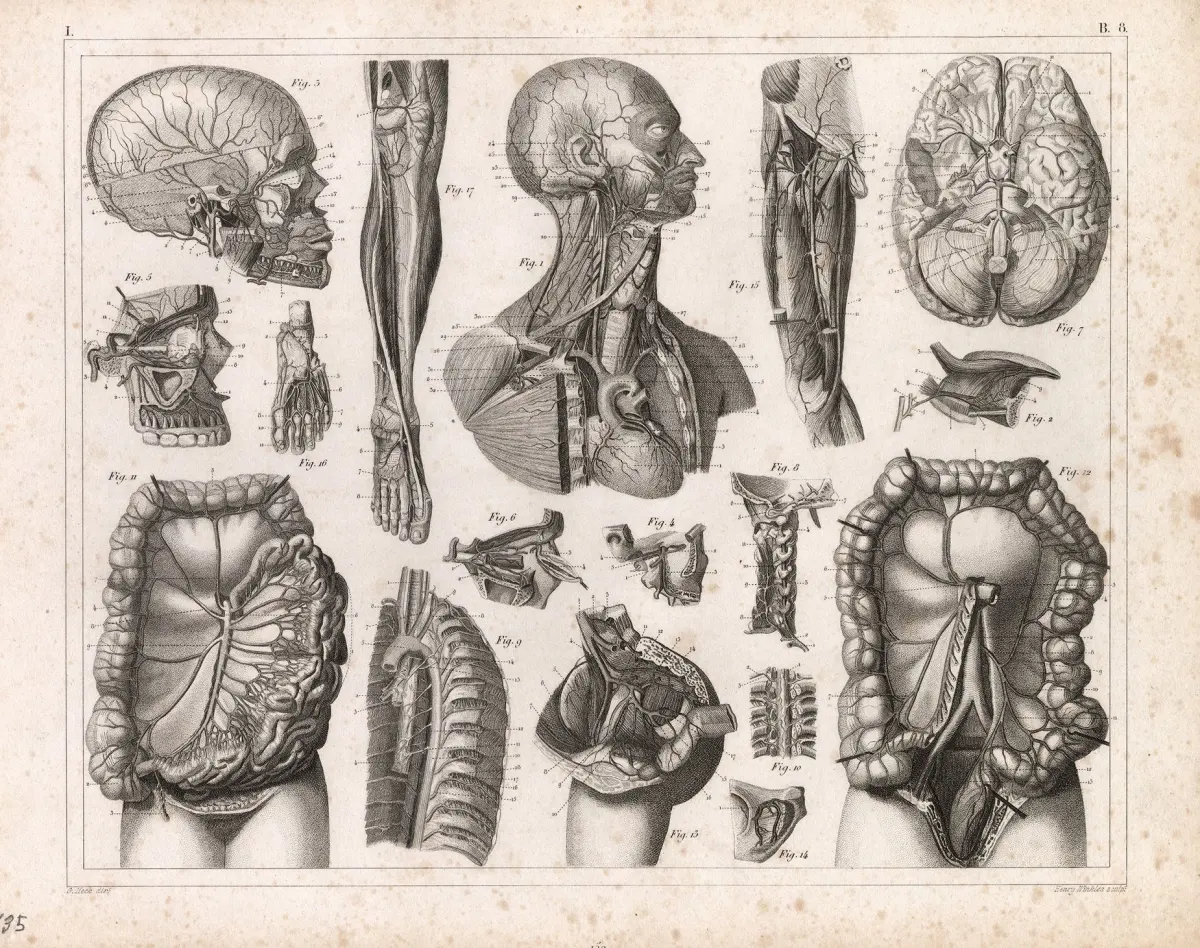
Determining which professional you need depends entirely on the problem you are trying to solve. If your goal is to explain a complex medical procedure or add personality to a children's book, an illustrator is the best choice. Their work adds visual interest and emotional weight to the subject matter.
If your goal is to organize information so that it is easy to read, or to establish a consistent visual identity for a company, you need a graphic designer. They will ensure that your message is legible, professional, and effective across all platforms. By identifying whether your project requires storytelling or structural organization, you can ensure you hire the right talent. Remember that the best results often come from a collaboration between the two, where the illustrator provides the custom imagery and the graphic designer provides the structural framework for that imagery to thrive.
Key facts
- Illustration focuses on creating original imagery to interpret or decorate a narrative, while graphic design organizes visual elements to communicate a specific message.
- Illustrators often use artistic techniques like drawing, painting, or digital sculpting to produce unique assets from scratch.
- Graphic designers prioritize typography, layout, and hierarchy to ensure information is readable and functional for the end user.
- A common mistake is assuming these fields are mutually exclusive; many professionals, such as editorial designers, frequently integrate both skill sets.
- Illustration is typically subjective and expressive, whereas graphic design is usually objective and driven by business or informational goals.
- When working on a project, always define the primary goal first: if the aim is storytelling, hire an illustrator; if the aim is user navigation, hire a designer.
The bottom line
The fundamental difference lies in intent: illustration is the art of creating unique imagery to express a concept, while graphic design is the science of arranging visual elements to solve communication problems. While their tools often overlap, designers focus on structure, hierarchy, and functionality, whereas illustrators focus on narrative and aesthetic impact. Understanding these distinct roles helps you choose the right creative partner for your specific project needs.
People also ask
Can someone be both an illustrator and a graphic designer?
Yes, many professionals are "hybrid" creatives who possess skills in both disciplines. This versatility allows them to handle entire projects, such as designing a book cover and creating the custom artwork featured on it.
Which field generally pays more?
Salary varies significantly based on industry, experience, and location. Generally, graphic designers in corporate or agency roles may have more stable, salaried positions, while illustrators often work on a per-project or commission basis.
What software is standard for these professions?
Illustrators often use Adobe Fresco, Procreate, or Corel Painter for their artistic freedom. Graphic designers typically rely on Adobe InDesign for layouts, Illustrator for vector graphics, and Photoshop for image editing.
Does graphic design require drawing skills?
Professional graphic design relies more on an understanding of color theory, typography, and composition than on the ability to draw. While sketching can help a designer brainstorm, it is not a daily requirement for the role.
How do I know which service I need for my business?
If you need a logo, a website layout, or a brochure, you need a graphic designer to organize your brand identity. If you need a custom character, a mural, or a storybook image, you need an illustrator.
Is typography considered part of illustration?
Typography is a core pillar of graphic design, not illustration. While an illustrator might draw letters by hand for a specific piece, the structural arrangement and legibility of text remain the domain of the designer.
This answer was created with the help of AI research tools and reference sources. Spotted an error? Let us know — we correct mistakes quickly. See our editorial policy.