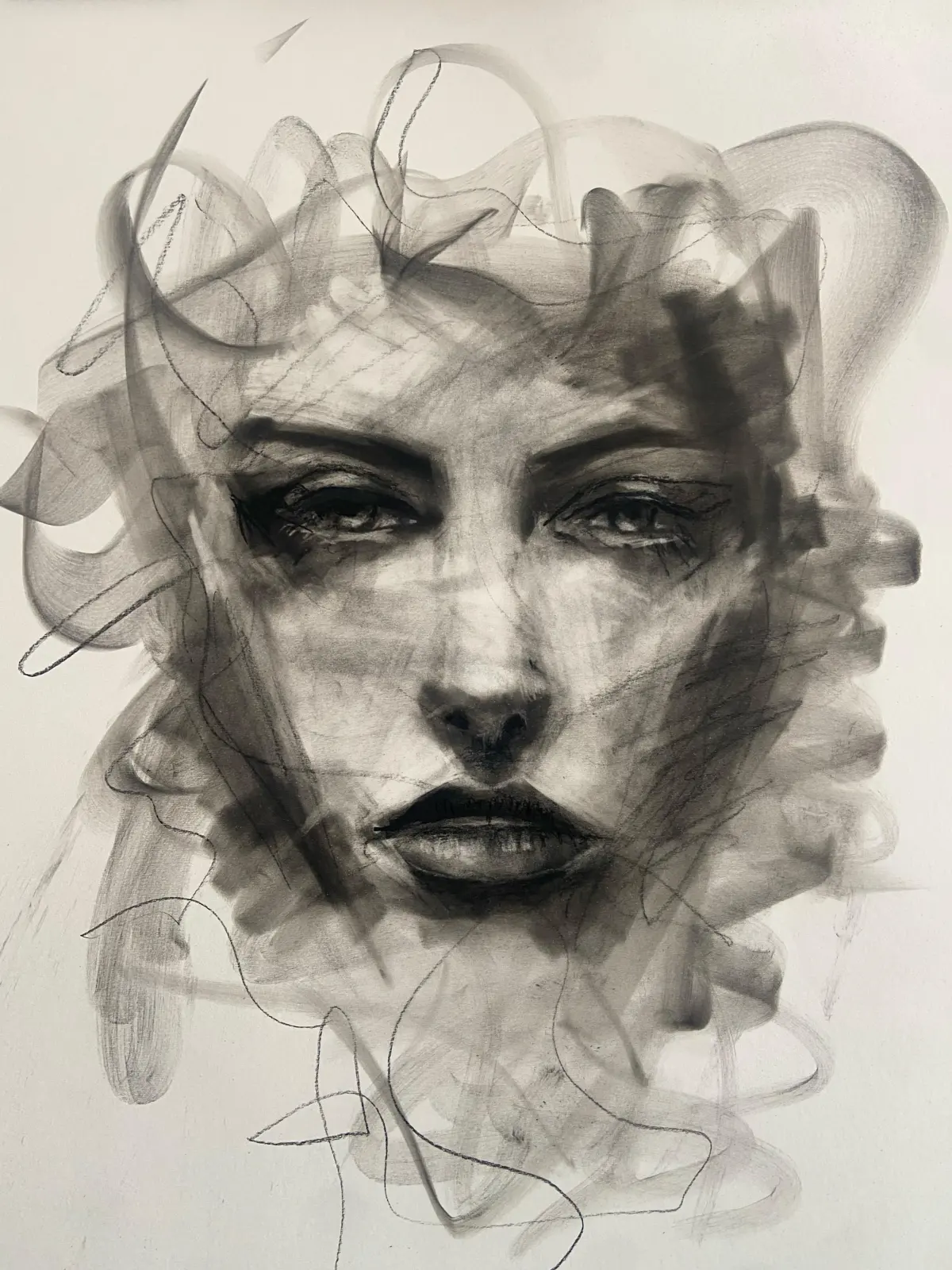
What is a triptych?
Short answer
A triptych is a work of art divided into three sections or panels, typically hinged together to allow the outer wings to fold over the center. Historically used for religious altarpieces, the format is now widely employed in photography, painting, and digital media to tell a narrative or explore a subject through multiple perspectives.
On this page
What is the history of the triptych?
The term originates from the Greek word "triptychos," meaning "three-fold." Historically, triptychs were the most common format for altarpieces in medieval and Renaissance Europe. These structures allowed artists to create complex, multi-layered narratives. When closed, the outer panels often featured simpler, monochromatic images, while the interior revealed vibrant, detailed scenes that were only displayed during significant religious holidays or liturgical services.
This format offered practical benefits for portability and protection. Because the side panels could be folded inward, the delicate paint and gold leaf on the interior were shielded from dust, smoke, and physical damage during transport. Famous examples include Hieronymus Bosch’s The Garden of Earthly Delights and Rogier van der Weyden’s The Braque Triptych. These works were not merely decorative; they functioned as portable devotional objects that helped worshippers focus their attention during private prayer or public mass.
How do artists use triptychs today?
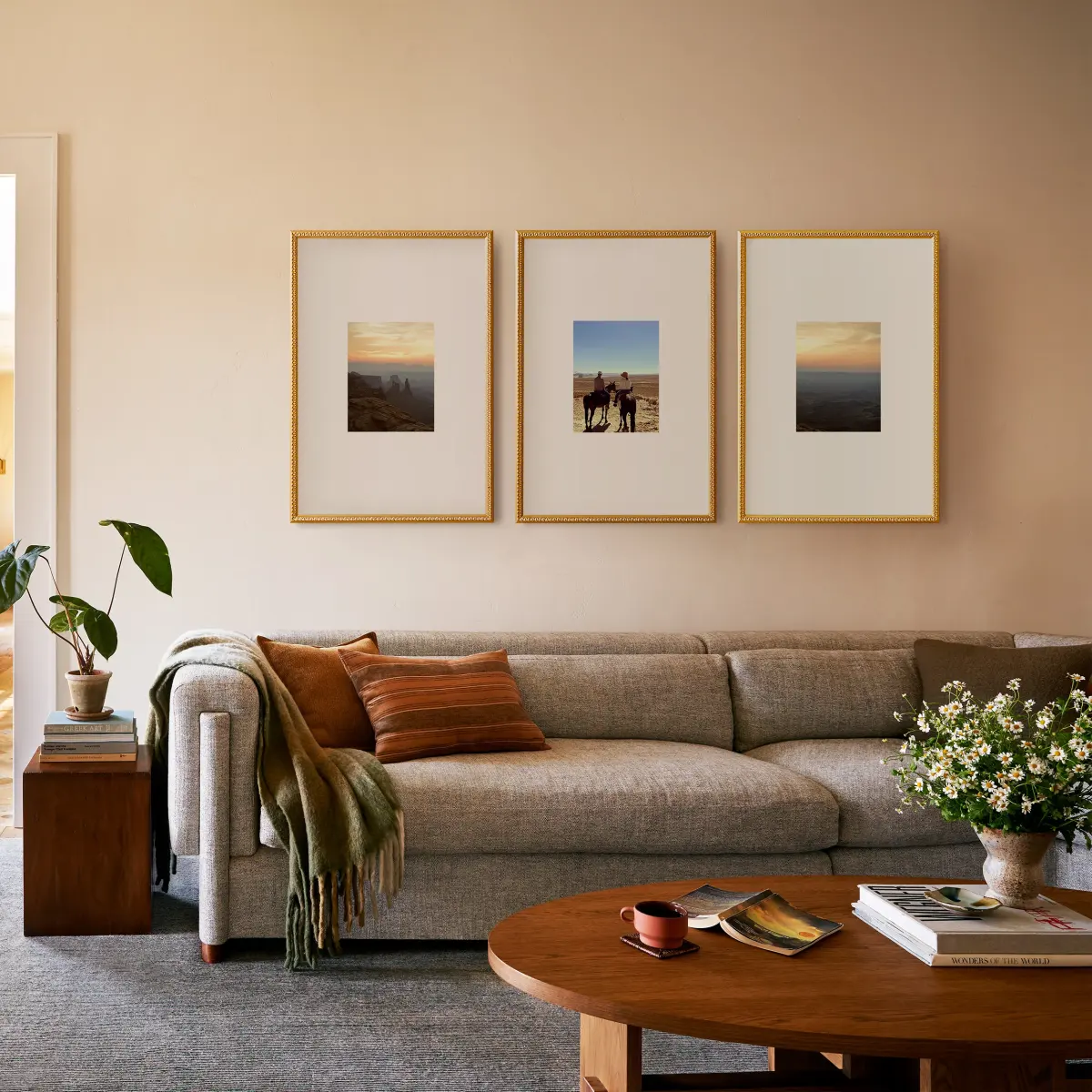
Modern artists have moved away from the strictly religious connotations of the triptych to focus on visual storytelling and conceptual depth. In contemporary photography, a triptych often consists of three separate prints displayed side-by-side. This arrangement allows the viewer to see a progression of time, a change in perspective, or a comparison of textures. By placing three images together, the artist creates a relationship between them that would not exist if the images were viewed in isolation.
The power of the modern triptych lies in the "third effect"—a psychological phenomenon where the combination of two or more images creates a new meaning that is greater than the sum of its parts. Artists use this to guide the viewer’s eye and establish a rhythm. Common contemporary applications include:
- Documenting a single subject from three different angles.
- Presenting a chronological sequence of events.
- Contrasting abstract details with wide-angle context shots.
- Exploring a theme through varying colors or lighting conditions.
How to create a triptych for beginners
Creating a triptych is an excellent exercise in composition and visual editing. The goal is to ensure that the three panels feel like a cohesive unit rather than three random images. To begin, select a subject that has enough variety to sustain interest across three distinct frames. If you are using photography, try to maintain a consistent horizon line or color palette across all three panels to ensure they look unified when displayed together on a wall.
- Choose a central theme or story you want to convey to the audience.
- Capture or select three images that vary in scale, such as one wide shot, one medium shot, and one close-up detail.
- Edit the images together to ensure the exposure, contrast, and white balance are consistent across the entire set.
- Arrange the panels with equal spacing between them, typically using a thin white or black border to separate the frames.
- Print or display the images at identical sizes to maintain formal balance.
Why composition matters in triptych design
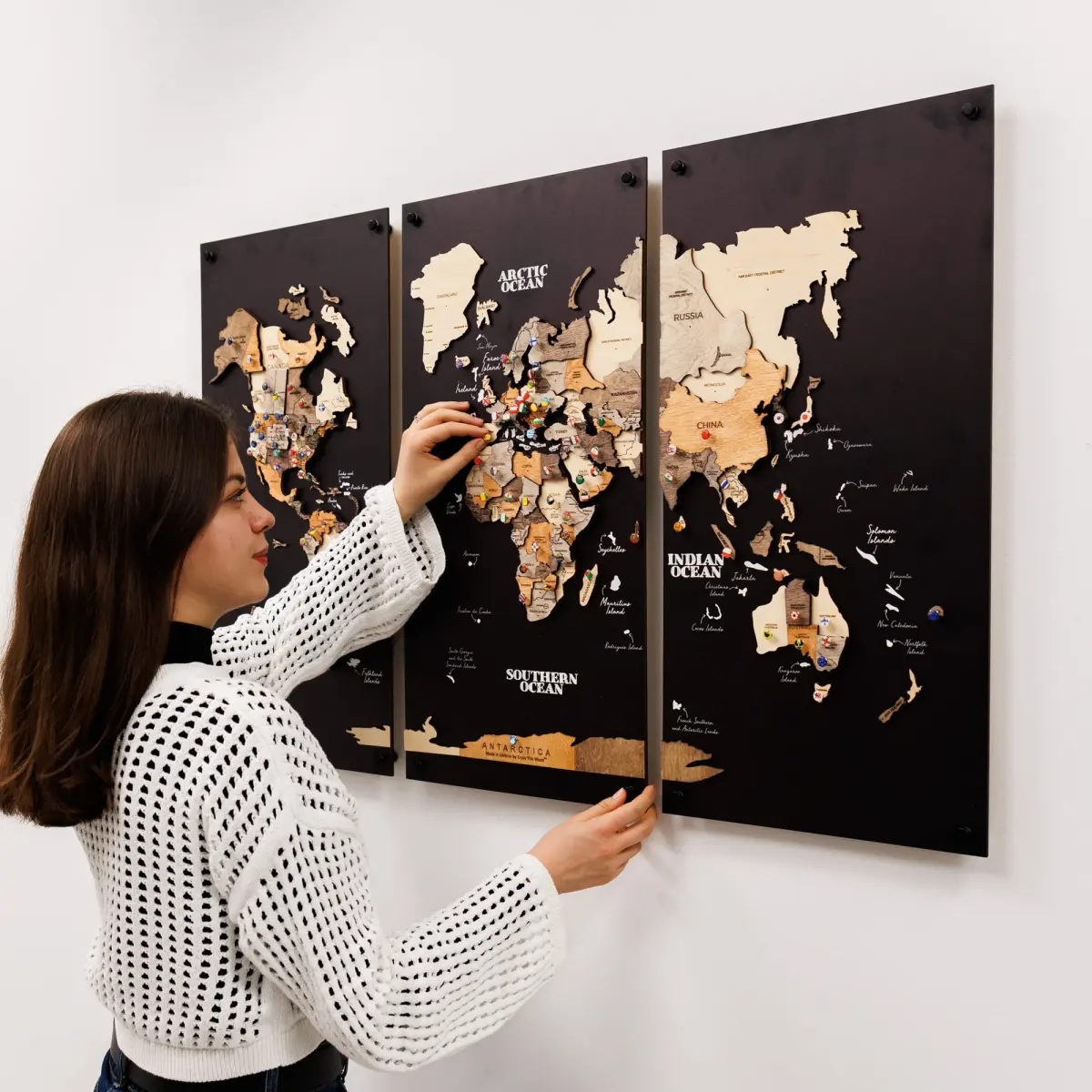
Composition is the most critical element when designing a triptych because the viewer’s eye naturally moves from left to right. If the composition is unbalanced, the flow of the narrative will feel disjointed. A common technique is to have the subject matter in the outer panels "point" toward the center panel, which anchors the entire work. This creates a visual loop that keeps the viewer engaged with the artwork for a longer duration.
When working with three panels, consider the weight of each image. If one panel is visually "heavy" due to dark colors or dense detail, it may overpower the others. To prevent this, artists often distribute visual weight by placing the most complex image in the center or by balancing a busy image on one side with two simpler, minimalist images on the other. Symmetry can also be used to create a sense of stability, particularly when the two outer panels mirror each other in terms of subject or color.
Common mistakes when making a triptych
One of the most frequent errors is failing to establish a clear relationship between the panels. If the images are too similar, the triptych feels redundant; if they are too different, the viewer will struggle to find the connection. Another common mistake is neglecting the physical spacing between the panels. If the gap is too wide, the viewer sees three independent images; if it is too narrow, the images may clash. A consistent, narrow margin is usually the most effective way to unify the set.
Avoid these pitfalls to ensure your work remains professional and visually compelling:
- Including images with clashing color temperatures or incompatible lighting.
- Forgetting to align the horizon lines, which can make the display feel crooked.
- Using different framing materials or styles for each panel in a physical display.
- Over-complicating the narrative by trying to tell too many stories at once.
- Ignoring the scale of the wall space, which can make the triptych appear either lost or overwhelming.
Key facts
- A triptych is a work of art divided into three sections or three carved panels that are hinged together.
- The name originates from the Greek word "triptuchos," which translates literally to "three-fold."
- Historically, the central panel is the largest, while the two outer wings are designed to fold inward to protect the interior image.
- Artists often use the format to tell a narrative, with the left panel representing the beginning, the center the climax, and the right the conclusion.
- While common in medieval altarpieces, modern photographers and digital artists frequently use the term to describe three related images displayed together.
- When creating a triptych, ensure the horizon lines or focal points align across all three panels to maintain visual continuity.
The bottom line
A triptych is a versatile artistic format consisting of three distinct panels that function as a single, cohesive unit. Whether used for grand religious narratives or modern photographic series, the structure relies on the relationship between the three parts to convey meaning. By maintaining consistent alignment and thematic unity, you can transform individual images into a sophisticated, professional display that commands attention in any space.
People also ask
Can a triptych be displayed vertically?
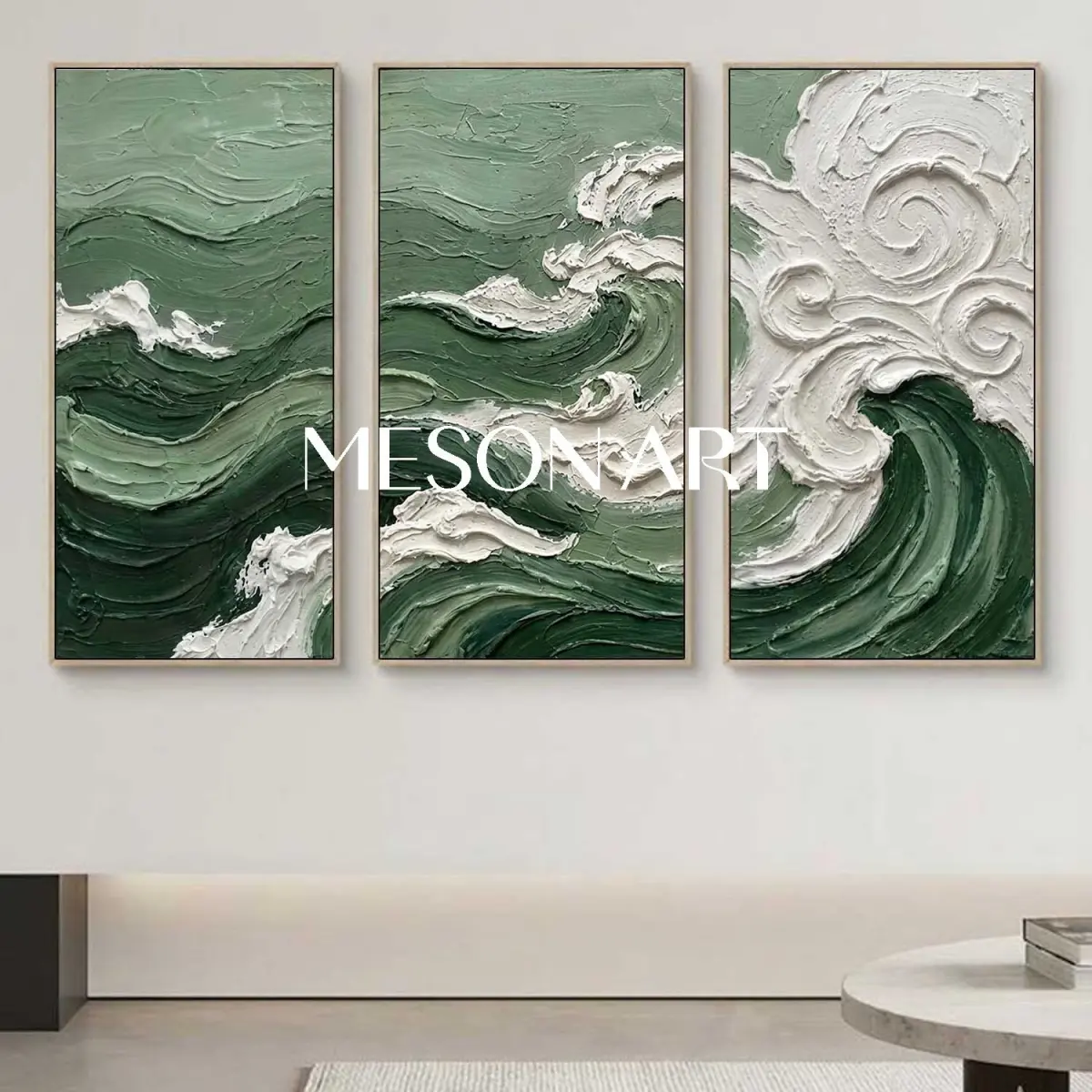
Yes, triptychs can be oriented vertically, especially in modern photography or minimalist interior design. While traditional altarpieces were almost always horizontal, vertical arrangements offer a dynamic way to showcase tall subjects like landscapes or architectural details.
What is the difference between a triptych and a diptych?
A diptych consists of only two panels, whereas a triptych consists of three. Diptychs are often used for contrasting themes or binary comparisons, while triptychs allow for a more complex three-part storytelling structure.
Should the panels of a triptych always be the same size?
Traditionally, the central panel is wider than the two side wings. However, contemporary artists often use three equal-sized panels to create a balanced, uniform grid effect on a wall.
What is the most famous historical example of a triptych?
The "Garden of Earthly Delights" by Hieronymus Bosch, created between 1490 and 1510, is widely considered the most iconic triptych. It depicts the creation of the world, a chaotic paradise, and a harrowing vision of hell.
Is it a mistake to use different frames for each panel?
Using mismatched frames can distract the viewer from the cohesive message of the work. It is best practice to use identical frames or no frames at all to ensure the three pieces are perceived as one unified object.
Do the panels of a triptych have to touch each other?
They do not have to touch, especially when displayed as wall art. Leaving a small, consistent gap between the panels—known as a "bleed"—can actually help the eye transition between the images more comfortably.
This answer was created with the help of AI research tools and reference sources. Spotted an error? Let us know — we correct mistakes quickly. See our editorial policy.