What is land art?
Short answer
Land art, or Earth art, is an artistic movement that emerged in the late 1960s. It uses natural materials like soil, rocks, wood, and water to create large-scale installations directly in the landscape. By placing art outside traditional galleries, artists emphasize the connection between human creativity, geological processes, and the environment.
On this page
What is the history of land art?
Land art originated in the United States during the late 1960s as a reaction against the commercialization of the art world. Artists sought to escape the confines of museums and urban galleries, moving their practice into vast, remote outdoor spaces. By working directly with the earth, they challenged the idea that art must be a portable, permanent object sold to collectors.
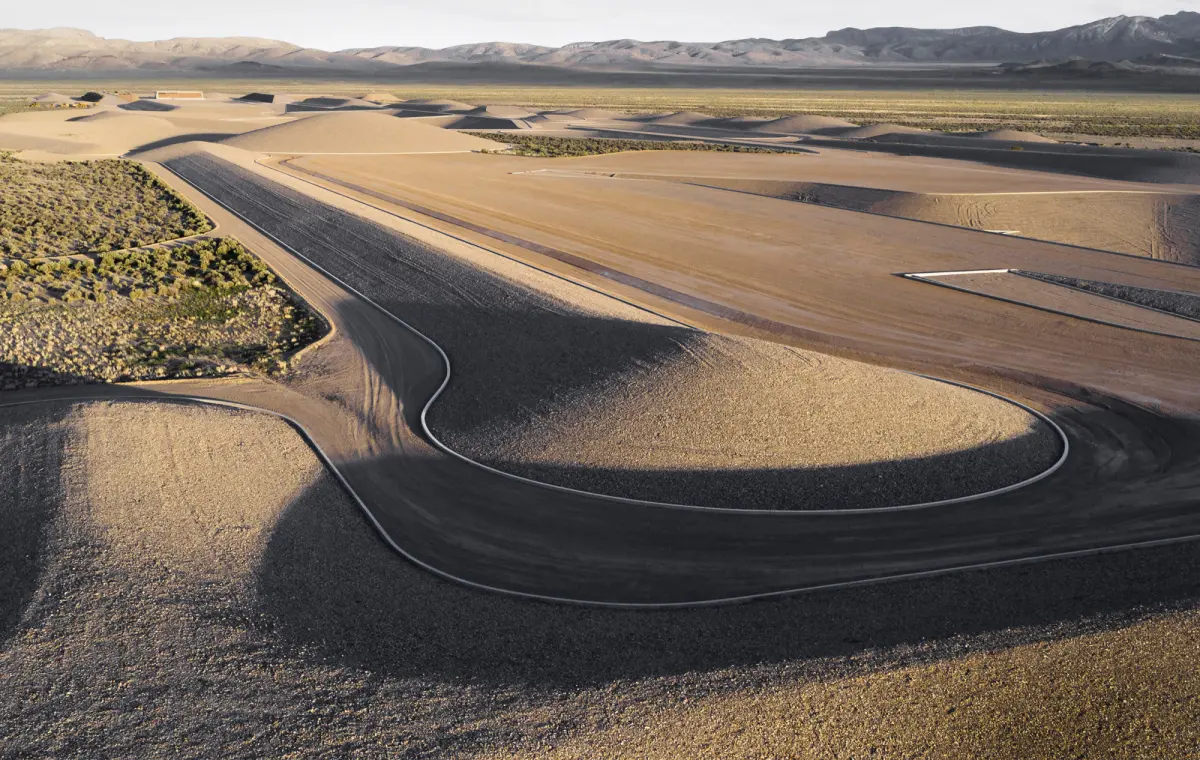
The movement gained global recognition in 1968 with the "Earthworks" exhibition at the Dwan Gallery in New York. Key figures like Robert Smithson, Michael Heizer, and Walter De Maria began creating monumental structures in the deserts of the American West. These works were often ephemeral, intended to change or erode over time as they interacted with the elements, wind, and tides.
How to create land art for beginners
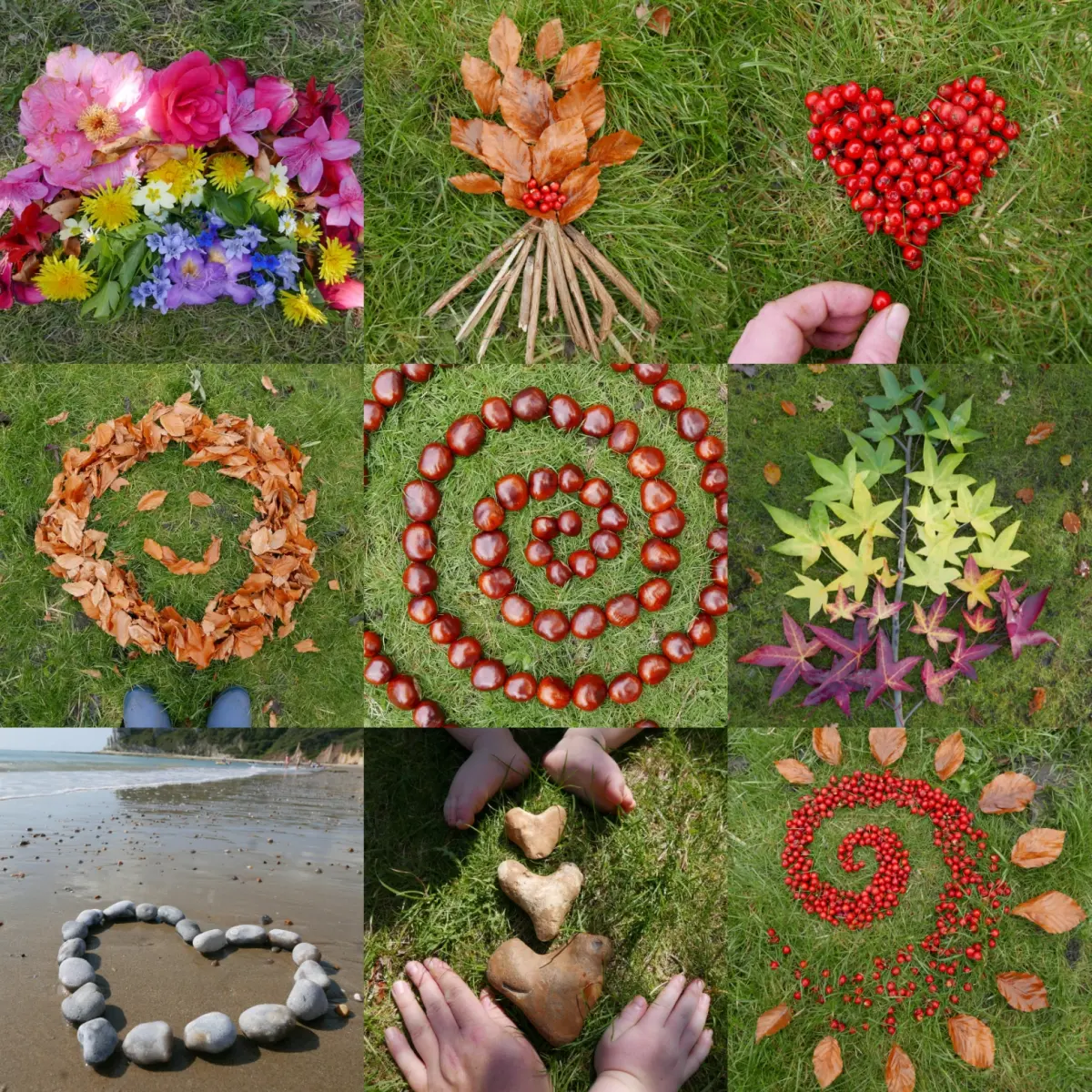
Creating your own land art is an accessible way to engage with nature using only what you find in your immediate surroundings. You do not need expensive materials or heavy machinery to begin; the focus is on arrangement, patterns, and the texture of natural elements. Start by observing the landscape for shapes, colors, and textures that catch your eye.
- Choose a location that allows you to work without disturbing delicate ecosystems or private property.
- Gather loose materials such as fallen branches, smooth stones, dried leaves, or sand.
- Arrange these items into geometric shapes, spirals, or patterns that contrast with the existing ground.
- Document your work with a camera, as many land art pieces are temporary and will be reclaimed by the environment.
Why land art is important today
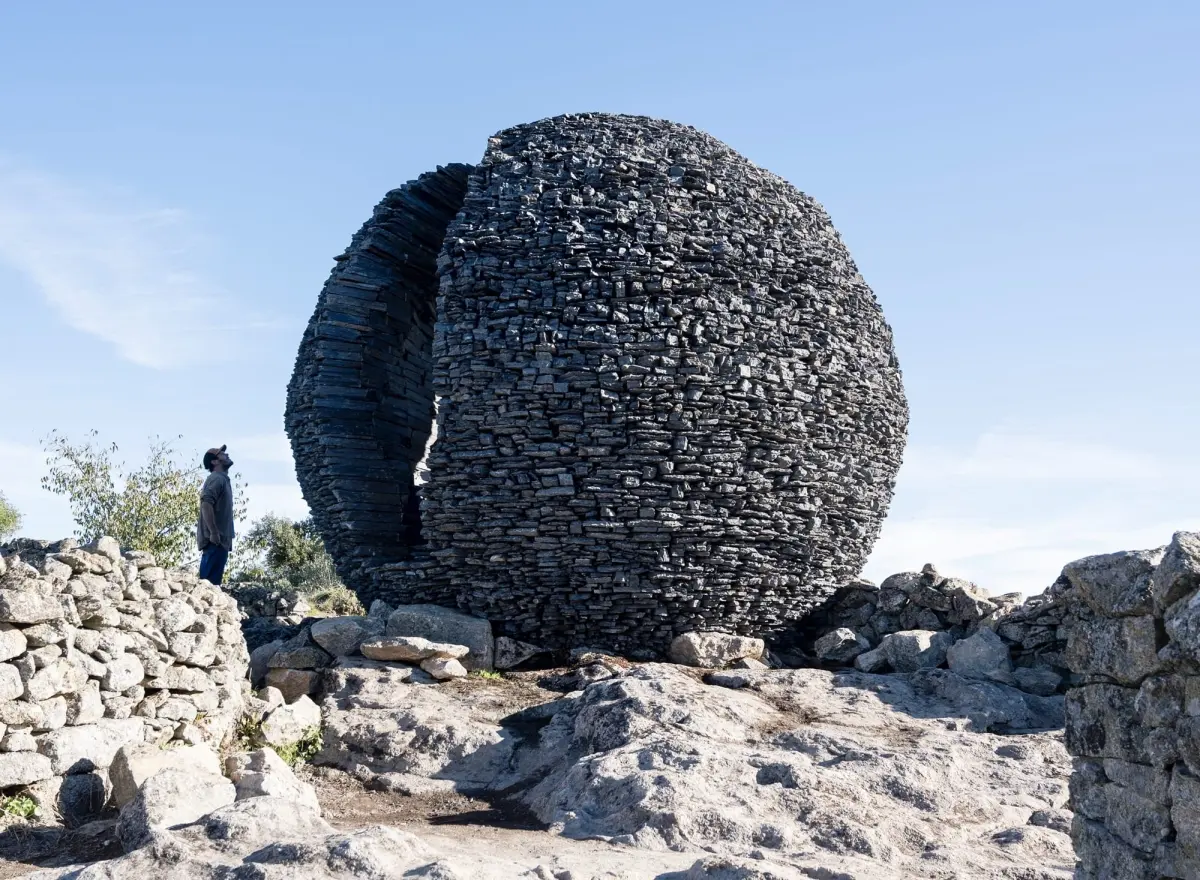
Land art serves as a profound reminder of the relationship between humanity and the natural world. By placing art in remote locations, it compels viewers to travel and experience the scale of the environment firsthand. This process often highlights ecological issues, such as the impact of human intervention on landscapes or the beauty of untouched wilderness.
Furthermore, the movement encourages a shift in perspective regarding the lifespan of art. Unlike paintings kept in climate-controlled rooms, land art exists in a state of flux. It teaches observers to appreciate the beauty of decay and the inevitable transformation of materials. This philosophy has influenced contemporary environmental art, which often uses sustainable practices to comment on climate change and conservation.
Common mistakes when making land art
One of the most frequent errors in creating land art is failing to consider the environmental impact of the installation. Beginners often inadvertently damage local flora, disturb wildlife habitats, or introduce non-native materials into a sensitive ecosystem. It is essential to practice "Leave No Trace" principles to ensure that your artistic expression does not harm the very nature you are celebrating.
- Avoid using synthetic materials like plastic, metal wire, or non-biodegradable glues.
- Do not move large rocks or disturb soil crusts, which can lead to erosion or damage to desert pavements.
- Refrain from creating art in protected parks or nature reserves where human interference is restricted.
- Never pick live flowers or break branches off healthy trees to use as materials.
Where to see famous land art examples
If you wish to view iconic examples of this movement, several permanent installations remain accessible to the public. These sites are often remote, requiring careful planning and travel, but they offer an unparalleled experience of the scale and ambition of the original artists. Below are some of the most significant works that have defined the genre:
- Spiral Jetty (1970) by Robert Smithson: Located on the Great Salt Lake in Utah, this massive coil of basalt rock and earth extends into the water.
- The Lightning Field (1977) by Walter De Maria: Situated in New Mexico, this installation features 400 polished stainless-steel poles arranged in a grid across a mile-long area.
- Seven Magic Mountains (2016) by Ugo Rondinone: A contemporary example near Las Vegas, featuring colorful, stacked boulders that highlight the intersection of desert landscape and human artifice.
Visiting these sites provides a sense of the immense physical effort involved in land art. Because these works are exposed to the elements, they look different depending on the season, the time of day, and the current weather conditions. Planning your visit requires checking local access rules and weather forecasts, as these environments can be harsh and unpredictable for unprepared travelers.
Key facts
- Land art, or Earth art, emerged in the late 1960s as a movement that moved art out of galleries and into the natural landscape.
- Artists often use raw materials found on-site, such as soil, rocks, organic matter, and water, to create their installations.
- The movement emphasizes the relationship between the artwork and its environment, often highlighting natural processes like erosion or tides.
- Robert Smithson’s "Spiral Jetty" (1970) in Utah is the most iconic example, consisting of 6,000 tons of black basalt rock and earth.
- Many land art projects are ephemeral, meaning they are designed to change or disappear over time due to weather and biological decay.
- To create your own, start by using only biodegradable materials and ensure you do not disrupt local ecosystems or protected habitats.
The bottom line
Land art transforms the natural world into a vast, open-air gallery, challenging the traditional boundaries of creative expression. By utilizing the earth itself as a medium, artists invite viewers to contemplate the passage of time and the fragility of our planet. Whether permanent or fleeting, these works remind us that art is not merely an object to be viewed, but an experience deeply rooted in nature.
People also ask
Is land art considered permanent?
Most land art is intentionally temporary, as artists often embrace the inevitability of weathering and decay. While some massive stone structures remain for decades, the movement generally views the landscape as a living, shifting canvas rather than a static museum display.
Do I need a permit to create land art?
You must obtain permission if you are working on public or private land to avoid legal issues or environmental damage. Always check local regulations regarding land use and ensure your project does not violate conservation laws or disturb wildlife.
What is the difference between land art and environmental art?
While they overlap, land art primarily focuses on the aesthetic manipulation of the landscape itself. Environmental art is a broader category that often includes an explicit political or activist message regarding ecological sustainability and climate change.
How do artists document works that disappear?
Because many pieces are remote or temporary, photography, film, and detailed sketches are essential for preservation. These records allow the public to experience the work long after the physical installation has been reclaimed by nature.
Can I use non-natural materials in my work?
While purists prefer organic materials, some artists incorporate steel, concrete, or glass to create contrast. However, using synthetic materials requires careful planning to ensure they do not leave behind permanent pollution or harm the surrounding environment.
What is the most common mistake for beginners?
The most frequent error is ignoring the "Leave No Trace" principle, which leads to damaging the very environment the artist intends to celebrate. Avoid moving large rocks, uprooting plants, or disturbing soil in ways that cause long-term erosion or habitat loss.
This answer was created with the help of AI research tools and reference sources. Spotted an error? Let us know — we correct mistakes quickly. See our editorial policy.