How does a rocket work?
Short answer
Rockets work by applying Newton’s third law of motion: for every action, there is an equal and opposite reaction. By burning fuel to create high-pressure gas, the rocket ejects mass out of its nozzle at extreme speeds. This force pushes the vehicle forward, allowing it to overcome gravity and travel through space.
On this page
How does rocket propulsion work?
Rocket propulsion relies on the principle of momentum conservation. Inside the combustion chamber, fuel and an oxidizer react to produce a massive amount of hot gas. This gas is forced through a nozzle, which accelerates the flow to supersonic speeds. As the gas exits the rear of the rocket, it generates thrust, pushing the vehicle in the opposite direction.
Unlike jet engines, which pull oxygen from the surrounding atmosphere, rockets carry their own oxidizer. This allows them to operate in the vacuum of space where no air exists. The efficiency of this process is measured by "specific impulse," which indicates how effectively a rocket uses its propellant to produce thrust. High-performance engines, such as the RS-25 used on the Space Shuttle, demonstrate this by converting chemical energy into kinetic energy with remarkable precision.
What are the main components of a rocket?
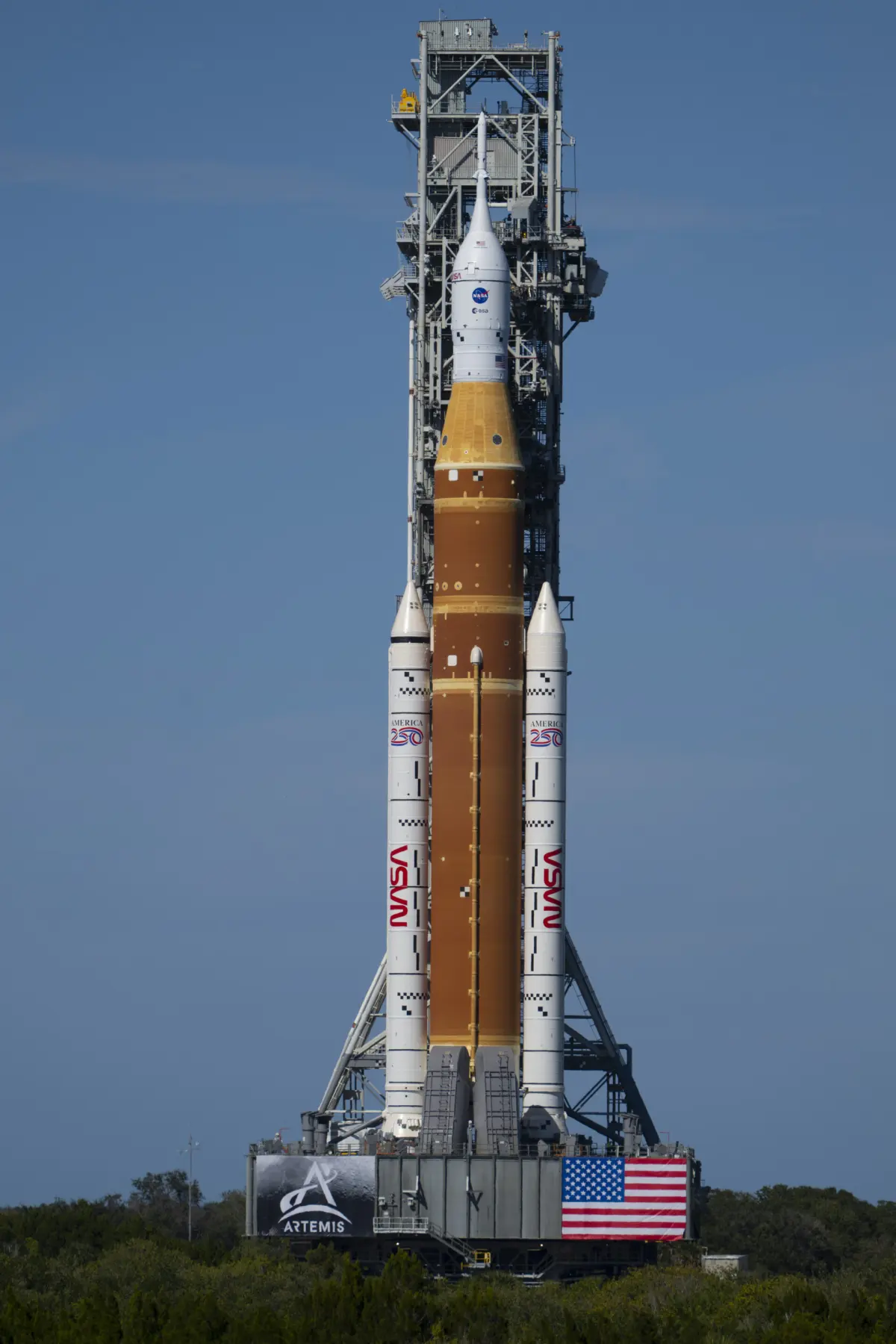
A rocket is a complex assembly of systems designed to withstand extreme forces and temperatures. The primary components work in unison to ensure structural integrity and flight control. Understanding these parts helps clarify how engineers manage the immense energy required for launch.
- Propellant tanks: Large containers that hold fuel and oxidizer until they are needed for combustion.
- Combustion chamber: The area where fuel and oxidizer mix and ignite to create pressurized exhaust.
- Nozzle: A bell-shaped component that directs and accelerates exhaust gases to generate maximum thrust.
- Guidance system: Onboard computers and sensors that monitor trajectory and adjust steering mechanisms.
- Payload: The cargo, such as satellites or spacecraft, that the rocket is designed to carry into orbit.
The structural frame, often called the airframe, must be lightweight yet strong enough to survive the high-pressure environment of ascent. Modern rockets often use aluminum-lithium alloys or carbon fiber composites to balance weight and durability.
How do rockets reach orbit?
Reaching orbit requires more than just vertical thrust; it requires horizontal velocity. A rocket must travel at approximately 17,500 miles per hour (28,000 kilometers per hour) to maintain a stable orbit around Earth. If a rocket goes too slow, gravity pulls it back down; if it goes too fast, it escapes Earth's gravity entirely.
To achieve this, rockets use a process called "staging." By dropping empty fuel tanks and heavy engines as they are used, the rocket sheds unnecessary weight, allowing it to accelerate more efficiently. This multi-stage approach is essential for space travel.
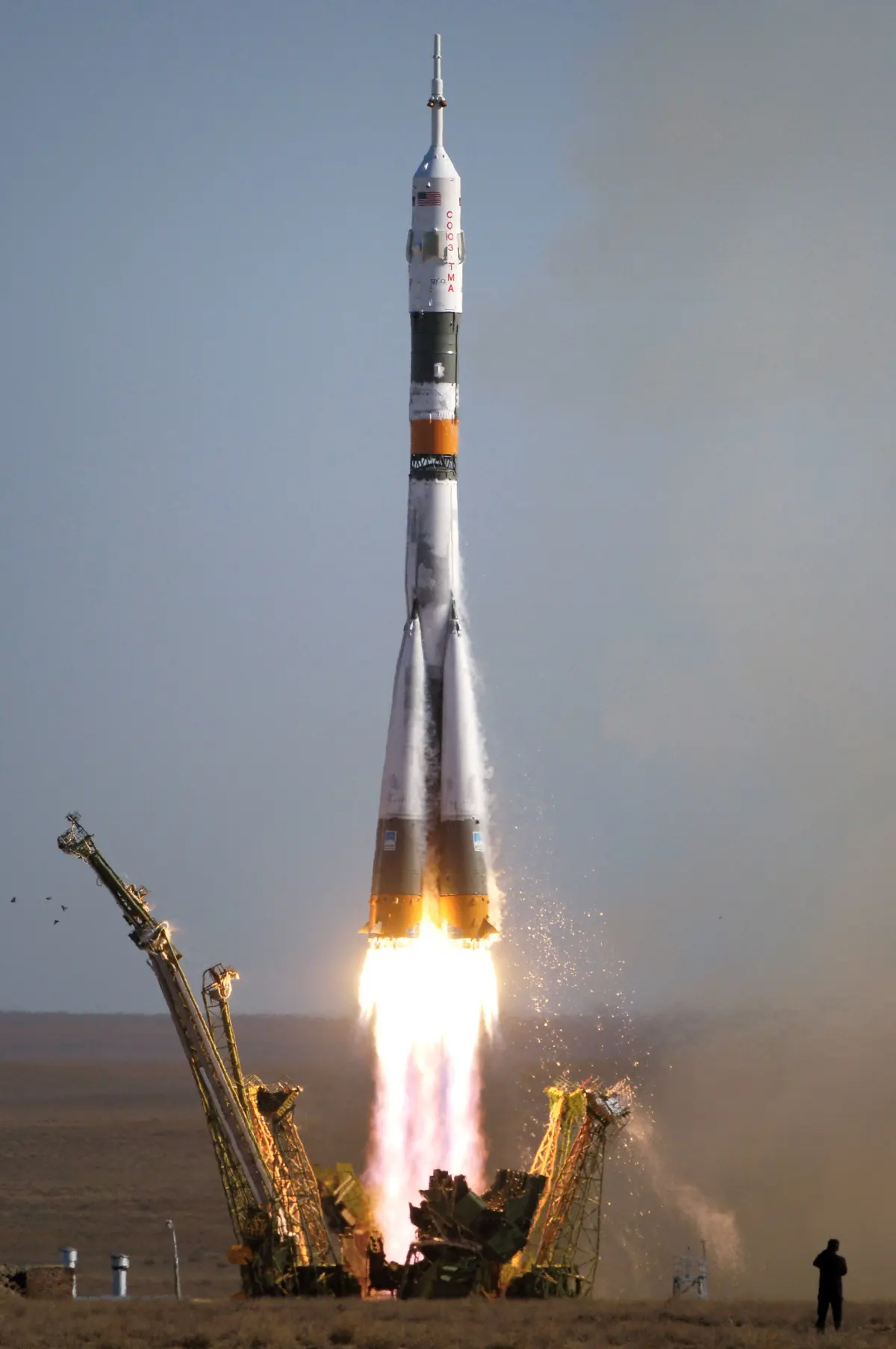
- Liftoff: The rocket ignites its engines and clears the launch pad, overcoming the force of gravity.
- Max Q: The vehicle passes through the point of maximum dynamic pressure, where aerodynamic forces are highest.
- Stage separation: Empty lower stages are jettisoned to reduce mass.
- Orbital insertion: The final stage burns to achieve the precise velocity required for a stable path around the planet.
Why do rockets use liquid and solid fuels?
Engineers choose between liquid and solid propellants based on the specific mission requirements. Solid-fuel rockets, like the Space Shuttle boosters, are simple and provide high thrust immediately upon ignition. However, once lit, they cannot be turned off or throttled, making them less flexible during complex maneuvers.
Liquid-fuel rockets, such as those using liquid oxygen and kerosene or liquid hydrogen, offer greater control. They can be throttled, restarted, and adjusted for precise orbital insertion. This versatility makes them the preferred choice for the upper stages of launch vehicles.
- Solid propellants: Stable, easy to store, and provide massive initial power.
- Liquid propellants: Highly efficient, controllable, and ideal for long-duration engine burns.
- Hybrid systems: Combine features of both, though they are less common in large-scale spaceflight.
The choice of fuel also impacts the design of the plumbing, pumps, and cooling systems required to manage the volatile chemicals safely during the launch sequence.
Common mistakes when designing or launching rockets
Amateur rocketry and professional aerospace engineering both face significant risks. One common mistake is failing to account for the center of pressure versus the center of gravity. If the center of pressure is ahead of the center of gravity, the rocket becomes aerodynamically unstable and will tumble uncontrollably shortly after clearing the launch rail.
Another frequent error involves insufficient thermal protection. During high-speed flight, friction with the atmosphere creates intense heat. If the materials are not rated for these temperatures, the structural integrity can fail, leading to catastrophic disintegration.
- Ignoring wind conditions: Launching in high-altitude shear winds can snap a rocket in mid-air.
- Improper ignition timing: Failing to ensure all engines reach full thrust before releasing clamps can cause a tilt at liftoff.
- Underestimating vibration: The intense acoustic energy of launch can destroy delicate electronics if they are not properly dampened.
By following rigorous testing protocols and using computer simulations, engineers mitigate these risks to ensure successful missions and the safety of the valuable payloads they carry into the stars.
Key facts
- Rockets operate on Newton’s Third Law of Motion: for every action, there is an equal and opposite reaction.
- Combustion inside the engine creates high-pressure gas that is expelled through a nozzle at supersonic speeds.
- Liquid-fueled rockets, like the Falcon 9, use propellants such as kerosene or liquid hydrogen mixed with liquid oxygen.
- Solid-fuel rockets, such as the Space Shuttle boosters, cannot be turned off once ignited and burn until the fuel is exhausted.
- To reach orbit, a rocket must achieve a velocity of approximately 17,500 miles per hour (28,000 kilometers per hour).
- Multi-stage designs allow rockets to shed empty fuel tanks, reducing weight to increase efficiency and speed.
The bottom line
A rocket functions by converting chemical energy into high-speed exhaust, generating the thrust necessary to overcome gravity. By following the principle of action and reaction, these vehicles propel themselves through the vacuum of space. Whether using liquid or solid propellants, the key to successful flight is managing weight and velocity, allowing humanity to reach beyond our atmosphere and explore the vast reaches of the solar system.
People also ask
Why do rockets have multiple stages?
Rockets require immense amounts of fuel to overcome Earth's gravity. By discarding empty propellant tanks as they climb, the vehicle becomes lighter and can reach higher speeds with less effort.
How do rockets steer in the vacuum of space?
Since there is no air for wings to push against, rockets use gimballed engines that tilt to change the direction of the thrust. Small thrusters called reaction control systems are also used for precise orientation.
What is the difference between a rocket and a jet engine?
A jet engine takes in oxygen from the atmosphere to burn its fuel. A rocket carries its own supply of oxygen, allowing it to function in the vacuum of space.
How hot does a rocket engine get?
Combustion temperatures inside a rocket engine can exceed 6,000 degrees Fahrenheit (3,300 degrees Celsius). Engineers use regenerative cooling, where cold fuel circulates around the nozzle, to prevent the metal from melting.
Can a rocket be reused?
Yes, modern rockets like SpaceX’s Falcon 9 are designed to land vertically after delivering their payload. This significantly reduces the cost of space travel by avoiding the need to build a new vehicle for every mission.
Why do rockets launch near the equator?
Launching from the equator provides a "free" speed boost because the Earth rotates fastest at its widest point. This extra velocity helps the rocket reach orbit with less fuel.
This answer was created with the help of AI research tools and reference sources. Spotted an error? Let us know — we correct mistakes quickly. See our editorial policy.