How many bones are in the human body?
Short answer
An adult human body typically contains 206 bones. While infants are born with approximately 270 to 300 bony elements, many of these fuse together during the natural growth process. By the time a person reaches physical maturity in early adulthood, the skeletal system has consolidated into the standard count of 206 distinct bones.
On this page
Why do humans have different numbers of bones?
The difference in bone count between infants and adults is primarily due to the process of ossification. At birth, much of a baby’s skeleton is composed of flexible cartilage, which allows for rapid growth and easier passage through the birth canal. As a child matures, these cartilaginous segments undergo a transformation where minerals like calcium and phosphorus harden the tissue into solid bone.
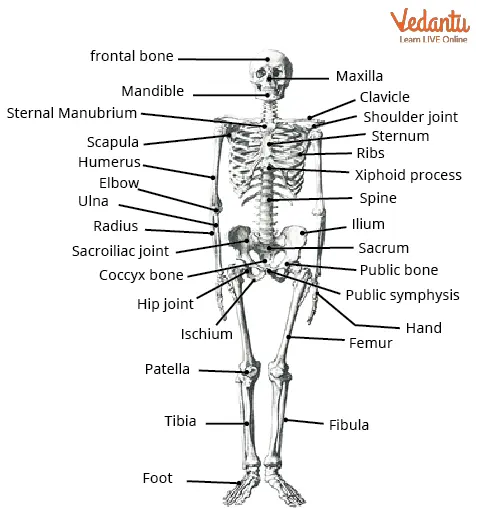
During this developmental phase, many smaller bones fuse together to form larger, more stable structures. For example, the sacrum at the base of the spine begins as five separate vertebrae in a child but eventually fuses into a single, solid bone in adults. Similarly, the frontal bone of the skull starts as two distinct halves that unite during early childhood. This biological consolidation is essential for providing the structural integrity required to support an adult’s body weight and protect vital internal organs.
How is the human skeleton organized?
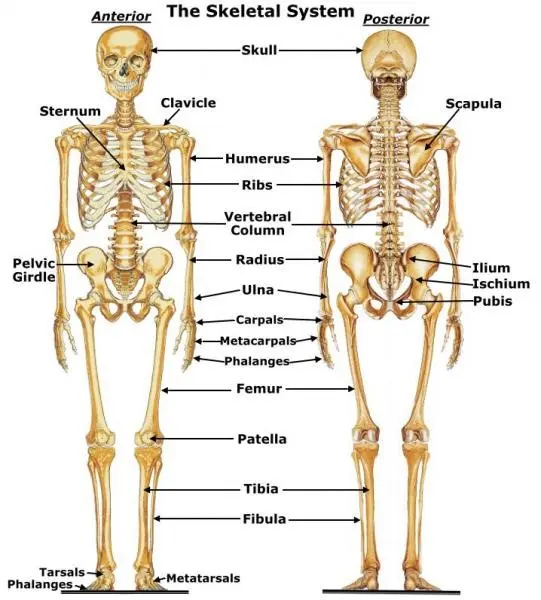
The adult skeleton is divided into two primary regions: the axial skeleton and the appendicular skeleton. The axial skeleton forms the central axis of the body, providing protection for the brain, spinal cord, and thoracic organs. The appendicular skeleton consists of the bones of the limbs, as well as the shoulder and pelvic girdles that attach these limbs to the main body.
The axial skeleton comprises 80 bones, while the appendicular skeleton accounts for the remaining 126. Understanding this division helps in identifying how different parts of the body function together to facilitate movement and stability. The following list outlines the major components of these two systems:
- Axial Skeleton: Includes the skull, vertebral column, and the thoracic cage (ribs and sternum).
- Appendicular Skeleton: Includes the arms, legs, pectoral girdle (shoulders), and pelvic girdle (hips).
- Specialized Bones: Includes the auditory ossicles in the middle ear and the hyoid bone in the neck.
Which bones are the smallest and largest?
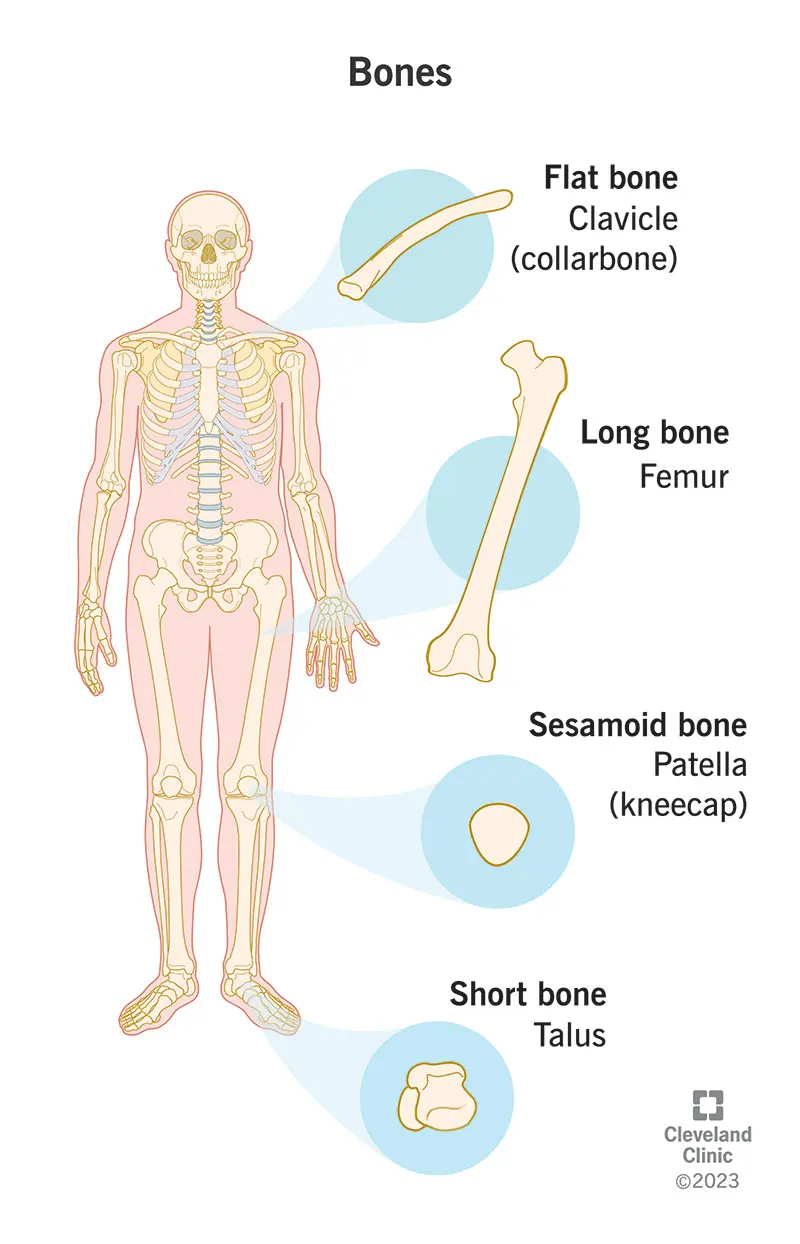
The human body features a remarkable range of bone sizes, from the massive femur to the microscopic ossicles. The femur, or thigh bone, is the longest, heaviest, and strongest bone in the human body. It serves as the primary weight-bearing structure of the leg and is essential for locomotion, supporting the body’s weight during activities like walking, running, and jumping.
Conversely, the smallest bones are located deep within the middle ear. These three tiny bones—the malleus, incus, and stapes—are collectively known as the ossicles. Their primary function is to transmit sound vibrations from the eardrum to the inner ear, allowing for the sense of hearing. Despite their diminutive size, these structures are critical for sensory perception. The stapes, in particular, is the smallest bone in the entire body, measuring roughly 3 millimeters in length, which is about the size of a grain of rice.
How to maintain healthy bone density?
Maintaining skeletal health requires a combination of proper nutrition and consistent physical activity. Bones are living tissues that constantly remodel themselves, breaking down old bone and building new bone. To support this cycle, the body requires adequate intake of calcium and vitamin D, which are the fundamental building blocks of bone mineral density.
- Consume calcium-rich foods such as dairy products, leafy greens, and fortified cereals.
- Ensure sufficient vitamin D intake through sunlight exposure or supplements to help the body absorb calcium.
- Engage in weight-bearing exercises like walking, jogging, or resistance training to stimulate bone growth.
- Avoid smoking and excessive alcohol consumption, as these habits can interfere with the body's ability to maintain bone mass.
By following these steps, individuals can reduce the risk of conditions like osteoporosis, which causes bones to become brittle and prone to fractures. Consulting with a healthcare professional regarding bone density screenings is recommended as individuals age, particularly for postmenopausal women and older adults.
Common mistakes when tracking bone health
A frequent mistake people make is assuming that bone health is only a concern for the elderly. In reality, peak bone mass is typically reached by the age of 30. Failing to build sufficient bone density during childhood and young adulthood can leave an individual at a disadvantage later in life. Neglecting strength training is another common error, as many people prioritize cardiovascular exercise while ignoring the mechanical stress necessary to keep bones dense and strong.
Another oversight is the reliance on supplements without addressing underlying dietary habits. While supplements can bridge gaps, they are not a substitute for a balanced diet rich in whole foods. Furthermore, ignoring persistent joint or bone pain can lead to missed diagnoses of stress fractures or early-stage bone diseases. Always treat chronic discomfort as a signal to seek medical advice rather than simply masking the pain with over-the-counter medications. By monitoring skeletal health proactively throughout every stage of life, you can maintain mobility and structural strength well into your later years.
Key facts
- An average adult human skeleton consists of 206 distinct bones.
- Infants are born with approximately 270 to 300 bony elements, many of which fuse together during growth.
- The femur, or thigh bone, is the longest and strongest bone in the human body.
- The stapes, located in the middle ear, is the smallest and lightest bone, measuring only about 3 millimeters.
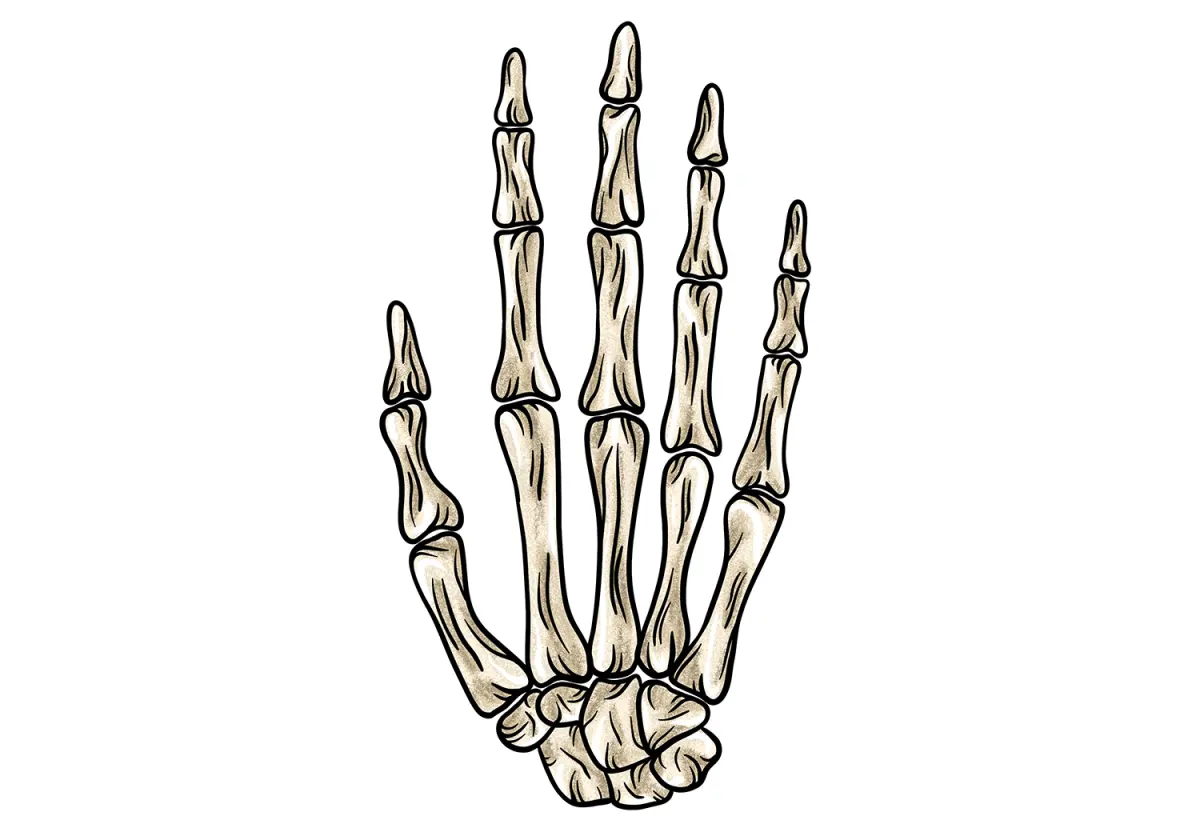
- More than half of your bones are located in the hands and feet, with 27 in each hand and 26 in each foot.
- The hyoid bone, located in the neck, is unique because it is the only bone that does not articulate with any other bone.
The bottom line
While the human body begins life with nearly 300 separate bony elements, the adult skeleton typically stabilizes at 206 bones after the fusion process is complete. These structures provide the essential framework for movement, protection, and blood cell production. By prioritizing adequate nutrition and regular physical activity throughout your life, you can maintain optimal bone density and support long-term skeletal health as you continue to age.
People also ask
Why do babies have more bones than adults?
Infants are born with many separate bony segments, such as those in the skull and sacrum, to allow for birth and rapid brain growth. As a child matures, these segments fuse into single, solid structures.
Which bone is the most commonly broken?
The clavicle, or collarbone, is the most frequently fractured bone in the human body. This is often due to its position and the fact that it is relatively thin and prone to impact injuries.
Do teeth count as bones?
Teeth are not classified as bones, although they are made of mineralized tissues like dentin and enamel. Unlike bone, teeth cannot heal themselves if they are chipped or cracked.
What is the purpose of the skeleton?
The skeleton provides structural support, protects vital internal organs, and serves as an anchor for muscles to facilitate movement. Additionally, the marrow inside bones is essential for producing red and white blood cells.
How can I keep my bones healthy?
Maintaining bone density requires a diet rich in calcium and vitamin D, combined with weight-bearing exercises like walking or lifting weights. Avoiding smoking and excessive alcohol consumption also helps prevent premature bone loss.
What happens to bones as we age?
Over time, bones naturally lose density and mineral content, a condition that can lead to osteoporosis if not managed. This makes bones more brittle and significantly increases the risk of fractures from minor falls.
This answer was created with the help of AI research tools and reference sources. Spotted an error? Let us know — we correct mistakes quickly. See our editorial policy.