What is Montreal known for?
Short answer
Montreal is a vibrant, bilingual metropolis in Quebec, Canada, renowned for its unique blend of European charm and North American energy. It is celebrated for its world-class culinary scene, historic Old Montreal architecture, thriving arts and festival culture, and its status as a major hub for technology, education, and international commerce.
On this page
Why is Montreal considered a cultural hub?
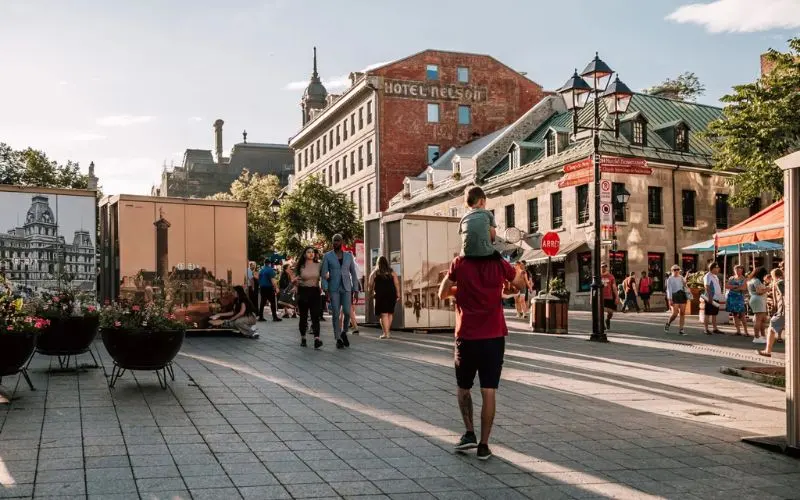
Montreal is widely regarded as the cultural capital of Canada, distinguished by its status as the largest French-speaking city in the world outside of France. This unique linguistic landscape fosters a creative environment where North American trends meet European sensibilities. The city’s identity is deeply rooted in its history, which dates back to its founding as Ville-Marie in 1642. Today, this heritage is preserved in the cobblestone streets of Old Montreal, where visitors can admire 17th-century architecture and the stunning Notre-Dame Basilica.
Beyond its history, the city is a global leader in the arts and entertainment. It hosts over 100 festivals annually, including the world-famous Montreal International Jazz Festival and the Just for Laughs comedy festival. These events transform the downtown core into a bustling celebration of music, film, and performance. The city’s creative pulse is further supported by a dense network of museums, galleries, and public art installations that make culture accessible to everyone throughout the year.
What is the best way to explore Montreal?
The most effective way to navigate Montreal is by utilizing its extensive public transit system, the Société de transport de Montréal (STM). The Metro is clean, reliable, and covers the majority of the city’s major attractions. For those who prefer to travel above ground, the city is highly bike-friendly, featuring an expansive network of protected lanes known as the Réseau Express Vélo. Walking is also a primary mode of transport, especially in dense neighborhoods like the Plateau or the Quartier des Spectacles.
To make the most of your visit, consider these essential tips:
- Purchase an OPUS card for discounted fares on buses and the Metro.
- Use the BIXI bike-sharing system for quick trips between neighborhoods.
- Download offline maps to navigate the underground city, known as RÉSO, during winter months.
- Avoid renting a car, as parking is notoriously difficult and expensive in the urban core.
How do I experience the famous Montreal food scene?
Montreal is a culinary destination defined by its iconic comfort foods and high-end gastronomic experiences. The city’s food culture is perhaps best known for its uniquely dense, wood-fired bagels and its savory poutine. Visitors should also seek out Montreal-style smoked meat, a staple of the city’s historic Jewish delis. Beyond these staples, the city boasts a high concentration of restaurants per capita, offering everything from authentic French bistros to innovative fusion cuisine that reflects the city’s diverse immigrant population.
When dining out, keep these steps in mind to ensure an authentic experience:
- Visit a classic deli like Schwartz’s for a traditional smoked meat sandwich.
- Head to the Mile End neighborhood to sample fresh, hot bagels straight from the oven.
- Explore the Jean-Talon Market to taste local Quebec cheeses, maple products, and seasonal produce.
- Make reservations well in advance for popular restaurants, as the city’s dining scene is highly competitive.
What are the most common mistakes when visiting Montreal?
Many visitors underestimate the impact of Montreal’s weather, which is characterized by extreme seasonal shifts. While summers are warm and lively, winters are notoriously cold and snowy. A common mistake is failing to pack appropriate footwear and layers, which can hinder your ability to explore the city comfortably. Another frequent error is assuming that everyone speaks English exclusively. While most residents are bilingual, greeting locals with a polite "Bonjour" is a gesture of respect that often leads to a warmer reception.
Additionally, travelers often overlook the city’s geography by trying to see too much in a single day. Montreal is composed of distinct boroughs, each with its own character and pace. Trying to rush from the historic port to the summit of Mount Royal and then to the trendy boutiques of the Plateau is exhausting. Instead, focus on one or two neighborhoods per day to truly appreciate the local atmosphere, the hidden cafes, and the residential architecture that makes the city feel like a collection of small villages.
When is the best time to visit Montreal?
The ideal time to visit depends entirely on the type of experience you seek. Summer, specifically from June through August, is the peak tourist season. During these months, the city is vibrant with outdoor festivals, street fairs, and terrace dining. If you enjoy crowds and high-energy events, this is the perfect time to visit. However, be prepared for higher hotel prices and the need to book accommodations months in advance.
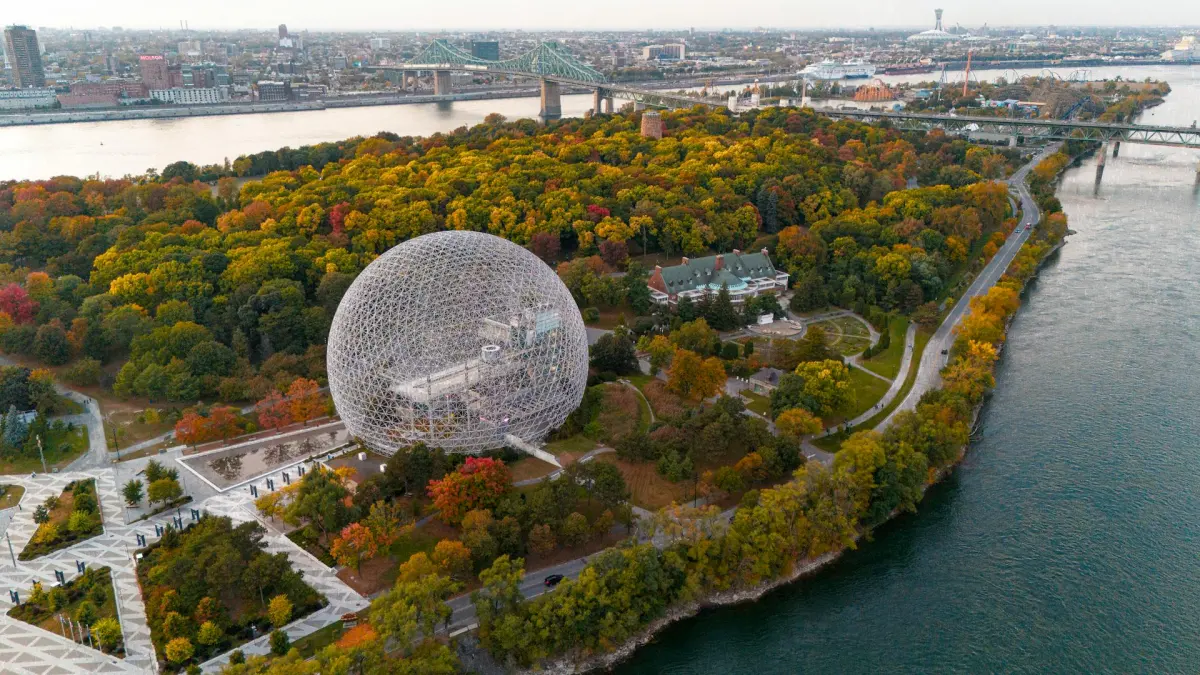
For those who prefer a quieter experience, the shoulder seasons of spring and fall offer a different charm. In autumn, the city is visually stunning as the foliage in Mount Royal Park turns vibrant shades of red and gold. Spring, while often rainy, brings the city back to life after the long winter. If you are a winter sports enthusiast, visiting in January or February allows you to participate in the Fête des Neiges or enjoy the city's many outdoor skating rinks. Regardless of the season, Montreal offers a distinct and memorable atmosphere that changes significantly throughout the calendar year.
Key facts
- Montreal is the second-largest French-speaking city in the world after Paris.
- The city is famous for its unique bagel style, which is boiled in honey-water and baked in wood-fired ovens.
- Old Montreal features cobblestone streets and architecture dating back to the 17th century, including the iconic Notre-Dame Basilica.
- The Underground City, or RÉSO, spans 32 kilometers of tunnels connecting shopping malls, metro stations, and office buildings.
- Montreal hosts over 100 festivals annually, including the world-renowned Montreal International Jazz Festival.
- Mount Royal Park, designed by Frederick Law Olmsted, serves as the city's central green space and offers panoramic views from its summit.
The bottom line
Montreal offers a sophisticated blend of European charm and North American energy, defined by its rich French heritage and vibrant cultural scene. Whether exploring the historic streets of Old Montreal, indulging in world-class culinary staples like bagels and poutine, or navigating the expansive underground network, visitors find a city that balances tradition with innovation. It remains a premier destination for travelers seeking history, art, and gastronomy.
People also ask
Is it necessary to speak French to visit Montreal?
While Montreal is a bilingual city, most service workers in tourist areas speak English fluently. Learning basic phrases like "Bonjour" and "Merci" is considered polite and appreciated by locals.
What is the best time of year to visit?
Summer is the peak season, offering warm weather and a high density of outdoor festivals. Autumn provides vibrant foliage, while winter is ideal for those who enjoy ice skating and winter sports.
How does the public transit system work?
The STM operates an efficient metro and bus network that covers most major attractions. Visitors should purchase an OPUS card or a multi-day pass at any metro station kiosk to save on individual fares.
What is poutine and where can I find it?
Poutine is a Quebecois dish consisting of french fries, fresh cheese curds, and brown gravy. Many casual diners, known as "casse-croûtes," serve authentic versions throughout the city.
Are there any common mistakes to avoid when visiting?
A common mistake is underestimating the city's size or the intensity of its winters. Additionally, avoid assuming that all street signs or menus will be exclusively in English, as French is the official language.
Can I get around the city by bicycle?
Montreal is highly bike-friendly, featuring an extensive network of protected lanes. The BIXI bike-share program allows users to rent bicycles easily from hundreds of automated docking stations across the city.
This answer was created with the help of AI research tools and reference sources. Spotted an error? Let us know — we correct mistakes quickly. See our editorial policy.